
Reviewed · HISTORICAL TOURS
Private Vienna Highlights History Walk — WWII and Post War Vienna
Vienna tells its 20th-century story in stone. This private walk connects imperial Vienna to the shock of WWII, then shows how the city reset itself afterward. You get a tidy route, a guide who keeps the pace human, and plenty of moments where the history is right in front of you.
I love the convenience of hotel pickup, especially when you are staying in the center but do not want to fight transit right away. I also like the private group size, up to 10, which makes it easier to ask questions and keep your day on track.
The main catch is simple: this is a 3-hour walking tour, so you will want decent shoes and a rain plan if the weather turns.
In This Review
- Key highlights worth your attention
- Private pickup and a tightly run 3-hour flow
- Belvedere Gardens, the terrace panorama, and the Second Republic turning point
- Schwarzenbergplatz Soviet War Memorial and the tricky math of memory
- The Ringstraße tram segment, State Opera continuity, and surviving destruction
- Burggarten, Mozart nearby, and the unsettling Hitler footnote
- MuseumsQuartier Maria Theresa, twin museums, and the silent FLAK towers
- Heldenplatz and the Hofburg: where speeches, empire, and regime change collide
- Judenplatz Nameless Library, plague memory, and St. Stephen’s damaged edges
- How much value you really get for $342.40 per group
- Who should book, and who should skip
- Should you book this private WWII and post-war walk?
- FAQ
- What is the duration of the Vienna WWII and post-war highlights walk?
- How much does the private tour cost?
- Is hotel pickup included?
- What language is the tour offered in?
- Do I need public transport to reach all the sights?
- Are food and drinks included?
- Where can the tour pick you up?
- What time does the tour start?
- Is there a cancellation deadline for a full refund?
Key highlights worth your attention
- Hotel pickup plus private pacing for a smoother start at 09:30 or 14:00
- Belvedere Gardens and UNESCO Belvedere-area views tied to Austria’s post-war shift
- Soviet War Memorial at Schwarzenbergplatz with context on liberation and occupation memory
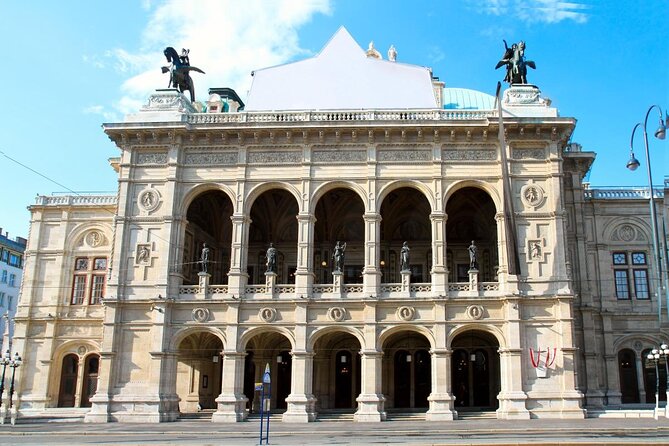
- Ringstraße tram segment past the rebuilt State Opera, showing continuity after destruction
- Judenplatz Nameless Library on the ground of the medieval Jewish community destroyed in 1421
- St. Stephen’s Cathedral in April 1945 context, when damage reached even the surrounding shops
Private pickup and a tightly run 3-hour flow
This is the kind of Vienna tour that starts by removing friction. Pickup is offered from hotels and vacation rentals in town, Reichsbruecke pier, and major stations like Vienna Hbf and Vienna West, so you do not waste your first good hours figuring out where to meet.
Once you are with your licensed Austria guide, the format feels practical. You can move by foot for much of the sightseeing, and you also get help navigating the public transit portion when it makes sense. That matters because this route is not just scenic, it is themed, and timing helps you keep the story coherent instead of scattered.
You are also in control of the pace in a real way. The itinerary is flexible, shaped around what you want to emphasize, which is ideal if you are more interested in government buildings, wartime impact, or the places where memory is marked in plain sight. Expect a friendly, conversational style, too, and the guides in this program are known for adding useful city tips beyond pure museum facts.
Other ways to round out a Vienna visit

Belvedere Gardens, the terrace panorama, and the Second Republic turning point
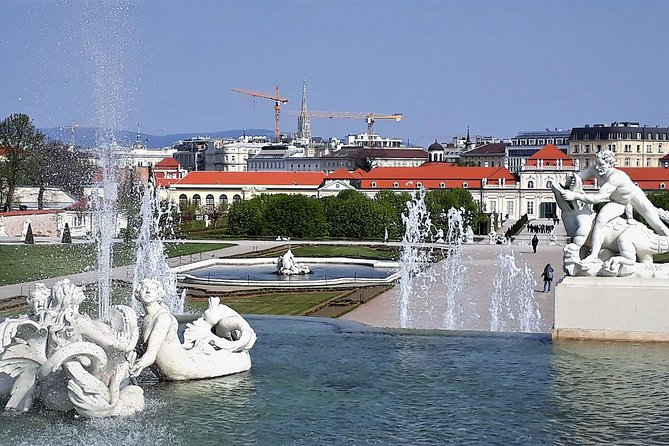
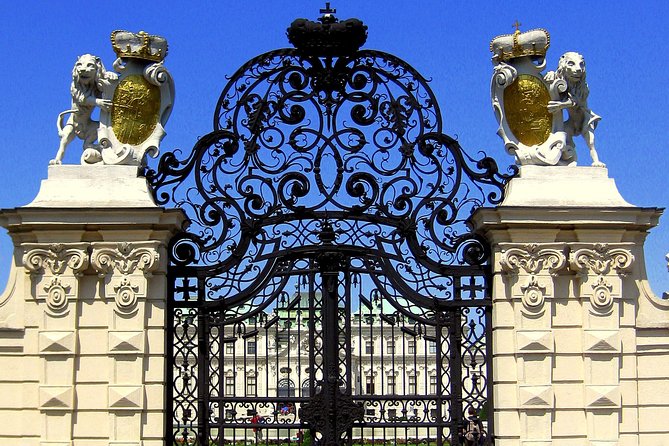
Your first big stop is the Belvedere area, starting with Upper Belvedere gardens and the terrace views. Belvedere is tied to Prince Eugene, and here the story shifts from court power to what happened after the war. The guide frames this as the symbolic birthplace of Austria’s Second Republic in 1955, so you are not just admiring a beautiful viewpoint. You are seeing how a nation tried to reframe its identity after catastrophe.
What I like about beginning here is that Belvedere gives you a visual anchor. Vienna can feel like a collection of different eras, but from the terraces the city reads as a planned place, with lines of sight and careful placement. From there, you move down into Belvedere Gardens and the axis between upper and lower sections, where the baroque layout can be understood as a political statement about order, hierarchy, and power.
A practical note: Belvedere gardens are free in this experience, so you can spend your energy on looking and listening instead of budgeting entry fees for each step. You still get the UNESCO-listed context around the Belvedere palace area, without making your morning feel like a checklist.
Possible drawback: you will be outside for stretches, and gardens are exposed. If you tend to run cold, bring a light layer. If it rains, have something to protect your notebook or phone, because the outdoor stops are where the story really sticks.
Schwarzenbergplatz Soviet War Memorial and the tricky math of memory
Next comes Schwarzenbergplatz and the Soviet War Memorial. This is one of the stops where the tour theme becomes very real. In 1945, the Red Army monuments here honor thousands of soldiers who died ending Nazi rule in Vienna, and the guide helps you understand how that kind of liberation can still lead to occupation, and how memory can hold conflicting emotions at once.
The tone is important. This is not a heavy lecture vibe. It is a guided walk through how public monuments communicate who belongs, who pays the price, and how a city chooses what to remember in a shared space.
If you are the kind of person who notices statues, plaques, and the placement of monuments in relation to government buildings, you will enjoy this stop a lot. If you prefer a strictly architectural tour, you might still find this one worthwhile because it is tied to power, not just grief.
Then you continue with a fascinating contrast: the Hochstrahlbrunnen fountain and the French Embassy nearby. The fountain is monumental and celebrates Vienna’s alpine tap water. The French Embassy brings a different architectural message, and the guide uses that pairing to remind you that post-war Europe was always negotiating alliances, symbolism, and identity.
The Ringstraße tram segment, State Opera continuity, and surviving destruction
A short tram ride along the Ringstraße adds a smart change of pace. The Ringstraße is Vienna’s 19th-century prestige project, and your route passes major landmarks connected to cultural life. One highlight is the rebuilt State Opera area, a symbol of cultural continuity after wartime destruction.
I like this segment because it prevents the day from turning into only walking and standing. Also, trams in Vienna feel like part of the city’s fabric, not a tourist gimmick, so it helps your senses stay engaged while you absorb the story.
The drawback here is obvious: you need to be comfortable with moving through transit spaces. This experience covers the guided movement, but you should expect that you still manage your own transit needs for getting around outside the pickup and the tour itself.
Beyond the palaces, the city keeps its own rhythm of coffee, concerts, and day trips nearby.
- Vienna: Vivaldi’s Four Seasons Concert in Karlskirche★ 4.7 · 14,951 reviews
- Vienna: Schönbrunn Palace & Gardens Skip-the-Line Tour★ 4.7 · 7,739 reviews
- Vienna: Light of Creation Votive Church Immersive Light Show★ 4.8 · 6,779 reviews
- Vienna Spanish Riding School Guided Tour★ 4.7 · 6,765 reviews
Burggarten, Mozart nearby, and the unsettling Hitler footnote
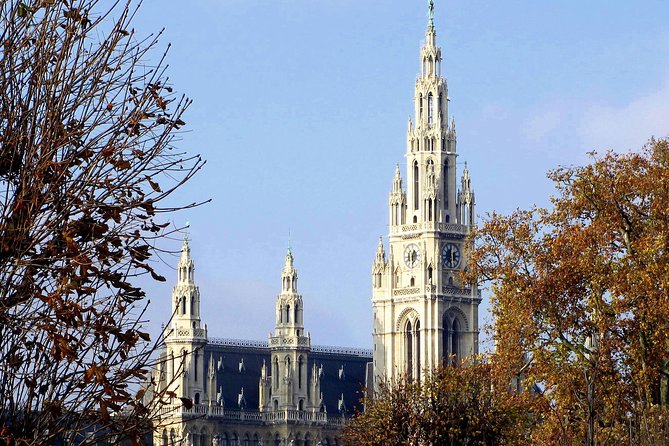
Burggarten is short, but it packs punch. Mozart presides over the garden atmosphere, and the guide connects the setting to the imperial court world that came before the 20th-century rupture.
Right steps away, you also get the Academy of Fine Arts context, including a famous detail: it rejected a young Adolf Hitler. This is one of those history footnotes that can sound distant until you stand near the places where institutions made choices that shaped the next chapter.
I appreciate that the tour uses this moment to show how normal-looking cultural spaces can intersect with political outcomes. Vienna is not just about grand palaces. It is also about the institutions and education structures that shaped who rose, who failed, and who later changed history.
If you are sensitive to heavy historical material, you might find this stop emotionally sharp. But the tour keeps it grounded in place, so it does not feel abstract.
MuseumsQuartier Maria Theresa, twin museums, and the silent FLAK towers
The MuseumsQuartier area brings you to a different kind of Vienna power center. Maria Theresa still commands the square, with the twin museums framing the space. It is beautiful, and the guide makes sure you notice how beauty and symbolism coexist.
In the background, the story adds a grim layer: one of Vienna’s six FLAK towers. These concrete structures are described as indestructible witnesses to the city’s militarized final months. The guide’s framing helps you look at the city’s modern cultural spaces and realize how recent those wartime structures really are.
This is also a good place for your brain to reset. After memorials and political speeches, seeing how modern Vienna builds around wartime remnants helps the whole theme feel less like a list of tragic events and more like a city learning to live with the past.
Heldenplatz and the Hofburg: where speeches, empire, and regime change collide
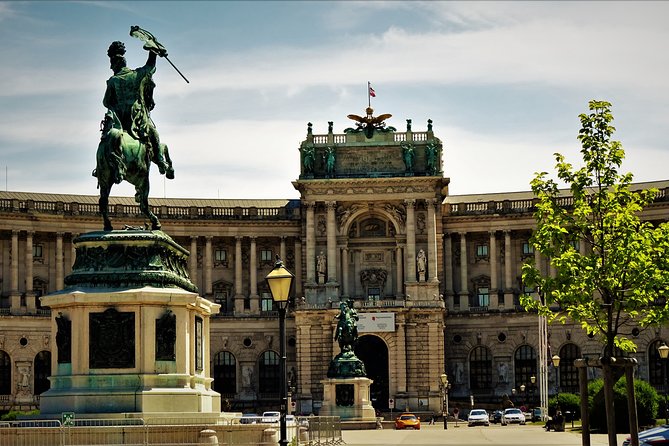
At Heldenplatz, the tour zooms out to the scale of power. The square was a stage for imperial ceremony and military pride, and it is directly linked to March 1938, when Hitler’s Anschluss speech happened here.
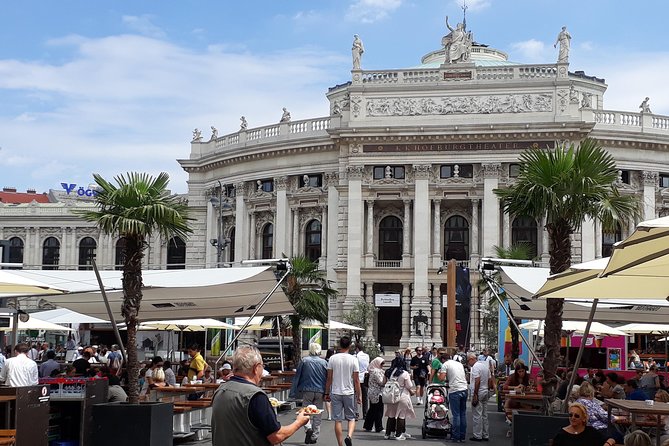
What I find useful is the way the guide walks you through how the square is framed today by parliament, city hall, museums, and the Burgtheater. You end up looking at the same geometry of authority, but with a different meaning after the war. It is a fast lesson in how governments borrow, replace, and reinterpret symbols.
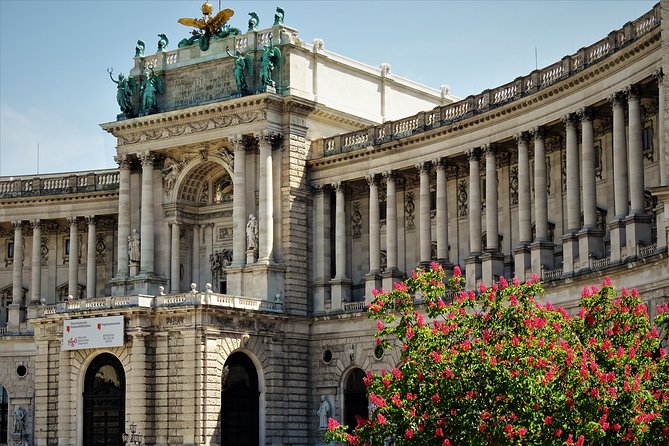
Then the tour moves to the Hofburg. This is not just a single building stop, it is a whole palace-city concept that served as the seat of power for centuries, from dukes to emperors, and later the modern presidency. The guide’s explanation connects architectural continuity to political continuity and change, which is exactly what you want in a WWII and post-war theme walk.
From there, you also get a short look at the area where imperial façades meet ecclesiastical grandeur and today’s luxury shopping. It can feel like a contrast scene, but it makes a point: Vienna has long balanced ceremony, commerce, and spirituality. That balance did not disappear after WWII. It just came back with new rules and new political realities.
Judenplatz Nameless Library, plague memory, and St. Stephen’s damaged edges
This is the most emotionally essential part of the walk. At Judenplatz, you reach the Holocaust memorial known as the Nameless Library. It marks 65,000 Austrian Jews murdered in the Shoah, and it sits on the site of Vienna’s medieval Jewish community, destroyed in 1421.
The tone here is quiet and direct. You spend enough time to absorb what it means, without being rushed into the next stop. This matters because memorial spaces ask you to slow down, and this tour respects that.
Next comes the Colonna Della Peste, also called the Plague Column. It is described as Counter-Reformation in marble, using art and devotion to reclaim the city after crisis. I like this contrast because it shows how Vienna’s tradition of public memory stretches beyond WWII. Cities react to trauma in recurring ways, and the guide helps you see the different “languages” of commemoration.
Finally, you end at St. Stephen’s Cathedral, Vienna’s Gothic heart. The guide ties the cathedral to April 1945, when parts burned because looters set fire to nearby shops. It is a reminder that damage from war can spread in ways that are messy, human, and fast, not only through dramatic battles.
This ending works well because it combines the visible beauty of a historic landmark with a specific wartime detail that explains why the city still carries scars in its architecture and surroundings. If you later walk around the cathedral area on your own, you will likely notice details you would have missed at first glance.
How much value you really get for $342.40 per group
The price is listed as $342.40 per group for up to 10 people, with about 3 hours on the clock. That is a group rate, so the value depends on who you travel with.
If you are a duo, you feel the cost more. If you are 4 to 8 people, the per-person math gets friendlier fast. Even if you are traveling solo, the private format can still be worth it if you want a guide to tailor the pacing and emphasize the aspects you care about most, instead of squeezing into a bigger crowd.
What you get that usually justifies a private rate in a city like Vienna:
- a licensed guide focused on a tight theme, not generic sightseeing
- hotel pickup, which saves time and reduces stress
- a route that mixes major landmarks with memory sites, so you get depth without extra days
What you still need to handle yourself:
- public transport to and from attractions, since this experience does not include that cost
- food and drinks
- hotel drop-off at the end, since pickup is included but drop-off is not
One more value factor: guides on this program are praised for practical additions like helping you plan food breaks and giving local tips. In other words, the tour often gives you more than just history, it gives you momentum for the rest of your Vienna day.
Who should book, and who should skip
This tour is a strong fit if you want history tied to place. If you like connecting political change to street corners, squares, monuments, and architecture, you will enjoy how every stop has a “why it matters” connection.
It also suits first-time Vienna visitors who have limited time. A 3-hour private overview that touches WWII aftermath and post-war rebuilding can help you orient for later visits, including trips to museums or neighborhood walks.
You might want to skip or choose another option if:
- you do not like walking for extended outdoor segments
- you want a mostly indoor museum style day
- you expect the tour to include food, since it does not
- you prefer a very light story, since the theme includes memorials and war damage
Should you book this private WWII and post-war walk?
If your Vienna plan includes any overlap with WWII era history, this is a smart, efficient way to see how the city remembers. The balance of iconic landmarks like Belvedere and St. Stephen’s with more pointed memory stops like Judenplatz makes the story feel complete, not one-sided.
Book it if you want your day structured, with hotel pickup and a private guide who can adjust the emphasis to your interests. I would especially prioritize it if you want help understanding how liberation, occupation, regime change, and public memory can all live side by side in the same city blocks.
FAQ
What is the duration of the Vienna WWII and post-war highlights walk?
The tour lasts about 3 hours.
How much does the private tour cost?
The price is $342.40 per group, up to 10 people.
Is hotel pickup included?
Yes. Hotel pickup is included, but hotel drop-off is not included.
What language is the tour offered in?
The tour is offered in English.
Do I need public transport to reach all the sights?
Public transport to and from attractions is not included, so you may need it for some parts of the day.
Are food and drinks included?
No, food and drinks are not included.
Where can the tour pick you up?
Pickup can be arranged at hotels and vacation rentals in town, Reichsbruecke pier, or train stations such as Vienna Hbf and Vienna West. Other meeting points can be arranged.
What time does the tour start?
It starts at 09:30 and 14:00.
Is there a cancellation deadline for a full refund?
Free cancellation is available if you cancel up to 24 hours in advance of the experience start time.
Latest Additions
- Wachau Valley Private Wine Tour with Tasting and Gourmet Lunch
★ 5.0 · 1 review - Vienna: Danube Valley Tour with Melk, Dürnstein with wine tasting and boat.
★ 5.0 · 1 review - Private city tour in Vienna
★ 5.0 · 1 review - Hallstatt Small Group Day Trip from Vienna
★ 3.0 · 1 review - Inside Freud’s Mind: Self-Guided Mystery Walk in Vienna
★ 4.0 · 1 review - Private Transfer from Vienna to Prague
★ 5.0 · 1 review - Vienna’s Christmas Market Magic Tour
★ 5.0 · 1 review
Historical Tours, compared.

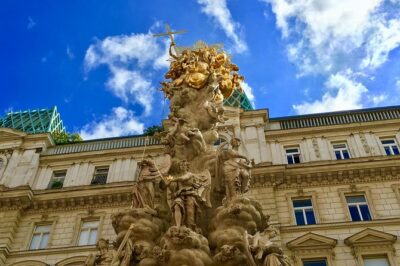
Vienna Historic Center Small Group Walking Tour
Read our review →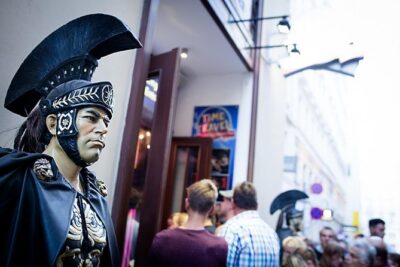
Time Travel-Magic Vienna History Tour Ticket
Read our review →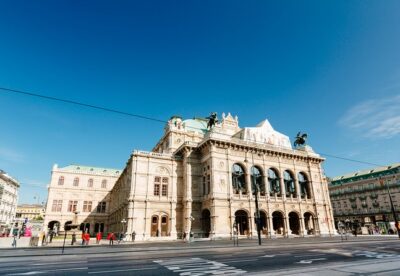
Skip-the-Line Schonbrunn Palace Guided Tour and Vienna Historical City Tour
Read our review →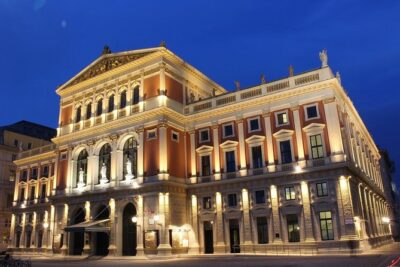
Vienna Mozart Concert in Historical Costumes at the Musikverein
Read our review →
Browse the lists this tour appears in