
Reviewed · HISTORICAL TOURS
Vienna: Essential History Walking Tour
Vienna can feel like one big set of clues. This 2-hour history walking tour turns the “clues” into a story, from Roman traces near Michaelerplatz to the imperial world around the Hofburg, and then out to WW2 memory at the Albertina area. I especially like how the guide connects buildings to real people and habits, and I like the quick, never-rushed pace that fits neatly into a first day in town. One possible drawback: it is not built for everyone, with no large bags and it is not suitable for kids under 12 or people with mobility impairments.
What makes the experience work is the route: it is compact, mostly a few blocks at a time, and it hits big-name stops plus the smaller details that usually fly by. The small group format matters, too. You can actually ask questions, and a guide like Herbert Stojaspal (or others in the same guiding team, such as Herbert or Dorothy) has enough time to answer without steamrolling the walk.
Also, a couple of sights can be time-sensitive. For example, the church tied to Habsburg weddings is closed on Sundays and public holidays, so you may get a slightly different feel depending on the day.
In This Review
- Key highlights you will feel fast
- Starting at Loos Haus, where the walk becomes a timeline
- Michaelerplatz to the Hofburg: power, not just architecture
- The Imperial Treasury stop that makes the empire feel real
- The Austrian National Library state room: symbols and a ruler’s name
- Albertina and the Monument Against War and Fascism: beauty with a bruise
- St. Michael’s Church and the Habsburg wedding clue
- Providentia Fountain and Neuer Markt: the lighter side of old Vienna
- State Opera and the Hotel Sacher replacing the Carinthian Gate Theatre
- Imperial Crypt burial ritual: the empire’s final paperwork
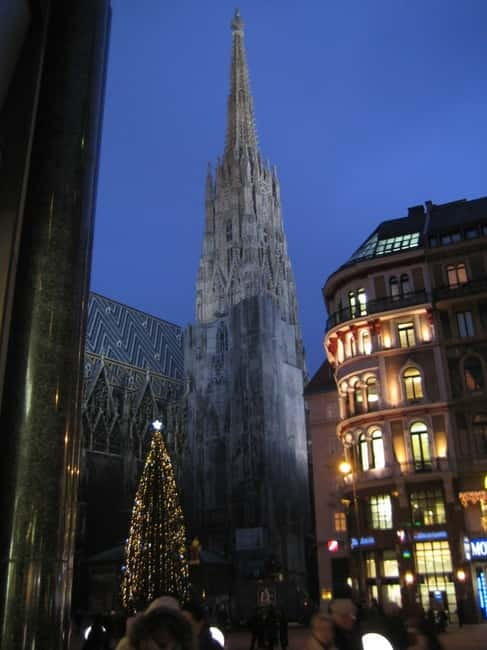
- Ending at St. Stephen’s Cathedral: what the landmark means
- Price and value: $34 for two hours that map your next days
- Who should book, and who should skip it
- Practical route notes so you are not hunting the group
- Should you book Vienna: Essential History Walking Tour?
Key highlights you will feel fast
- A tight loop of imperial Vienna without wasting time on long transfers
- Roman Vienna to WW2 themes in a way that stays understandable and human
- State Room at the Austrian National Library plus the roof symbol and Joseph II connections
- Habsburg weddings and burial rituals with context, not just dates
- Albertina and the Monument Against War and Fascism for the city’s darker memory
- Photo-led storytelling with a guide using an iPad at stops, so you see what you are hearing
Starting at Loos Haus, where the walk becomes a timeline
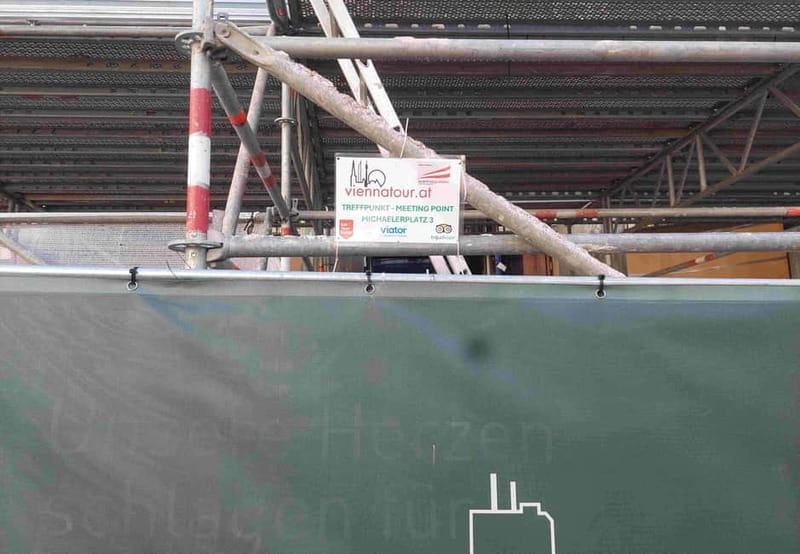
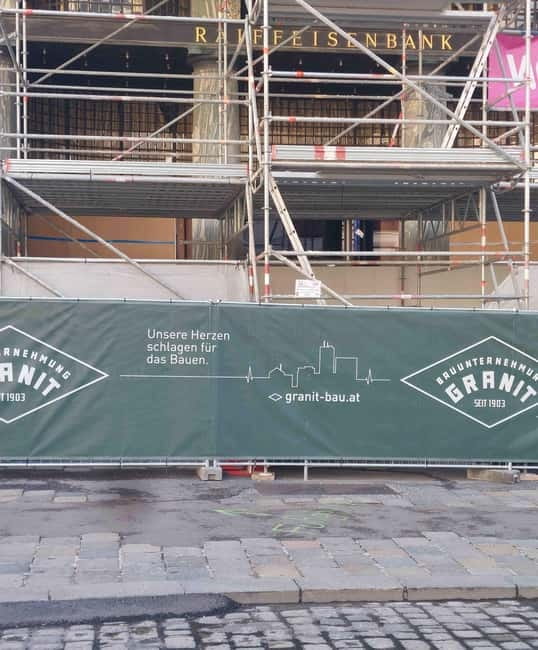
Your tour begins at Michaelerplatz 3, in front of Loos Haus. It is a super practical launch point, and if you are using transit, the Herrengasse metro station on the U3 line is about a 3-minute walk away. The building facade even shows the name Raiffeisenbank, which makes it easier to orient.
From there, the tour starts with Michaelerplatz Excavations. This is one of those “wait, we are standing on history” moments. You are not just looking at pretty facades. You get the idea that Vienna layers over itself, and that a place can keep being reused, rebuilt, and repurposed for centuries.
I like this opener because it sets a simple rule for the whole tour: you will learn what to notice, instead of just hearing trivia. In a place like Vienna, that is gold. It makes later stops in the city feel less like random sightseeing and more like following a thread.
Other ways to round out a Vienna visit

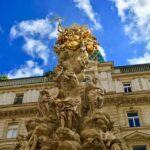

Michaelerplatz to the Hofburg: power, not just architecture
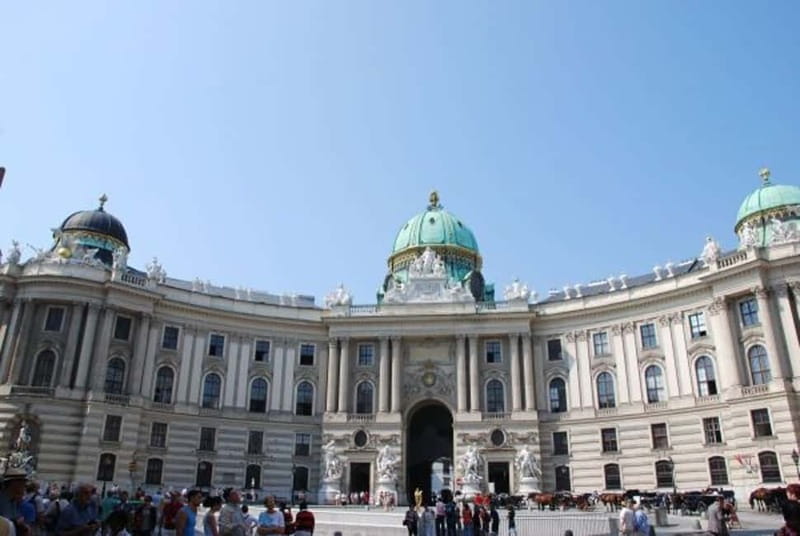
Next comes the Hofburg Palace area, the core of imperial rule. The guide puts real numbers on the scale, especially with the huge palace grounds of 555,000 square meters. That size matters. When you understand the Hofburg as a whole world, not a single building, it becomes easier to grasp why Vienna felt like the center of decision-making for so long.
You also get the story of why the area developed where it did, including the early question of why a castle was built here. Even if you are not a “castle person,” this part helps you read the city. You begin to see that architecture in Vienna often served as a stage for power, ceremony, and control.
Then the walk moves to Heldenplatz, the Heroes’ Square. The guide helps you look past the obvious view and into what sits behind those facades, including why the square is so large and what it has been used for. This is one reason the tour is such a good value for first-timers: it gives you an explanation for the city’s scale within a short time.
The Imperial Treasury stop that makes the empire feel real
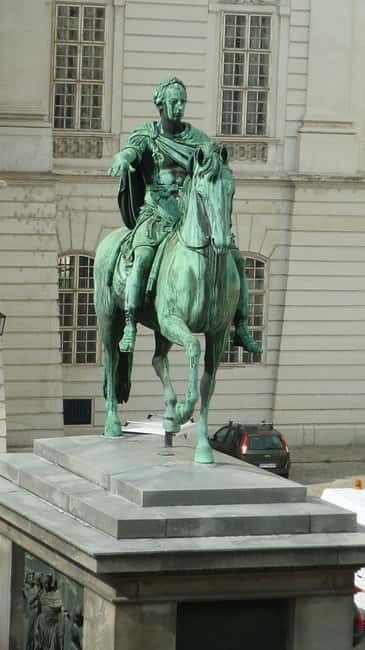
A big moment on the route is the Imperial Treasury, Vienna. This is the kind of place where it is easy to show up, take a look, and miss the larger meaning. On the tour, you learn why the treasury fits the Vienna story, and you learn what there is to see in the city beyond just the main monuments.
I like this stop because it acts like a bridge. You are still in the imperial zone, but the guide starts to connect objects, ritual, and rule. If you have ever wondered why Vienna takes old traditions so seriously, this is where it clicks.
Just keep one thing in mind: entrance fees are not included. So if the Imperial Treasury or the Albertina Museum require paid entry on your specific tour day, you will need to budget separately.
The Austrian National Library state room: symbols and a ruler’s name
Then comes the Austrian National Library with its state room. This stop is one of the most “Vienna” experiences you can get in a short walk, because it blends grandeur with meaning.
You will learn what the symbol on the roof represents, and you will also find out why the square is named after Emperor Joseph II. That last part matters. Vienna is full of names attached to buildings and spaces, and it is easy to treat them like labels. The tour helps you understand the labels as historical signals.
If you care about art and institutions, this is a highlight. If you do not, it still works because the guide frames it as why the building exists and what it communicates. You end up with a better sense of how the empire thought about culture, learning, and public image.
Beyond the palaces, the city keeps its own rhythm of coffee, concerts, and day trips nearby.
- Vienna: Vivaldi’s Four Seasons Concert in Karlskirche★ 4.7 · 14,951 reviews
- Vienna: Schönbrunn Palace & Gardens Skip-the-Line Tour★ 4.7 · 7,739 reviews
- Vienna: Light of Creation Votive Church Immersive Light Show★ 4.8 · 6,779 reviews
- Vienna Spanish Riding School Guided Tour★ 4.7 · 6,765 reviews
Albertina and the Monument Against War and Fascism: beauty with a bruise
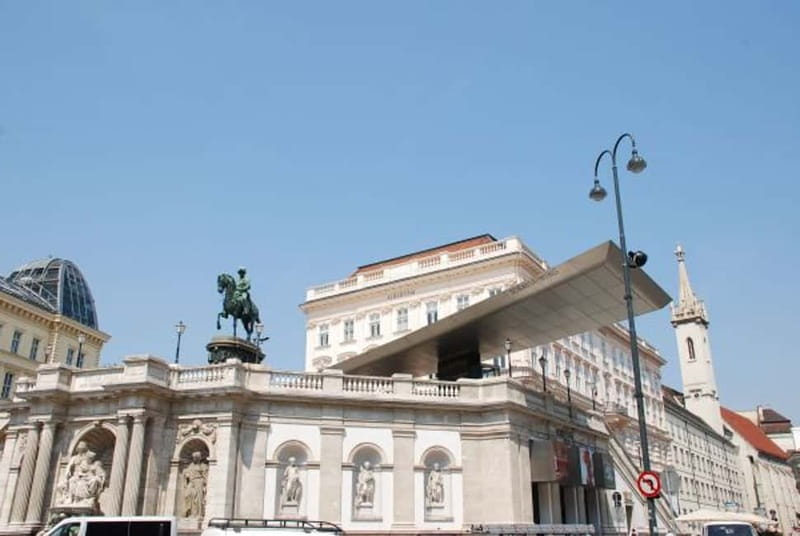
After the grand civic stops, the tour turns more serious. You pass by the Albertina and the Monument Against War and Fascism. The point is not to scare you. It is to connect what you see with what happened.
WW2 is part of the story here, and the guide helps you confront the horrors without making it feel like a classroom lecture. This is one of the most praised parts of the tour format: the way the guide keeps things understandable while still honoring the subject.
The Albertina itself is also a practical stop for art lovers. The guide explains that it is home to the largest graphical collection in the world. Even if you do not go inside on this tour, you now know what the building represents in the Vienna art world, which makes a future visit feel more intentional.
St. Michael’s Church and the Habsburg wedding clue
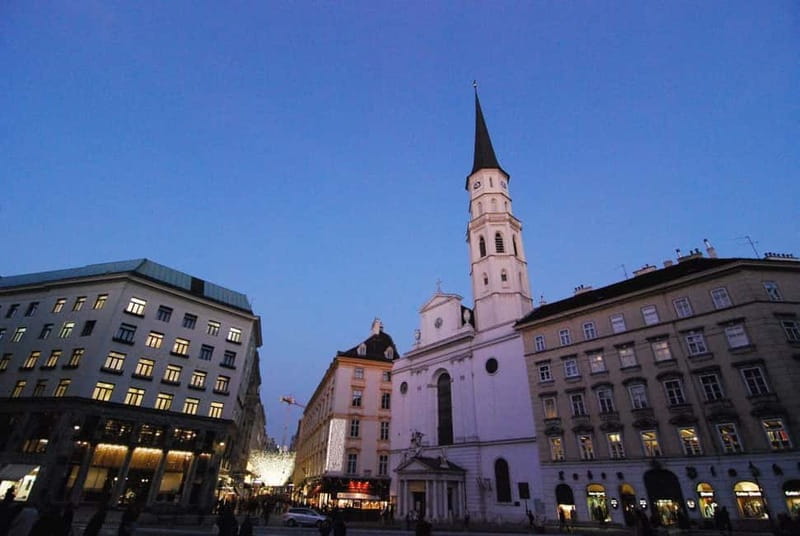
One of the best pieces of tour storytelling is the church where all Habsburg weddings were held. The guide adds specific, memorable details, including the fact that the groom was not present at some weddings. That is the kind of detail that makes history feel less like a list of facts and more like how people actually negotiated power, duty, and family arrangements.
There is also a practical note: this church is closed on Sundays and public holidays. If you are visiting on one of those days, expect the timing to shift, and you might not get the full effect of that particular stop.
The tour also includes St. Michael’s Church, described as Vienna’s third oldest church, with a mix of three architectural styles. Even if you are not a design nerd, the guide explains what you are looking at. That matters because mixed styles are easy to miss when you are just snapping photos.
Providentia Fountain and Neuer Markt: the lighter side of old Vienna
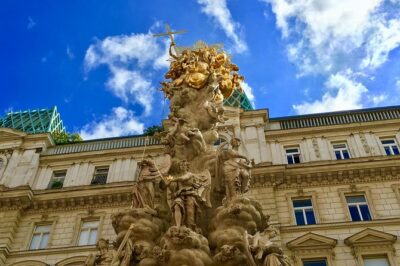
The tour does not stay heavy all the time. You also visit the Providentia Fountain at Neuer Markt, where the guide shares anecdotes. This is a smart pacing trick. After palace power and wartime memory, it helps to see a small, local landmark with a human story attached.
These “side” stops are not filler. They give you texture. They also help you remember the tour route later, because you can picture the fountain moment and then link it to nearby streets and spaces.
State Opera and the Hotel Sacher replacing the Carinthian Gate Theatre
At some point you stop at the State Opera area and learn why the Hotel Sacher now stands where the Carinthian Gate Theatre used to be. This is a classic Vienna theme: buildings change roles, names shift, and the city keeps moving.
Again, the value here is interpretive. You are not just hearing a fact. You are learning how to read a city where a site’s function can flip while the street history keeps echoing.
If you are a first-time visitor, this kind of “what used to be here” story is a cheat code. It helps you feel like you are in on the city’s inside jokes, even if you are seeing it for the first time.
Imperial Crypt burial ritual: the empire’s final paperwork
Near the end of the route, you visit the Imperial Crypt and hear about Habsburg burial ritual. This is one of those topics that sounds dry until the guide makes it tangible, including details about the burial tradition.
The big thing I like is that it does not turn into ghost-story drama. Instead, it connects ritual to empire thinking. If you understand how rulers wanted to be remembered, many Vienna monuments start to make sense as more than decoration.
Also, the tour gives context around what gets taught or simplified elsewhere. You hear that not everything learned in school is correct, which is a gentle nudge to keep your mind open. Vienna loves nuance, and this tour is built to deliver it fast.
Ending at St. Stephen’s Cathedral: what the landmark means
The walking tour ends at St. Stephen’s Cathedral, a true Vienna landmark. This is the moment where all the earlier stops start to click. You finish somewhere iconic, but the guide makes sure you understand why the cathedral matters in the broader story.
You also hear about its partial destruction during WW2. The guide then helps you separate the simplest version of the tale from the more accurate one, including why school summaries can miss details.
If you plan to keep exploring after the tour, St. Stephen’s is a great landing point. It is an obvious place to return to, and it gives you a clear “home base” feeling as you wander the surrounding streets.
Price and value: $34 for two hours that map your next days
At $34 per person for a 2-hour guided walk, this is the kind of price that makes sense if you are trying to save time and energy. You are covering a compact stretch of central sites tied to Austria’s big storylines: imperial institutions, cultural symbols, ceremony, and the city’s wartime memory.
The key value is not that you see many places. You see fewer than if you do a hop-on hop-off bus day. The value is that you walk away with context that makes independent visits easier. Several people have mentioned the tour helped them plan later museum stops. I found the same effect in how I would use it: you are primed to recognize what a building is trying to tell you.
Entrance fees are not included, so add a little extra for any places where you decide to go in fully. But the core tour does the interpretive heavy lifting for you.
Who should book, and who should skip it
This tour fits best if you want a first-day orientation with serious themes handled in a human way. It also works well for people who like stories with humor. Guides such as Herbert (Herbert Stojaspal is listed as the provider) and others have been praised for dry humor and for using an iPad with photos at each stop, which helps you visualize what you are hearing.
It is not a fit if:
- you have mobility impairments, since the route is a walking tour
- you travel with children under 12
- you need to bring large luggage, since luggage or large bags are not allowed
- you want to record video or audio, because video recording and audio recording are not allowed
One more practical tip: the tour runs in all weather. So wear shoes you trust and bring a layer. The schedule does not care about drizzle.
Practical route notes so you are not hunting the group
Here is what you will want ready:
- Meeting point: in front of Loos Haus, Michaelerplatz 3, between Kohlmarkt and Herrengasse, near U3 Herrengasse metro
- Meeting time: arrive a bit early so you can spot the group easily
- Ending point: Stephansplatz 8A, 1010 Wien, Österreich
Also, the tour is in a small group. In my book, that is a big part of the quality. It makes the tour feel like a conversation rather than a marching lecture.
The guides are English or German, and you get a live guide the whole way.
Should you book Vienna: Essential History Walking Tour?
Yes, if you want a tight, well-paced history walk that gives you the meaning behind Vienna’s top sights without turning it into a textbook. I think it is especially worth it on a first visit, because it builds a mental map fast, and you will know what to prioritize later.
I would hesitate only if you are sensitive to darker themes, or if your day falls on a Sunday or public holiday and you were hoping for the full Habsburg wedding church stop. But even then, the route still covers the imperial core, the library state-room experience, WW2 memory at the Albertina area, and a strong finish at St. Stephen’s.
If you like history with stories, and you want help turning buildings into context, this is a smart, high-value booking.
Latest Additions
- Wachau Valley Private Wine Tour with Tasting and Gourmet Lunch
★ 5.0 · 1 review - Vienna: Danube Valley Tour with Melk, Dürnstein with wine tasting and boat.
★ 5.0 · 1 review - Private city tour in Vienna
★ 5.0 · 1 review - Hallstatt Small Group Day Trip from Vienna
★ 3.0 · 1 review - Inside Freud’s Mind: Self-Guided Mystery Walk in Vienna
★ 4.0 · 1 review - Private Transfer from Vienna to Prague
★ 5.0 · 1 review - Vienna’s Christmas Market Magic Tour
★ 5.0 · 1 review
Historical Tours, compared.

Vienna Historic Center Small Group Walking Tour
Read our review →
Time Travel-Magic Vienna History Tour Ticket
Read our review →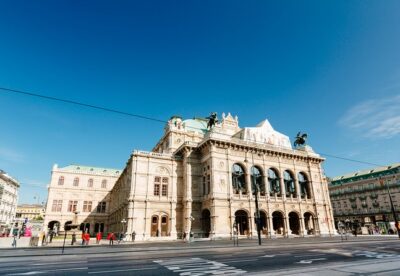
Skip-the-Line Schonbrunn Palace Guided Tour and Vienna Historical City Tour
Read our review →
Vienna Mozart Concert in Historical Costumes at the Musikverein
Read our review →
Browse the lists this tour appears in