
Reviewed · OLD TOWN DISCOVERY TOURS
Vienna Historic Center Small Group Walking Tour
A fast way to read Vienna. This small-group walking tour covers the Historic Center with a capped size of 15, plus audio devices so you can actually hear the stories as you go. I also like how it gives you a tight first-day route from Maria-Theresien-Platz to St. Stephen’s Cathedral. One consideration: it is mostly an outdoor, outside-the-buildings experience, so you should not expect museum entry tickets.
What makes it especially useful is the way the guide connects big sights with the human stories behind them. Names you might hear in the group include Dace, Giselle, Gabriela, and Beatrice, and the reviews consistently highlight their humor and the way they keep things lively while you move quickly between major landmarks.
Since it is 2 hours 30 minutes of city walking, you will want to plan for a lot of steps, and good shoes matter. The tour is not recommended for people with walking disorders, and it needs decent weather. Also, while you may stop at churches and possibly some indoor spots depending on weekday, it does not include entry into museums.
In This Review
- Key highlights to know before you go
- A 2.5-hour Vienna route that actually fits real travel time
- Starting at Maria-Theresien-Platz, the tour sets up your bearings fast
- Ringstrasse and the grand buildings that explain Vienna’s 19th-century makeover
- Burgtor and the Hofburg complex: when imperial Vienna comes into focus
- Heldenplatz, St. Michael’s Church, and the city’s story in layers
- Rathaus and Vienna’s civic theater
- Burgtheater and the Vienna of writers, composers, and coffee
- Volksgarten and the smaller details you will actually remember
- Beethoven Pasqualatihaus, Palais Ferstel, and why Vienna’s science matters
- Freyung, Graben and Kohlmarkt: the walk becomes shopping, people-watching, and energy
- Finishing at Stephansplatz and St. Stephen’s Cathedral, then going your own way
- Value for $72.56: what you are really paying for
- Practical tips that make this walk feel easy instead of exhausting
- Should you book this Vienna Historic Center small-group walk?
- FAQ
- How long is the Vienna Historic Center Small Group Walking Tour?
- How large is the group?
- What language is the tour offered in?
- Is this tour focused on museums?
- Where does the tour start and end?
- Do we get audio devices?
- Is the ticket mobile?
- What fitness level is recommended?
- Does the tour run in bad weather?
- Can I cancel for a full refund?
Key highlights to know before you go
- 15-person cap means easier questions and a guide who can keep the group together
- Audio devices help you hear commentary even in busy streets
- Ringstrasse and Hofburg give you the imperial Vienna story in one compact loop
- No museum interiors keeps the pacing brisk and geared for first-time orientation
- End at Stephansplatz and St. Stephen’s Cathedral so you can roam on your own after
A 2.5-hour Vienna route that actually fits real travel time
If your Vienna plan is split between museums, concerts, and meals, this kind of tour earns its place fast. In 2 hours 30 minutes, you get the layout of the center, the major landmarks, and the historical context that helps the buildings make sense.
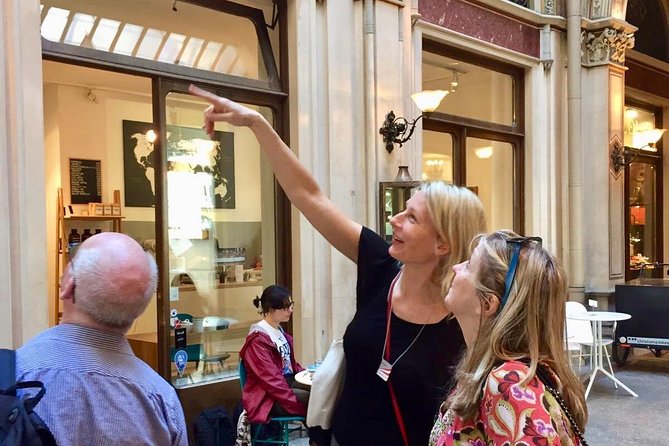
The small-group format matters more than you might think. With up to 15 people, your guide can steer around slow crowds, pause for questions, and keep the walk feeling like a conversation rather than a lecture with headsets.
You also get practical “what to look for” guidance. Think of it as learning how to see Vienna, not just where things are.
Get your bearings in the old town
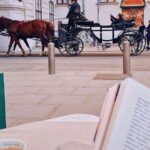
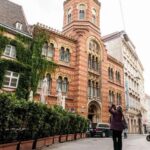
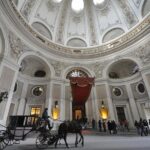
Starting at Maria-Theresien-Platz, the tour sets up your bearings fast
Your meet-up point is Maria-Theresien-Platz, right in the Historic Center. This square is a great launchpad because it sits between the Museumsquartier area and the Ringstrasse boulevard system, so you can shift from grand architecture into the city’s power-and-policy zone quickly.
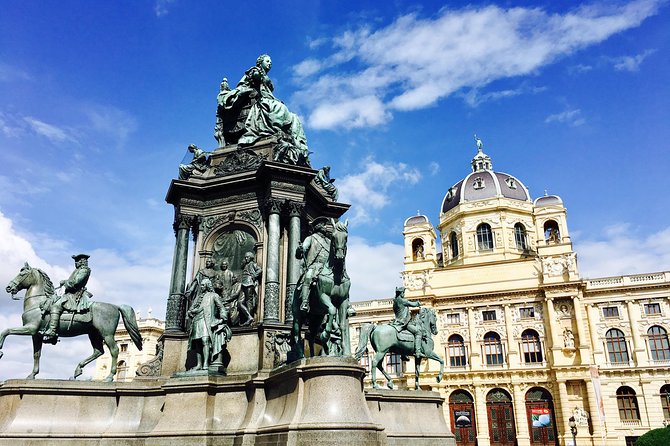
From here, you start with Maria-Theresien-Platz itself, including the view of the two twin museums opposite each other, the Natural History Museum and the Art History Museum. Even without going inside, that “twin buildings” design gives you a strong visual anchor for the rest of the walk.
Then you step right into the story behind the centerpiece: the large statue of Empress Maria Theresa. The monument is not just decoration. It is the kind of marker that helps you understand why so many buildings along Ringstrasse look the way they do, and why Vienna takes rulers and reforms seriously.
Ringstrasse and the grand buildings that explain Vienna’s 19th-century makeover
After the square, the route takes you onto Ringstrasse, the circular boulevard that replaced the medieval fortifications in the second half of the 19th century. You get to see the grand “wraparound Vienna” effect immediately, which is harder to appreciate if you just stumble around downtown without a map.
Ringstrasse is also designated as part of a UNESCO World Heritage Site. The best part of walking it with a guide is that you do not need to memorize anything. You simply start noticing architecture styles as you pass: Classical details, Gothic shapes, Renaissance forms, and Baroque flourishes all show up along the ring.
You will also pass key civic and cultural power buildings along the way. The route includes highlights like the neo-Gothic Town Hall and the Austrian Parliament Building, which helps you connect Vienna’s elegance to how the city actually runs.
A quick note on pacing: you will be moving, so I like this approach for people on a tight schedule. It is not meant to be slow and museum-like.
Burgtor and the Hofburg complex: when imperial Vienna comes into focus
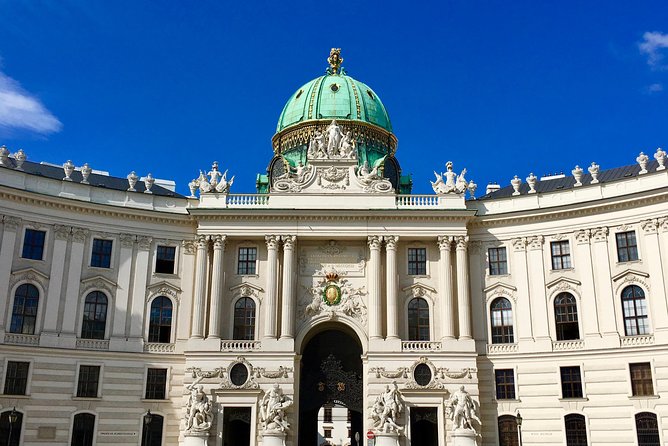
One of the most visually striking moments is the stop at Burgtor, the neoclassical main castle gate built after the Napoleonic wars. Even if you have never studied European history, the scale of this kind of gateway communicates authority.
From there, you head into the Hofburg area. The Hofburg is described as the former imperial palace of the Habsburgs and the historic center of power in Vienna, and the guide spends time explaining how it developed over centuries and what it means in modern Austria.
One story you are likely to hear is tied to the Neu Castle area, where Adolf Hitler proclaimed the Anschluss of Austria into the Third Reich from a balcony. That is heavy material, but it is also exactly the kind of context that makes the buildings more than postcard backdrops.
You get time to look around the Hofburg itself, including courtyards and façades. This is where I find the tour particularly valuable, because the palace grounds are big enough that you can wander the area on your own later, but having a guided narrative first makes your independent exploring smarter.
Other ways to round out a Vienna visit
- Vienna: Time Travel and Magic Vienna History Tour★ 4.6 · 3,879 reviews
- Vienna: World War II Historical Walking Tour★ 4.8 · 1,772 reviews
- Time Travel-Magic Vienna History Tour Ticket★ 4.5 · 1,099 reviews
- Skip-the-Line Schonbrunn Palace Guided Tour and Vienna Historical City Tour★ 3.5 · 940 reviews
Heldenplatz, St. Michael’s Church, and the city’s story in layers
After Hofburg, you reach Heldenplatz, Heroes Square, attached to the city after an old bastion was demolished during the Napoleonic wars. This stop works well because it connects military engineering and public space, two things Vienna often merges in surprising ways.
From there, the route includes St. Michael’s Church, with roots dating back to 1220. Even without going inside, the age of the building changes how you interpret everything around it. Vienna is not just pretty architecture, it is architecture built over time, with different eras stacked together.
You also pass an Office of the Federal Chancellor of Austria, a good reminder that modern governance lives right inside the historic layout.
Rathaus and Vienna’s civic theater
Next up is Vienna’s Rathaus, the neo-Gothic City Hall. It’s an excellent stop because you can read the building from the outside and understand why it feels so theatrical. It also frames the whole idea of Vienna as a place where public institutions are meant to look important.
The tour then continues through the historic center, with time meant for you to absorb the big picture and connect earlier Ringstrasse impressions to what you see deeper in the core. This is not an “only photos” walk. The guide gives enough context that you leave feeling like you understand what you are looking at.
A point worth calling out, based on what people emphasize in feedback: the guides often bring the city to life with humor, quick anecdotes, and practical explanations. Names like Dace and Giselle show up repeatedly in the feedback, and the common theme is that you feel cared for, kept on time, and encouraged to ask questions.
Burgtheater and the Vienna of writers, composers, and coffee
You will also stop at Burgtheater, described as one of the best theaters in the world. Again, this is an outside view, but it still matters. Burgtheater is part of Vienna’s cultural identity, and seeing it on foot helps you understand why the Ringstrasse area is full of institutions that represent both politics and the arts.
One of the most “Vienna” moments on this walk is the coffee-house angle. The route includes a mention of how writers, composers, architects, painters, psychoanalysts, and revolutionaries met here once over coffee, cake, and a cigar, in what the route describes as one of Vienna’s most beautiful coffee houses.
Even if you only treat coffee as a break, this kind of stop changes your mental picture of the city. Vienna is not only emperors and emperors’ palaces. It is also late conversations, ideas in public places, and culture built into daily rhythms.
And yes, if you are a coffee lover, you are likely to want to keep the theme going after the tour. This walk gives you enough location context that you can choose your own café next.
Volksgarten and the smaller details you will actually remember
Volksgarten is a key “slow down for a moment” section. You get the Theseus Temple at the center of the park, which is described as a small replica of the Hephaestion in Athens. That kind of cross-city reference is exactly what a guided walk helps with, because it tells you what you are seeing, instead of leaving you to guess.
The tour also connects the park to café life. The route mentions the Cortisches coffee house in Volksgarten as a popular place where Johann Strauss used to play his waltzes. Even if you do not sit for long, the story gives you a real sense of why Vienna’s music culture feels so tied to place.
After this, the walk shifts from parks to famous residences and education, which keeps the itinerary from turning into “only imperial Vienna.”
Beethoven Pasqualatihaus, Palais Ferstel, and why Vienna’s science matters
Beethoven Pasqualatihaus is next. This former residence is described as being on an exposed position on the ramp of the former town fortifications. If you like music history, this stop is a great breather because it brings Vienna back down from palaces to one person and one life.
Then you pass Palais Ferstel. It originally housed the Austro-Hungarian National Bank and the Stock Exchange, so it is not just pretty. It is built for money and systems, which helps explain why Vienna’s elegance often shows up in business and public architecture as much as in palaces.
One of the smartest stops for modern-minded visitors is Universitat Wien. The guide talks about groundbreaking minds connected to the university, including Sigmund Freud and Lise Meitner, described as a brilliant Jewish physicist whose work changed modern science. This is one of the tour moments where you might feel Vienna is teaching you a different side of itself, not only art and empire, but ideas and discoveries.
Freyung, Graben and Kohlmarkt: the walk becomes shopping, people-watching, and energy
Freyung is a short stop that pays off. The square is described as one of the oldest in Vienna’s city center, with an intimate and picturesque atmosphere. It is a nice contrast after larger monuments and institutional buildings, and it helps you reset before the final approach into the most central areas.
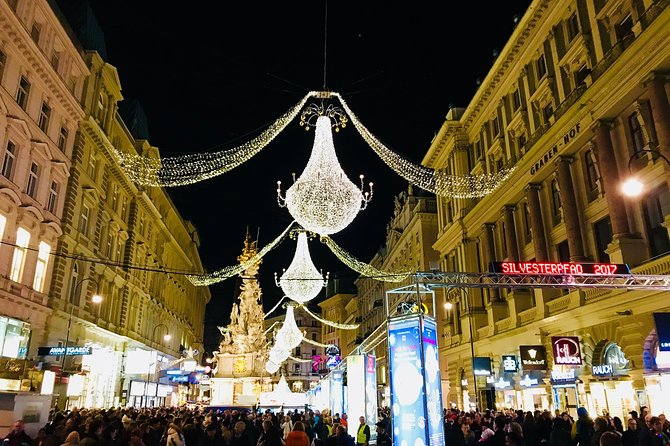
Then you move onto Graben and Kohlmarkt, described as the most elegant pedestrian street in Vienna. This is where the city’s center feels most alive under foot. It is also a practical advantage because you are walking through the area where it is easy to continue your day after the tour without needing a tram or metro.
The route ends by returning to the cathedral zone with Stephansplatz.
Finishing at Stephansplatz and St. Stephen’s Cathedral, then going your own way
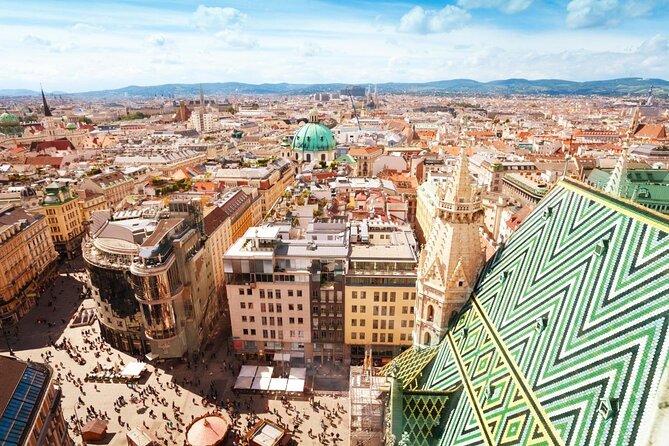
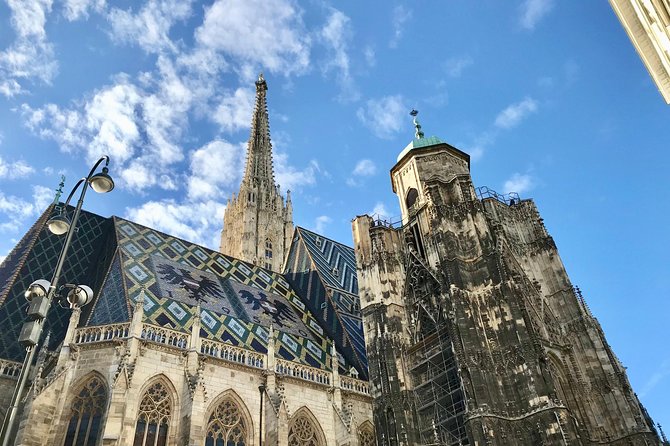
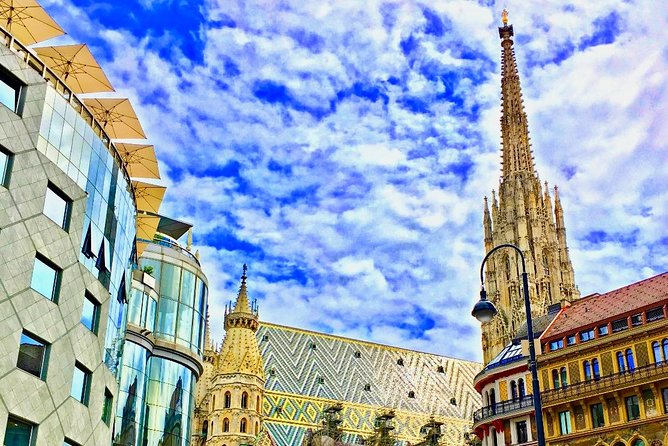
Stephansplatz is described as the heart and soul of Vienna, and that claim makes sense once you have walked in from different directions. You reach St. Stephen’s Cathedral, Vienna’s most famous landmark, with the tour ending right there.
You get the cathedral view as the final payoff, and then you are free to explore further on your own. Since the tour does not include entry into museums, this ending feels well chosen. It gives you a major place to continue roaming without forcing you into another ticket line.
Also, the route includes mention of Vienna State Opera during the tour journey. Even if you only spot it from the outside, it is worth noticing because the opera sits right inside the Ringstrasse “grand institutions” theme you have been seeing all along.
Value for $72.56: what you are really paying for
This tour costs $72.56 per person and runs about 2 hours 30 minutes. You might wonder why pay for a walking tour when you could just map a route yourself.
Here is the value breakdown that matters in real life:
- You pay for interpretation. The guide ties buildings to power, reforms, and everyday culture, so you see more than the skyline.
- You pay for direction. Your time is limited, and the route is designed to hit major landmarks efficiently.
- You pay for sound. Audio devices help you hear the guide clearly, which is a big quality difference when streets get crowded.
- You pay for group size. A max of 15 keeps it personal enough to ask questions.
One tradeoff is that you do not go inside museums. The experience is designed as a mostly outdoor tour, focused on stories, history, and atmosphere. Depending on weekday, you might visit some churches and some indoor locations like palaces, university, or a café, but you should still plan around an outside-walk style.
For first-time visitors, or anyone who wants a clear “what matters here” overview, this is often a smart buy. For people who want only interiors and tickets, it may feel too light.
Practical tips that make this walk feel easy instead of exhausting
Wear comfortable shoes and expect a steady pace. One review highlights that the walk added up to about 14,000 steps for at least one group, and that lines up with the length plus the number of landmark stops.
Bring layers. This is an outdoor-centered tour and it requires good weather. If it is chilly or wet, you will be glad you planned ahead.
Use the audio devices correctly. Keep them in place and adjust the volume so you are not constantly turning your head to hear. That improves the experience a lot.
Come with questions in mind. The small-group cap makes it easier to ask about emperors, architecture styles, or why Vienna feels the way it does. Guides like Dace and Giselle stand out in feedback for being friendly and fun while still staying on track.
Finally, do not treat it as the only thing you will do. Instead, treat it as your starting layer. After you finish at St. Stephen’s Cathedral, you will be better at choosing what to see next, where to eat, and how to navigate without second-guessing.
Should you book this Vienna Historic Center small-group walk?
Book it if you want a fast, guided orientation to Vienna’s core sights, especially if it is your first day or you have limited time. The small-group size, audio devices, and the way the guide connects major sites like Ringstrasse, Hofburg, and St. Stephen’s Cathedral make it a high-impact start.
Skip it or consider another option if you mainly care about museum interiors, because this experience does not visit the inside of any museums. Also skip if you have walking limitations, since the tour requires moderate physical fitness and is designed for an active pace.
If you want Vienna to feel readable by the end of the day, not just seen, this is a strong choice.
FAQ
How long is the Vienna Historic Center Small Group Walking Tour?
The tour lasts about 2 hours 30 minutes.
How large is the group?
The group is capped at a maximum of 15 travelers.
What language is the tour offered in?
The tour is offered in English.
Is this tour focused on museums?
No. The tour does not visit the inside of any museums. It is mostly an outdoor experience, though it may include churches and, depending on weekday, some indoor locations such as palaces, university, or a café.
Where does the tour start and end?
It starts at Maria-Theresien-Platz, Wien, Austria and ends at Stephansplatz, 1010 Wien, Austria, with St. Stephen’s Cathedral as the final landmark area.
Do we get audio devices?
Yes. Audio devices are provided so everyone in the group can hear the guide.
Is the ticket mobile?
Yes, the tour uses a mobile ticket.
What fitness level is recommended?
The tour is meant for travelers with a moderate physical fitness level. It is not recommended for travelers with walking disorders.
Does the tour run in bad weather?
The tour requires good weather. If it is canceled due to poor weather, you will be offered a different date or a full refund.
Can I cancel for a full refund?
Yes. You can cancel for a full refund up to 24 hours before the experience starts. If you cancel less than 24 hours in advance, the amount paid is not refunded.
More Walking Tours in Vienna
- Vienna: Guided Walking Tour of City Center Highlights
★ 4.7 · 4,989 reviews - Vienna: Vienna Central Cemetery Guided Walking Tour
★ 4.8 · 3,307 reviews - Vienna: Guided Walking Tour of City Highlights & Hidden Gems
★ 4.9 · 2,180 reviews - Vienna: Viennese Underworld Guided Walking Tour
★ 4.7 · 1,865 reviews - Vienna: Private Walking Tour with a Local
★ 4.6 · 1,446 reviews
Latest Additions
- Wachau Valley Private Wine Tour with Tasting and Gourmet Lunch
★ 5.0 · 1 review - Vienna: Danube Valley Tour with Melk, Dürnstein with wine tasting and boat.
★ 5.0 · 1 review - Private city tour in Vienna
★ 5.0 · 1 review - Hallstatt Small Group Day Trip from Vienna
★ 3.0 · 1 review - Inside Freud’s Mind: Self-Guided Mystery Walk in Vienna
★ 4.0 · 1 review - Private Transfer from Vienna to Prague
★ 5.0 · 1 review - Vienna’s Christmas Market Magic Tour
★ 5.0 · 1 review
Old Town Discovery Tours, compared.
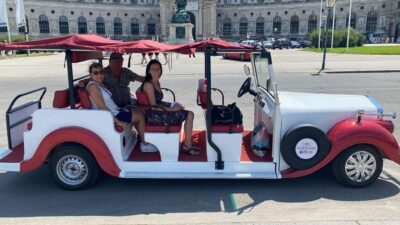
Old Town Sightseeing Tour in a Vintage-Style E-Car
Read our review →
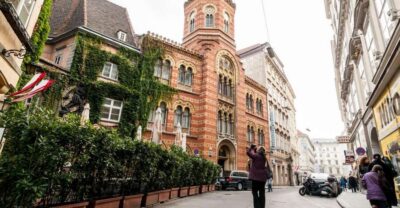
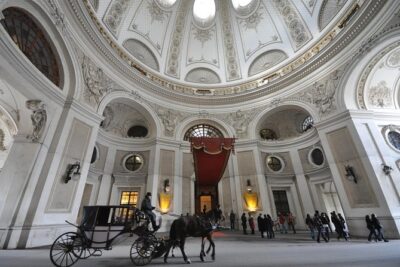
Exclusive Vienna Old Town Highlights Walking Tour (max. 6 persons)
Read our review →


Vienna’s Old Town and Attractions Self-Guided Tour Booklet
Read our review →Browse the lists this tour appears in