
Reviewed · HISTORICAL TOURS
Vienna: World War II Historical Walking Tour
Vienna turns somber fast. This 2.5-hour WWII historical walking tour uses the streets and surviving landmarks to explain how Vienna’s politics, fear, and antisemitism shaped Hitler’s path to power. I like that it includes the only synagogue that survived the Nazi regime, and I also love how the walk lands on Vienna’s Holocaust memorial instead of treating the topic like a lecture. One drawback to plan for is the distance and the emotional weight, so wear comfy shoes and mentally prepare for a heavy subject.
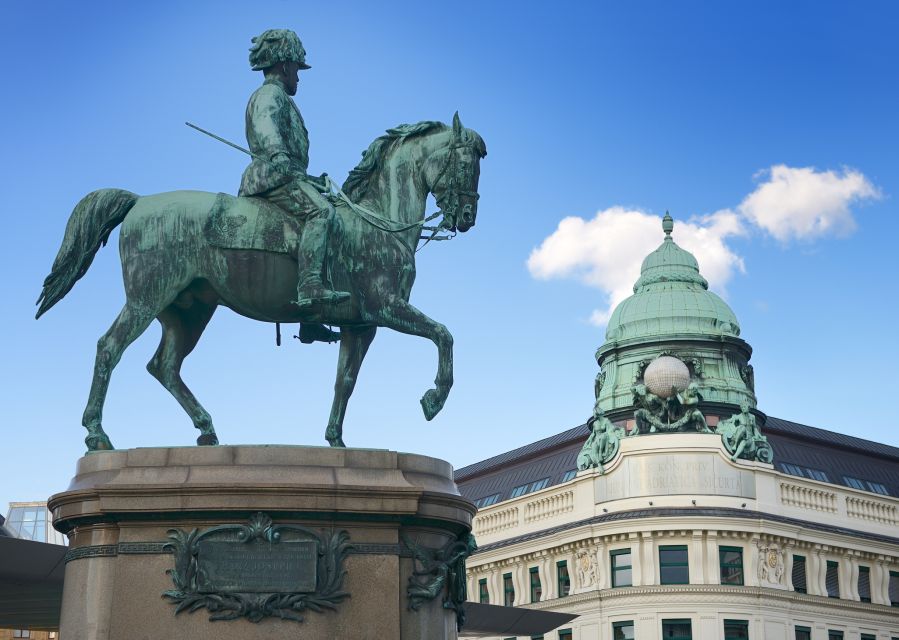
You’ll meet by the green umbrella at Albrechtsbrunnen (downstairs at the Albertina Museum, next to the Opera House, Karlsplatz/Oper). The tour starts right near the Opera House area, runs 150 minutes, and focuses on what bombs did to the city, what happened to Vienna’s Jewish community as fear took over, and how the Allies split Vienna into zones after the war. At $31 per person, it’s strong value for a guided route, but entrances to any sites are not included, so don’t assume you’ll get in everywhere.
In This Review
- Key things I’d prioritize on this Vienna WWII tour
- Why Vienna’s WWII story starts at the Albertina and the Opera House
- Following Hitler from Vienna’s streets to dangerous ideas
- Bomb scars and the math of destruction over 100,000 strikes
- The synagogue stop that survived the Nazi regime
- The Holocaust memorial, and why the guide keeps it human
- Postwar Vienna’s division, and the Allied zones idea
- Tour pace, guide style, and what to bring
- Price check: what $31 per person really buys you
- Who this Vienna WWII walking tour suits best
- Should you book this Vienna WWII historical walking tour?
- FAQ
- How long is the Vienna World War II historical walking tour?
- Where do I meet the guide?
- What does the tour include?
- Are attraction entrances included?
- What language is the tour in?
- What is the main focus of the tour?
Key things I’d prioritize on this Vienna WWII tour
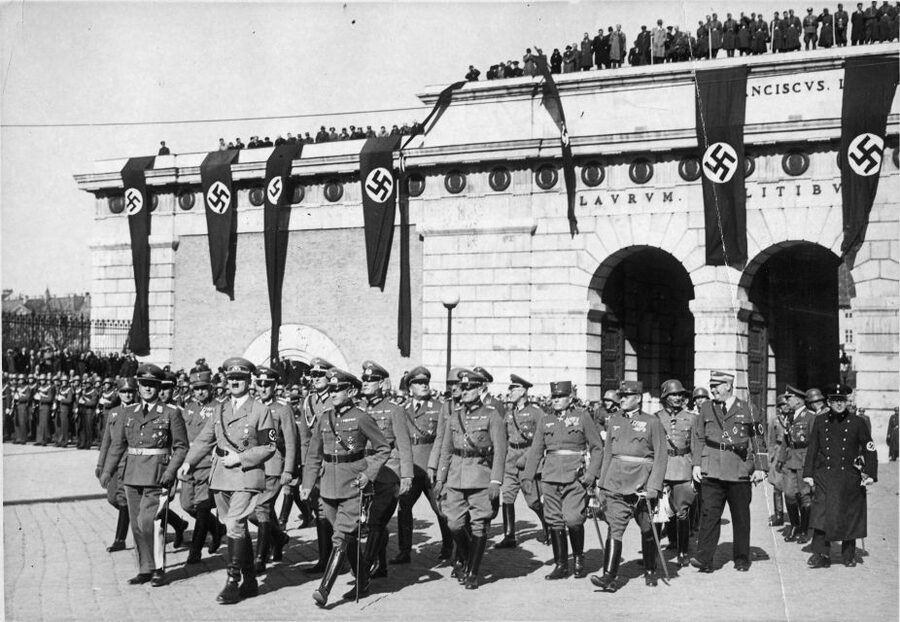
- Hitler’s Vienna origin story, tied to what was happening socially and politically as he matured
- A surviving synagogue stop, not a placeholder or a recreated site
- Holocaust memorial time that keeps the focus on victims, not just events
- WWII damage in plain sight, including how widespread bombing affected everyday life
- Postwar Vienna’s division, explained through the Allied occupation zones
Why Vienna’s WWII story starts at the Albertina and the Opera House
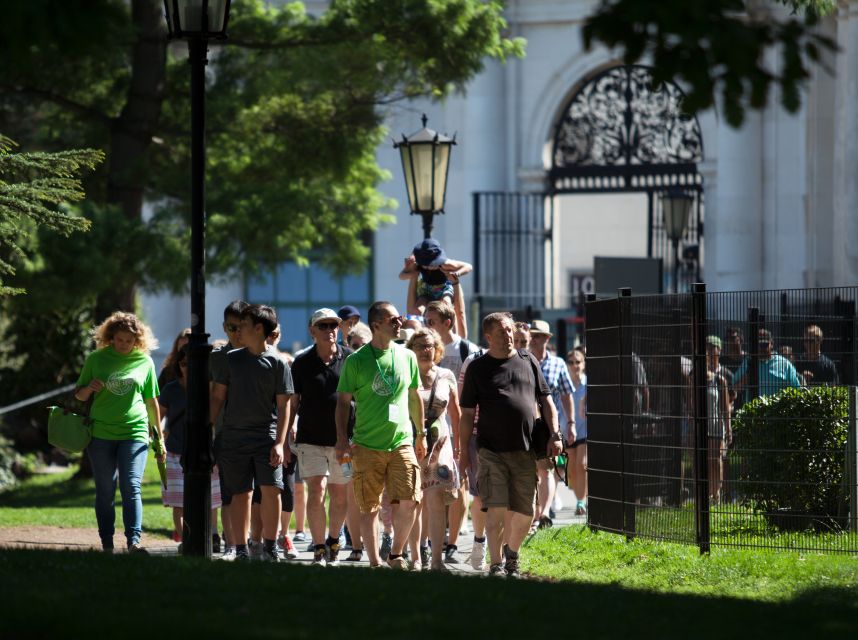
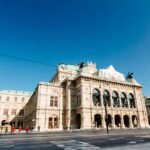
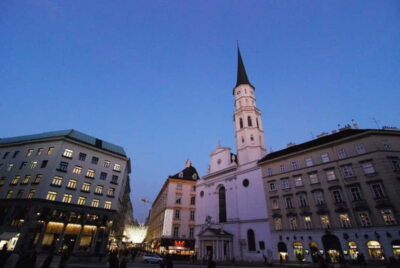
The meeting point alone tells you a lot about the tour’s approach. You start in the Opera House area, right by the Albertina Museum, which means you’re beginning in a part of Vienna that still looks world-class and cultured. Then the guide uses that contrast to show how easily art, politics, and public life can be warped when fear and propaganda gain traction.
I like tours that don’t just point at plaques. This one is set up to connect the city’s big public spaces to the private, dangerous ideas growing in real people at the time. That is part of why the walking format matters. You’re moving through the same streets and city scale that shaped daily life, not just standing still while a timeline scrolls by.
You also get a clear structure: a live, English-speaking guide for 150 minutes, with a route that is meant to keep you hearing the story without getting stuck in one spot too long. If you’ve ever done a history tour where you spend most of the time craning your neck, you’ll likely appreciate the pacing choices mentioned by multiple guides on this format.
Other ways to round out a Vienna visit


Following Hitler from Vienna’s streets to dangerous ideas
This tour’s core goal is to explain how a young Adolf Hitler formed his thinking in Vienna, and why that mattered. You’ll hear about his early years and how his ideology developed, including the step from an art student mindset to someone who became a feared dictator. The guide’s job here is not to sensationalize. It’s to explain the social and political climate that fed those ideas and made them easier to act on.
One reason this works well is that Vienna isn’t treated as a simple backdrop. The story is about influence: how ethnic rivalry, fear, and the broader breakdown of trust in society helped extremist ideas take root. In other words, the tour is not only asking what Hitler did. It’s also asking why the environment made certain actions feel possible to people around him.
If you have even a basic timeline of World War II, you’ll still likely find value here. The guide connects the dots between the city’s atmosphere and the direction Hitler took, instead of keeping Vienna as a one-line footnote. Guides named Dieter, Dietr, Stefan, Michael, and Wolfgang show up in past tours, and the common thread in those accounts is that they tell the story in context, not as isolated facts.
Also, many participants mention audio headsets for larger groups. That matters more than it sounds. When you can clearly hear the guide without keeping a tight distance, you can actually look at the streets and buildings instead of focusing only on voice volume.
Bomb scars and the math of destruction over 100,000 strikes
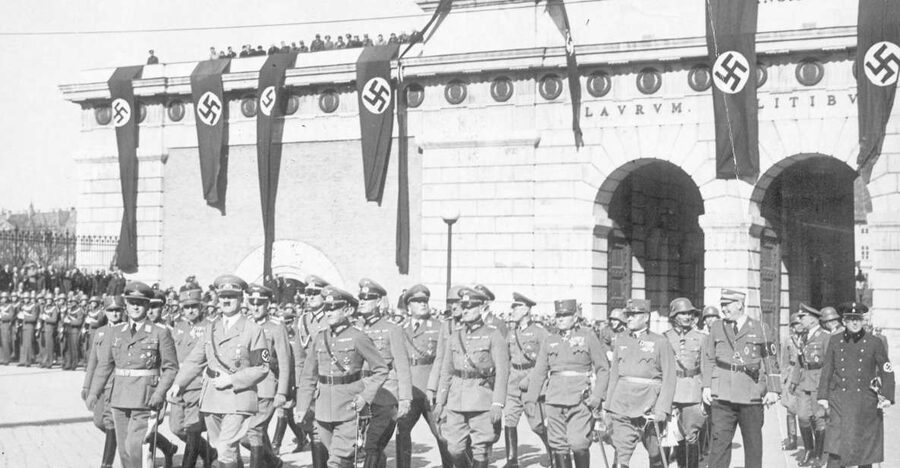
World War II changed Vienna in ways you can still sense if you know what you’re looking for. This walk includes discussion of the effect of more than 100,000 bombs on the city, and it points out the kind of scars that conflict leaves behind. The point is not graphic detail for its own sake. It’s scale.
Hearing that number and then seeing how a city rebuilds around trauma gives the story a second layer. Vienna doesn’t look like a battlefield today, but the architecture and the urban texture can still carry the imprint of destruction and repair. Even when the exact damage isn’t obvious at first glance, the guide helps you interpret what the city endured and what that endurance meant for ordinary people.
A practical benefit here is how the tour handles pacing around heavy topics. Some past groups mention pauses built into the route, including shelter at times when weather turned. That’s important on a 2.5-hour walk because you need mental room. WWII history is intense, and you’ll absorb more if your feet and head are both in working order.
The synagogue stop that survived the Nazi regime
One of the tour’s strongest highlights is the stop at the only synagogue that survived the Nazi regime. That single detail reframes the whole story, because it adds survival to a narrative that can otherwise feel like only loss and disappearance.
You get more than a sightseeing moment. The guide places the synagogue into the broader context of Vienna’s Jewish community and what happened when fear and ethnic rivalry took hold. The tour connects policy, social pressure, and violence, then anchors it in a physical place that carries history forward.
This is the kind of stop that sticks with you because it answers a question many people carry into the topic: what did continuity look like when so much was meant to be erased? Standing where a community presence endured forces you to think about agency and survival, not only about what was destroyed.
If you’re the type who likes history tied to specific sites, this is likely your favorite part. If you prefer more overview material and fewer solemn moments, you may find this section intense, but it is essential to the tour’s balance.
Beyond the palaces, the city keeps its own rhythm of coffee, concerts, and day trips nearby.
- Vienna: Vivaldi’s Four Seasons Concert in Karlskirche★ 4.7 · 14,951 reviews
- Vienna: Schönbrunn Palace & Gardens Skip-the-Line Tour★ 4.7 · 7,739 reviews
- Vienna: Light of Creation Votive Church Immersive Light Show★ 4.8 · 6,779 reviews
- Vienna Spanish Riding School Guided Tour★ 4.7 · 6,765 reviews
The Holocaust memorial, and why the guide keeps it human
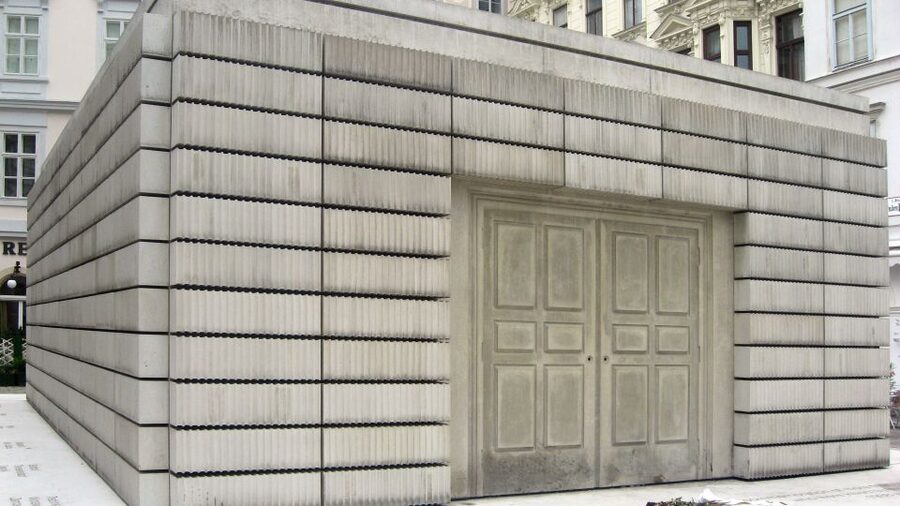
The tour includes a visit to Vienna’s somber Holocaust memorial. This is where the walk shifts from explaining mechanisms to honoring impact. The guide’s job is delicate: you need context, but you also need respect and focus.
I appreciate that the tour does not treat the Holocaust memorial as just another “check the box” stop. The story is framed so you understand what led to genocide and what it meant for the people targeted. That matters because people often leave WWII tours with dates stuck in their heads but no emotional grounding.
Several participants highlight how guides handle complex and difficult history with sensitivity, and that style shows up in how the memorial moment is delivered. You’re guided to think, not just to absorb. If you like when a guide asks thoughtful questions while you walk, you’ll probably enjoy this portion.
There is also a practical side: this is the part where you may want to slow down physically. Bring a mindset that allows you to stand, look, and process. If you try to treat the memorial like a quick photo opportunity, you’ll miss the point.
Postwar Vienna’s division, and the Allied zones idea
After World War II, Vienna was divided in a way that feels almost abstract until you hear it explained clearly. This tour covers how Vienna was split, and it emphasizes a specific detail: Vienna was the only city in the world where the Allied powers managed a zone together.
That line is a powerful teaching tool. It challenges the idea that postwar occupation always looks the same everywhere. Vienna becomes a case study in competing interests, political bargaining, and the long afterlife of war. You see how a city can remain not just physically scarred, but administratively fractured.
This is also where the tour’s walking format helps. Rather than memorizing a chart, you’re experiencing the city as a lived space that had to function while it was politically partitioned. Even if you never fully picture every boundary line, you understand the idea: the war did not end on a single day. It rearranged daily life.
If you want a tour that connects WWII events to the longer story of how Europe reorganized afterward, this stop is a big part of why the walk earns its high rating. The guides often focus on context and interpretation, and the Allied zones topic is one of those “wait, that’s unusual” moments.
Tour pace, guide style, and what to bring
This is a 150-minute walking tour, so the biggest “logistics” issue is footwear and weather. You’ll cover a route that includes several stops, but it’s not an all-day trek. Past participants mention the walking distance as doable, around 4 km in some cases, and that the guides include breaks and opportunities to sit.
What I’d bring:
- Comfortable walking shoes (seriously, this is your only real job)
- A jacket or layers, since winter mornings or evenings can feel sharp in Vienna
- A small bottle of water if you like to sip during pauses
Now, about guide delivery. One theme in the strongest feedback is how guides sound like storytellers who still respect the subject. People mention guides such as Dieter and Stefan encouraging questions, answering carefully, and using photos to make complicated scenes easier to understand. That visual support can be especially helpful when you’re trying to imagine what the city looked like during bombing, occupation, and persecution.
Many also mention audio headsets for group listening. That’s a practical win for clarity and for the simple reason that you can keep your eyes on the street while still hearing every word.
Finally, note that the tour does not necessarily return you to the exact starting point. Plan for an easy next step after the walk, like hopping on the nearby metro from Karlsplatz/Oper.
Price check: what $31 per person really buys you
At $31, you’re paying for a live guide, a structured route, and expert interpretation for 2.5 hours. That is a bargain compared with what you might pay for a single museum ticket plus an audio guide day.
The important catch is what is not included. Entrances to attractions are not included, so you should expect this to be primarily a guided streets-and-sites experience. If you want to go inside museums or specific buildings, you might need to plan that separately.
In value terms, the price makes sense because the tour is built around high-cost storytelling elements: access to specific historic sites like the surviving synagogue and the Holocaust memorial, plus contextual explanations that you would not easily find on your own while walking. You’re also getting a guide who can correct the common misconceptions people bring when they first study WWII.
Also, this tour is very highly rated, with a 4.8 score from 1,772 reviews. A high score doesn’t prove the tour is life-changing, but it does suggest consistent pacing, clear communication, and a reliable guide approach.
Who this Vienna WWII walking tour suits best
This is ideal for you if:
- You want Hitler’s story placed in Vienna’s real social and political environment
- You like history that is anchored in physical places, especially memorial sites
- You’re comfortable with somber themes and want context, not shock value
- You prefer walking plus stops, rather than a bus tour that keeps you sealed in
It may be less ideal if:
- You want a light or purely architectural tour
- You get overwhelmed by emotionally heavy content
- You strongly prefer museum interiors over outdoor memorial experiences
Because the tour covers both WWII damage and postwar division, it also works well at the start of a trip. It can help you “read” Vienna with better eyes afterward.
Should you book this Vienna WWII historical walking tour?
I think it’s a smart booking if you’re in Vienna and you want to understand WWII not as distant history, but as something that happened inside a real city. The standout value is the combination of the surviving synagogue plus the Holocaust memorial, then adding the bigger explanations about bombs, the fate of the Jewish community, and the Allied division of Vienna.
One more practical tip: if you book early, you can time this for a day when you’re mentally ready for the emotional parts. Then you’ll get more out of everything afterward, because you’ll have the context in place.
If that sounds like your kind of trip, book it. If you know you want only upbeat sights right now, consider saving it for later or pairing it with a lighter day on either side.
FAQ
How long is the Vienna World War II historical walking tour?
The tour lasts 150 minutes, which is about 2.5 hours.
Where do I meet the guide?
Meet in front of Albrechtsbrunnen, the fountain downstairs at the Albertina Museum next to the Opera House. Look for the green umbrella. The nearest subway stop is Karlsplatz/Oper.
What does the tour include?
It includes a live guide and a walking tour.
Are attraction entrances included?
No. Entrances to attractions are not included.
What language is the tour in?
The tour is in English.
What is the main focus of the tour?
The tour covers Hitler’s early years and ideology in Vienna, the impact of bombing on the city, what happened to Vienna’s Jewish community, the only synagogue that survived the Nazi regime, Vienna’s Holocaust memorial, and the city’s postwar division under the Allied occupation zones.
Latest Additions
- Wachau Valley Private Wine Tour with Tasting and Gourmet Lunch
★ 5.0 · 1 review - Vienna: Danube Valley Tour with Melk, Dürnstein with wine tasting and boat.
★ 5.0 · 1 review - Private city tour in Vienna
★ 5.0 · 1 review - Hallstatt Small Group Day Trip from Vienna
★ 3.0 · 1 review - Inside Freud’s Mind: Self-Guided Mystery Walk in Vienna
★ 4.0 · 1 review - Private Transfer from Vienna to Prague
★ 5.0 · 1 review - Vienna’s Christmas Market Magic Tour
★ 5.0 · 1 review
Historical Tours, compared.

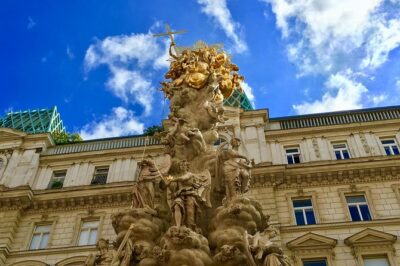
Vienna Historic Center Small Group Walking Tour
Read our review →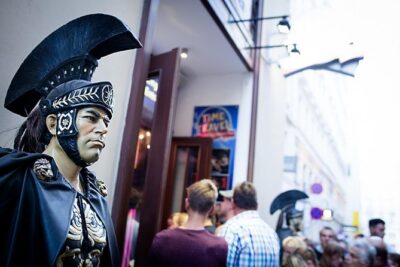
Time Travel-Magic Vienna History Tour Ticket
Read our review →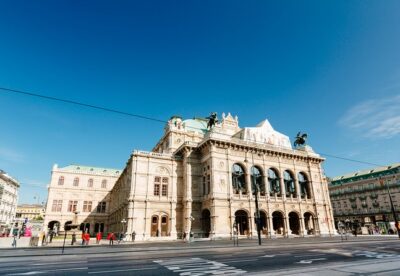
Skip-the-Line Schonbrunn Palace Guided Tour and Vienna Historical City Tour
Read our review →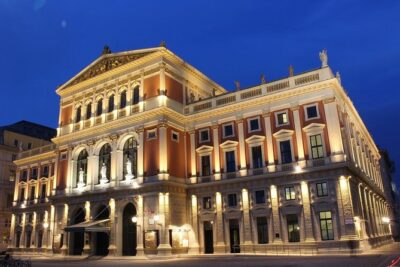
Vienna Mozart Concert in Historical Costumes at the Musikverein
Read our review →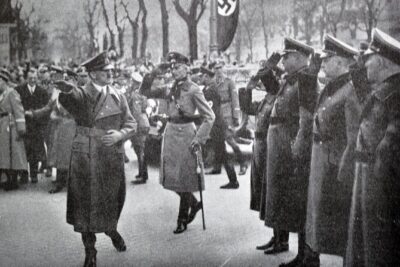
Browse the lists this tour appears in