
Reviewed · HISTORICAL TOURS
Private tour of historical Vienna with Jan
Vienna history feels easier when it is personal. This private walk with Jan threads together the city’s big turning points, from Hofburg power to St. Stephen’s rebuilding, without the grind of a huge bus tour. I especially like the tight pacing and story-led explanations that make architecture and monarchy feel understandable fast. I also love the built-in coffee-house break with classic Viennese cake and a beautiful Art Nouveau room. One real consideration: you are doing a solid chunk of walking in the old center, so comfortable shoes matter, and the per-group price can feel steep if you are traveling solo.
What makes this tour practical is the route logic. You start near Stephansplatz, move through the historic core and the museum district area, then finish at Naschmarkt, so you end with an easy plan for food. With a 5.0 rating across 43 reviews and a 100 percent recommendation rate, this is the kind of guide-led orientation that tends to pay off the rest of your trip.
In This Review
- Key highlights that make this tour worth your time
- Why a private tour with Jan beats big-group history
- Stephansplatz start, Naschmarkt finish: the route you can actually keep using
- Historic Center of Vienna: orientation plus what to eat and shop
- Hofburg courtyards and the Habsburg patchwork you can read
- Heldenplatz and Maria Theresien Square: grandeur and modernization under pressure
- A proper Viennese break at Conditorei SLUKA
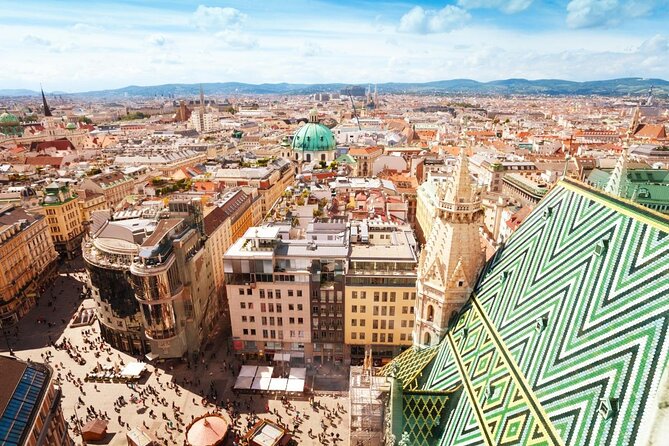
- St. Stephen’s Cathedral: the heart of Vienna, with a recovery story
- The Church of the Jesuits: baroque you probably walk past
- Stadtpark and Ringstrasse vibes: a breath of green
- Graben and Kohlmarkt: upscale shopping, plus a plague memory column
- How Jan’s stories help you plan the rest of your trip
- Who should book this private historical Vienna tour?
- Should you book Historical Vienna with Jan?
- FAQ
- How long is the tour?
- What does the tour cost and what is the group size?
- Where does the tour start and end?
- Is this a private tour and is it offered in English?
- Is pickup offered?
- What is included in the tour?
- What is not included?
- Do I get a mobile ticket?
- Are there admission tickets included for the stops?
- Is free cancellation available?
Key highlights that make this tour worth your time
- A licensed guide with real storytelling skill: Jan keeps history clear and answers questions as you go.
- Old Town route with an end you can use: you finish at Naschmarkt, an easy spot to keep exploring after.
- Hofburg courtyards, not just postcard walls: you get the Habsburg context around the palace complex.
- Skip the big-group vibe: your group stays together, and the pace stays manageable.
- Coffee and cake as a planned reset: Sluka gives you a classic Viennese break in an Art Nouveau setting.
- Classic skyline stops, then quieter baroque: from Heldenplatz to the Church of the Jesuits, you get variety.
Why a private tour with Jan beats big-group history
If you have ever joined one of those large guided tours, you know the problem. You spend time herding people, hearing muffled sound, and waiting at bottlenecks. This is different because it is private, only your group, with Jan leading the show at a human pace.
For me, the best value is how quickly the tour helps you build a mental map of Vienna. You are not just learning facts. You are learning how the city is laid out and why the major buildings matter. That matters on day one, and it also matters later when you are deciding where to walk next.
Also, the pricing model is per group up to 10 people. At $432.53 per group, it can be a smart way to share costs. Quick math: with 4 people, you are around $108 each. With 6, around $72 each. With 10, around $43 each. If you are two people, it is closer to $216 each. So the best fit is usually a small group, a family, or anyone splitting costs.
Have a guide keep the pace

Stephansplatz start, Naschmarkt finish: the route you can actually keep using
The tour starts at Stephansplatz and ends at Naschmarkt. That end point is not random. Naschmarkt is an open-air food market, which means after your history walk you can keep the day rolling with a meal or snack without a long commute.
Pickup is offered, too. If you want less friction, ask for pickup at confirmation and plan to meet your guide near your hotel area. You also get a mobile ticket, which makes it easier to stay organized on arrival day.
One more practical upside: this itinerary moves through major sights in a way that helps you orient yourself around the historic downtown area. If you are the kind of traveler who likes to explore on your own the next day, you will thank yourself for learning the layout now.
Historic Center of Vienna: orientation plus what to eat and shop
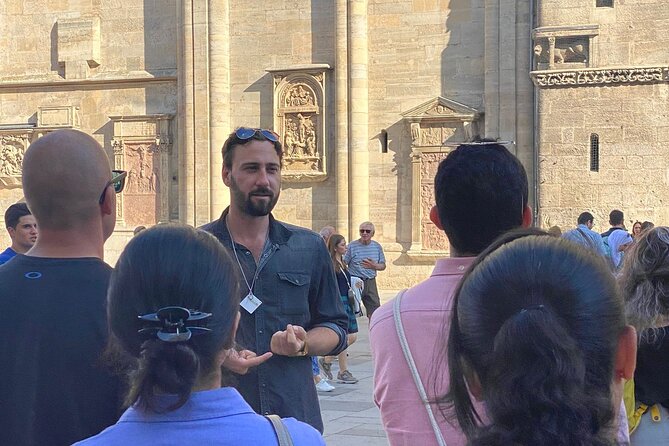
The first stop is the Historic Center of Vienna, about 45 minutes. This part is the setup that makes the later monuments click. Jan frames Vienna’s story through cultural and historic buildings, then ties it to everyday life, like where people eat and where shopping works in this old-city layout.
This is a good moment to ask questions. When you are standing in the old center, it is easy to connect names you have seen on postcards to real streets, courtyards, and sight lines. Jan also keeps the tone balanced, including darker chapters without turning the whole walk into a doom-and-gloom lecture.
A drawback to keep in mind: because this is a first orientation segment, you are not lingering at one single building. Think of it as setting your internal compass, not doing an in-depth museum level experience.
Hofburg courtyards and the Habsburg patchwork you can read
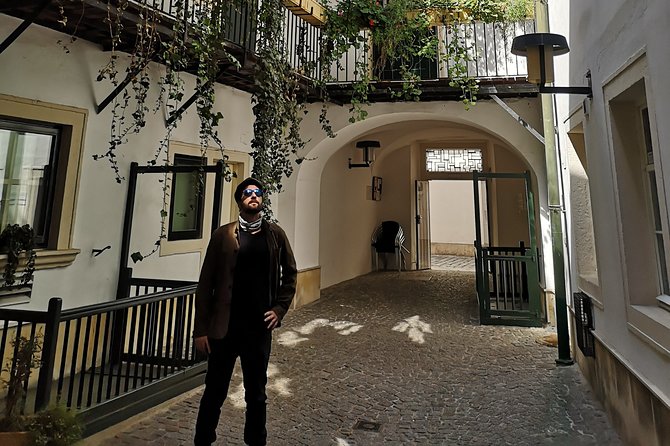
Next comes the Hofburg, about 30 minutes. The Hofburg is not one single palace scene. It is a patchwork of wings and palace buildings from different periods, built and reshaped by different rulers. From the courtyards, you get the sense of that long evolution without needing a big ticketed interior tour.
What makes this stop valuable is the story of the Habsburg dynasty in practical terms. Jan explains why this family shaped Austrian life for so long, and how the palace complex reflects that power structure. Even if you do not care about every ruling name, you will walk away with a clearer understanding of the timeline behind the architecture.
Because this segment focuses on outer courtyards, you can still enjoy the flow of the walk. It also means less time lost to lines. The tour lists admission ticket free for this stop, so you are not stuck budgeting museum tickets as you go.
Other ways to round out a Vienna visit
- Vienna: Time Travel and Magic Vienna History Tour★ 4.6 · 3,879 reviews
- Vienna: World War II Historical Walking Tour★ 4.8 · 1,772 reviews
- Vienna Historic Center Small Group Walking Tour★ 5.0 · 1,746 reviews
- Time Travel-Magic Vienna History Tour Ticket★ 4.5 · 1,099 reviews
Heldenplatz and Maria Theresien Square: grandeur and modernization under pressure
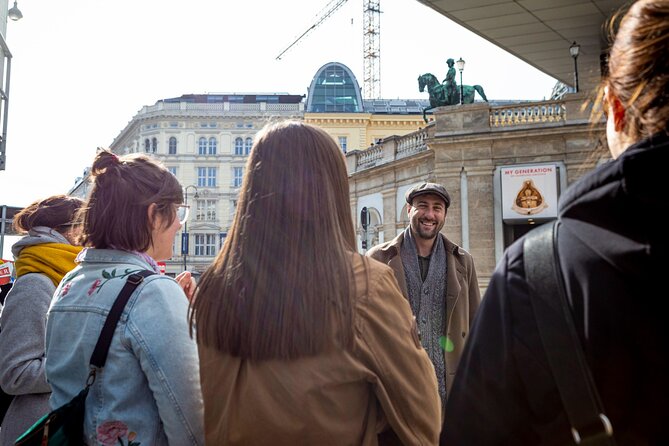
You then hit Heldenplatz, about 15 minutes, and Maria Theresien Square, about 15 minutes.
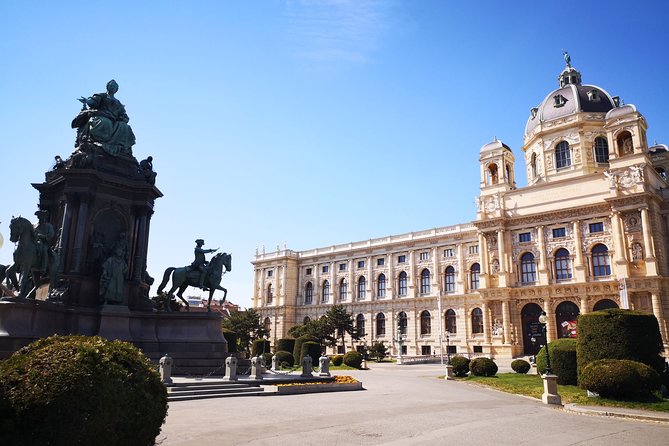
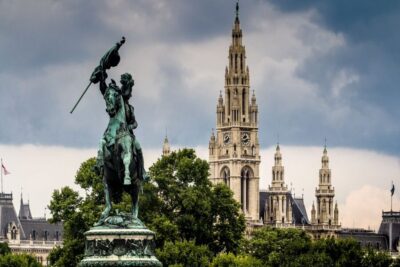
At Heldenplatz, you get one of the best photo backdrops for grand Viennese historic architecture. Jan places the square in a larger imperial story, including the idea of heroes tied to the Austrian Empire. And you get a strong view of the National Library palace, which helps you connect Vienna’s power symbols to its institutions.
Then Maria Theresien Square turns the dial from military and empire into governance and reform. The square sits between two major museums, Natural History and Art History, and Jan connects the monument to Maria Theresia. Under her rule, Austria began an extended modernization process that helped shape a more centralized state and pushed the rise of a bureaucracy and middle-class administrators. It is history, but grounded in the idea of how systems change.
Potential drawback: these stops are short. If you want museum-level time at the Natural History or Art History buildings, this tour does not replace that. What it does is point you in the right direction if you want to add a museum later.
A proper Viennese break at Conditorei SLUKA
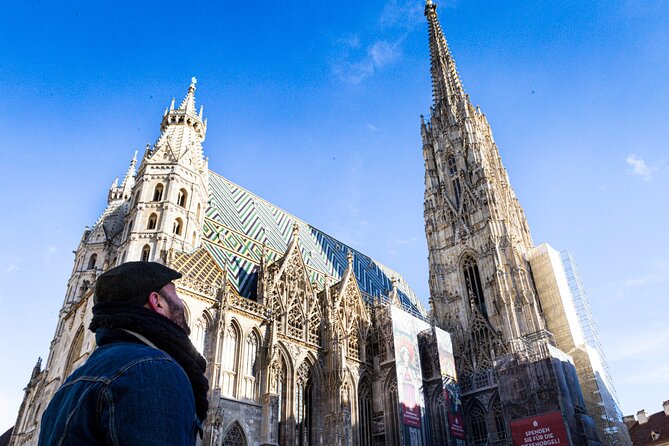
After all the stone and statues, you get a reset at Conditorei SLUKA, about 30 minutes. This is where the tour leans into the everyday side of Vienna. The plan is to sample classic Viennese cake and coffee, with a strong focus on the setting: SLUKA has an end-of-the-century Art Nouveau interior.
This stop is a smart piece of pacing. You get a chance to sit down, recharge, and keep your feet from turning into complaint department by mid-afternoon. It also makes the tour feel like more than just a lecture.
The tour lists admission ticket free for this segment, so the main cost here is your food and drinks. If you are budgeting, think of this as a built-in allowance for at least one sweet bite and a coffee.
St. Stephen’s Cathedral: the heart of Vienna, with a recovery story
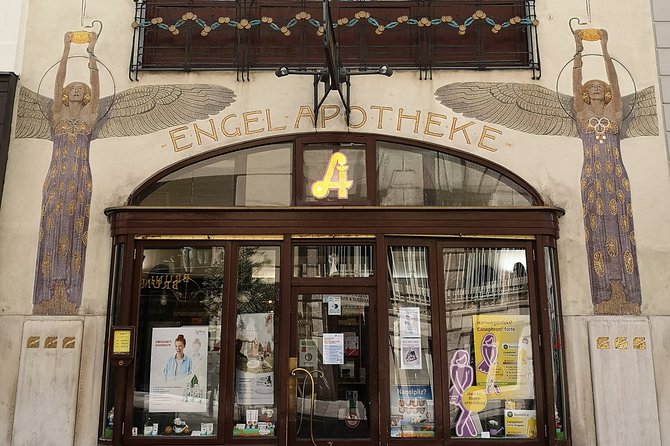
Then it is St. Stephen’s Cathedral, about 10 minutes, framed as the spiritual and geographical heart of Vienna. The building spans decades, with different styles showing up as you look around. Jan also points out the story of its post-war reconstruction and the sense of cooperation afterward, when Vienna and Austria faced damage but still leaned toward rebuilding.
Ten minutes is not enough to do this cathedral properly like a long self-guided visit. But as a highlight stop, it works well. You see the main impact quickly, and Jan gives you the background so it is not just a pretty facade.
If you are picky about getting inside, plan your own follow-up time later. This tour prioritizes flow and orientation, not a long cathedral detour.
The Church of the Jesuits: baroque you probably walk past
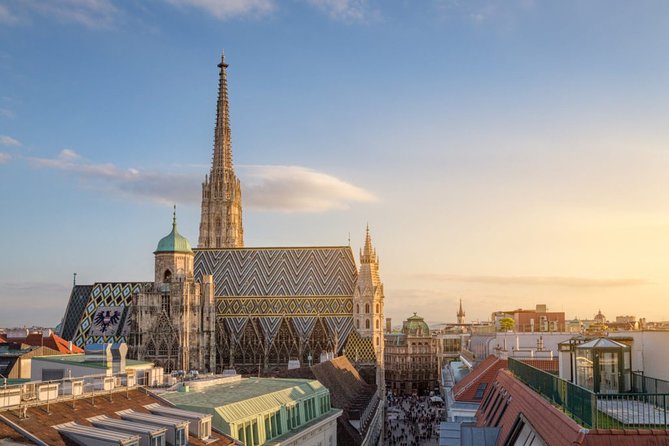
Next is the Church of the Jesuits, about 10 minutes. Jan describes it as one of the finest baroque churches in Vienna that is also relatively less visited. That pairing is a big win if you like baroque details but hate the feeling of standing in a crowd while trying to read decorative stone.
In a short window, you will likely notice how flamboyant the Austrian baroque style can be. And because the tour keeps moving, you get the effect without spending an hour in one spot.
This also helps if you want variety in the day. You have cathedral drama, then baroque flourish, then green space later, so the architecture rhythm stays interesting.
Stadtpark and Ringstrasse vibes: a breath of green
After the old-town streets, you take a break at Stadtpark, about 15 minutes. This park sits along the southern edge of the Ringstrasse boulevard and is dedicated to figures from Vienna’s golden age, including painters, musicians, and politicians.
This stop is more than a nice view. It gives your legs a chance to reset, especially if your previous hours were tight streets and constant stops. Jan’s route planning helps you escape the old town narrowness for a moment.
It is also a good spot for quick reflection. When your brain is full of dynasties and dates, a green pause helps those details land.
Graben and Kohlmarkt: upscale shopping, plus a plague memory column
The final major sight segment moves into Graben and Kohlmarkt, about 10 minutes. These are high-end shopping streets in the old town, lined with big-name luxury brands and coffee-house culture.
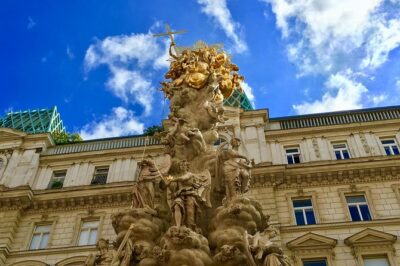
But Jan does not treat it like a shopping detour. Graben is also notable for its baroque plague column, a memorial tied to surviving a devastating plague at the end of the 17th century. That mix, commerce plus memory, sums up Vienna: glamour and consequence in the same walking path.
Short stop warning: this is not a shopping tour. It is a history-and-architecture walk that uses the streets as context. If you love to browse, you will probably want more time on your own right after the tour ends at Naschmarkt.
How Jan’s stories help you plan the rest of your trip
One reason this tour gets such strong results is the way Jan handles questions and adapts to what you care about. Multiple experiences describe him as a storyteller who keeps the facts accessible, with a smooth ability to answer follow-ups without rambling.
You also get practical city-life help. For example, if you are still figuring out public transport, Jan can point you toward using the subway and making sense of weekly pass options. That is the kind of thing that saves time and stress on the rest of your Vienna days.
Then there is the personal touch. If you have a meaningful reason for being in Vienna, Jan can tailor the conversation so your visit feels connected to your own story, not just to official dates.
This is also why finishing near Naschmarkt is such a smart close. After the tour, you can eat while your mind is still organized. You will know what you saw, why it matters, and where to aim next.
Who should book this private historical Vienna tour?
I think this tour is best for you if:
- You want an organized overview of Vienna’s core sights without crowd pressure
- You like history explained through buildings and the logic of city layout
- You are traveling as a couple, family, or small group where sharing the per-group cost is realistic
- You want a planned coffee-house break, not just photo stops
- You are doing Vienna on a first or second day and want your bearings fast
It might not be the best match if you are looking for a long, deep museum day or if you dislike walking. This is a walking route through key landmarks, designed for a strong orientation hit rather than a slow, sit-down-only sightseeing plan.
Should you book Historical Vienna with Jan?
Yes, if you want a guided overview that is both easy to follow and genuinely useful for the rest of your trip. The pricing is per group, so value improves fast as soon as you have more than two people. The stops hit the major “where am I in Vienna’s story” moments, then end in a practical food area where you can keep exploring right after.
If you book early, you are also likely working with better availability since the experience is commonly booked about 62 days in advance. Given the 5.0 average rating and 100 percent recommendation rate, this is one of those tours where the guide matters a lot, and the guide here is clearly doing the job.
FAQ
How long is the tour?
The tour lasts about 2 to 3 hours.
What does the tour cost and what is the group size?
The price is $432.53 per group, and the tour is for up to 10 people.
Where does the tour start and end?
The tour starts at Stephansplatz, 1010 Wien, Austria, and ends at Naschmarkt, 1060 Wien, Austria.
Is this a private tour and is it offered in English?
Yes, it is a private tour, and it is offered in English.
Is pickup offered?
Yes, pickup is offered.
What is included in the tour?
The tour is guided by a qualified and state licensed guide.
What is not included?
Gratuity is not included.
Do I get a mobile ticket?
Yes, a mobile ticket is offered.
Are there admission tickets included for the stops?
The itinerary lists admission ticket free for the stops included in the tour.
Is free cancellation available?
Yes. You can cancel up to 24 hours in advance for a full refund. If you cancel less than 24 hours before the start time, the amount paid is not refunded.
Latest Additions
- Wachau Valley Private Wine Tour with Tasting and Gourmet Lunch
★ 5.0 · 1 review - Vienna: Danube Valley Tour with Melk, Dürnstein with wine tasting and boat.
★ 5.0 · 1 review - Private city tour in Vienna
★ 5.0 · 1 review - Hallstatt Small Group Day Trip from Vienna
★ 3.0 · 1 review - Inside Freud’s Mind: Self-Guided Mystery Walk in Vienna
★ 4.0 · 1 review - Private Transfer from Vienna to Prague
★ 5.0 · 1 review - Vienna’s Christmas Market Magic Tour
★ 5.0 · 1 review
Historical Tours, compared.

Vienna Historic Center Small Group Walking Tour
Read our review →
Time Travel-Magic Vienna History Tour Ticket
Read our review →
Skip-the-Line Schonbrunn Palace Guided Tour and Vienna Historical City Tour
Read our review →
Vienna Mozart Concert in Historical Costumes at the Musikverein
Read our review →
Browse the lists this tour appears in