
Reviewed · WALKING TOURS
Vienna: Private World War II Walking Tour
Vienna’s Heldenplatz is a hard place to forget. This private WWII walking tour turns a few key addresses into a clear story about Adolf Hitler’s youth in Vienna, how the Anschluss unfolded in 1938, and what happened to Jewish people in the city. You’ll also look at Vienna after the war, when Allied forces occupied the city.
I especially like that the tour is guided by a state-certified Austria Guide who works in English and German. I also like the structure of the walk, starting in the historic center and finishing near St. Stephen’s Cathedral, so the story has an actual route you can follow rather than a list of facts.
One thing to keep in mind: this is a 2 to 2.5 hour outdoor walk that runs rain or shine, so comfortable shoes and weather-ready clothing matter.
In This Review
- Key points to know before you go
- Why Heldenplatz Matters for Understanding the Nazi Takeover
- Meeting Point and Walking Pace from the Memorial to St. Stephen’s
- Hitler’s Vienna and the Road to the Anschluss
- How Austria Became Part of Nazi Germany, Explained at Street Level
- Jewish Victims in Vienna and Heroes Like Simon Wiesenthal
- Vienna After the War, When Allied Forces Occupied the City
- Price and Value for a Private Group Up to 20
- Rain, Shoes, and Who This Tour Fits Best
- Should You Book This Vienna WWII Private Walk?
- FAQ
- Where do I meet the guide for the Vienna WWII walking tour?
- How long is the tour?
- What are the start and end points?
- What is included in the price?
- What topics will the guide cover?
- What language is the tour offered in?
- Is this tour wheelchair accessible and does it run in bad weather?
Key points to know before you go
- Heldenplatz focus: You connect the March 15, 1938 balcony speech to how Austria became part of Nazi Germany
- Hitler and Vienna: You’ll learn about Hitler’s youth spent in Vienna, not just the war years
- Victims and memory: You’ll hear about Jewish victims in Vienna and the work of Simon Wiesenthal
- Vienna under Allied occupation: The tour includes what the city was like after the war
- Private group format: Up to 20 people with a dedicated guide, so questions are easier to fit in
Why Heldenplatz Matters for Understanding the Nazi Takeover
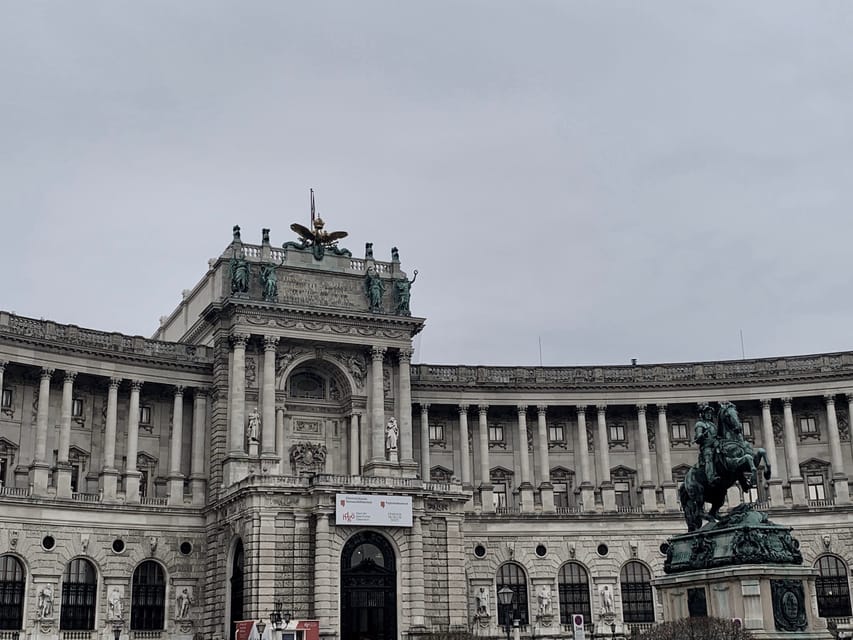
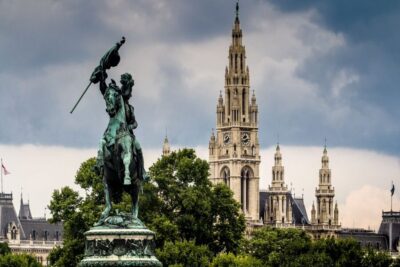
If you’ve ever stood in a big public square and felt how crowds can shape history, Heldenplatz hits you hard. On March 15, 1938, Adolf Hitler delivered his Anschluss speech from a balcony at Heldenplatz, with more than 200,000 people gathered to hear it. That moment is not just a date. It’s a demonstration of how propaganda and mass attention can move an entire country into a new reality, fast.
What I like about this tour is that it treats this square as a turning point, not an isolated landmark. You’re guided through the lead-up to the Anschluss, and then you return to the human impact: the victims, the perpetrators, and the collapse that followed. The guide keeps bringing you back to what changed and why it mattered to Vienna, rather than floating across history like a general documentary.
You’ll also get a practical benefit from this approach: you leave with a mental map. After the tour, it’s easier to connect the dots when you see other sites in Vienna, because you’ve already been trained to look at place plus timeline together.
Other ways to round out a Vienna visit
Meeting Point and Walking Pace from the Memorial to St. Stephen’s
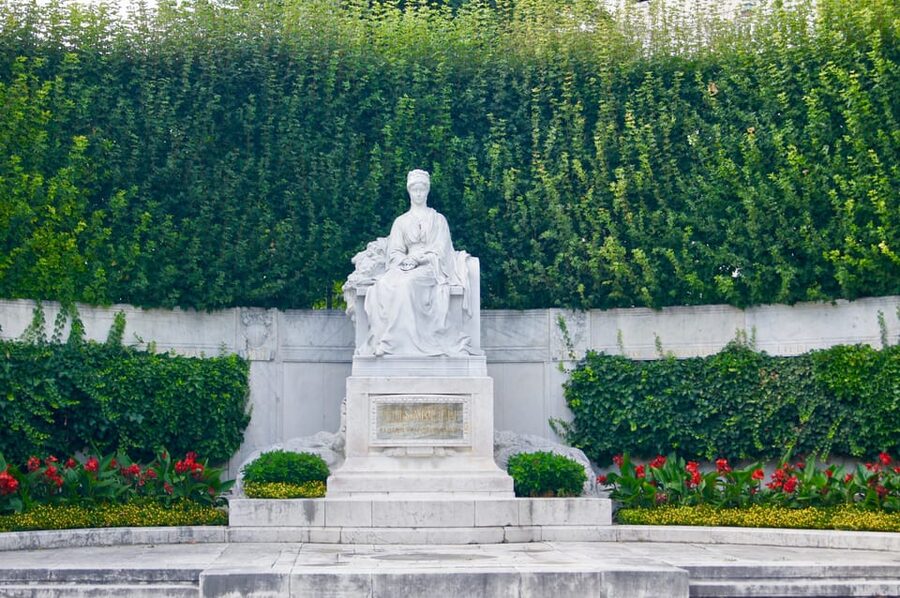
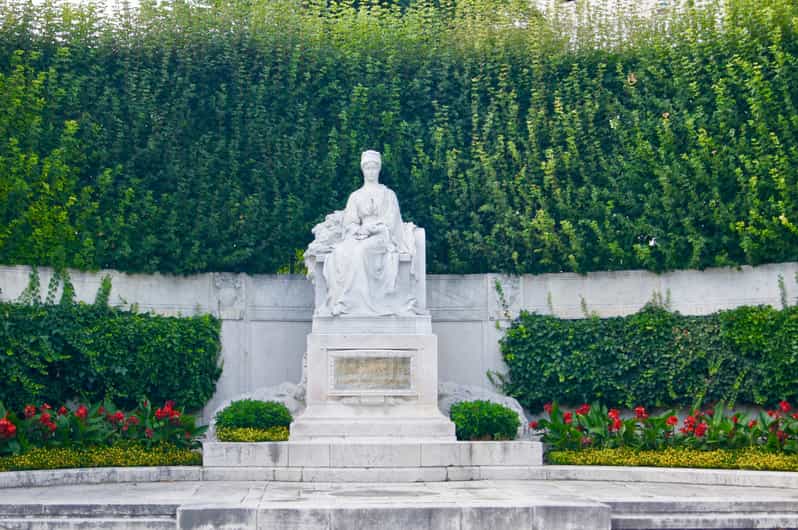
You meet your guide in front of the memorial against war and fascism. Your guide will be holding a red and white striped umbrella, so it’s easy to spot the group and get underway without wasting time.
The tour starts at Helmut-Zilk-Platz and then moves through Vienna’s historic center before finishing at St. Stephen’s Cathedral. That ending matters. St. Stephen’s is a busy, central reference point, so you can wrap up your day with something light and convenient nearby, whether that means lunch, a museum stop, or simply getting your bearings again.
In terms of duration, plan for about 2 to 2.5 hours on foot. This is not a marathon. It’s long enough for a real guided narrative and for you to step through key moments in order. Still, it is outdoors, rain or shine, so I’d treat this like an everyday walking plan, not a museum visit.
Practical tip: wear shoes you can walk in comfortably for the whole block of time. The tour itself doesn’t promise short breaks or long indoor stops, and the city weather in Vienna can shift.
Hitler’s Vienna and the Road to the Anschluss
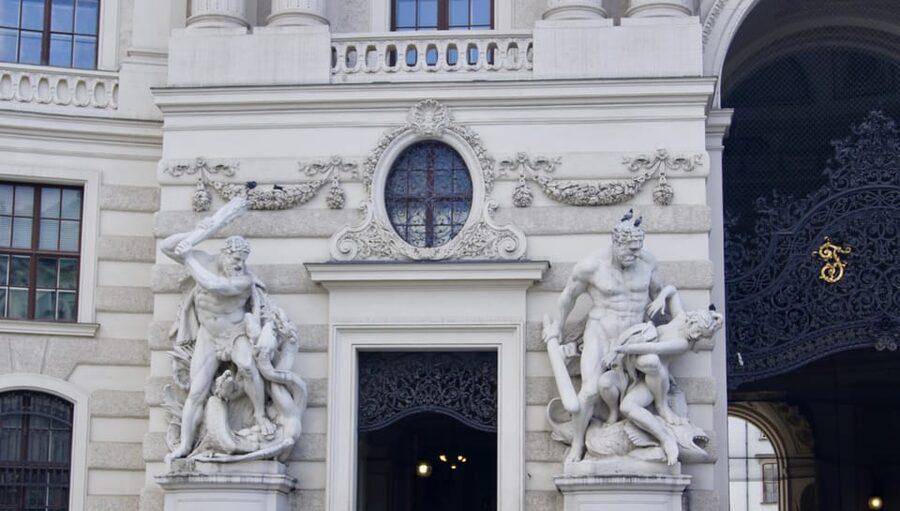
The tour’s backbone is a story arc that starts with Adolf Hitler’s youth in Vienna, then shifts into how National Socialism rose, and finally lands on the Anschluss moment itself. Even if you already know the broad outline, the value here is that you’re not just memorizing names. You’re learning how Vienna connects to the character of the movement and the mechanics of political takeover.
The Anschluss speech on March 15, 1938 is the emotional anchor. From Heldenplatz, Hitler addressed a crowd of over 200,000, announcing the union that pulled Austria into Nazi Germany. You’ll get context for that announcement and, crucially, how Austria ended up part of the Third Reich. The guide doesn’t leave you with a vague sense of inevitability. You learn what factors were at play and how the city environment helped make such a public moment possible.
This is also where the tour becomes unusually direct. It focuses on rise and transformation, not just the war. If you want history that explains causes and not only consequences, this format works well.
One consideration: because the topic is heavy, you might want a bit of time afterward to decompress. If your schedule is packed tightly, try to leave a small cushion so you can absorb what you learned without immediately rushing into your next stop.
How Austria Became Part of Nazi Germany, Explained at Street Level
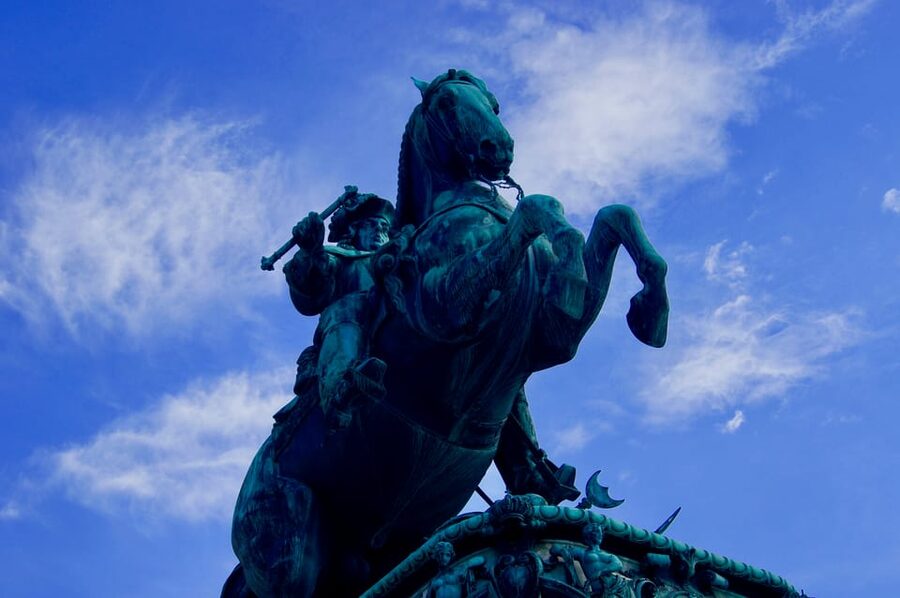
It’s one thing to read that Austria was annexed. It’s another to stand in Vienna while a guide explains the chain from political pressure and ideology to formal integration into Nazi Germany. That street-level explanation is what makes this tour useful for real-world understanding.
As the walk progresses, you’ll connect three layers:
- Hitler’s personal and formative Vienna link, which frames why Vienna appears in the story again later
- The rise of National Socialism, presented as a movement with momentum
- The war and its turning points, including the moment Austria became part of Nazi Germany
The tour’s pacing helps you keep these layers straight. Instead of jumping back and forth, the guide builds toward the 1938 speech and then continues forward into WWII. That matters because it prevents the information from blurring together. You’ll know what happened first, what followed, and how people and policies changed as the timeline moved.
If you’re the kind of traveler who wants history to be clear enough to explain to a friend later, you’ll likely appreciate how the guide keeps the narrative grounded in specific places and specific events, rather than relying on abstract descriptions.
Beyond the palaces, the city keeps its own rhythm of coffee, concerts, and day trips nearby.
- Vienna: Vivaldi’s Four Seasons Concert in Karlskirche★ 4.7 · 14,951 reviews
- Vienna: Schönbrunn Palace & Gardens Skip-the-Line Tour★ 4.7 · 7,739 reviews
- Vienna: Light of Creation Votive Church Immersive Light Show★ 4.8 · 6,779 reviews
- Vienna Spanish Riding School Guided Tour★ 4.7 · 6,765 reviews
Jewish Victims in Vienna and Heroes Like Simon Wiesenthal
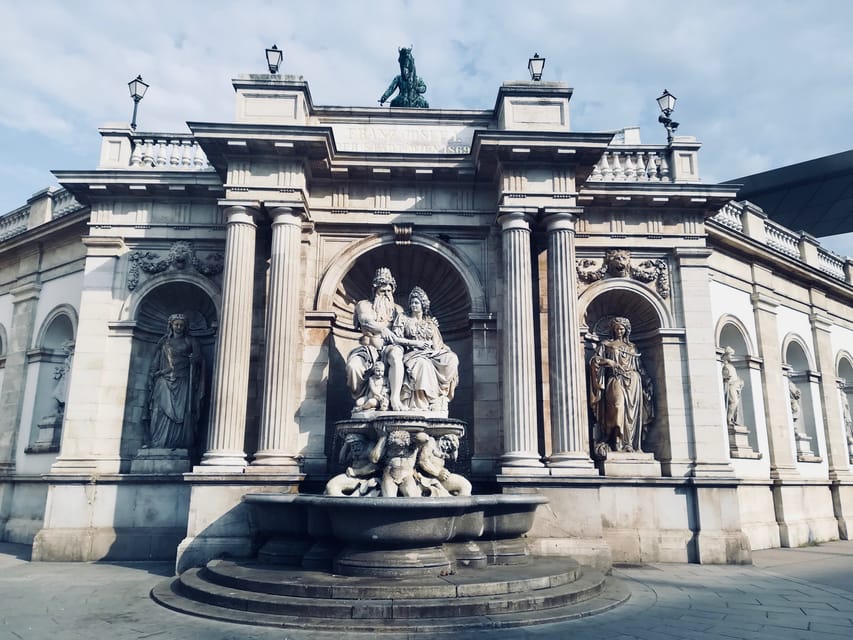
A major part of the emotional weight of WWII history is remembering that real people were harmed. This tour includes Jewish victims in Vienna, presented directly as part of the city’s WWII story. You’re not only told about ideology. You’re led to understand impact.
You’ll also learn about heroes like Simon Wiesenthal. His name comes up because remembrance is not passive. The work of tracking crimes and keeping memory alive matters, especially when systems tried to erase responsibility.
Why this matters for your visit: it changes the way you interpret the city. Instead of looking only at architecture or major squares, you start noticing how memory is built into how we talk about the past. When you then walk to the next stop, the story carries forward rather than resetting at each location.
I also like that this tour does not limit itself to the victim side alone. It references perpetrators too, because understanding how harm happened includes understanding the machinery behind it. That said, the tour is still a walking history experience. It isn’t presented as entertainment, so approach it with respect and a clear head.
Vienna After the War, When Allied Forces Occupied the City
The tour doesn’t stop with the war. It continues into the post-war years and the period when Vienna was occupied by the Allied powers. This is a big reason the walk feels complete. Many WWII-focused tours end at the fall of the regime. This one pushes into what came next.
You’ll learn about Hitler’s eventual downfall, then you’ll be guided through how the city experienced the aftermath. The Allied occupation becomes part of Vienna’s lived timeline, showing you that World War II did not end with a single headline. It continued as a political and social reality on the ground.
For you, that means the tour helps with a very practical kind of understanding. When you later visit museums or read plaques in Vienna, you’ll be able to place them in a broader storyline: how the city transitioned after the conflict, and why the post-war years shaped what Vienna became.
Also, finishing at St. Stephen’s Cathedral gives you a natural emotional shift point. You go from the heaviness of WWII history to a landmark that represents Vienna’s endurance as a living city. It’s not a distraction. It’s a visual reminder that history includes both rupture and rebuilding.
Price and Value for a Private Group Up to 20
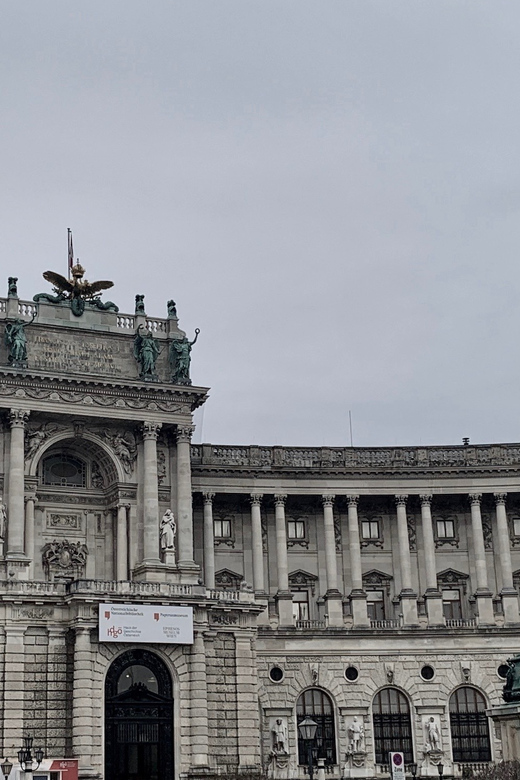
The price is $541 per group for up to 20 people, for a tour length of about 2 to 2.5 hours. On paper, that can look steep if you’re comparing it to a public group walking tour. But private format matters here.
With a private group:
- You get a dedicated English and German live guide
- You can move at a pace that fits your group
- A larger group shares the cost, and the price can make sense when you’re traveling with friends or family
If you book for a full group size, your effective per-person cost drops a lot compared with solo private tours. If you’re traveling as a small group, the value comes from having the guide tailor the flow of the story to the pace you want and the questions you’re ready to ask.
The other value point is the guide credentials. It’s not just a local storyteller. The tour is led by a state-certified Austria Guide, which tends to mean more structured interpretation and a better handle on sensitive historical topics.
Bottom line: this price becomes a smart choice when you want WWII history explained clearly, with a real route through central Vienna, and you want control over your group experience.
Rain, Shoes, and Who This Tour Fits Best
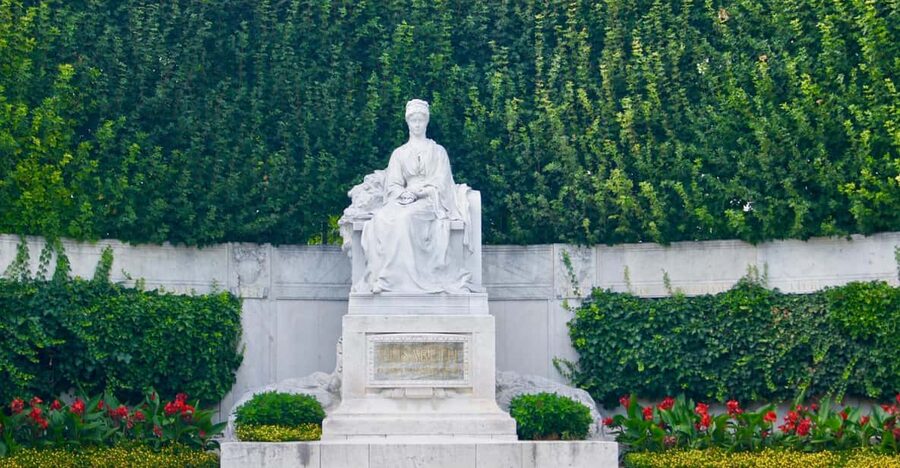
This tour runs rain or shine, and it’s a walking experience. That means your best planning tool is simple: comfortable shoes and clothing that works in wet or cool weather.
Wheelchair accessible is listed, so if you use a wheelchair or mobility aid, this option is specifically indicated as usable. I’d still consider contacting the provider if you have particular mobility needs, but based on the information given, it’s meant to be accessible.
Who this fits best:
- You want a guided WWII narrative tied to Vienna specific locations
- You prefer a private group setting instead of a large bus tour
- You want both the political story and the human story, including Jewish victims and post-war occupation
If you’re visiting Vienna for a first time and WWII is a major theme for your trip, this is an efficient way to get a coherent timeline. If you’re more focused on art and classical sights, this can still work, as long as you schedule it earlier or later with breathing room. WWII history is emotionally intense, and your enjoyment will depend on how much time you leave for reflection afterward.
Should You Book This Vienna WWII Private Walk?
I’d book this tour if you want WWII history in Vienna explained with a clear sequence, starting with Hitler’s Vienna youth and culminating in the Anschluss speech from Heldenplatz, then moving into victims, perpetrators, and the post-war Allied occupation. The route from Helmut-Zilk-Platz through the historic center to St. Stephen’s Cathedral is practical, so you get story and location in one go.
I’d think twice if your schedule is tight and you hate walking outdoors in all weather. Also, because the content is heavy, it’s not ideal if you’re looking for a casual sightseeing stroll. This is history you should approach with respect.
For the best decision, match it to your travel style: if you value a private guide, a structured timeline, and you want to understand how places connect to events, this is a strong pick.
FAQ
Where do I meet the guide for the Vienna WWII walking tour?
Meet your guide in front of the memorial against war and fascism. The guide will be holding a red and white striped umbrella.
How long is the tour?
The tour duration is listed as 2 hours, with the guided city portion described as taking about 2.5 hours.
What are the start and end points?
The tour starts at Helmut-Zilk-Platz and finishes at St. Stephen’s Cathedral.
What is included in the price?
The price includes an English-guided tour of Vienna with a state-certified Austria Guide.
What topics will the guide cover?
You’ll learn about Adolf Hitler’s youth in Vienna, how Austria became part of Nazi Germany, Jewish victims in Vienna, Simon Wiesenthal, and life in Vienna during the Allied occupation.
What language is the tour offered in?
The tour is offered in English and German.
Is this tour wheelchair accessible and does it run in bad weather?
Wheelchair accessible is listed. The tour takes place rain or shine, so wear comfortable shoes and dress appropriately for the weather.
Latest Additions
- Wachau Valley Private Wine Tour with Tasting and Gourmet Lunch
★ 5.0 · 1 review - Vienna: Danube Valley Tour with Melk, Dürnstein with wine tasting and boat.
★ 5.0 · 1 review - Private city tour in Vienna
★ 5.0 · 1 review - Hallstatt Small Group Day Trip from Vienna
★ 3.0 · 1 review - Inside Freud’s Mind: Self-Guided Mystery Walk in Vienna
★ 4.0 · 1 review - Private Transfer from Vienna to Prague
★ 5.0 · 1 review - Vienna’s Christmas Market Magic Tour
★ 5.0 · 1 review
Walking Tours, compared.
Guided Walking Tour of City Center Highlights
Read our review →
Guided Walking Tour of City Highlights & Hidden Gems
Read our review →
Vienna Historic Center Small Group Walking Tour
Read our review →
Browse the lists this tour appears in