
Reviewed · WALKING TOURS
Vienna: Private Walking Tour with Local Guide
Vienna sings, even on foot. This private, 2-hour walk is a focused way to see Vienna’s big-name sights while your guide ties them to the city’s musical identity. You start at St. Stephen’s Cathedral and move through landmark exteriors that most first-timers simply pass by.
I like that it is truly a private tour for your group, up to 15 people. I also like how the stops mix music and architecture, from Mozart’s home to Adolf Loos’s Looshaus.
One thing to plan for: entrance fees are not included, and at least one church stop specifically notes that admission is extra. That can nudge your final cost depending on what you choose to enter.
In This Review
- Key highlights you will feel right away
- How St. Stephen’s Cathedral sets the tone in Vienna
- St. Stephen’s Cathedral, where Gothic details become orientation
- Ruprechtskirche: the early 8th century stop that adds real depth
- Mozart Wohnhaus: turning a composer into a street-level experience
- Looshaus and Adolf Loos: design that feels like a plot twist
- Hofburg from the outside: understanding imperial power without the museum fatigue
- Museum of Natural History Vienna and the art of exterior reading
- Vienna State Opera House: grand stage energy from street level
- A Danube River and Ringstrasse backdrop to your walking story
- Price and value for a private group up to 15
- What is not included, and how to avoid budget surprises
- Mobile ticket and day-of practicality
- Who this tour fits best
- Should you book this Vienna private walking tour?
- FAQ
- Where does the tour start?
- How long is the Vienna private walking tour?
- Is this tour private?
- What is the group size limit?
- What is included in the price?
- Are entrance fees included?
- Is food and drinks included?
- Is a mobile ticket used?
- Are service animals allowed?
- Can I cancel, and what is the deadline?
Key highlights you will feel right away
- A 2-hour private pace: enough time to notice details without rushing you into the next line of sights
- Music landmarks that make sense: Mozart and Vienna’s classical giants are part of the walking story, not random trivia
- Architecture variety in a tight loop: Gothic cathedral, an old church, imperial palaces, and modern design shock
- Mostly exterior views: great for photos and orientation, even if you do not want to pay for multiple museum entrances
- Mobile ticket convenience: you do not have to worry about printing paperwork
- Central meeting point: St. Stephen’s area is easy to reach and easy to return to
How St. Stephen’s Cathedral sets the tone in Vienna
You meet at St. Stephen’s Cathedral, at Stephansplatz 3. That matters, because Vienna is easiest to navigate when you start with a true anchor. From this square, you can quickly get a sense of scale, street layout, and where the major sights sit in relation to each other.
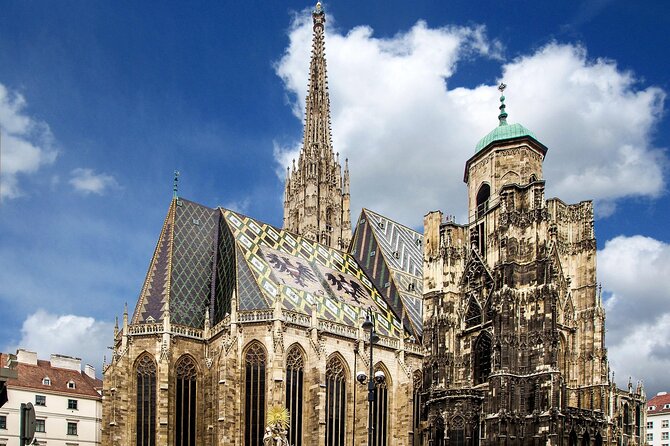
The cathedral is your first visual reference point. It is described as Vienna’s most iconic landmark and a standout of Gothic architecture. Even if you only take in the exterior at first, the look of the building gives you a frame for what comes next: old Vienna, imperial Vienna, and the Vienna that produced composers whose work still defines the city’s reputation.
Expect a guide who helps you slow down just enough to notice what most people walk past. That is the big value of a private format. You are not stuck listening to a script that ignores what you are curious about.
Have a guide keep the pace



St. Stephen’s Cathedral, where Gothic details become orientation
St. Stephen’s Cathedral is not just a pretty start, it is a navigation tool. Once you see its Gothic presence in person, it becomes easier to understand why the surrounding streets feel like they were built for centuries of foot traffic. Your guide will help you look at it the way locals do: as a landmark tied to daily life, not just a postcard.
This stop is also a reminder that Vienna’s identity is visual. Gothic lines, old stone textures, and the cathedral’s position at the city core all work together. If you have ever felt lost in big European capitals, this is the fix: pick one major anchor and build your bearings from there.
If you want to spend extra time here after the tour, you can. The tour starts and ends at the same meeting point, so you are not trapped far from home base.
Ruprechtskirche: the early 8th century stop that adds real depth
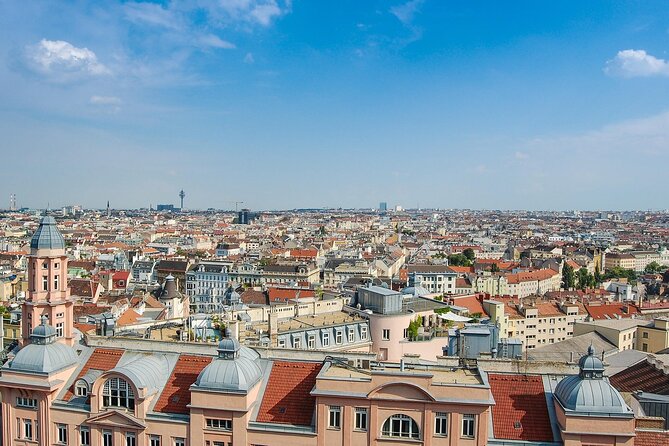
Next you visit St. Rupert’s Church, Ruprechtskirche. This is the kind of stop that makes Vienna feel less like a checklist and more like a place. The church is described as Vienna’s oldest, dating back to the early 8th century, which is a huge time jump compared with the later imperial sights.
What I like about this stop is the contrast. After the cathedral’s iconic scale, you get a more grounded sense of medieval Vienna. Your guide can point out how this building fits into the historic city center, and you get that feeling of walking through layers, not through a single era.
Practical note: the tour says admission ticket is not included for this church stop. If you think you might want to go inside, budget for that extra cost. It is still worth it for the storyline of oldest Vienna showing up right in the middle of the walk.
Mozart Wohnhaus: turning a composer into a street-level experience
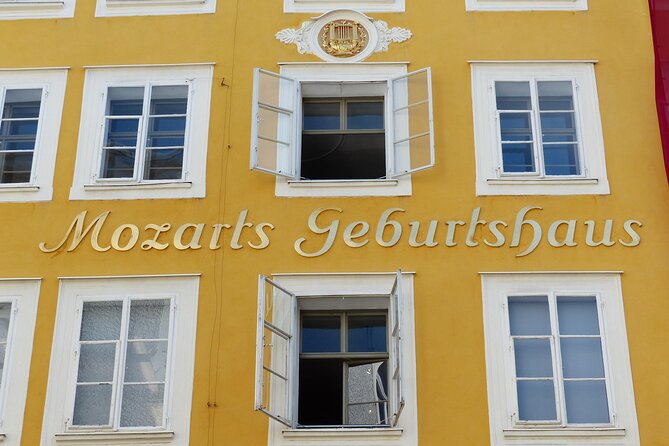
Then comes the music side, at the Mozart Wohnhaus. This is described as the residence where Wolfgang Amadeus Mozart lived, composed, and helped shape the future of classical music. That framing changes how you look at the building. You are not just seeing an old address, you are seeing a place connected to work.
I like that this stop is built into a walking route with architectural landmarks. Vienna’s music identity is real, but it can feel abstract if you only read about it. Here, it becomes physical: you stand where the city’s musical story has a home.
One consideration: the tour data does not specify whether any entry at Mozart Wohnhaus is included or not. It does state that entrance fees are generally not included, so if you want to go beyond seeing the building from outside, confirm what is required for admission during your visit.
Other ways to round out a Vienna visit
- Vienna: Guided Walking Tour of City Center Highlights★ 4.7 · 4,989 reviews
- Vienna: Vienna Central Cemetery Guided Walking Tour★ 4.8 · 3,307 reviews
- Vienna: Guided Walking Tour of City Highlights & Hidden Gems★ 4.9 · 2,180 reviews
- Vienna: Viennese Underworld Guided Walking Tour★ 4.7 · 1,865 reviews
Looshaus and Adolf Loos: design that feels like a plot twist
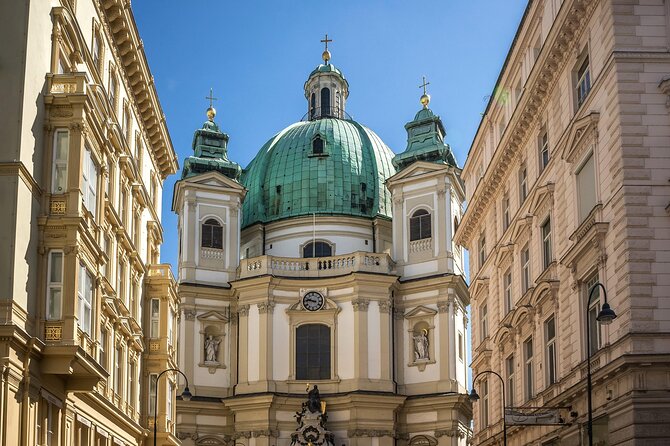
Looshaus is the next creative shift. The tour describes it as one of Vienna’s most groundbreaking architectural masterpieces, designed by Adolf Loos in 1910. That is a key detail, because it tells you this is not just “old building viewing.” You are moving into a moment where design tried to challenge tradition.
What makes Looshaus a smart tour stop is how it teaches you to look differently. Instead of chasing only ornament or grandeur, you focus on bold choices, structure, and the idea that modern design can be part of Vienna’s identity. Even if you do not consider yourself an architecture person, your guide should help you see why this building mattered.
Good news here: the tour notes this stop as free. So at least one of the priced or paid unknowns gets simpler.
Hofburg from the outside: understanding imperial power without the museum fatigue
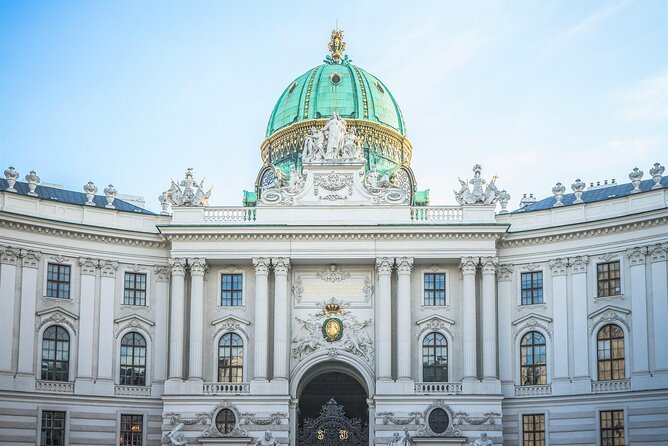
You then experience Hofburg Palace from the outside. The tour positions it as historically significant and tied to the imperial significance of the Habsburgs. You do not need museum time to get value from this kind of exterior walkthrough, especially in a 2-hour format.
This is where a private guide helps most. A good guide connects what you see to what it means. Hofburg is a name you hear everywhere, but from the street it can feel like a mass of stone unless someone gives you anchors to look for.
Also, because the tour is only about two hours, you get the key “Vienna imperial” feeling without dragging yourself through multiple long interiors. If you want interiors later, you can choose based on your interests, not because the tour forced you to.
Museum of Natural History Vienna and the art of exterior reading
The walking route includes the Museum of Natural History Vienna, focusing on the building exterior. The tour calls the museum building one of the most beautiful in Europe and historically significant, and it mentions sculptural elements as part of what your guide will discuss.
I love this approach because it works for almost everyone. Some people want to spend their time inside museums. Others want to preserve energy for walking, photos, and getting a real feel for neighborhoods. Exterior architecture tours let you enjoy the craftsmanship without committing to a longer indoor schedule.
You might find the sculptural look of the facade easier to appreciate after your guide has set up what to watch for. It is one thing to see a detailed building, and another to know what the details are telling you.
Vienna State Opera House: grand stage energy from street level
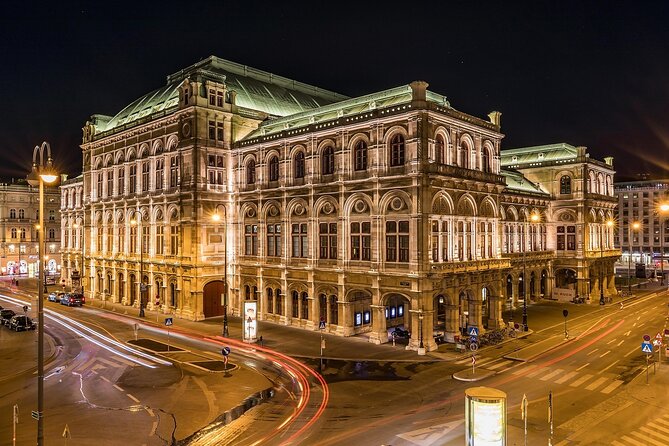
Next is the Vienna State Opera House, again from the outside. The tour highlights its architectural beauty, rich cultural significance, and its status as one of the world’s most renowned opera houses. Even without going inside, the scale and presence of the building do a lot of work for your mood.
This is also a good stop to connect back to the city’s musical legacy. Vienna gave the world composer names you already know, and the opera setting helps you understand why the city treats music like a serious part of life.
If you are a fan of classical music, this section is likely to land hardest. Even if you are not, you still get a sense of performance culture built into the streets.
A Danube River and Ringstrasse backdrop to your walking story
The tour is described as taking you through Vienna along the Danube River, with time spent on the historic Ringstrasse, lined with architectural masterpieces. Even if you mainly focus on the landmark stops, that route context matters.
It helps you stop treating Vienna as scattered sights. Instead, you experience it like a city built around planned visibility and grand avenues, where architecture is meant to be seen on foot. That is why a walking tour like this can feel more “Vienna” than a bus tour that points out buildings at speed.
The Ringstrasse part is especially useful if you want a quick sense of the city’s architectural variety. You are not just seeing one style. You are seeing a progression, and your guide should help you keep track of what changes and why.
Price and value for a private group up to 15
The price is $287.35 per group, up to 15 people, for about 2 hours. That can sound steep if you assume you will pay it solo, because it is group pricing. But if you are traveling with friends, the value improves quickly.
Here is the simple math you can use: per-person cost is $287.35 divided by your group size. If you split it among a small group, it becomes closer to the cost of a standard guided tour, but with a private feel and a guide who can adapt to your questions.
Also consider what is included. You get an expert local guide, a personalized guided tour, and customized recommendations. That last part is the hidden value. You are not just seeing sights, you are getting a tailored “what to do next” plan based on what you care about.
One more value signal: the tour shows a 5-star rating based on one review. One review is not a massive dataset, but it does suggest the experience is landing well with at least some visitors.
What is not included, and how to avoid budget surprises
Entrance fees are not included. Food and drinks are not included. Tips are not included. That means your total spending depends on how many interiors you decide to enter.
You do have one explicit admission note: St. Rupert’s Church lists an admission ticket as not included. So if you plan to go inside, expect additional cost there. Other stops are described mainly as guided exterior walking, which often keeps costs lower.
My practical tip: decide what you want to prioritize before the tour starts. If you want museums and interior spaces, you will probably spend extra on top of the tour price. If you are happy with exterior architecture plus a few key interior moments, this format can keep your day under control.
Mobile ticket and day-of practicality
This experience uses a mobile ticket. That is good for convenience, especially if you are juggling multiple confirmations while traveling. It is also simple for meeting and starting on time at St. Stephen’s Cathedral.
The tour is near public transportation, and it is set up to be easy to begin and return to the same meeting point. That reduces the stress of coordinating a long day when your energy or schedule changes.
A private tour means you move only with your group. In practice, that can reduce waiting time and help the guide adjust pacing if someone needs a short break.
Who this tour fits best
This works well if you want:
- A short, high-impact orientation to Vienna’s top landmarks
- A guide who connects architecture to the city’s musical identity
- A private format without the commitment of an all-day museum schedule
- A plan that is easy to attach to the rest of your trip, since you return to the meeting point
It is also likely a good fit for most people, since the tour states that most travelers can participate. Service animals are allowed, which helps with planning for different needs.
If your idea of a perfect Vienna day is only museums and deep indoor time, you might find the exterior focus less satisfying. But if you want street-level Vienna with guided interpretation, this is a strong match.
Should you book this Vienna private walking tour?
Book it if you want a guided “Vienna in 2 hours” experience that connects Mozart, major architecture, and imperial landmarks into one walk. The private group setup, the central start at St. Stephen’s, and the customized recommendations make it feel practical, not generic.
Skip it or rethink your expectations if you are determined to do lots of paid interiors, because entrance fees are not included and at least one stop notes admission is extra. Also, if you are traveling alone, the group price may feel less appealing than per-person tours.
Overall, for couples, families, and small friend groups sharing the cost, this is a smart way to get oriented, learn quickly, and leave Vienna with a clearer sense of what makes it musical and monumental at the same time.
FAQ
Where does the tour start?
The tour starts at St. Stephen’s Cathedral, Stephansplatz 3, 1010 Wien, Austria.
How long is the Vienna private walking tour?
It lasts about 2 hours.
Is this tour private?
Yes. It is a private tour/activity, and only your group participates.
What is the group size limit?
The tour is priced per group for up to 15 people.
What is included in the price?
It includes an expert local guide, a personalized guided tour, and customized recommendations.
Are entrance fees included?
No. Entrance fees are not included, and St. Rupert’s Church specifically lists admission as not included.
Is food and drinks included?
No, food and drinks are not included.
Is a mobile ticket used?
Yes, the tour uses a mobile ticket.
Are service animals allowed?
Yes, service animals are allowed.
Can I cancel, and what is the deadline?
You can cancel up to 24 hours in advance for a full refund.
Latest Additions
- Wachau Valley Private Wine Tour with Tasting and Gourmet Lunch
★ 5.0 · 1 review - Vienna: Danube Valley Tour with Melk, Dürnstein with wine tasting and boat.
★ 5.0 · 1 review - Private city tour in Vienna
★ 5.0 · 1 review - Hallstatt Small Group Day Trip from Vienna
★ 3.0 · 1 review - Inside Freud’s Mind: Self-Guided Mystery Walk in Vienna
★ 4.0 · 1 review - Private Transfer from Vienna to Prague
★ 5.0 · 1 review - Vienna’s Christmas Market Magic Tour
★ 5.0 · 1 review
Walking Tours, compared.
Guided Walking Tour of City Center Highlights
Read our review →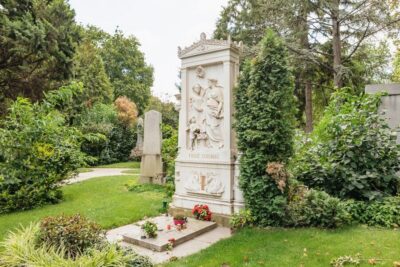
Guided Walking Tour of City Highlights & Hidden Gems
Read our review →
Vienna Historic Center Small Group Walking Tour
Read our review →
Browse the lists this tour appears in