
Reviewed · WALKING TOURS
Vienna: Private Walking Tour
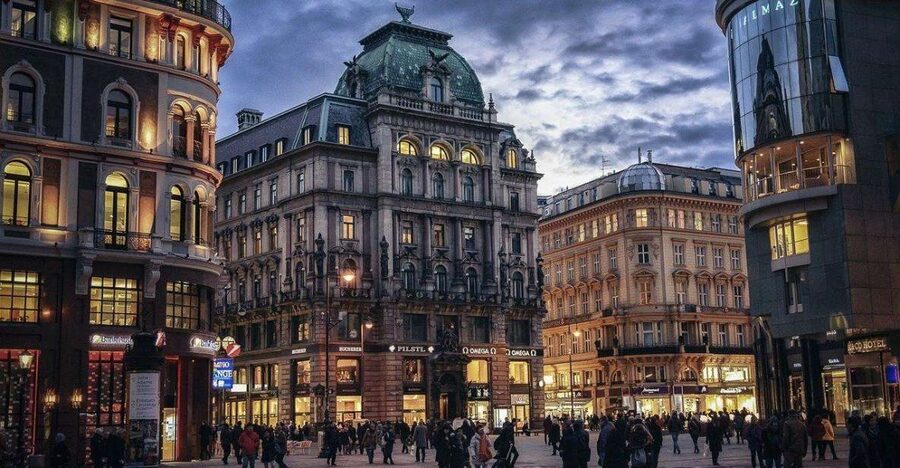
Vienna can feel like a movie set of history. This private walking tour strings together Roman Vindobona, the Habsburg rise, and the big shocks of later centuries in about two hours. You start in the heart of it all and get a guide who keeps the story going from the street level up to the imperial highlights.
I especially like how the tour ties major sites to specific chapters of time, not just dates. Stephansdom and the emperor-focused churches (like Michaelerkirche and Peterskirche) give you clear anchors, so the timeline sticks. I also love that music shows up as part of the city, with the State Opera House linked to composers you already know.
One consideration: since entrance fees are not included, you are mostly set for streets, exteriors, and key viewpoints. If you want inside time at museums or buildings, plan on adding tickets separately.
In This Review
- Key things I’d circle before you go
- A private 2-hour route that teaches you how Vienna grew
- Starting at Stephansplatz, where the story has a spine
- Roman Vindobona to medieval walls, right in the center
- Peterskirche and Michaelerkirche, the emperor connection you can actually see
- Graben Street (Der Graben) and the Richard the Lionheart twist
- Hofburg, museum facades, and how the Habsburgs put power on display
- The State Opera House, from the 1860s to the sounds you know
- How Vienna moves from Austro-Hungarian grandeur to WWI
- Price and value for a private group up to 15 people
- What to expect day-of, in plain terms
- Should you book this Vienna Private Walking Tour?
- FAQ
- How long is the Vienna Private Walking Tour?
- Where does the tour meet?
- What is the price for this tour?
- Is the tour private?
- What languages are available for the live guide?
- What is included in the tour price?
- Are entrance fees included?
- FAQ
- What is the cancellation policy?
- Can I reserve without paying right away?
- Are there starting times?
- What type of booking options does the operator offer?
- Is this tour offered in a private group format?
- Which highlights will I see during the walk?
- Which languages does the guide speak?
Key things I’d circle before you go
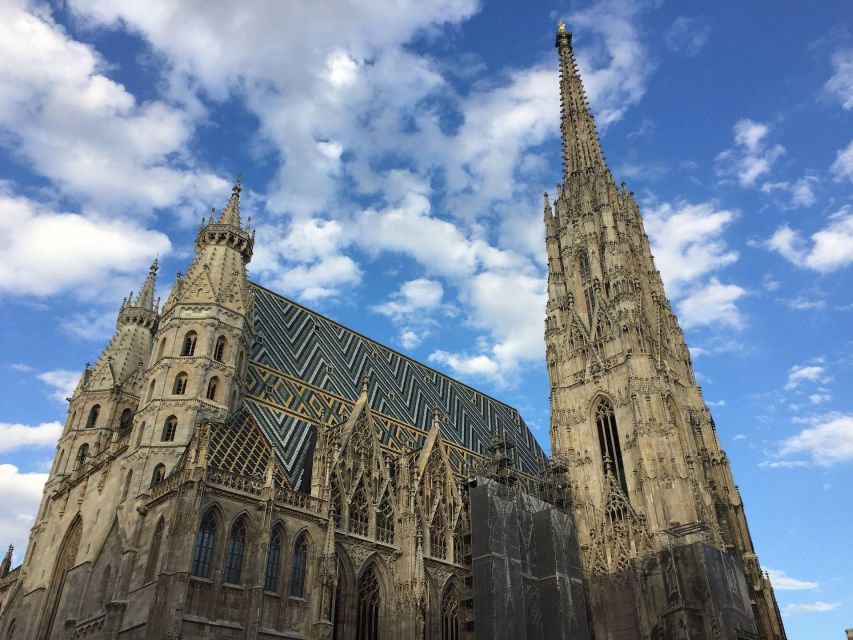
- Roman roots and medieval layers, including Vindobona connections and older walls around the center
- Stephansplatz and Stephansdom as your main visual anchor for the whole walk
- Emperor churches close together, like Michaelerkirche and Peterskirche
- Graben Street (Der Graben), including the story of Richard the Lionheart entering the city
- Opera and conductors, with the State Opera House dating to the 1860s and major works named out
A private 2-hour route that teaches you how Vienna grew
This is a private group walking tour, lasting 2 hours, priced per group up to 15 people. That private setup matters. You can keep questions rolling, and your local guide can adjust what you focus on on the spot.
You get the kind of tour that works best when you want orientation fast. Vienna is spread out, and landmarks can feel disconnected if you just hop on your own. Here, the guide stitches the city’s big arcs into the places you can actually reach on foot.
The best payoff is mental. After this, you should feel less like you are wandering, more like you are reading. You will see the same streets you might otherwise treat as background, but now they connect to Roman, medieval, imperial, and modern turning points.
Have a guide keep the pace


Starting at Stephansplatz, where the story has a spine
Your meeting point is Stephansplatz 8A, 1010 Wien. This area is the perfect start because it is already loaded with meaning, and it gives you the central skyline reference for what follows.
From Stephansplatz, you are pointed toward Stephansdom, Vienna’s cathedral. The tour frames it as a majestic Roman-Gothic masterpiece and notes it as one of the tallest churches in the world. Even if you do not go inside, seeing it from the square helps you understand why this part of the city mattered for centuries.
This is also where the Habsburg narrative becomes easier to picture. The guide uses the surrounding area to explain how Vienna’s power and identity stacked up over time, from earlier urban life to the later imperial show of confidence.
Roman Vindobona to medieval walls, right in the center
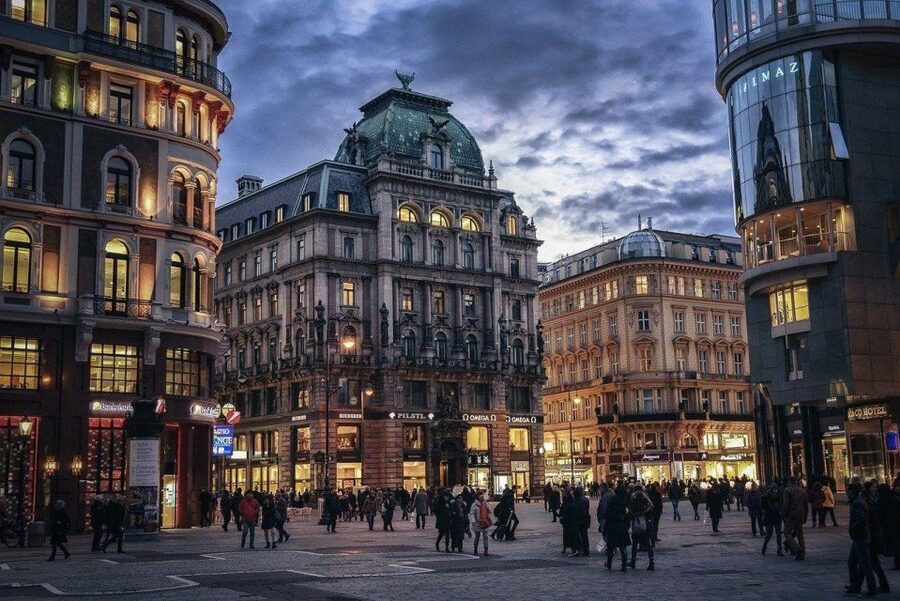
One of the most interesting aspects of this tour is how often it drops you back into earlier layers while you are still in the same walkable zone.
You will hear about Vienna’s roots as Roman Vindobona, and you will also see references to ancient Roman ruins in the center of the square. The tour also calls out old medieval walls and remnants of the old Burg Theatre. In plain terms, it is an urban palimpsest, the city written over and over.
I like this approach because it keeps you from treating old Vienna as a museum piece. You are learning how the ground plan itself changed. Even when you are looking at later stonework, the guide keeps reminding you that the area was important long before the Habsburgs made it their stage.
A practical tip: keep your eyes up and down while walking. When a guide mentions ruins or wall remnants, those details can be easy to miss if you only stare at the biggest facade.
Peterskirche and Michaelerkirche, the emperor connection you can actually see
Two churches anchor the tour’s religious and political thread: Peterskirche (St. Peter’s Church) and Michaelerkirche (Church of St. Michael).
You will reach Peterskirche, described as being here since the 4th century. That detail is huge. It is a reminder that Vienna’s identity did not begin with the Habsburg monarchy. Long before imperial power became the headline, this was already a place of continuity and community.
Then you pass the Michaelertor gate and see Michaelerkirche, described as the official church of the emperors for years. That is the moment where the tour’s theme turns from old foundations to political authority expressed through religion and ceremony.
If you care about how power works, these stops are worth your attention. They are not just pretty buildings. They show you how the emperor’s world used institutions to project legitimacy.
Other ways to round out a Vienna visit
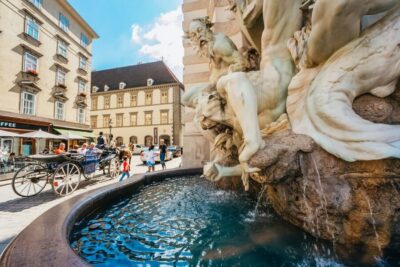
- Vienna: Guided Walking Tour of City Center Highlights★ 4.7 · 4,989 reviews
- Vienna: Vienna Central Cemetery Guided Walking Tour★ 4.8 · 3,307 reviews
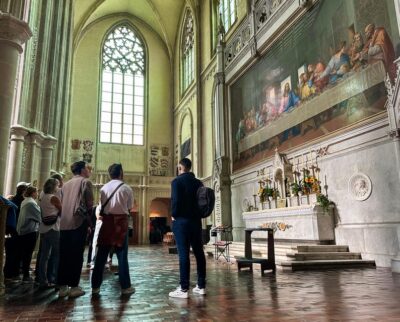
- Vienna: Guided Walking Tour of City Highlights & Hidden Gems★ 4.9 · 2,180 reviews
- Vienna: Viennese Underworld Guided Walking Tour★ 4.7 · 1,865 reviews
Graben Street (Der Graben) and the Richard the Lionheart twist
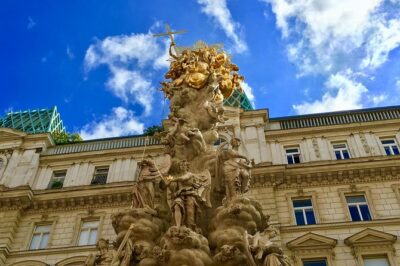
Next up is Graben Street, known as Der Graben. The tour frames it as dating back to the Roman Empire, which is a strong reminder that even major streets can carry ancient logic.
Then the guide adds a story hook: Der Graben is described as a route used by Richard the Lionheart to enter the city. That kind of named historical character can make the whole Middle Ages feel less abstract.
What I find useful here is that the tour does not keep history in the clouds. It tells you what to look for while you are walking: the street alignment, the street-level flow, and the sense that this corridor has served different eras for different reasons.
Hofburg, museum facades, and how the Habsburgs put power on display
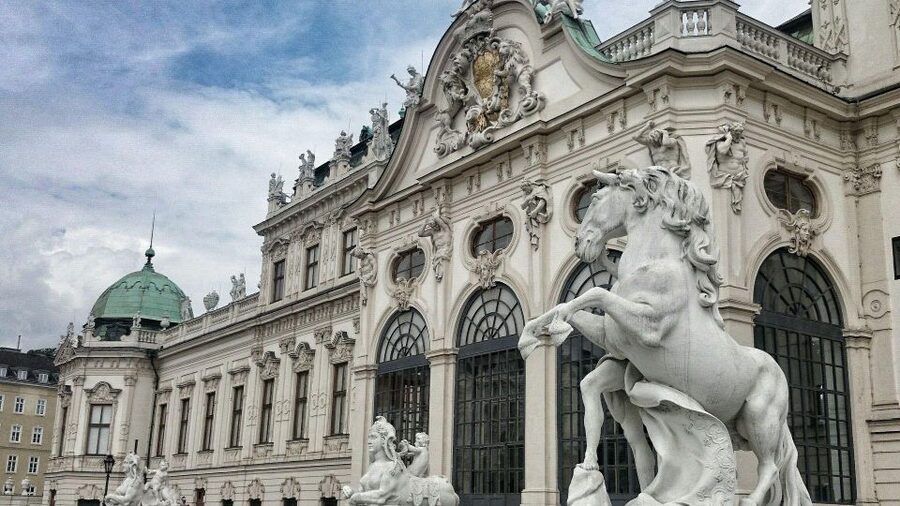
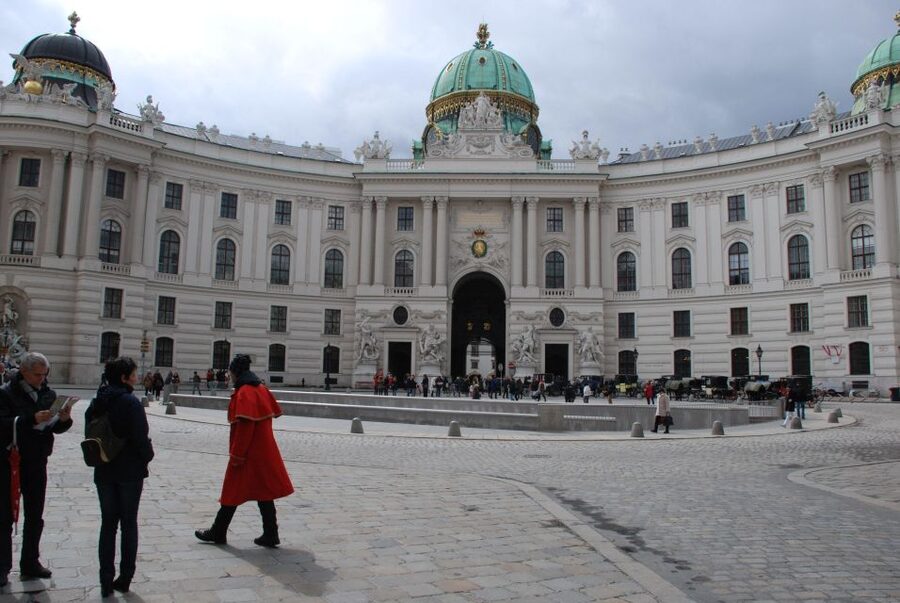
You will see the Hofburg, described as the opulent home of the Habsburg Empire for centuries. This stop is important because it turns the Habsburg story from a concept into something you can point at.
The tour also includes the facades of the Natural History Museum and the Art History Museum. The fact that it highlights facades matters for expectations. Entrance fees are not included, so you are learning the visual impact of this cultural district as you move through it, not paying for full interior museum time.
In other words, you are getting the showmanship of Vienna, not the deep museum dive. Still, facades tell you a lot, especially in Vienna, where architectural style often served as a public statement of taste and authority.
If you like your sightseeing with context, this is a good area to slow down. Stand where the guide suggests, and you will connect the buildings to the idea of a city run like a grand political and artistic project.
The State Opera House, from the 1860s to the sounds you know
Music is a major thread in this tour, and it is not random. You will see the State Opera House, described as dating to the 1860s, and tied to performances such as Verdi’s Don Carlo, as well as La Traviata and La Clemenza di Tito.
The tour also names heavyweight conductors associated with the opera world, including Gustav Mahler, Herbert von Karajan, and Claudio Abbado. It even drops the composer constellation that Vienna is famous for: Wolfgang Amadeus Mozart, Josef Haydn, Ludwig van Beethoven, Franz Schubert, Johann Strauss (father and son), Johannes Brahms, and Gustav Mahler again.
Here is why I think this part is valuable for you. If you already know the names, you can place them in a setting. If you do not, the guide gives you a map of who belongs to Vienna’s musical identity and why the city’s reputation spreads so far.
You might want to plan a small follow-up too. Even if you do not book a performance, having the opera house in your head makes Vienna’s other cultural sites feel less random.
How Vienna moves from Austro-Hungarian grandeur to WWI
The tour’s strongest feature is the way it keeps the big historical turns linked to real stops you can see.
You will walk through eras that include the Babenberg period and Austro-Hungarian grandeur. Later, the guide brings in conflicts and instability, including the Ottoman Siege of Vienna. Then you get the messy lead-in to World War I, plus a look at Austria’s transformation afterward.
That is a lot for two hours, so the guide is doing something smart: focusing on the connections. Instead of treating each era as separate, you start to see how power structures, cultural ambition, and conflict shaped the city you stand in.
If your biggest goal is understanding why Vienna looks the way it does and why the story changes between monuments, this tour fits your need.
Price and value for a private group up to 15 people
The price is $313 per group for up to 15 people, for a 2-hour private walk with a local professional guide. This pricing is very different from per-person tours, so value depends on your group size.
At the top end, with 15 people sharing the cost, it pencils out to roughly $21 per person. With a smaller group, the per-person cost rises, so it is often best for groups of friends, families, or a small private party where you can split the guide fee.
One more value note: the tour includes customization on the spot with your local guide. That means you are not just buying a fixed script, you are paying for the flexibility to spend more time on what you care about, like the Roman-to-medieval layers or the opera and cultural side.
What to expect day-of, in plain terms
You should expect a walking tour through central Vienna with frequent storytelling stops. The highlights list points to a mix of major anchors (Stephansdom, Hofburg area, State Opera House) and supporting scenes (Michaelertor, Peterskirche, Graben Street, Roman ruins references).
You will be outside a lot. Wear comfortable shoes, and bring a layer for changing weather. This is especially smart because it is only two hours, so every minute counts.
Also note the guide speaks English and German. If you want English, make sure the booking fits your language preference.
Should you book this Vienna Private Walking Tour?
I think you should book it if you want a fast, structured way to understand Vienna’s evolution, from Roman roots through the Habsburg era, the Ottoman Siege of Vienna, and the pressures that led toward World War I. It is also a great fit if you care about the city’s cultural identity and want the State Opera House and composer names placed into context.
Skip it or add more planning if your main goal is museum interiors. Entrance fees are not included, and several highlights are explicitly described through facades and exterior views. You can still get a lot, but you will likely want a second stop later for deeper indoor time.
If you have a small group, this private format is often the best value. If you are going solo or as a couple, check whether splitting the cost with others is possible, because the per-person value depends on your group size.
FAQ
How long is the Vienna Private Walking Tour?
The tour lasts 2 hours.
Where does the tour meet?
The meeting point is Stephansplatz 8A, 1010 Wien, Austria.
What is the price for this tour?
It is $313 per group, up to 15 people.
Is the tour private?
Yes, it is a private group tour.
What languages are available for the live guide?
The live tour guide is available in English and German.
What is included in the tour price?
A local professional guide will be with your group only, and there may be possible customization on the spot.
Are entrance fees included?
No, entrance fees are not included.
FAQ
What is the cancellation policy?
You can cancel up to 24 hours in advance for a full refund.
Can I reserve without paying right away?
Yes, you can reserve now and pay later.
Are there starting times?
You can check availability to see starting times.
What type of booking options does the operator offer?
Reserve now & pay later is offered, and there is free cancellation up to 24 hours in advance.
Is this tour offered in a private group format?
Yes, it is listed as a private group.
Which highlights will I see during the walk?
You can expect to see places including Stephansplatz and Stephansdom, Peterskirche, Michaelerkirche and the Michaelertor gate, Graben Street (Der Graben), the Hofburg area, museum facades, the Mozart Monument, and the State Opera House.
Which languages does the guide speak?
The guide speaks English and German.
Latest Additions
- Wachau Valley Private Wine Tour with Tasting and Gourmet Lunch
★ 5.0 · 1 review - Vienna: Danube Valley Tour with Melk, Dürnstein with wine tasting and boat.
★ 5.0 · 1 review - Private city tour in Vienna
★ 5.0 · 1 review - Hallstatt Small Group Day Trip from Vienna
★ 3.0 · 1 review - Inside Freud’s Mind: Self-Guided Mystery Walk in Vienna
★ 4.0 · 1 review - Private Transfer from Vienna to Prague
★ 5.0 · 1 review - Vienna’s Christmas Market Magic Tour
★ 5.0 · 1 review
Walking Tours, compared.
Guided Walking Tour of City Center Highlights
Read our review →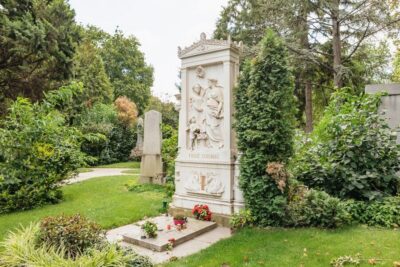
Guided Walking Tour of City Highlights & Hidden Gems
Read our review →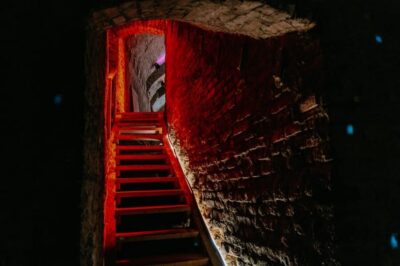
Vienna Historic Center Small Group Walking Tour
Read our review →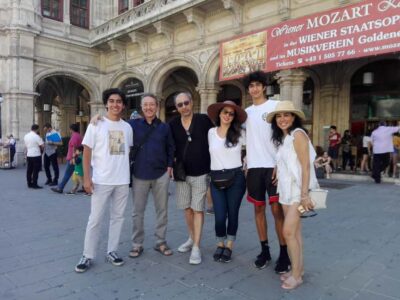
Browse the lists this tour appears in