
Reviewed · KLIMT ART TOURS
Vienna: Klimt Villa (Gustav Klimt Atelier & Museum) Ticket
Klimt created his last works here, with history close behind. At the Klimt Villa, you’ll visit his final studio space, including a room-in-room reconstruction that keeps his working area intact, and you’ll also face the Klimt Lost exhibition, which connects art to persecution and restitution. It’s one of those Vienna stops where beauty and truth sit side by side, and you’ll walk away thinking longer than you planned.
I especially love the way the visit moves from studio craft to garden calm, because it helps you understand how Klimt’s daily setting fed his art. The restored garden and its Klimt rose Damask bushes are a real sensory break, and on weekend afternoons in the right months, you can add Viennese coffee and cake in the garden café. One possible drawback is that the whole experience is on the small side, and the upper-floor print gallery may not always be accessible if it’s reserved for a private event.
In This Review
- Key things to notice before you go
- Klimt Villa in One Day: what your ticket actually gives you
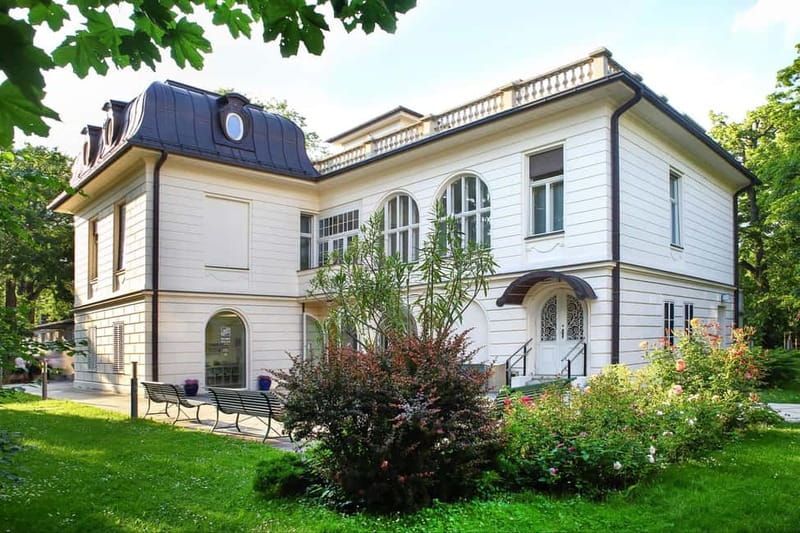
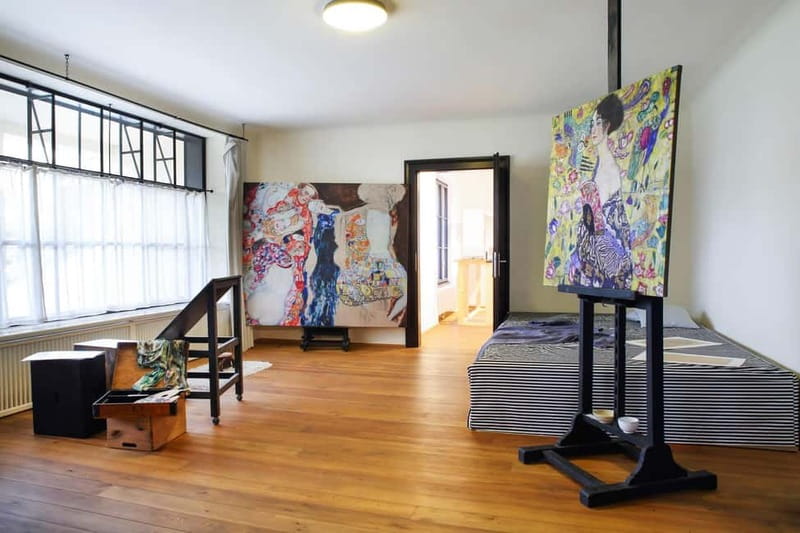
- The neo-baroque villa and Klimt’s final studio space
- The Klimt Lost exhibition: persecution, looting, and restitution
- The restored garden and the Klimt rose bloom window
- Garden Café for Viennese coffee and cake, weekends May to September
- Upper-floor print editions: what you’ll see in the second-floor gallery
- Using the smartphone guide without turning it into a chore
- Price and value at about $14: small visit, strong focus
- Who this is perfect for, and who might not love it
- Should you book the Klimt Villa ticket?
- FAQ
- How long is the Klimt Villa ticket valid for?
- What is included in the ticket?
- Is the smartphone guide available in English?
- Is the garden café available year-round?
- Can I bring food or drinks into the Klimt Villa?
- Is the second-floor print gallery guaranteed to be open?
Key things to notice before you go
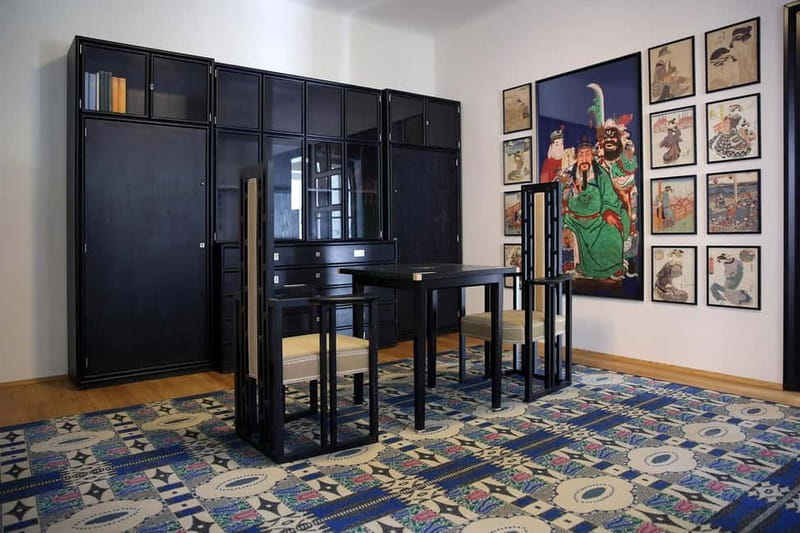
- Room-in-room studio preservation: You get to see the reconstructed studio and reception room, protected by a special build method that respected Klimt’s original workspace.
- The Klimt Lost exhibition’s focus: It centers on persecution and looting during National Socialism, then follows collectors’ long battles for restitution and justice.
- Garden timing matters: The famous Damask rose bloom window runs roughly from mid-May to late June.
- Coffee and cake are seasonal: The Garden Café runs on weekends from May to September, in fair weather.
- Print gallery access isn’t always guaranteed: The second-floor gallery is open unless reserved for a private event.
- Smartphone guide in 20 languages: You’ll have an included guide tool so you can pace yourself and switch languages easily.
Klimt Villa in One Day: what your ticket actually gives you
This is a focused 1-day visit built around three big ideas: Klimt’s final creative space, a heavy-hitting art-history story about loss and restitution, and a restored garden that connects his life to the imagery he made. Your ticket includes entry to the Klimt Villa and garden, access to Gustav Klimt’s final studio, and entry to the Klimt Lost exhibition. You’ll also have a smartphone guide service available in 20 languages, so you can follow along at your own speed.
The visit works best when you treat it like a short walk with pauses, not a checklist. Give yourself time to read labels and stand in the studio areas long enough to understand how the space is staged. The entire place is wheelchair accessible, and the basic visitor flow stays simple: studio and exhibition first, then the garden, with optional coffee and cake if the café is running.
Follow the gold leaf through Vienna


The neo-baroque villa and Klimt’s final studio space
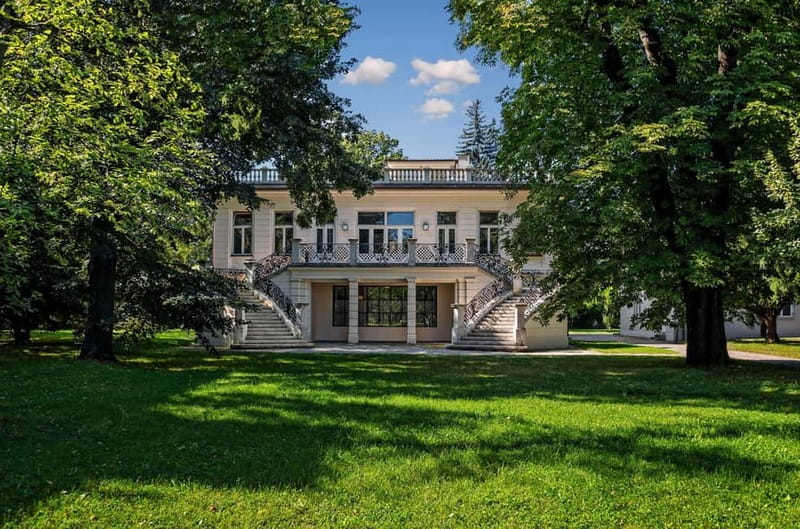
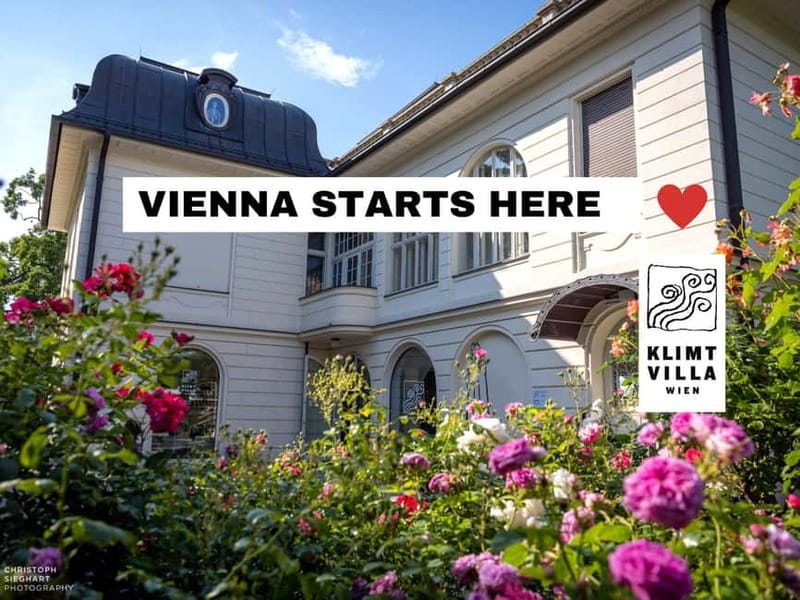
Klimt’s creative sanctuary in this building ran from 1911 to 1918, when he was at work until his death. What you’re seeing today is not just a static museum set. The studio underwent a posthumous transformation from a ground-floor garden house into the neo-baroque villa form you visit now. That matters because the building story becomes part of how you interpret the artworks and the man who made them.
The big highlight is the room-in-room approach. Instead of trying to recreate everything from scratch, the reconstruction preserved Klimt’s original work area through a careful room-within-a-room method. In practice, that gives you a clearer sense of place, because the studio and reception room feel like a lived-in working environment, not a generic exhibit room. If you’re a Klimt fan, you’ll also be primed to notice how specific works connect to the space and time period, including Adele Bloch-Bauer II, Friederike Beer, The Bride, Adam and Eve, and Lady with Fan.
Practical tip: plan to spend extra time in the studio highlight areas even if you move fast elsewhere. This site rewards calm pacing. If you only skim, you’ll miss the point of the reconstruction.
The Klimt Lost exhibition: persecution, looting, and restitution
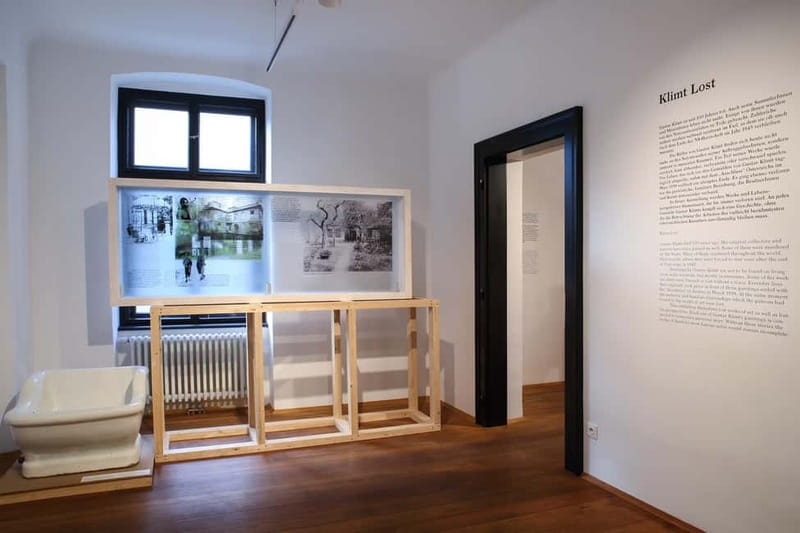
If the studio is the heart of the experience, Klimt Lost is the conscience. This exhibition looks at the moving history of persecution and looting of Klimt’s collectors and artworks during National Socialism. It also follows what happened to surviving collectors afterward, including how many of them fought for restitution and justice for years, sometimes for decades.
This isn’t the kind of exhibit that asks you to just admire. It asks you to sit with complicated facts and human consequences. If you’re visiting on a day when you already have heavy museum content, you may want to give Klimt Lost its own time slot so it doesn’t blend into other information. If you’re traveling with kids or anyone sensitive to dark topics, you can still go, but be ready for a serious tone.
The exhibition labels and descriptions are available in German and English, and the included smartphone guide can help you keep your bearings. You can treat it like a structured story, not just a collection of panels. Take a moment before you enter, then commit to reading the main sections instead of drifting.
The restored garden and the Klimt rose bloom window
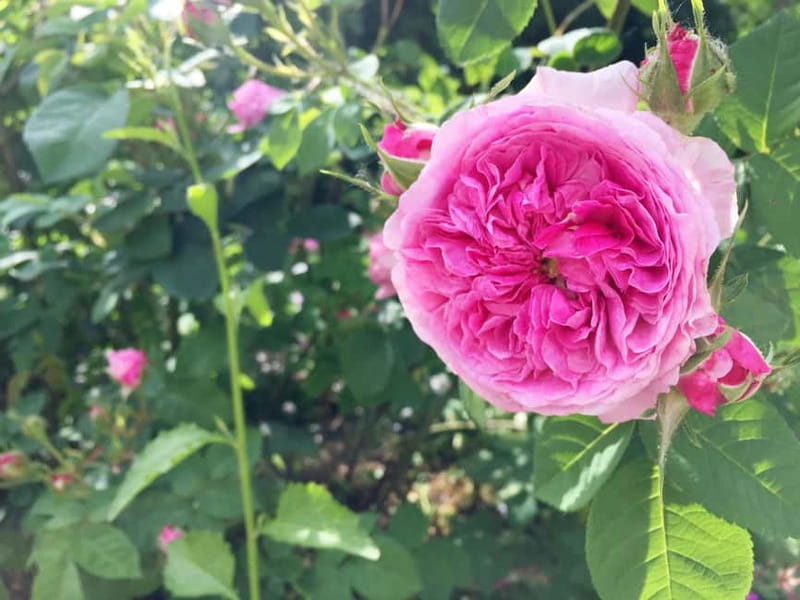
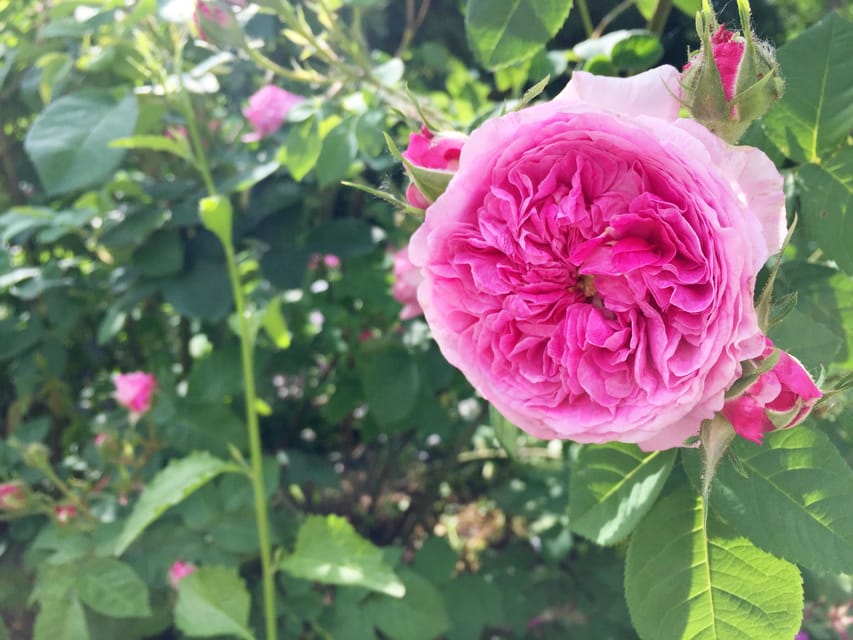
After the exhibition, the garden feels like a reset button. It’s not an afterthought. The grounds are continuously restored to keep the historic look and feel, and the floral centerpiece is the Damask roses known as the Klimt rose.
These roses were originally planted around 1900. Now they are lovingly cultivated again, with bloom typically running from mid-May to late June. That timing is useful because the garden experience changes with the seasons. In the full bloom window, you’ll see the garden at its most iconic and photo-friendly. Outside that window, the garden is still pleasant, but you won’t get the same peak floral moment.
Practical approach: if your travel dates land within mid-May to late June, schedule this visit for daytime so you can walk slowly among the rose bushes. If you’re going later in the year, still plan for garden time, but think of it as architectural beauty and historic atmosphere rather than peak blossoms.
Also note the building and garden connection: Klimt’s studio setting isn’t isolated from nature here. The garden’s restored charm helps you understand why flowers and organic forms show up in the thinking behind his work.
Other ways to round out a Vienna visit
- Vienna: Skip-the-Line Sisi Museum, Hofburg and Gardens Tour★ 4.8 · 5,918 reviews
- Vienna Kunsthistorisches Museum Day Admission Ticket★ 4.6 · 3,690 reviews
- Tickets for the Albertina Exhibitions★ 4.7 · 2,126 reviews
- Sigmund Freud Museum Ticket★ 4.6 · 1,668 reviews
Garden Café for Viennese coffee and cake, weekends May to September
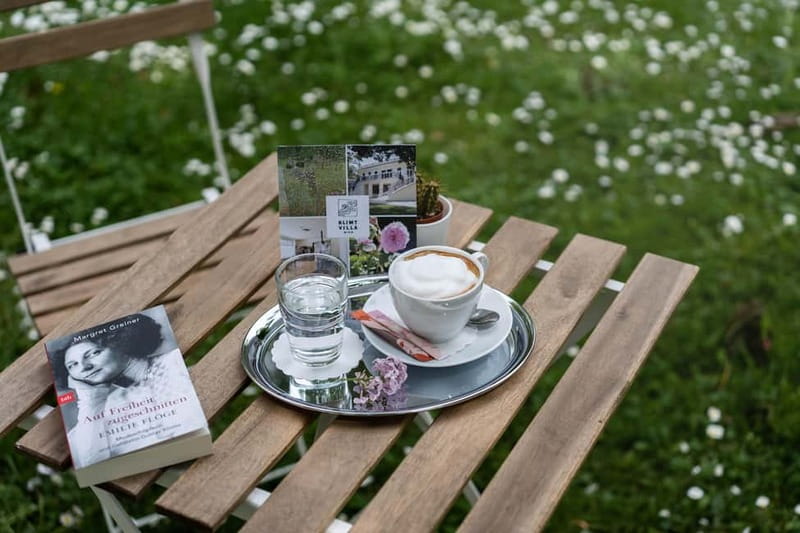
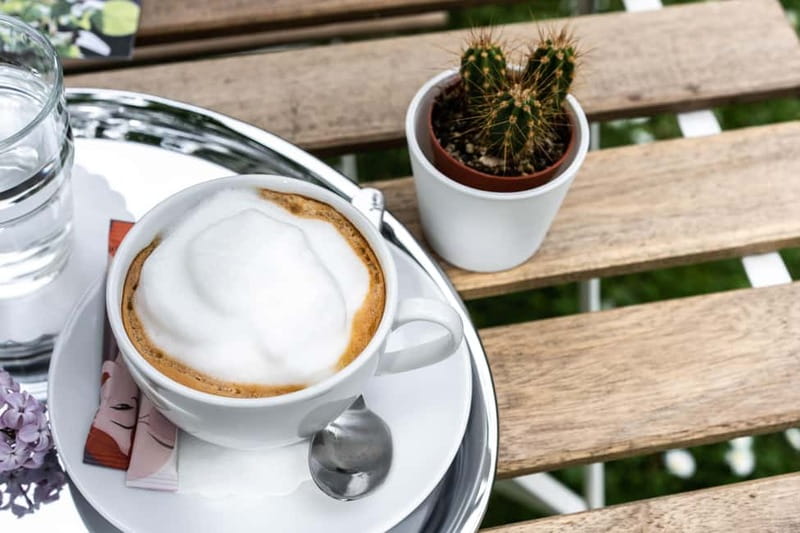
One of the best practical perks is that you can take a break in the Garden Café when conditions line up. The café is open on weekends from May to September, but only in fair weather. So yes, you get a chance to do the classic Vienna pattern, coffee and cake in a pretty garden setting, but it’s seasonal.
There’s another detail to keep in mind: food and drinks are not allowed inside, so you can’t treat this visit like a picnic stop. If the café is closed, you’ll still have the garden itself to enjoy, but you won’t have the on-site coffee and cake option.
If you want to maximize your comfort, build in a little buffer for the café hours. Even if you skip it, the garden pause is still worth it. This is the kind of stop where slowing down helps you absorb what you just learned.
Upper-floor print editions: what you’ll see in the second-floor gallery
On paper, the second-floor gallery sounds like a bonus. In reality, it can feel like part of the experience if you’re the type who likes to continue beyond the studio walls.
This upper-floor gallery features premium Klimt print editions and art reproductions, with works by Gustav Klimt, Egon Schiele, and Oskar Kokoschka. It’s a practical way to connect the visit to how Viennese Modernism spread beyond original canvases.
The important catch: access is not guaranteed, since the second-floor gallery can be reserved for a private event. In other words, it’s smart to plan to enjoy everything that is included, and treat the print gallery as a possible extra, not a sure thing.
If you do get in, give yourself a little time here. Even a short browse can help you remember which works you care about most, and it’s easier to compare themes when you’re thinking about Klimt alongside his circle.
Using the smartphone guide without turning it into a chore
The smartphone guide is included, and it’s available in 20 languages. That’s a big deal for two reasons. First, it means the site is designed to be understood even if you’re not fluent in German. Second, it allows you to move at your own pace instead of waiting for a group or trying to decode every label.
You can also rely on the basics even without the phone because the exhibition labels and descriptions are available in German and English. But the smartphone guide is where you’ll likely feel the value, especially for Klimt Lost, where the subject matter depends on context.
A good way to use it: start the studio area with the guide so you understand what you’re looking at, then switch to “read mode” during the garden where the pacing should be calmer. For the exhibition, use the guide when you feel your attention slipping, then give yourself a few minutes to take in the story without constant screen time.
Price and value at about $14: small visit, strong focus
At roughly $14 per person, this ticket is priced for people who want a concentrated, high-impact visit rather than an all-day museum marathon. The value comes from the combination, not one single attraction: you’re getting Klimt’s final studio access, entry to the Klimt Lost exhibition, access to the garden, and an included smartphone guide.
Yes, the site may feel smaller than big-name museums, so the “value per hour” depends on your travel style. If you like walking, reading, and soaking in one or two focused places, this is a good fit. If you want a huge museum with many wings and lots of variety, you might feel like you finished quickly.
Also, café value depends on your timing. Coffee and cake can be a lovely bonus on weekend afternoons from May to September in fair weather, but the visit still makes sense even without it. If you’re traveling in a colder month, plan your expectations around the studio and exhibition, then treat the garden as part of the historic atmosphere rather than a floral peak.
Bottom line: the ticket price feels fair because you’re paying for preserved space, a structured exhibition, and an included guide. It’s not a discount ticket for a quick photo stop.
Who this is perfect for, and who might not love it
This is best for you if you’re one of these travelers:
- A Klimt fan who wants his final studio setting, not just famous works in a distant room
- Someone who cares about the intersection of art and history, especially how loss and restitution show up in real lives
- A traveler who likes a mix of meaning and calm, because the garden break is built into the experience
You might want to think twice if you’re chasing a long list of things to do in one day. This ticket is focused, and that’s its strength, but it’s also why the visit can feel short. The second-floor gallery is also not guaranteed, so you should be fine if it’s unavailable that day.
If you’re visiting Vienna for modern art context, this fits well with other stops. But if you’re mainly in Vienna for grand palaces and huge museum collections, you may prefer larger museums for sheer breadth.
Should you book the Klimt Villa ticket?
I think you should book it if you want a short Vienna visit with real weight. The combination of Klimt’s final studio reconstruction and the Klimt Lost exhibition gives you both the art-world beauty and the unsettling human story behind it. Then you can end with a garden walk and, when timing works, coffee and cake in the Garden Café.
Book with confidence if your dates fall during the rose season, mid-May to late June, because the garden is a key part of the experience. If you’re going outside that window, it still works, you just shift from peak bloom to historic garden atmosphere.
One practical way to make your decision: if you’d rather have one meaningful site than several crowded ones, the Klimt Villa ticket is a smart use of your time.
FAQ
How long is the Klimt Villa ticket valid for?
The ticket is valid for 1 day. You’ll also want to check available starting times for the day you plan to go.
What is included in the ticket?
Your ticket includes entrance to the Klimt Villa and its garden, access to Gustav Klimt’s final studio, and access to the Klimt Lost exhibition. A smartphone guide service is also included.
Is the smartphone guide available in English?
Yes. The smartphone guide service is available in 20 languages, including English, and many other languages are offered as well.
Is the garden café available year-round?
No. The Garden Café is open on weekends from May to September in fair weather.
Can I bring food or drinks into the Klimt Villa?
No. Food and drinks are not allowed.
Is the second-floor print gallery guaranteed to be open?
Access to the second-floor gallery is not guaranteed, since it may be reserved for a private event on some days.
Latest Additions
- Wachau Valley Private Wine Tour with Tasting and Gourmet Lunch
★ 5.0 · 1 review - Vienna: Danube Valley Tour with Melk, Dürnstein with wine tasting and boat.
★ 5.0 · 1 review - Private city tour in Vienna
★ 5.0 · 1 review - Hallstatt Small Group Day Trip from Vienna
★ 3.0 · 1 review - Inside Freud’s Mind: Self-Guided Mystery Walk in Vienna
★ 4.0 · 1 review - Private Transfer from Vienna to Prague
★ 5.0 · 1 review - Vienna’s Christmas Market Magic Tour
★ 5.0 · 1 review
Klimt Art Tours, compared.

Entry Ticket Upper Belvedere, Klimt’s Kiss & Permanent Collection
Read our review →
Tour of Gustav Klimt’s Art in 3 Museums with Tickets
Read our review →
Private Themed Tour of the Belvedere with an Art Historian: “The Kiss” by Gustav Klimt: how it became the Symbol of the Viennese Art
Read our review →
Big Tour of Gustav Klimt’s Art in Vienna: Belvedere, Secession & Leopold Museum with Skip-the-Line Tickets
Read our review →
Private Klimt & Vienna Art Walk — From Baroque to Secession
Read our review →
Private Tour with an Art Historian of the Leopold Museum: Gustav Klimt, Egon Schiele and Viennese Art Nouveau
Read our review →
Belvedere & The Best of Gustav Klimt Private Tour
Read our review →Browse the lists this tour appears in