
Reviewed · MUSEUMS
Sigmund Freud Museum Ticket
Freud’s couch is waiting for you in Vienna. This museum is built around Berggasse 19 and shows the rooms where Sigmund Freud treated patients and lived, then connects it to the bigger story of psychoanalysis. I loved how the visit mixes personal rooms with the ideas that changed psychology.
What really grabbed me was the mix of media. You can hear audio recordings of Sigmund and Anna Freud, watch 1930s family videos, and use your phone for the AR experience Freud’s Couch right where the iconic furniture was placed.
One thing to consider: some rooms can be easier to miss in a hurry because the layout is not always the simplest chronological path, and lighting is not super bright in every area. If you like to see everything at a slow pace, plan extra time and bring patience.
In This Review
- Key highlights worth your attention
- Entering Berggasse 19, Vienna’s Psychoanalysis Address
- The rooms Freud used, including the clinic and private life
- Hear Sigmund and Anna Freud, then watch the 1930s footage
- The AR moment: Freud’s Couch on your phone
- A staircase that connects floors and tells the difficult timeline
- Exile, London, and the fate of the Freud family
- Freud’s former office, plus conceptual art: Hidden Thoughts of a Visual Nature
- The museum shop and café stop that makes it feel complete
- Price and value: what $18 buys you in Vienna
- Practical timing, what to wear, and how to avoid frustration
- Should you book this Freud Museum ticket?
- FAQ
- How much does the Sigmund Freud Museum ticket cost?
- How long is the visit?
- Where do I present my ticket?
- Do I get to skip the ticket line?
- Is flash photography allowed?
- Can I use my phone for the AR feature?
- Is the museum wheelchair accessible?
- Is cancellation possible?
- Are opening hours fixed?
- Is there food or drink on site?
Key highlights worth your attention
- Follow Freud’s path through his actual home and clinic setup at Berggasse 19, including the historic steps to the mezzanine.
- Hear voices from Sigmund and Anna Freud through museum audio recordings.
- Use your phone for the AR installation Freud’s Couch, positioned where the famous piece of furniture sat.
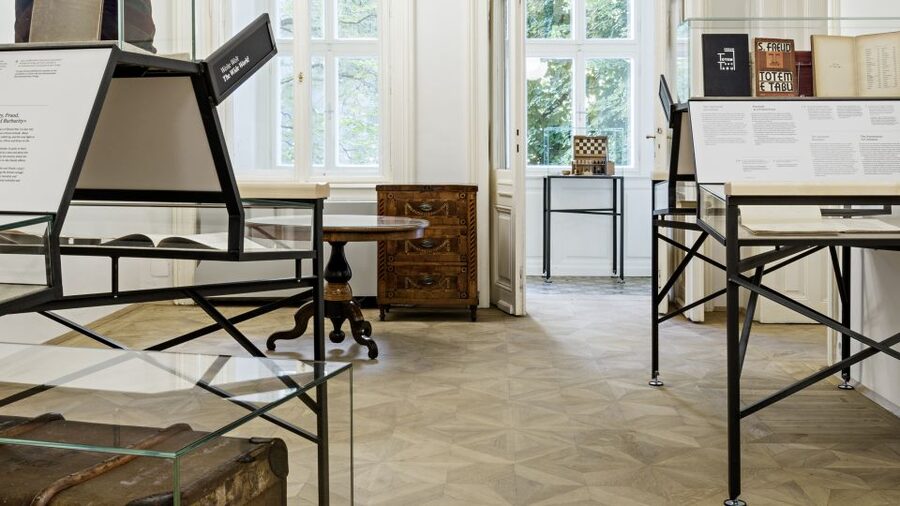
- Watch rare 1930s Freud family film and pick up context through original prints and first editions.
- See concept art inside Freud’s former office in the exhibit Hidden Thoughts of a Visual Nature.
- Don’t skip the hard history tied to Nazi violence at Berggasse 19 and the family’s fate after Freud’s flight.
Entering Berggasse 19, Vienna’s Psychoanalysis Address
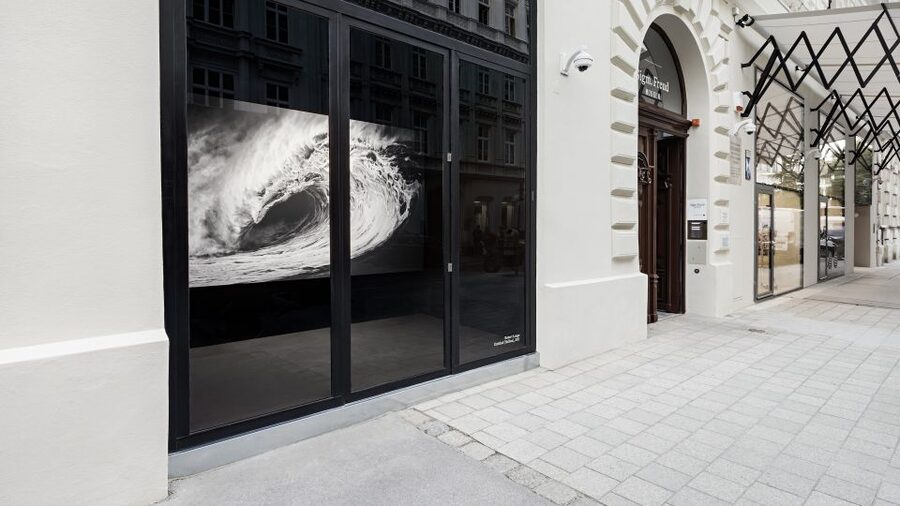
Berggasse 19 is one of those places where the location itself does some of the teaching. You are not looking at a recreated set in some distant exhibit hall. You are walking through the real flow of an early 20th century home and practice, the kind that helped turn Vienna into the birthplace of psychoanalysis.
The museum experience begins with your ticket voucher presented at the main entrance. From there, you take the historic entrance steps and head toward the mezzanine area, where the Freud family lived. It is a subtle but powerful setup. You start where people actually entered, then you move into the spaces where work and family life overlapped.
I like that the museum gives you context as you go. The rooms are not just labeled. The experience keeps linking Freud’s professional stations and biographical details to the wider intellectual world he lived in.
Other ways to round out a Vienna visit


The rooms Freud used, including the clinic and private life
If you come for psychoanalysis, you still get a human-scale visit. The museum shows the private rooms where the Freuds lived and worked for about half a decade, so you see the routines behind the legend.
A practical tip: this visit works best when you treat it like a walk through stations, not a race. Many people spend around an hour to see the main highlights, but others plan closer to 1.5 to 3 hours if you stop to read, watch, and listen. The museum layout lets you move through different orders, which can help if you want to start with Freud’s work and then shift to family life.
Inside, you can expect exhibits tied to his theoretical development. You’ll see rare printed materials, offprints, and first editions that help explain how his ideas formed over time. If you like to understand how theory grows from actual practice and correspondence, this is the part that feels the most tangible.
Hear Sigmund and Anna Freud, then watch the 1930s footage
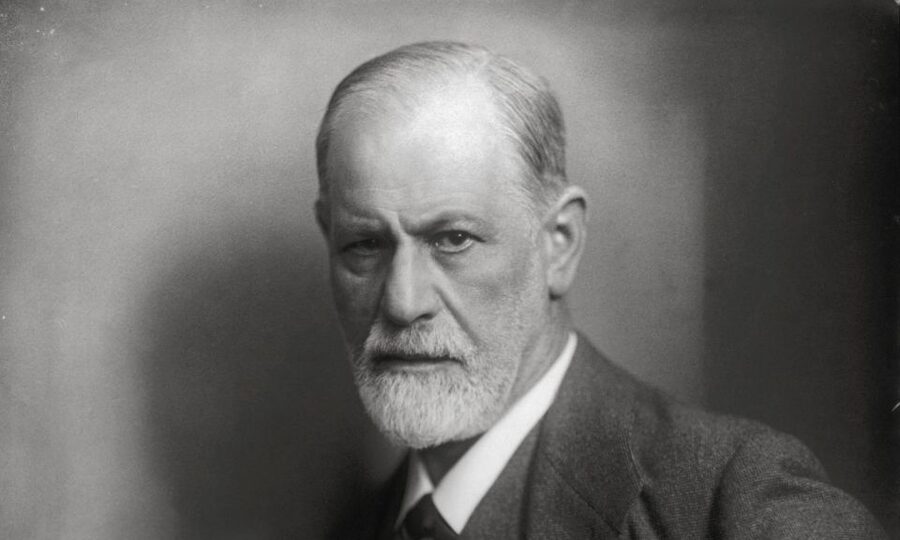
The museum leans into “voices” in a way I found memorable. Audio recordings feature the voices of Sigmund and Anna Freud, giving you a sense of presence that you will not get from a simple text panel. It also makes the visit feel less like a dry museum stop and more like a conversation with history.
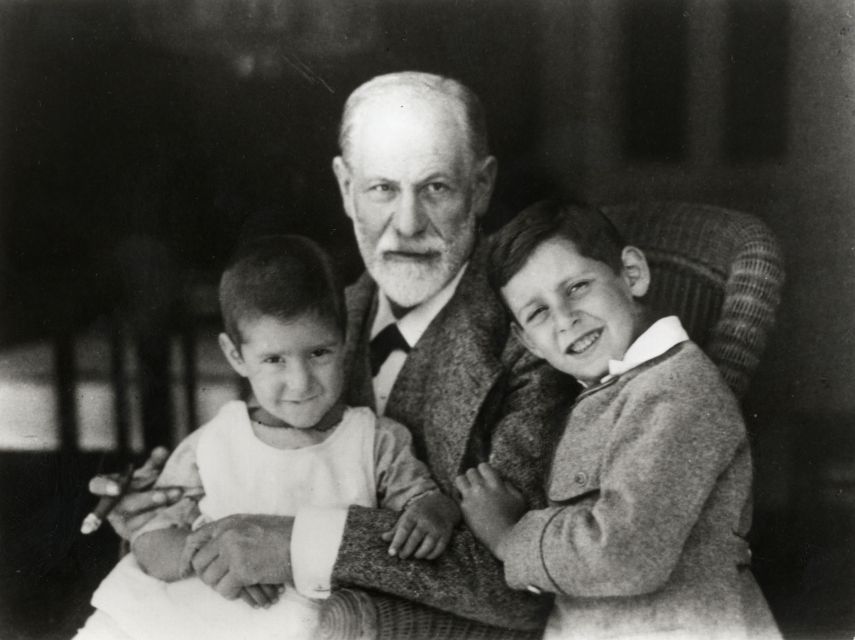
Then come the videos. There is unique Freud family film material from the 1930s, which turns the story from professional accomplishments into family reality. You see how life looked from inside that world, before exile ripped it apart.
If you are visiting with kids, this museum has a playful edge. One of the nicest practical touches I noticed is the use of puzzle sticker activities hidden across rooms, including a theme around finding Freud’s dog. It is a smart way to keep younger visitors moving while still letting adults read the exhibits.
The AR moment: Freud’s Couch on your phone
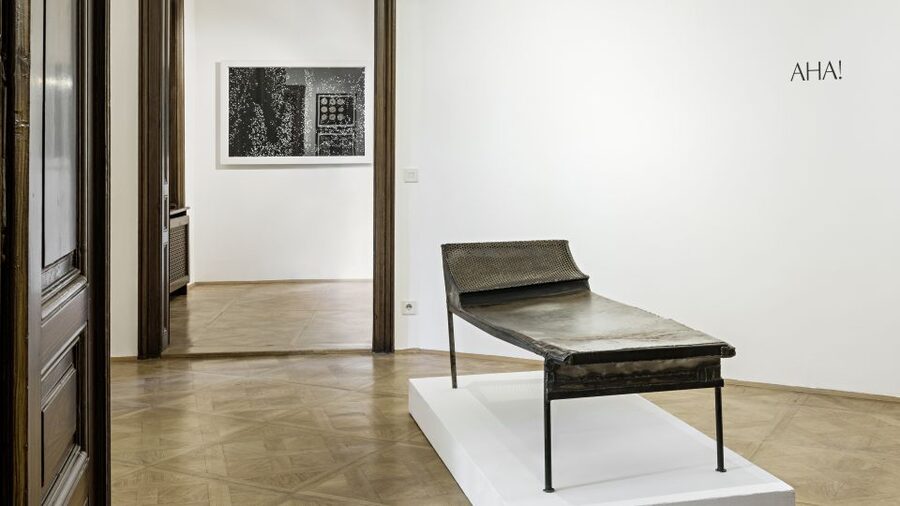
The AR installation is one of the most “now” parts of the museum, which is exactly what I like in historic sites. The experience is Freud’s Couch, and you use your phone to start it right in the place where the famous couch sat.
A key detail: the couch you remember from pop culture is not necessarily sitting there in the normal way. The museum experience instead uses AR to show you the couch in context, which helps you understand the furniture’s place in the room’s layout. If you expected a literal couch artifact on the floor, plan for AR as the main way you meet it.
This part works especially well if you follow your curiosity. Pause before you launch the AR, then look at the space again once you do. That before-and-after view helps the experience click.
Beyond the palaces, the city keeps its own rhythm of coffee, concerts, and day trips nearby.
- Vienna: Vivaldi’s Four Seasons Concert in Karlskirche★ 4.7 · 14,951 reviews
- Vienna: Schönbrunn Palace & Gardens Skip-the-Line Tour★ 4.7 · 7,739 reviews
- Vienna: Light of Creation Votive Church Immersive Light Show★ 4.8 · 6,779 reviews
- Vienna Spanish Riding School Guided Tour★ 4.7 · 6,765 reviews
A staircase that connects floors and tells the difficult timeline
One of the design choices I appreciated is the newly built staircase connecting the museum floors. It does more than move you up and down. It tells the history of the house and its occupants, including the period after Freud’s expulsion.
This is where the museum does not let you glide past the darker turn. You see depictions of the Nazi violence connected to Jews being collected at Berggasse 19. The message is not subtle, and it is not there for dramatic effect. It is part of the museum’s aim: psychoanalysis is the headline, but the human cost and displacement are part of the same story.
If you prefer a lighter pace, you might want to mentally slow down here. Take your time. You will learn more if you let the timeline land rather than just scanning past it.
Exile, London, and the fate of the Freud family
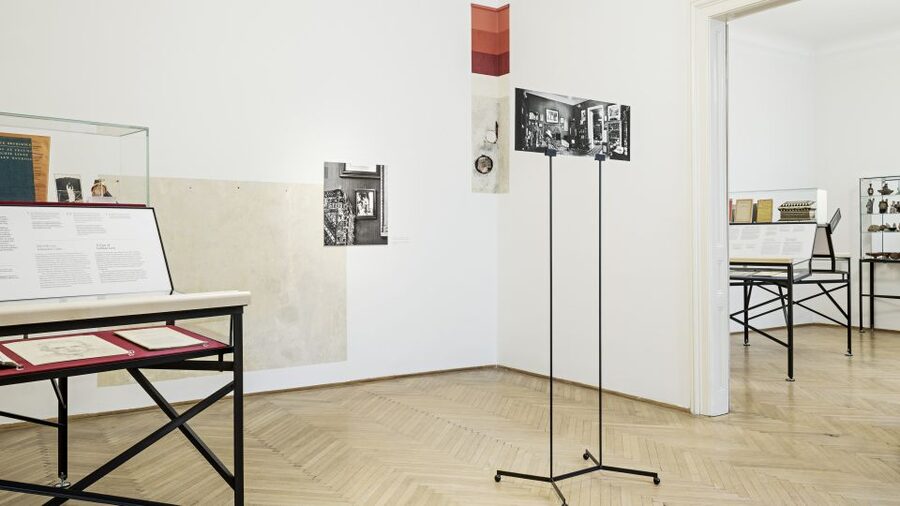
Another separate section focuses on the foyer gallery and Freud’s flight into exile in London with his closest family. It also covers what happened to the other family members and the tragedy of their fate after the Nazis took over.
You’ll see a story that includes Freud traveling with his brother Alexander, while the museum explains the fate of sisters Rosa, Marie, Pauline, and Adolfine, including their murder in Nazi extermination camps. This part can hit hard, even if you know the broad history.
I recommend treating this section as essential, not optional. It gives moral weight to everything you see earlier in the home and office exhibits. It also helps explain why some objects and furniture did not remain intact in Vienna when the family was forced out.
Freud’s former office, plus conceptual art: Hidden Thoughts of a Visual Nature
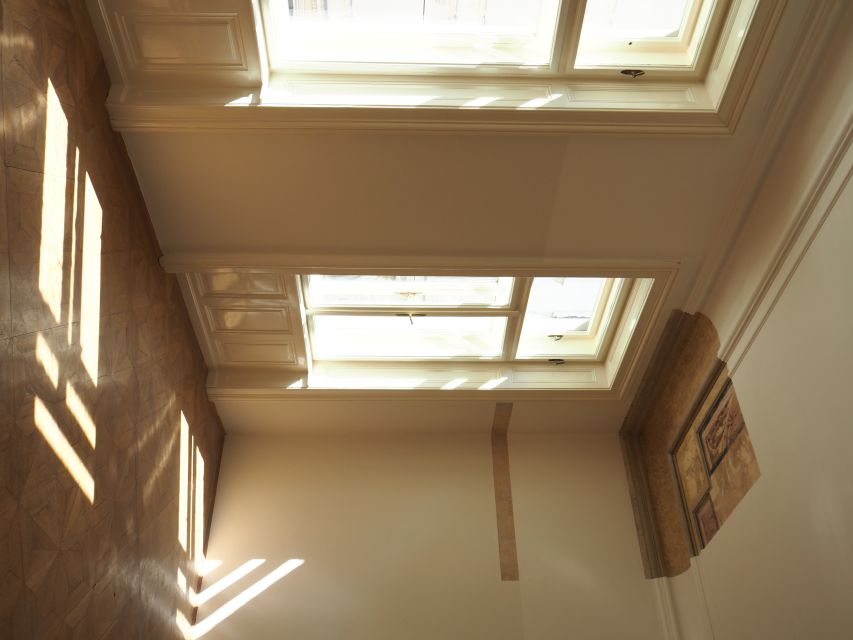
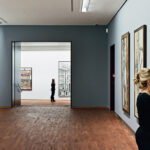
The museum does something smart with the former office space. In addition to the psychoanalysis story, you can see the permanent exhibition Hidden Thoughts of a Visual Nature, featuring conceptual art from the museum collection.
The art program includes works by artists such as John Baldessari, Joseph Kosuth, Susan Hiller, Franz West, and Haim Steinbach, among others. If you worry this will turn into random modern art, it usually helps to think of it as a bridge. Freud’s ideas about perception, interpretation, and hidden meaning connect naturally to conceptual artists working with visual thought.
Even if modern art is not your favorite genre, this section gives your brain a different kind of exercise. It turns the museum from a biography into a question: how do people make sense of what they cannot say directly?
The museum shop and café stop that makes it feel complete
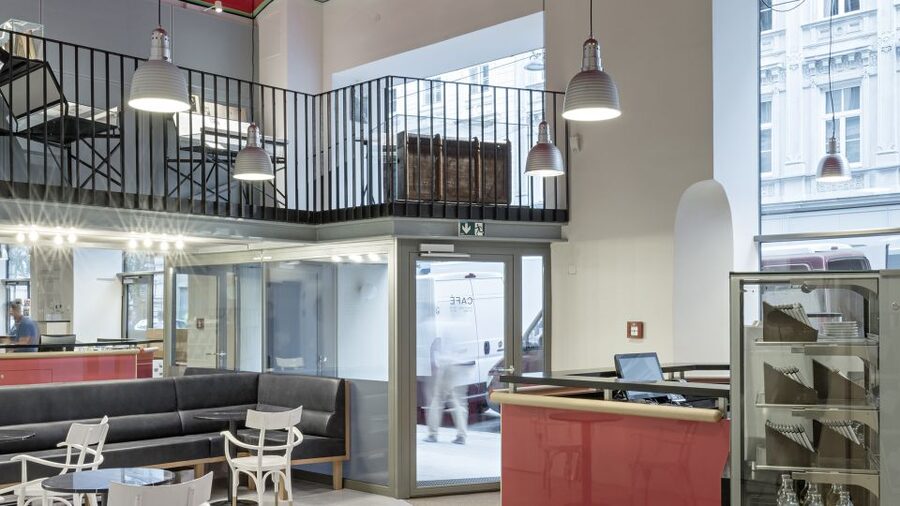
After all that thinking, you can land back in normal life with the museum shop and café. This is one of those practical finishes that make a museum outing feel like a full visit rather than a quick in-and-out.
You can browse books and gifts, and then choose an original Viennese coffee with cake, or a glass of Viennese wine instead. If you like taking notes on themes you want to read about later, this is the moment to buy a solid book and plan your next step.
Price and value: what $18 buys you in Vienna
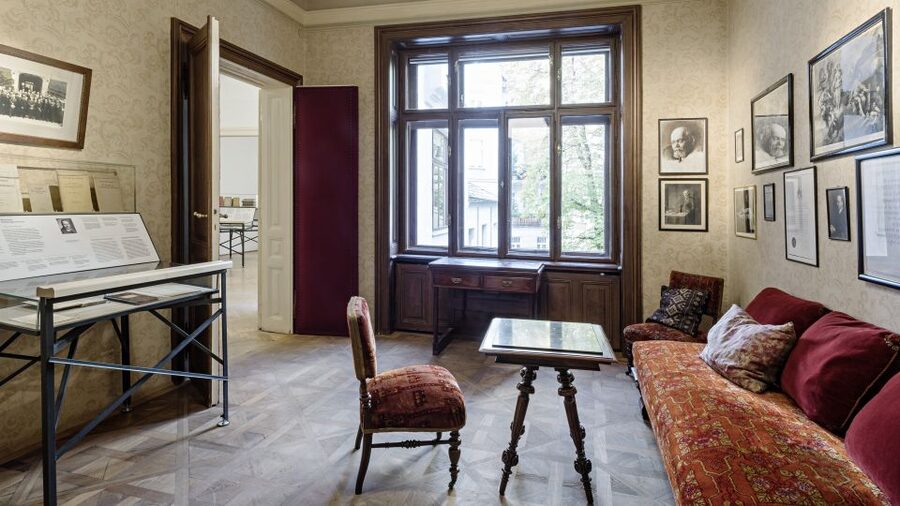
At about $18 per person, this museum sits in the “pay once, learn a lot” category. You are paying for an unusual combination:
- Real historic spaces (Freud’s address and rooms)
- Multimedia elements (voices, films, AR)
- Primary-style materials (rare prints, first editions, offprints)
- A full historical timeline, including exile and Nazi violence
Some people feel museum pricing is steep anywhere, and that is a fair reaction. But here, the value comes from the layers. If you only skim the rooms, it might feel pricey. If you actually slow down for the audio, AR, and timeline, the cost starts to make sense fast.
Also, this ticket setup is built for efficiency. You can skip the ticket line, which matters in Vienna when time is tight.
Practical timing, what to wear, and how to avoid frustration
This museum can be surprisingly easy to enjoy, but it still has the basics to plan around.
Lighting and pacing: some rooms are described as poorly lit, and you may need to lean in to read labels. If you wear glasses, clean them before you arrive. If you hate squinting, give yourself more time for the exhibit sections that need it.
Noise and crowd feel: it is not an all-adult quiet retreat. Kids can be present, and some rooms can feel louder when families are moving through. If you are sensitive to noise, a quieter starting time can help.
Heat: during hot weather, the interior can feel warm. If you are visiting in summer or during a heatwave, wear breathable layers so you can keep walking without getting slowed down by discomfort.
Chronology signs: one challenge is that some parts might not feel laid out in a super strict chronological order. If you care a lot about timelines, take a moment at the start to decide what you want to follow first, Freud’s work or family life.
Best match for who should go
This is a great fit for you if you:
- Like psychology, psychoanalysis, or medical history
- Enjoy museums that mix biography with objects and media
- Want a Vienna stop that is personal, intellectual, and honest about tragedy
- Appreciate modern art when it has a clear conceptual link
If you want only the light, pretty side of historic Vienna, you might find the Nazi history sections heavy. But if you can handle real history, this museum is one of the most meaningful visits at its subject.
Should you book this Freud Museum ticket?
Yes, I think you should book this if Freud and psychoanalysis sit on your must-see list. The ticket is timed for flexibility, it saves time by letting you skip the ticket line, and the visit has enough variety to hold your interest from first room to last, especially with the voices, rare footage, and AR couch moment.
I would skip or postpone only if you strongly dislike audio installations, modern conceptual art, or if you know you struggle with emotionally heavy museum sections about Nazi violence and extermination camps. For most people, though, the mix of Freud’s home and office, multimedia storytelling, and the real place at Berggasse 19 makes the visit a high-impact use of your day in Vienna.
FAQ
How much does the Sigmund Freud Museum ticket cost?
The ticket price is listed at $18 per person.
How long is the visit?
The activity is set for 1 day. In practice, many visitors plan roughly 1.5 hours up to about 3 hours depending on reading and how much you stop for.
Where do I present my ticket?
Present your voucher at the main entrance of the Sigmund Freud Museum.
Do I get to skip the ticket line?
Yes, the experience includes skip the ticket line.
Is flash photography allowed?
No, flash photography is not allowed.
Can I use my phone for the AR feature?
Yes. The museum includes the AR installation Freud’s Couch, and it is started using your phone.
Is the museum wheelchair accessible?
Yes, it is listed as wheelchair accessible.
Is cancellation possible?
The experience lists free cancellation up to 24 hours in advance for a full refund.
Are opening hours fixed?
Opening hours are subject to change, so it is smart to check closer to your visit date.
Is there food or drink on site?
Yes. The museum has a shop and café, with options like Viennese coffee with cake, or Viennese wine.
Latest Additions
- Wachau Valley Private Wine Tour with Tasting and Gourmet Lunch
★ 5.0 · 1 review - Vienna: Danube Valley Tour with Melk, Dürnstein with wine tasting and boat.
★ 5.0 · 1 review - Private city tour in Vienna
★ 5.0 · 1 review - Hallstatt Small Group Day Trip from Vienna
★ 3.0 · 1 review - Inside Freud’s Mind: Self-Guided Mystery Walk in Vienna
★ 4.0 · 1 review - Private Transfer from Vienna to Prague
★ 5.0 · 1 review - Vienna’s Christmas Market Magic Tour
★ 5.0 · 1 review
Museums, compared.

Skip-the-Line Sisi Museum, Hofburg and Gardens Tour
Read our review →
Vienna Kunsthistorisches Museum Day Admission Ticket
Read our review →
St. Stephen’s Cathedral & Dom Museum Wien Tickets
Read our review →
Skip-the-Line Hofburg and Empress Sisi Museum Tour
Read our review →
Combo Ticket: Kunsthistorisches Museum & Imperial Treasury
Read our review →
Tickets for Kunst Haus Wien: Museum Hundertwasser
Read our review →Browse the lists this tour appears in