
Reviewed · WALKING TOURS
Vienna: Hidden Secrets and Local Stories Walking Tour
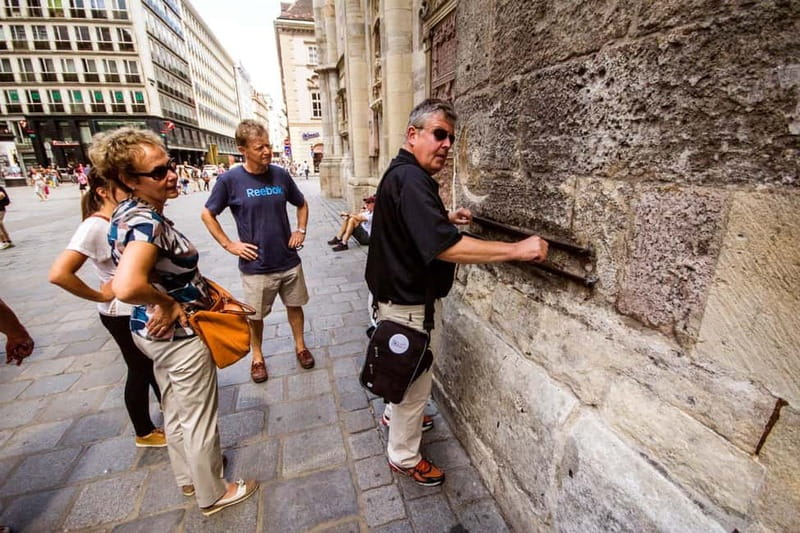
Vienna has side doors, on purpose. This walking tour threads you through Vienna’s historical center with entertaining stories, courtyard legends, and a real sense of what to look for when buildings stop being just buildings. St. Stephen’s Cathedral and the quieter alleys around the university district are part of the plan, and the guide style can be very engaging, like Herbert Stojaspal’s team often is.
I love the way the tour focuses on small details you would otherwise miss, from symbolic architecture to names of streets that come with local stories. I also like the built-in variety of stops, mixing big landmarks like Stephansplatz with tucked-away places like Palais Neupauer-Breuner and the Franciscan Church and Monastery.
The main drawback to consider is simple: this tour is not suitable for people with mobility impairments or wheelchair users, and it’s also not for children under 12. If you fit neither of those groups, you can still expect a steady walk and some narrow streets.
In This Review
- Key highlights to look for
- A walking tour that teaches you how to see Vienna
- Starting in the right zone, then walking into the quiet streets
- St. Stephen’s Cathedral and Stephansplatz, but with the meaning behind the symbols
- Mozart’s final residence: separating the easy story from the real one
- Courtyards, legends, and what Vienna hides in plain sight
- Palais Neupauer-Breuner and the Deutsches Haus: architecture with a story
- Blutgasse, Domgasse, and Ballgasse: street names that aren’t random
- Franciscan Church and Monastery: a quieter kind of Vienna
- The old university district, Jesuit Church, and old city wall
- Traditional Viennese cuisine and the cow plays on the board house
- What you actually get from the guide, not just the sights
- How long to plan, and who this tour fits best
- Price and value: $34 for 2 hours of guided city reading
- Should you book this Vienna hidden stories walk?
- FAQ
- How long is the Vienna Hidden Secrets and Local Stories Walking Tour?
- Where does the tour start and end?
- What landmarks will I see during the walk?
- Is this tour available in English or German?
- Is the tour suitable for families or young children?
- Can I bring luggage or a large bag?
- Is this tour wheelchair-accessible?
Key highlights to look for
- Mozart’s final residence stop with the story behind what you hear, and what you should question
- Courtyards and legends that explain how the city’s inner spaces shaped daily life
- St. Stephen’s Cathedral with guidance on symbols, not just photos
- Street-name stories along places like Blutgasse, Domgasse, and Ballgasse
- Old university district + Jesuit Church + city wall context that ties Vienna together
- All-weather routing with a guide ready to shift when conditions change
A walking tour that teaches you how to see Vienna
This isn’t a checklist-and-go tour. I like that the format is designed to make you notice. You’ll walk through the city center, but you’re also learning how Vienna tells stories through architecture, street names, and courtyards.
The best part is the guide’s approach. One guide named Herbert was described as funny and the kind of person who quizzes you along the way. Another guide, Dorothy, is the kind of retired teacher who shares facts clearly and keeps things moving even when the weather turns. Wolfgang also comes up for being both professional and engaging. That mix matters, because Vienna can feel like a museum unless someone helps you read it.
You’ll cover about 2 hours, in a small group. That small-group style helps you ask questions and stay close enough to hear the context, not just the headline facts. With a tour at $34 per person, the value comes from the guide time plus the fact that it’s not only repeating what you can read on a sign.
Other ways to round out a Vienna visit
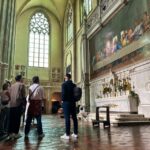
Starting in the right zone, then walking into the quiet streets
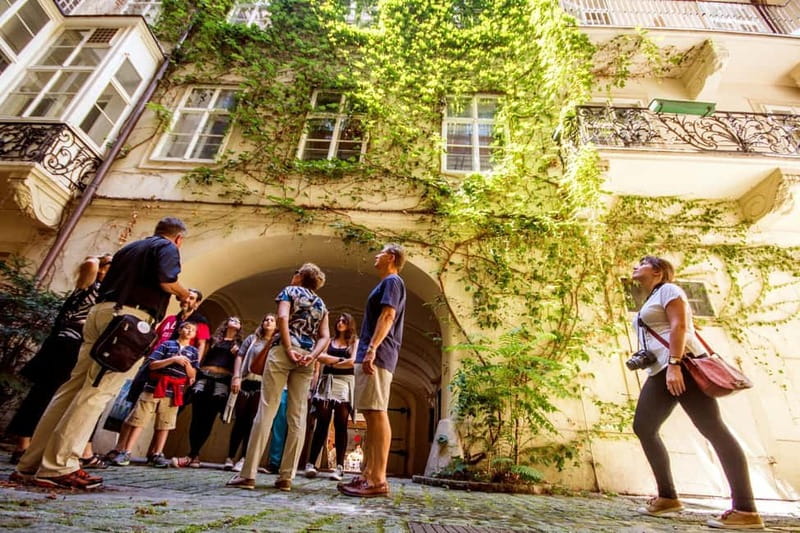
The meeting point can vary depending on the option you book. One listed option is at Bankomat. The tour also ends at Dr.-Karl-Lueger-Platz 3, 1010 Wien, so you finish in a central area that keeps it easy to continue on foot.
Once you start, you’re not just circling the most famous streets. You’re moving through the historical center and looking for the little cut-throughs and corners that make Vienna feel layered. That is exactly where the stories tend to live: courtyards that are easy to miss, churches tucked close to busier roads, and alleys with names that hint at local legend.
A practical note: this tour is conducted in all weather conditions. You should dress for wind and rain, and expect that the route may include sheltered spots depending on conditions. The upside is that you are not stuck waiting around while weather ruins your sightseeing.
St. Stephen’s Cathedral and Stephansplatz, but with the meaning behind the symbols
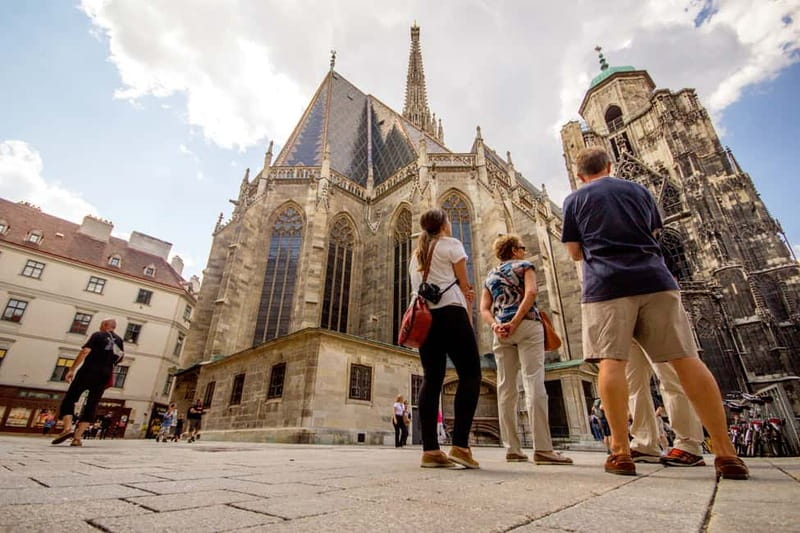
Most tours hit St. Stephen’s Cathedral. This one adds something more useful: the chance to understand symbols and details, not just admire the façade.
You’ll spend time around St. Stephen’s Cathedral and Stephansplatz, where the guide can point out what to look for. When you know what certain visual elements are meant to communicate, the cathedral stops being a background photo and becomes a readable piece of city storytelling.
This is also a strong “reset” stop if you’re new to Vienna. You’ll get geographic orientation fast, and you’ll start learning the logic of the historical center. Even if you’ve seen pictures online, the guide helps you connect what you’re looking at to the bigger themes of the city.
Mozart’s final residence: separating the easy story from the real one
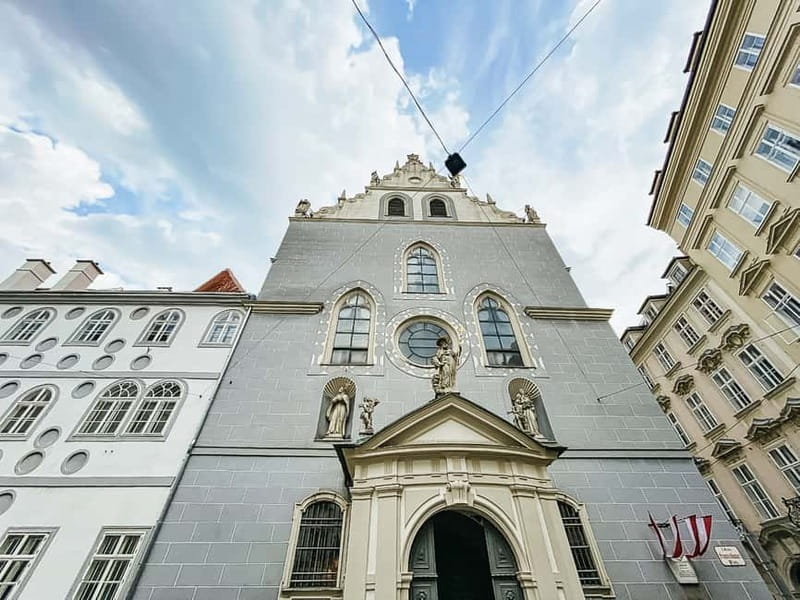
One of the tour highlights is Mozart’s final residence. The focus here is on learning the truth of his life, not just reciting dates. That matters, because Mozart stories can turn into legends quickly, especially when the city is eager to repeat them.
On this walk, the guide frames the stop with context and takes a more careful tone. You’re likely to get something more satisfying than a standard “famous person lived here” moment. Instead, you’ll come away with a clearer picture of what his final chapter looked like and what myths you should treat lightly.
If you like classical music but hate overly reverent tours, this is a good match. You’ll get facts with personality, and the tour keeps it from becoming too solemn.
Beyond the palaces, the city keeps its own rhythm of coffee, concerts, and day trips nearby.
- Vienna: Vivaldi’s Four Seasons Concert in Karlskirche★ 4.7 · 14,951 reviews
- Vienna: Schönbrunn Palace & Gardens Skip-the-Line Tour★ 4.7 · 7,739 reviews
- Vienna: Light of Creation Votive Church Immersive Light Show★ 4.8 · 6,779 reviews
- Vienna Spanish Riding School Guided Tour★ 4.7 · 6,765 reviews
Courtyards, legends, and what Vienna hides in plain sight
A big part of the “hidden secrets” promise is how Vienna uses space. Courtyards and inner passages can hold stories for generations, but they’re not always visible from the street.
As you stroll through the historical center, you’ll hear legends tied to these lesser-known spaces. The tour is set up so you notice how the city’s layout shapes behavior, from how people moved to where community stories formed. This is the kind of knowledge that makes you enjoy Vienna after the tour ends, because you’ll spot courtyards and quiet entrances even when you’re on your own.
It’s also where the tour feels most local. You’re not just looking at famous buildings. You’re learning how residents used the city’s less obvious parts.
Palais Neupauer-Breuner and the Deutsches Haus: architecture with a story
You’ll also see Palais Neupauer-Breuner and the Deutsches Haus. These stops are a reminder that Vienna’s grandeur isn’t only about one cathedral or one museum.
The guide’s job here is to connect architectural features to the human story. Why does a building look the way it does? What does it signal about wealth, status, or the way people wanted to be seen? You won’t need an art history degree to follow along, because the tour is built around explanation in plain language.
This part of the route is also a nice break from church stops. It gives you variety, and it reinforces a key takeaway: Vienna’s history is written in stone, but also in how buildings were used and perceived.
Blutgasse, Domgasse, and Ballgasse: street names that aren’t random
One of the most fun elements is walking streets like Blutgasse and Domgasse, plus visiting Ballgasse. Gassen are alleys or narrow streets, and they often come with names that reference events, trades, or legends.
The tour’s angle is that you should understand why these names exist, not just that they exist. You’ll hear stories tied to each street and learn what to listen for as you walk. When you know the meaning, you’ll remember the streets longer, and they’ll start to feel like part of a narrative instead of random wayfinding.
If you enjoy quirky local history, this segment is likely to be one of your favorites. It also helps break up the route so you’re not only thinking about major monuments.
Franciscan Church and Monastery: a quieter kind of Vienna
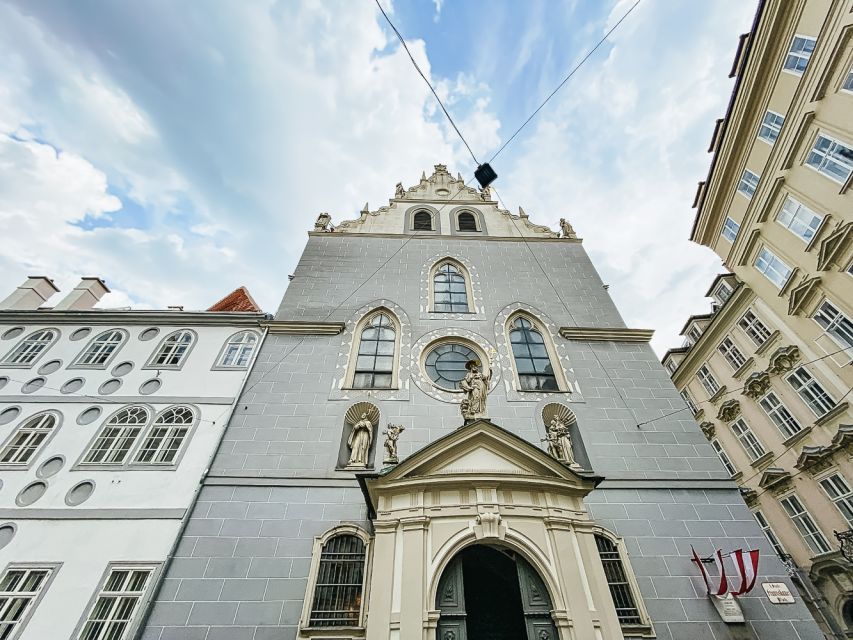
The Franciscan Church and Monastery stop adds a different mood. It’s not as flashy as the biggest squares, and that’s exactly why it’s worth your attention.
Monasteries and attached churches often hold a slower rhythm to their storytelling. The guide can connect the site to the wider religious and civic life of the city, and you’ll likely appreciate the contrast after time near Stephansplatz.
This also ties into the tour’s overall theme. Vienna is layered, and you get a fuller picture when you balance big landmarks with calmer religious spaces.
The old university district, Jesuit Church, and old city wall
After the church and palace stops, the tour moves into context territory: the University of Vienna area and the old university district. You’ll also see the Jesuit Church and mention of the old city wall.
This is where the city stops feeling like a scatter of famous points and starts feeling like one connected place. The guide helps you understand how education and religion influenced the city’s development, and how the old urban boundaries shaped growth.
Even if you’re not visiting the university buildings themselves, the context is valuable. It helps you read what you see on later walks, especially around central Vienna where buildings of different eras sit side by side.
Traditional Viennese cuisine and the cow plays on the board house
The tour also nods to traditional Viennese cuisine and includes the house called where the cow plays on the board. These sound like fun side stops, and they are, but they also do something important.
They connect Vienna’s identity to everyday life. Cuisine stories help you understand local culture beyond monuments. And playful houses or quirky local references remind you that Vienna’s history includes humor and street-level culture, not only official history.
You might find yourself pausing for extra photos here, but try to listen first. The guide’s explanation is what makes these details stick.
What you actually get from the guide, not just the sights
This is where the reviews hints turn into real decision value. The tour style leans into interpretation and easy interaction.
Guides like Herbert have been described as funny and as people who quiz you along the way. That kind of delivery keeps attention from slipping, especially during a 2-hour walk that includes both famous and less famous stops.
Dorothy is noted for being extremely knowledgeable and skilled at sharing facts in a teaching-friendly way. That matters if you like to leave tours feeling smarter, not just entertained.
And Wolfgang gets called out for professionalism and for being easy to chat with, helped by the small size of the group. If you prefer a tour where you can talk without feeling rushed, this structure is a plus.
Even in rain, the guide matters. One account singled out the guide’s ability to find shelters and keep moving. So bring a light rain layer, but also trust that the tour design can handle weather shifts.
How long to plan, and who this tour fits best
Plan for about 2 hours. You’ll do a lot on foot, in the city center, and the route includes narrow streets where speed can vary. If you like a relaxed pace, the small group format helps. If you need frequent breaks, you should think twice, because this is not described as a slow, stroller-friendly walk.
This tour is not suitable for children under 12. It also isn’t appropriate for people with mobility impairments or wheelchair users. That’s a clear fit filter, and it also tells you the walking terrain likely includes uneven sections and tight spaces.
On the positive side, it’s a great pick for adults who want more meaning than a simple sightseeing stroll. It’s also smart if you’re short on time but want the city center to feel connected instead of random.
If you’re the type who enjoys hearing why places are named what they are, you’ll likely love the street-name and courtyard focus.
Price and value: $34 for 2 hours of guided city reading
At $34 per person for 2 hours, the value depends on what you want out of Vienna.
If you want only the headline sights, you could do some of this on your own. But if you care about understanding symbols in St. Stephen’s Cathedral, hearing the story behind Mozart’s final residence, and getting context around the university district and city wall, a guided route becomes the efficient option.
Also, the small-group design helps keep this from feeling like a busy herd. You’re paying for time with a certified tourist guide and for local insider recommendations. That combination is where the price makes sense.
If you’re budget-conscious, book it for a day when you want to stop thinking about logistics and just start learning.
Should you book this Vienna hidden stories walk?
Book it if you want Vienna to feel readable. You like architecture details, enjoy myth-busting with context, and you prefer small-group tours where you can stay engaged for the full 2 hours. The mix of St. Stephen’s Cathedral, Mozart’s final residence, street-name legends, the Franciscan Church and Monastery, and the university district context is a strong blend.
Skip it if you need a wheelchair-accessible route or if you’re traveling with children under 12. Also skip it if you only want quick photo stops with no interest in symbolism or local legends.
If you do book, wear comfortable walking shoes, bring a rain layer, and arrive ready to look past the obvious. This tour is built for people who enjoy learning how a city thinks, not just how it looks.
FAQ
How long is the Vienna Hidden Secrets and Local Stories Walking Tour?
The tour lasts 2 hours.
Where does the tour start and end?
The meeting point may vary depending on the option booked. The tour ends at Dr.-Karl-Lueger-Platz 3, 1010 Wien, Österreich.
What landmarks will I see during the walk?
You’ll visit or pass by major highlights including St. Stephen’s Cathedral, Stephansplatz, Mozart’s final residence, Ballgasse, Blutgasse, the Franciscan Church and Monastery, plus stops around the University of Vienna, the Jesuit Church, and areas connected to the old city wall. You’ll also see Palais Neupauer-Breuner and the Deutsches Haus.
Is this tour available in English or German?
Yes. The live guide speaks German and English.
Is the tour suitable for families or young children?
No. It is not suitable for children under 12.
Can I bring luggage or a large bag?
No. Luggage or large bags are not allowed.
Is this tour wheelchair-accessible?
No. It is not suitable for people with mobility impairments or wheelchair users.
Latest Additions
- Wachau Valley Private Wine Tour with Tasting and Gourmet Lunch
★ 5.0 · 1 review - Vienna: Danube Valley Tour with Melk, Dürnstein with wine tasting and boat.
★ 5.0 · 1 review - Private city tour in Vienna
★ 5.0 · 1 review - Hallstatt Small Group Day Trip from Vienna
★ 3.0 · 1 review - Inside Freud’s Mind: Self-Guided Mystery Walk in Vienna
★ 4.0 · 1 review - Private Transfer from Vienna to Prague
★ 5.0 · 1 review - Vienna’s Christmas Market Magic Tour
★ 5.0 · 1 review
Walking Tours, compared.
Guided Walking Tour of City Center Highlights
Read our review →
Guided Walking Tour of City Highlights & Hidden Gems
Read our review →

Vienna Historic Center Small Group Walking Tour
Read our review →
Browse the lists this tour appears in