
Reviewed · WALKING TOURS
Vienna: Educational Walk Exploring Homelessness
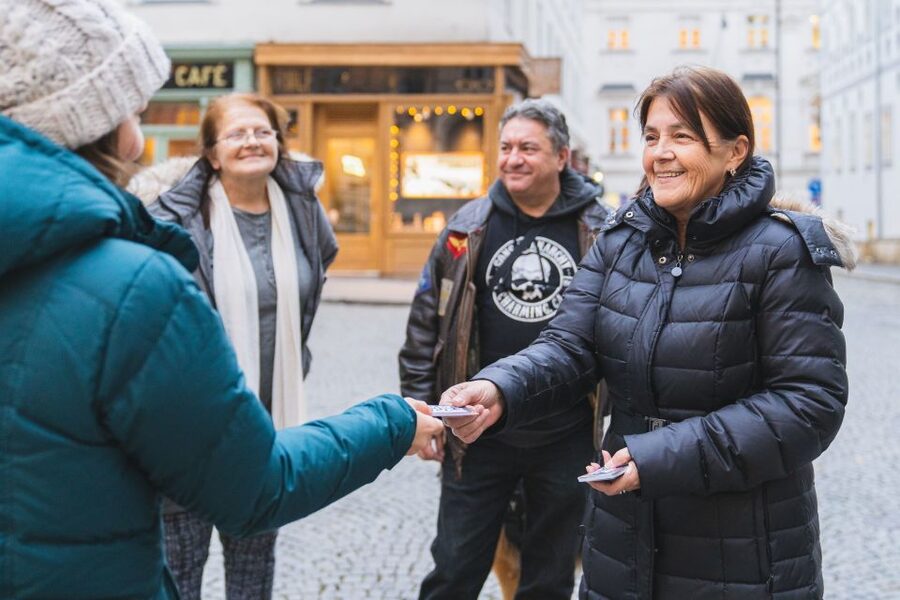
A city walk with real consequences starts here. This 2-hour experience uses Vienna street corners tied to homelessness to teach the issue in a way that feels immediate, not abstract. Two things I really like: a guide with lived experience and a clear focus on understanding causes and solutions. One drawback to weigh first: this is not a classic sightseeing tour, so you should be ready for an educational walk, not a history highlight spree.
The best part is that the tone is human. In the guiding style, you can feel an emphasis on openness and real conversation, including names like Tamara, who was praised for a relaxed, interactive approach, and guides like Peter and Josef, noted for empathy and even humor while staying serious about the topic. If you want your tours to answer questions as you walk, this fits.
Just note that it happens outdoors and takes time on your feet. Wear comfortable shoes and weatherproof clothing, because you will be outside for the full 2 hours, and the route can pause if conditions get rough.
In This Review
- Key takeaways before you go
- Why a homelessness walk makes Vienna feel personal
- Meeting at Bäckerstraße 18 by INIGO and what the 2-hour format means
- Walking with a former homeless guide: the power of first-person context
- The Vienna contrast route: seeing splendor and homelessness in the same frame
- How facts and stories connect to causes and possible solutions
- No shelters, no display: why that choice matters
- Weather, shoes, and the coffee-house pause plan
- Price and value: why 29 euros-ish feels fair here
- Who should book this walk, and who might prefer something else
- Practical tips to get more out of the conversation
- Should you book this Vienna educational homelessness walk?
- FAQ
- Where is the meeting point for this tour?
- How long is the tour?
- What language is the live guide?
- Is the tour outdoors?
- Does the tour visit shelters or put homeless people on display?
- What happens if it rains heavily?
- How much does the tour cost?
- Is the tour wheelchair accessible?
- What is the cancellation policy?
Key takeaways before you go
- A former homeless guide leads the walk, bringing first-person insight alongside facts
- No shelters, no spectacle: the goal is education, not showing people in need
- You’ll compare Vienna’s elegance with poverty reality in the same city blocks
- You can ask questions and talk through the boundary between poverty and welfare
- Built for 2 hours outdoors with weather considerations, including a nearby coffee-house option
Why a homelessness walk makes Vienna feel personal
Vienna can look like it was built for perfect postcard light. Even if you know the city is complex, it is easy to think the hard stuff happens somewhere else. This tour forces a different mental frame. You walk through the contrast, deliberately, so the question becomes: what does homelessness look like in a city that ranks high for living standards?
What I like most is the balance. You get more than sad visuals and more than stats. The guide combines personal experience with real-world context, and that matters because homelessness is rarely one simple cause. By the time you step back onto the brighter streets, you are not just looking at beauty. You are also noticing what society does, and does not, catch.
You also leave with a better sense of the language people use around the issue. The tour walks the line between poverty and welfare, which is where a lot of misunderstandings live. If you have ever wondered why someone falls through cracks that others stay above, this tour pushes you to ask smarter questions.
Other ways to round out a Vienna visit


Meeting at Bäckerstraße 18 by INIGO and what the 2-hour format means
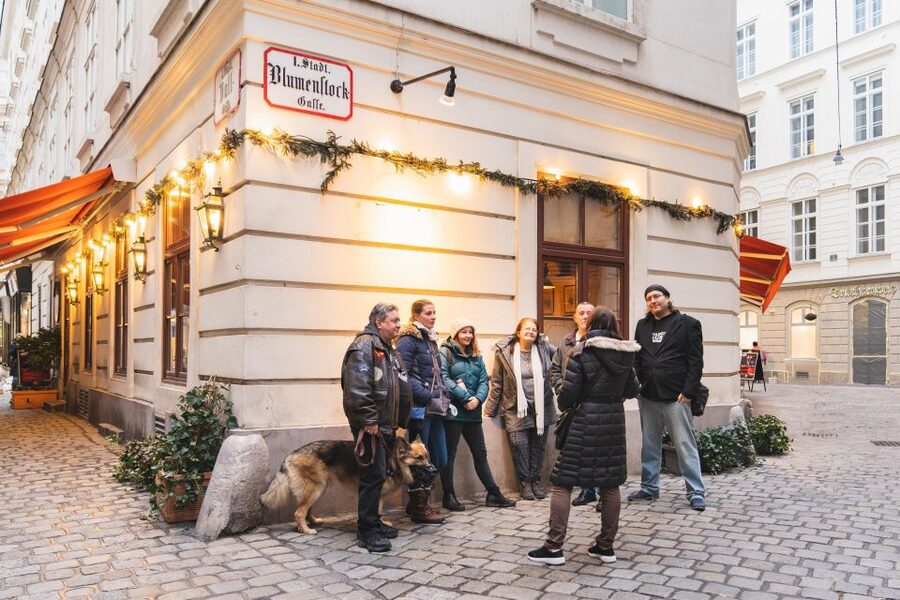
This is a short tour in time, but it is not short on impact. You meet at Bäckerstraße 18, 1010 Wien, in front of restaurant INIGO. Your SHADES TOURS guide is easy to spot, since they carry a folder.
The duration is 2 hours, and that is a sweet spot for people who want meaning without taking half a day. Because it is outdoors, your pace feels like walking with a teacher. You are not getting bused around, and the city does the work of making the theme real.
One practical point: the tour is in German. If your German is basic, you can still follow the premise, but the best value comes when you can actually join the discussion. Use it as a gentle reason to keep your questions simple and clear.
Walking with a former homeless guide: the power of first-person context
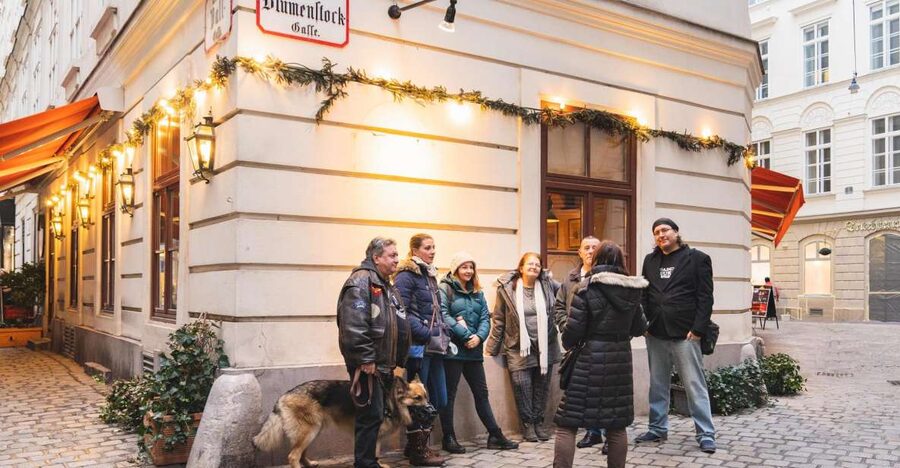
The guide is the heart of this experience. You are not learning homelessness as a distant headline. You are hearing it through someone who has lived it, then tested it against everyday city systems.
That first-person element is exactly what many people praised, with guides described as authentic, competent, and empathetic. Some guides were noted for openness and a light, friendly tone while still keeping the conversation grounded. Others were praised for giving the issue a face through authenticity, and for mixing personal experience with facts in a way that feels respectful.
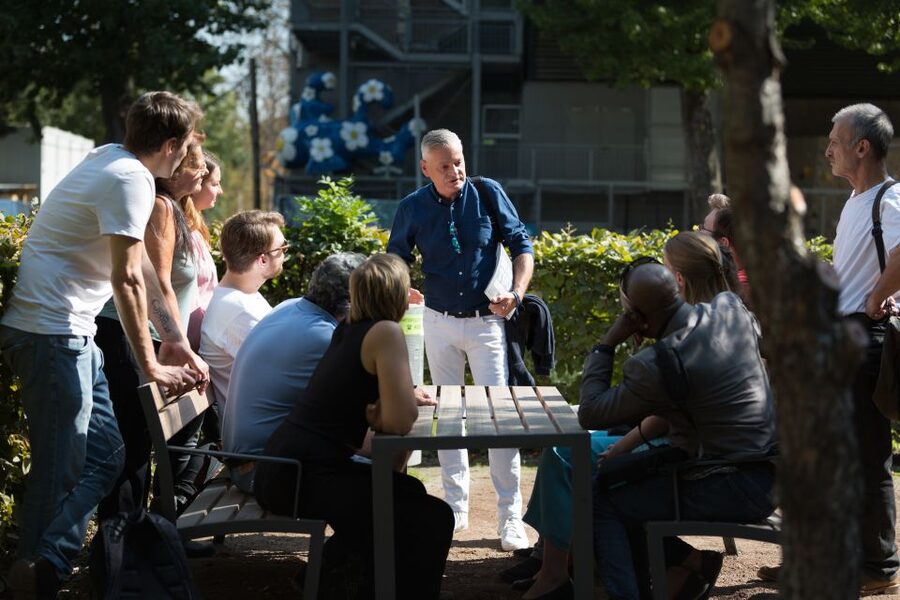
You should also plan to participate. The tour is designed for questions. If you come with curiosity, you will get more out of it. Ask about what surprised the guide, what they think people misunderstand, and what kinds of support actually help. The guide’s lived perspective can make your questions land better than generic ones.
And yes, humor can show up in a guide’s delivery, like Josef’s story style being described as humorous. That does not make it lighter in topic. It makes it easier to stay present and listen, even when the subject gets heavy.
The Vienna contrast route: seeing splendor and homelessness in the same frame
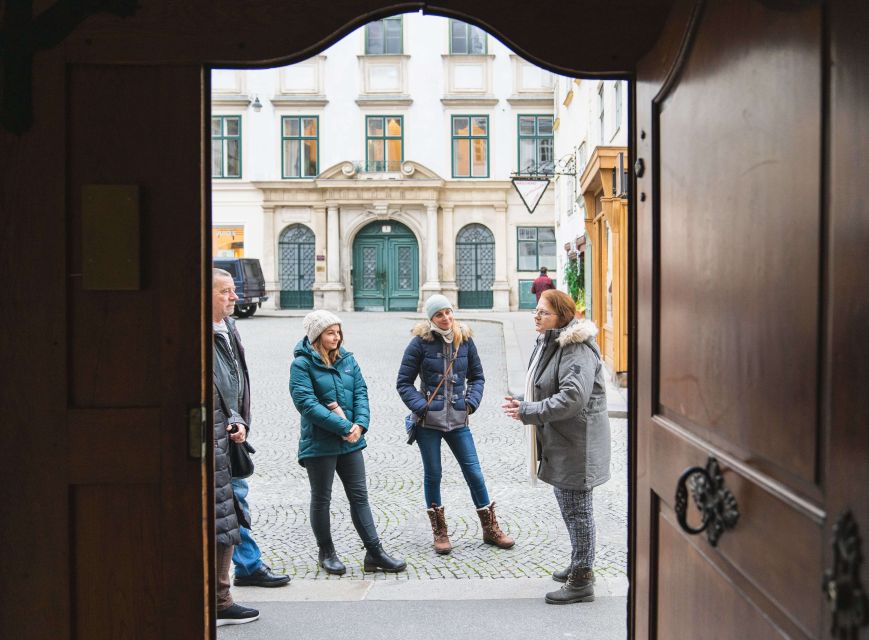
The route is built around locations related to homelessness. That means you will not be chasing famous monuments or collecting museum facts. Instead, you will be noticing the city like a systems map.
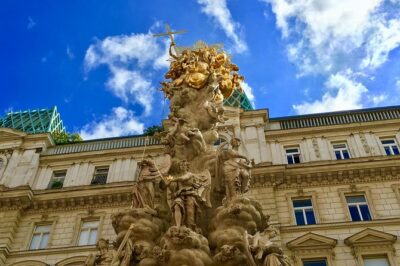
Expect to see parts of central Vienna where homelessness becomes part of the visible environment. You’ll likely notice how city design, public space rules, and service access can shape daily life. The tour’s contrast angle is deliberate: the splendor of Vienna is right there, and the reality of homelessness is right there too. Holding both truths at once changes how you read the city.
This is the kind of walk that makes you slow down. You start looking at doors, transit edges, and public spaces with different questions in mind, like who feels safe here, and who does not. It is not about judging individuals on the street. It is about recognizing the gap between comfort and support.
A drawback to keep in mind: because the focus is homelessness-related sites, you may not get the classic “wow” moments you get from traditional walking tours. If you want pure visual sightseeing, this route can feel more like an education walk than a tour.
Beyond the palaces, the city keeps its own rhythm of coffee, concerts, and day trips nearby.
- Vienna: Vivaldi’s Four Seasons Concert in Karlskirche★ 4.7 · 14,951 reviews
- Vienna: Schönbrunn Palace & Gardens Skip-the-Line Tour★ 4.7 · 7,739 reviews
- Vienna: Light of Creation Votive Church Immersive Light Show★ 4.8 · 6,779 reviews
- Vienna Spanish Riding School Guided Tour★ 4.7 · 6,765 reviews
How facts and stories connect to causes and possible solutions
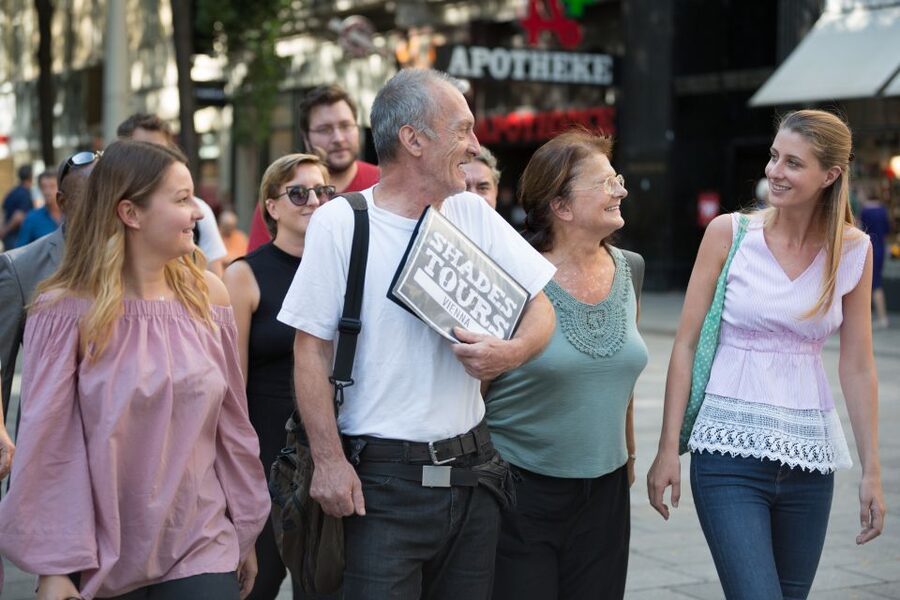
What makes this tour more than a single narrative is the blend of personal storytelling and structured explanation. The guide moves between what they know from life and what they can explain from a wider viewpoint. That combination helps you understand why homelessness is complex.
The tour also prompts a discussion about the line between poverty and welfare. That’s important, because many people hold rigid beliefs about eligibility, character, and responsibility, without understanding how complicated real-life circumstances can be. By talking through the causes and possible solutions, you get language for nuanced thinking rather than a simplistic take.
If you like your learning practical, you will probably enjoy the way the guide frames topics so you can ask follow-ups while walking. You are not stuck listening silently for two hours. You can ask direct questions, then adjust your understanding based on the answers.
This is also where the tour becomes useful after you finish. You carry the thinking forward into conversations, news, and even your own city habits when you travel. It trains your brain to ask what systems are doing, not only what individuals are doing.
No shelters, no display: why that choice matters
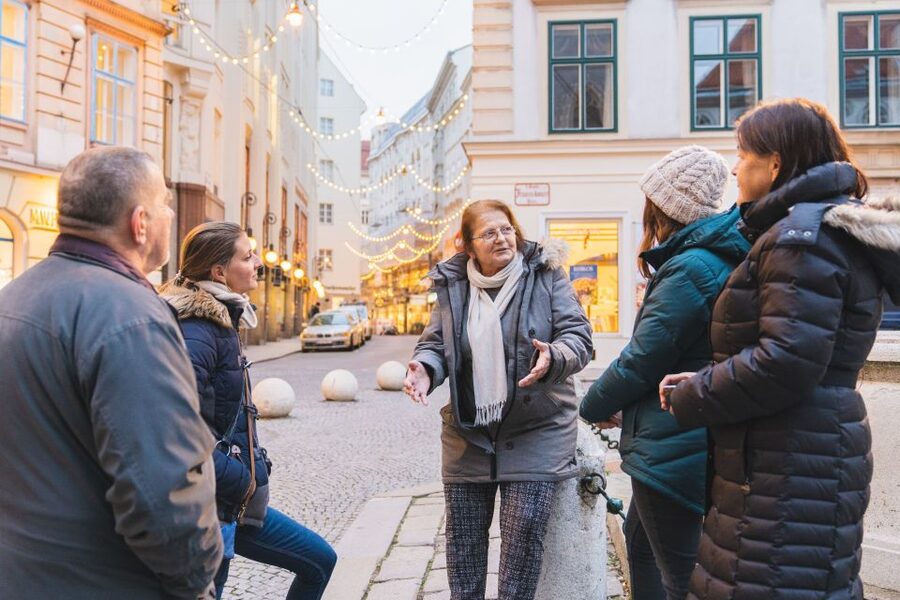
One of the most important points up front is what the tour does not do. It does not visit homeless shelters. It also does not put homeless people on display.
That matters for two reasons. First, it keeps the experience respectful and education-based. You are learning from a guide and from locations that explain homelessness, not turning real people into props.
Second, it changes what you notice. When a tour avoids spectacle, you do not spend the time reacting to individuals in the moment. You spend more time understanding context, causes, and the choices societies make. You can maintain your dignity as a visitor while still confronting a serious social issue.
So if you are worried this is going to feel invasive or uncomfortable in a bad way, the structure is meant to prevent that. You will be outdoors and around relevant spaces, but the tour stays focused on explanation, not exposure.
Weather, shoes, and the coffee-house pause plan
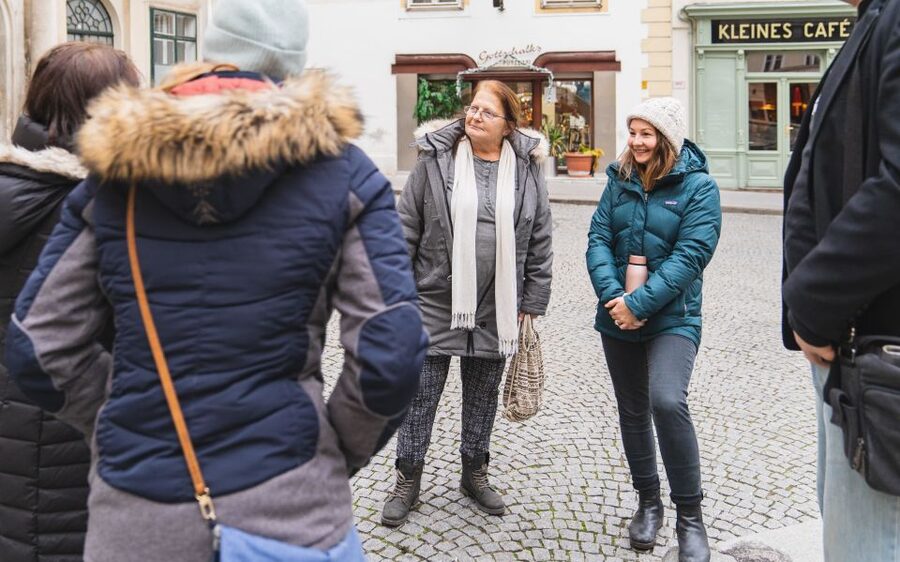
This is a straightforward outdoor walk. You should bring comfortable shoes because it is a continuous 2-hour walking experience. Weather matters too, since the tour takes place outdoors.
If it rains heavily, the guide will ask if you want to continue in a nearby coffee house. This is a smart practical feature. It gives you a way to keep learning without forcing the full experience in unsafe conditions.
I recommend planning for a damp day even if the forecast looks fine. Wear weatherproof clothing, and pack something simple like a small umbrella or a hooded layer. You do not need to be prepared for winter weather in Vienna, but you do need to be ready for a wet sidewalk.
Price and value: why 29 euros-ish feels fair here
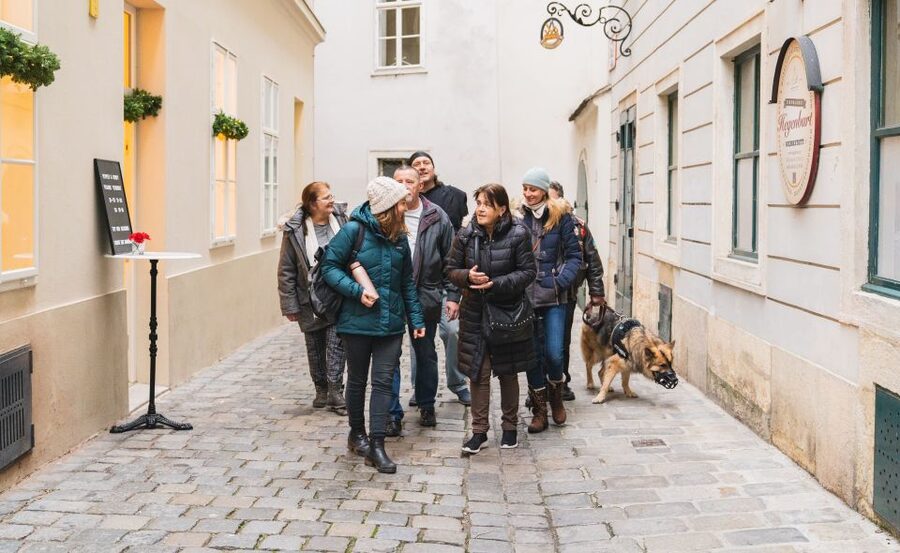
At $29 per person, this tour sits in a common range for city walks, but it offers something many cheaper tours do not: a guide with lived experience plus a tightly themed educational approach.
You are paying for three things:
- A 2-hour guided discussion focused on homelessness, not loose storytelling
- A human educator who can answer questions from lived reality
- A walking route that frames social issue context through Vienna’s contrast
If your goal is only entertainment, the price might feel like more than a typical casual tour. If your goal is learning that sticks, it reads as good value. You also get a small-group feel implied by the format, which helps the Q and A stay real.
And because you can cancel up to 24 hours in advance for a full refund, this price is lower-risk than many tours when your schedule changes.
Who should book this walk, and who might prefer something else
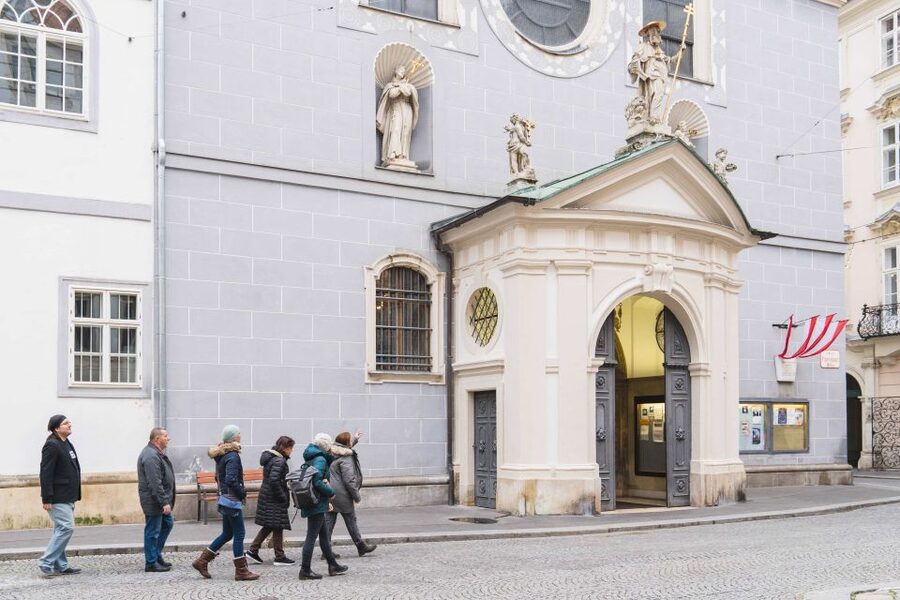
This is ideal if you:
- Want a Vienna experience that goes beyond monuments and photos
- Like walking tours where you can ask questions
- Care about social issues and want a respectful, educational approach
- Prefer learning from a real person’s perspective rather than only a lecturer-style script
It is probably not the best fit if you:
- Want a strictly historical sightseeing route with museum stops and landmark explanations
- Need a tour that is primarily about scenery and viewpoints
- Have limited German and expect full understanding without translation support
Also, decide based on comfort with the topic. Homelessness is emotionally heavy. The tour handles it with empathy and structure, including guide styles described as open, relaxed, and sometimes humorous, but the subject itself is serious.
Practical tips to get more out of the conversation
To maximize value, show up ready to ask one or two clear questions. Here are prompts that match the tour theme and are easy to ask:
- What surprised the guide about how people misunderstand homelessness?
- How does the boundary between poverty and welfare show up in real life?
- What solutions seem most realistic from a person who has experienced it firsthand?
- What would you want most people to understand when they see homelessness in a city like Vienna?
You can also listen for how the guide ties facts to lived reality. When they connect context to a personal story, you get a fuller picture than either one alone.
Finally, keep your body ready. Bring water if you need it, and wear shoes that you can trust. You are learning best when your feet are not negotiating with blisters.
Should you book this Vienna educational homelessness walk?
Book it if you want a meaningful Vienna walk with a human guide and a clear educational purpose. This is especially strong if you enjoy respectful conversations, and if you like tours where the point is learning something new, not just collecting highlights.
Skip it if you want a traditional sightseeing day, history stops, or photo-first routes. This experience is intentionally about homelessness related city reality, with outdoor walking and a German live guide, so it is a better match for visitors who come for understanding.
If you are the type who can handle serious topics with empathy and curiosity, this one is likely to feel worth your time and your money.
FAQ
Where is the meeting point for this tour?
You meet at Bäckerstraße 18, 1010 Wien, in front of restaurant INIGO. Your SHADES TOURS guide will be recognizable by the folder they carry.
How long is the tour?
The tour lasts 2 hours.
What language is the live guide?
The live tour guide speaks German.
Is the tour outdoors?
Yes, the tour takes place outdoors for the full 2 hours.
Does the tour visit shelters or put homeless people on display?
No. The tour does not visit homeless shelters and it does not put homeless people on display. It focuses on sites related to homelessness to explain the issue.
What happens if it rains heavily?
If it rains heavily, the guide will ask whether you would like to continue the tour in a nearby coffee house.
How much does the tour cost?
The price is $29 per person.
Is the tour wheelchair accessible?
Yes, the tour is wheelchair accessible.
What is the cancellation policy?
You can cancel up to 24 hours in advance for a full refund.
Latest Additions
- Wachau Valley Private Wine Tour with Tasting and Gourmet Lunch
★ 5.0 · 1 review - Vienna: Danube Valley Tour with Melk, Dürnstein with wine tasting and boat.
★ 5.0 · 1 review - Private city tour in Vienna
★ 5.0 · 1 review - Hallstatt Small Group Day Trip from Vienna
★ 3.0 · 1 review - Inside Freud’s Mind: Self-Guided Mystery Walk in Vienna
★ 4.0 · 1 review - Private Transfer from Vienna to Prague
★ 5.0 · 1 review - Vienna’s Christmas Market Magic Tour
★ 5.0 · 1 review
Walking Tours, compared.
Guided Walking Tour of City Center Highlights
Read our review →
Guided Walking Tour of City Highlights & Hidden Gems
Read our review →

Vienna Historic Center Small Group Walking Tour
Read our review →
Browse the lists this tour appears in