
Reviewed · WALKING TOURS
Vienna: City Center Guided Walking Tour
Vienna can feel huge, until you walk it with a plan. This 150-minute city center guided walking tour strings together Hofburg, the Spanish Riding School, classic cafés, and music history in a route that makes the inner city click.
What I especially like is the tight small-group size (up to 15) plus clear listening support with headsets, so you actually hear the guide instead of playing guess-the-story on the sidewalk. One thing to consider: this is moderate walking and it is not suitable for mobility impairments.
In This Review
- Key takeaways before you lace up
- Maria-Theresien-Platz meetup, then instant orientation
- Ring Road to Volksgarten: the imperial spine of Vienna
- Hofburg Palace and Burggarten: where Habsburg power felt personal
- Augustinerkirche: Napoleon, a princess, and wedding history
- Spanish Riding School: Lipizzaner tradition, up close
- Vienna State Opera and Lobkowitz Palace: Beethoven’s Eroica link
- Hotel Sacher and Vienna’s sweet side: coffeehouses with a story
- Graben to St. Stephen’s Cathedral: shopping street energy, then finish strong
- Group size, pace, and why it feels like a “first visit” win
- Value at $74: what you pay for, and what you get
- Weather, walking comfort, and how to show up
- Should you book this Vienna City Center walk?
- FAQ
- Where is the meeting point?
- How long is the tour?
- What is the group size?
- Is entrance to attractions included?
- Does the tour provide help for hearing the guide?
- What language is the tour in?
- Is the tour wheelchair or mobility-friendly?
Key takeaways before you lace up
- Up to 15 people, so you get a real conversation, not a lecture from afar
- Headsets included (huge in busy areas like the Ring Road and Graben)
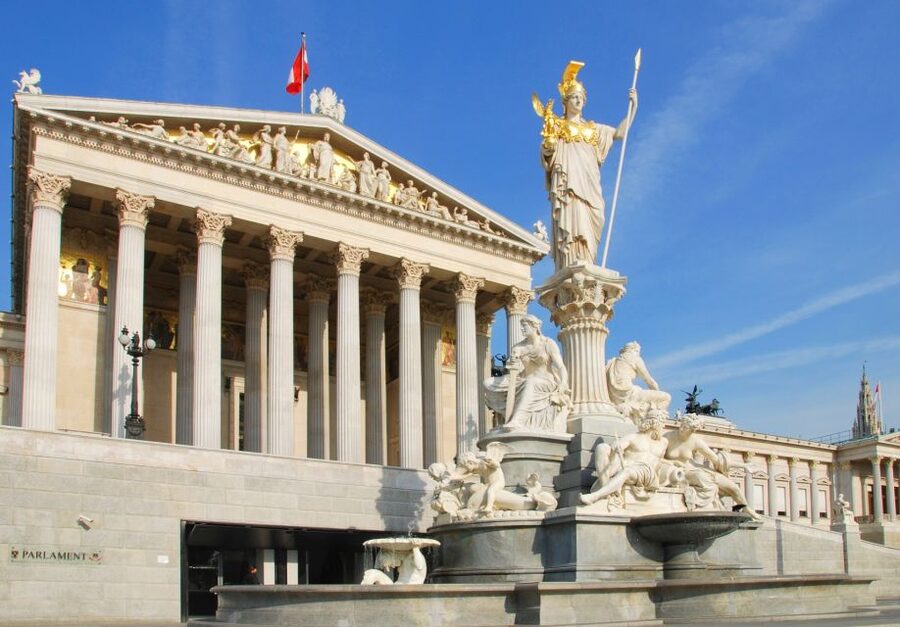
- Imperial sites in one loop, from Hofburg to Burggarten to St. Stephen’s
- Music-history stop tied to Beethoven’s first conducting of the Eroica symphony
- Coffeehouse detour that includes Hotel Sacher, home of the famous sacher torte
- English guide, all-weather, so you need to dress for wind and winter chills
Maria-Theresien-Platz meetup, then instant orientation
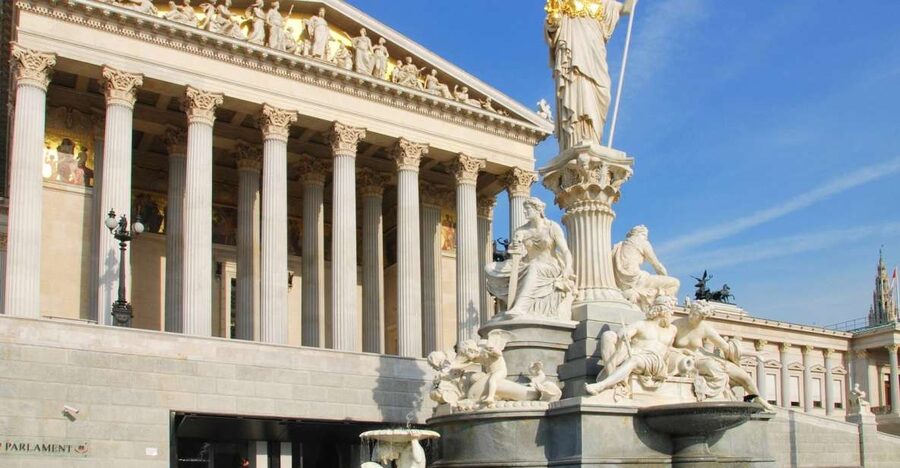
You start at Maria-Theresien-Platz, by the statue of Empress Maria Theresa, positioned on the side facing the Kunsthistorisches Museum and Naturhistorisches Museum. Your guide holds a green sign that reads Vienna City Walking Tour, which is a small detail, but it matters when you are trying to find your group quickly.
Getting off at U3 Volkstheater is a straightforward option, and trams at Burgring (D, 1, 2, 71) can also drop you close. I like this kind of start point because it is central, and it gives you an easy beginning without extra transfers.
Logistics note: you cannot bring luggage or large bags, and unaccompanied minors are not allowed. If you’re traveling light, this tour fits perfectly. If you’re carrying a lot, it’s one more reason to rethink what stays in your hotel.
Other ways to round out a Vienna visit
Ring Road to Volksgarten: the imperial spine of Vienna
After the meetup, you head along the Ring Road, Vienna’s famous boulevard that wraps the historical center. This is where the city’s “big picture” becomes visible. You can’t fully appreciate the scale from a map. Walking it gives you a sense of where the power was displayed, and how Vienna likes to do grand architecture.
Next comes the Volksgarten rose garden. It’s a calmer break from heavy stone, and the contrast helps you reset your brain before moving back into palace territory. Then you continue to Heroes Square, which sets you up for what follows at Hofburg and beyond.
This segment is also a good test of pacing. It is efficient, but it does not feel like a sprint. You will cover ground, yet the tour is built for first-timers who need structure, not for people who want a slow art stroll.
Hofburg Palace and Burggarten: where Habsburg power felt personal
The tour’s first major “wow” cluster lands at the Hofburg Palace, the imperial residence where the Habsburgs ruled. Hofburg is one of those places where you can stand in front of the buildings for an hour and still miss why it mattered. With a guide, the palace becomes a story you can follow: who lived here, how the court worked, and why the surrounding gardens and institutions were part of the same system.
From Hofburg you move into Burggarten, where you get views connected to the emperor’s private garden and a former butterfly house. I like that this is not only “look at the palace.” You also get a sense of the softer side of court life, the human scale inside all that formality.
If you enjoy imperial details, this is your sweet spot. If you only care about one or two highlights, you might feel the tour spends a lot of time in the same historical lane. But for a first visit to Vienna, it’s exactly what you need: context, then landmarks.
Augustinerkirche: Napoleon, a princess, and wedding history
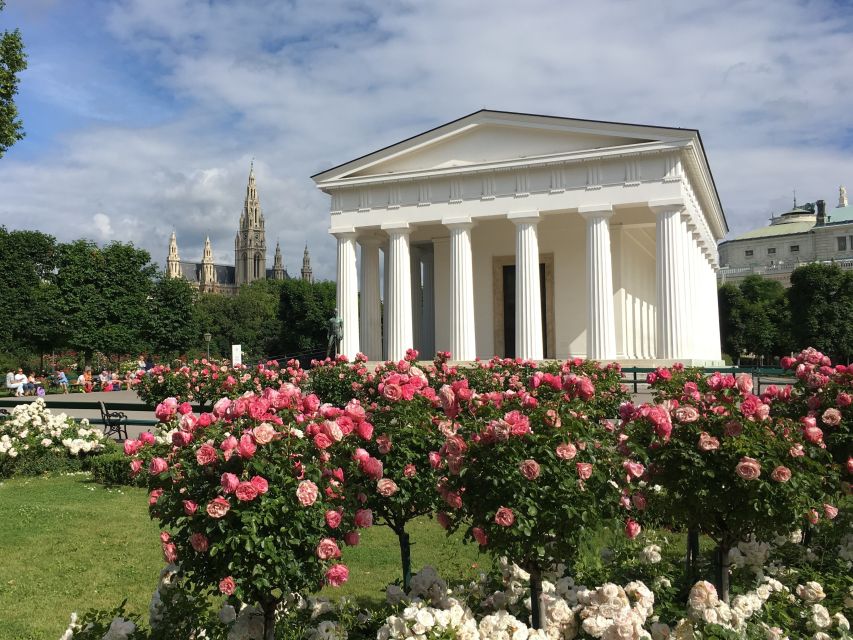
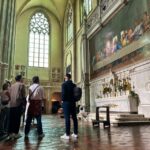
A key stop is the Augustinerkirche, a church where many imperial weddings took place. The big draw here is the story connection: it is where Napoleon married Princess Marie Louise.
This is the kind of stop that benefits from a good guide because the building’s meaning goes beyond architecture. You’re not just looking at a church, you are seeing a hinge moment in European history, through the lens of Vienna’s royal world.
One practical tip: churches and grand public buildings can get busy around peak hours. If you’re the type who likes to take your time for photos, don’t fight the crowd. Let the group move first, then step forward for a couple of quick shots.
Beyond the palaces, the city keeps its own rhythm of coffee, concerts, and day trips nearby.
- Vienna: Vivaldi’s Four Seasons Concert in Karlskirche★ 4.7 · 14,951 reviews
- Vienna: Schönbrunn Palace & Gardens Skip-the-Line Tour★ 4.7 · 7,739 reviews
- Vienna: Light of Creation Votive Church Immersive Light Show★ 4.8 · 6,779 reviews
- Vienna Spanish Riding School Guided Tour★ 4.7 · 6,765 reviews
Spanish Riding School: Lipizzaner tradition, up close
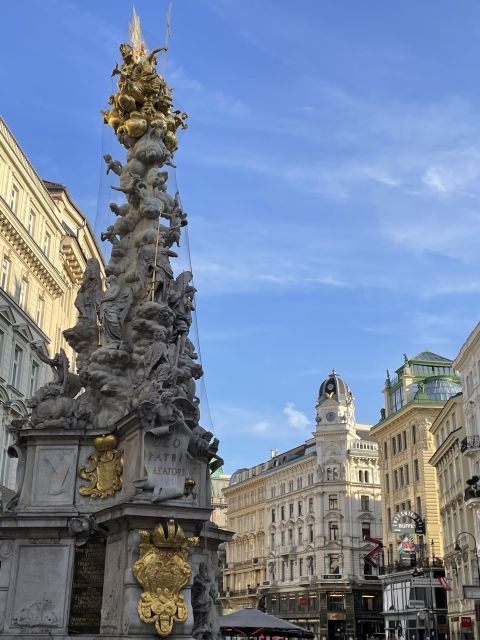
Then you reach the Spanish Riding School, home of the legendary Lipizzaner horses. Even if you are not a deep classical-music person or a hardcore horse enthusiast, this stop tends to land because it feels very Vienna. It’s tradition you can see, not just read about.
The tour frames it with the imperial connection, so you understand why this riding institution became a symbol. You also get a chance to stand in the right spot to appreciate the setting without having to hunt around on your own.
One consideration: this tour is focused on seeing and listening. It is not an entrance ticket plan. Entrance fees are not included, so plan to pay separately if you want access beyond the exterior and guided viewpoint.
Vienna State Opera and Lobkowitz Palace: Beethoven’s Eroica link
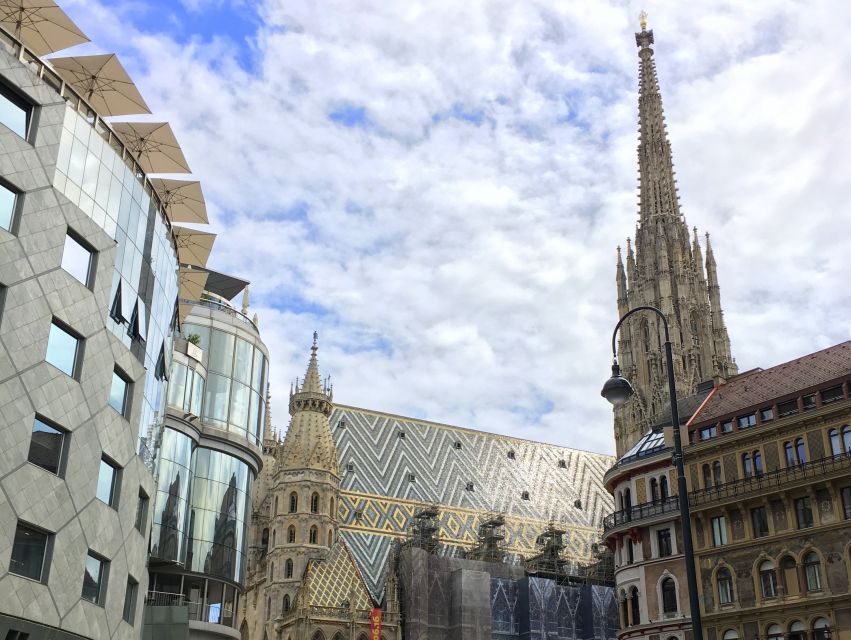
A standout point for music lovers is the connection to Beethoven’s Eroica symphony. The route includes the Vienna State Opera House and Lobkowitz Palace, tied to the fact that Beethoven first conducted the Eroica there.
This is the part of the tour where history becomes personal. You are walking in the same city spaces where composers and patrons intersected, and the guide helps you understand why these venues mattered. It turns a famous piece of music into something you can place on a map.
If you are coming to Vienna specifically for classical culture, this is one of the best ways to start your trip. You’ll leave with names and locations that make the rest of your visit easier. If you are not a music person, you might still enjoy it, because the story is quick to follow and it breaks up the heavy palace theme.
Hotel Sacher and Vienna’s sweet side: coffeehouses with a story
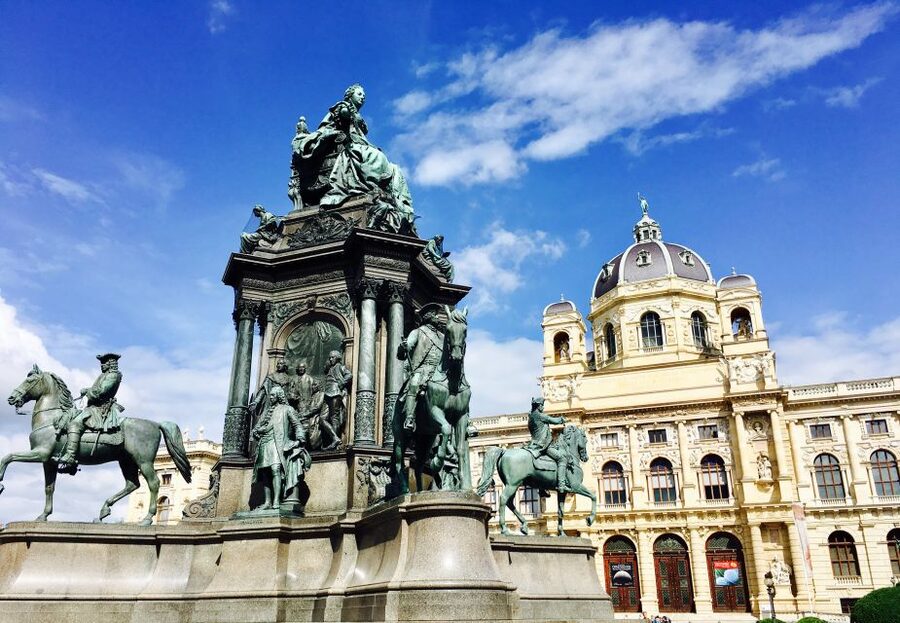
Now you get to the coffeehouse layer of Vienna, which is not a side quest. It is part of how Viennese culture lives.
The tour passes elegant cafés, including Hotel Sacher, where the sacher torte is still served. You are not here to binge pastries on a schedule. The value is the cultural context, so when you do choose a café later, you know what you are ordering and why people care.
In hot weather, pacing really matters. One guide, Alex, was described as careful about stopping for water and choosing shade when possible. That kind of practical attention can make a big difference in a walking tour, especially in summer heat.
Graben to St. Stephen’s Cathedral: shopping street energy, then finish strong
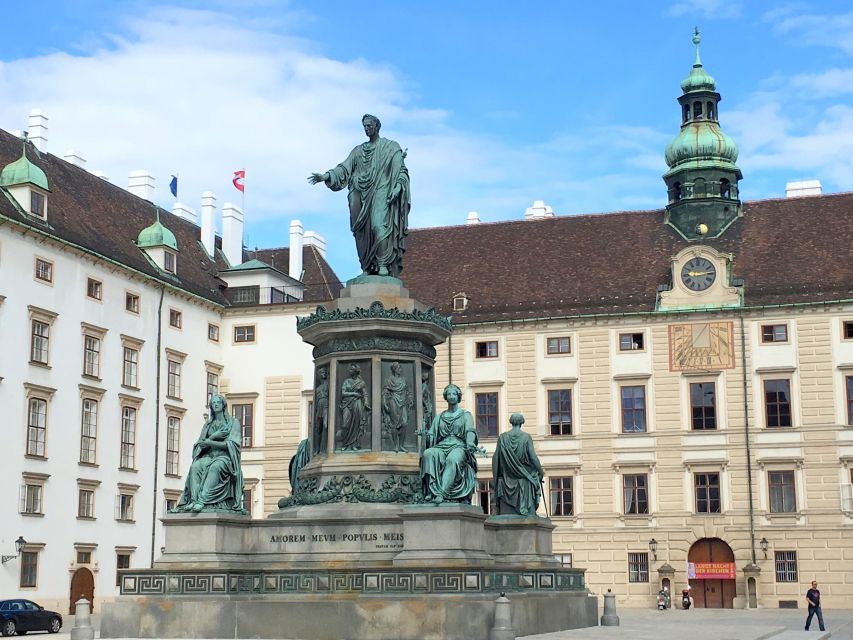
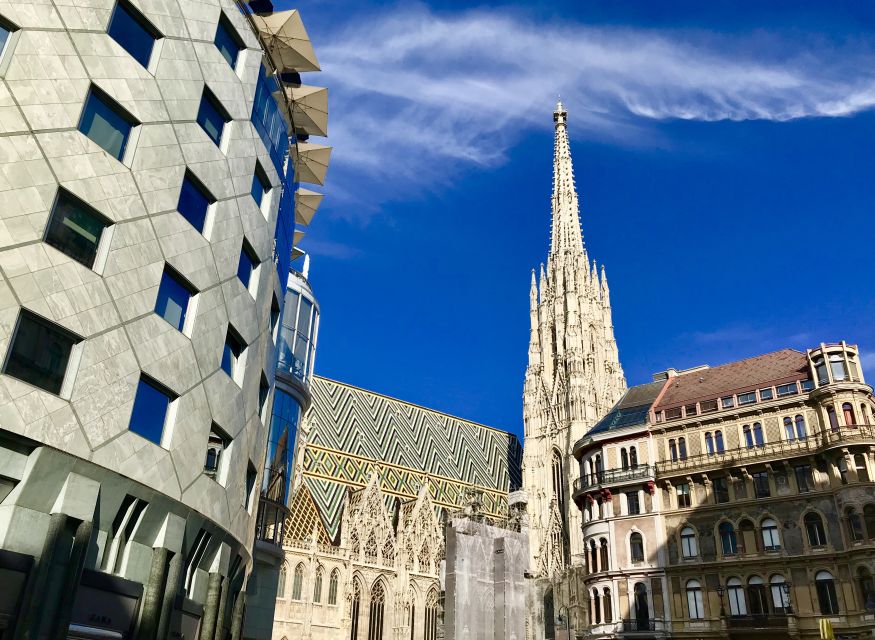
The route continues along Graben, Vienna’s elegant shopping street, and ends next to St. Stephen’s Cathedral. This finish is smart. You end at a landmark you can keep returning to, whether you want to grab dinner nearby, wander further, or pick up a new direction for the rest of the day.
I like how the tour ends at a place where you can naturally extend your time without forcing extra logistics. If you’ve got limited hours in Vienna, finishing near St. Stephen’s gives you options immediately.
Group size, pace, and why it feels like a “first visit” win
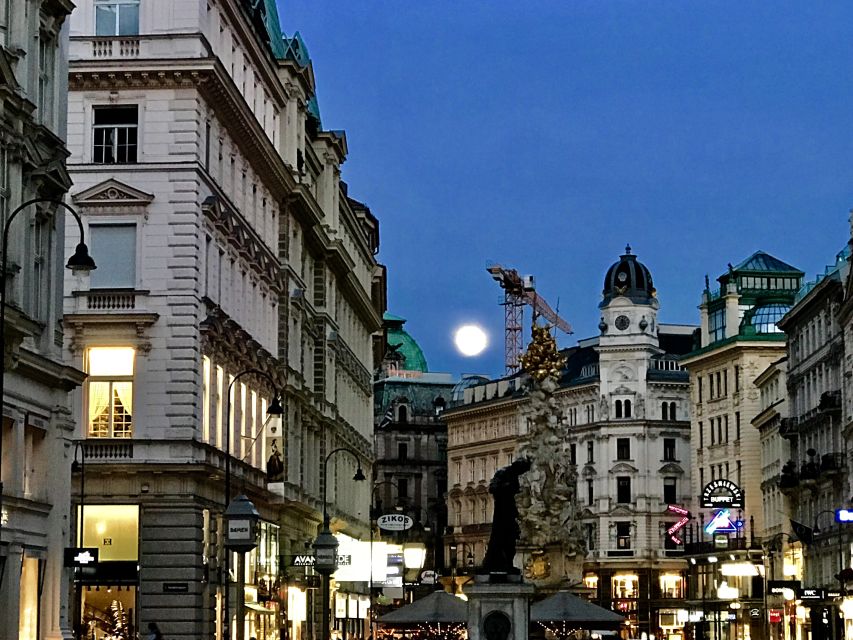
This is designed as an intro tour, with a small group of no more than 15. In practical terms, that means fewer people blocking your view and more chances for questions. You also get headsets, which helps your guide stay audible through crowds, buses, and street noise.
The duration is about 150 minutes. That is long enough to cover multiple eras and locations, short enough that you don’t feel trapped. A few guide styles show up in the experience too. Dace is noted for making history light and interesting, using humor while still answering questions. That balance is what you want on a city tour, especially in a city that can overwhelm you with its own scale.
The pace is described as relaxed, but still packed with stops. If you hate moving frequently, this may not be your ideal style. If you want structure and a hit list that doesn’t feel generic, it fits well.
Value at $74: what you pay for, and what you get
At $74 per person for about 2.5 hours, the headline cost is not tiny. But walking tours like this earn their keep when they save you time and help you prioritize.
Here’s what you are paying for:
- A licensed local guide
- Real route planning across major sites in the inner city
- Headsets so you can follow the story without straining
- A tight format that gives you context fast, then lets you explore on your own afterward
Entrance fees are not included, so you are not paying to get inside museums or palaces. You are paying to understand what you are seeing and to get oriented so you can decide what to add next.
If you can spare the money, this is one of the easiest ways to start Vienna without wasting your first day wandering randomly.
Weather, walking comfort, and how to show up
The tour happens in every weather condition. In winter, it can feel colder than you expect, especially around tall buildings where wind funnels in. Dress like you are going outside, not like you are in a controlled indoor setting.
You’ll also want shoes that work on uneven sidewalks. The tour involves a moderate amount of walking, and it’s not suitable for people with mobility impairments. If you fall on the “I walk fine but long distances tire me” side, pace with the group, and take breaks when your guide stops.
If you plan to visit around the holiday season, the tour can sometimes include pointers to Christmas markets, at least in some guides’ past experiences. Just know that it is not guaranteed to be a market tour with shopping time.
Should you book this Vienna City Center walk?
Book it if you want a high-efficiency first-day orientation. This tour lines up major imperial landmarks, places the city’s power and culture on a timeline, and adds culture via coffeehouses and Beethoven’s Eroica connection. The small group size and headsets make it more enjoyable than the usual crowded sidewalk experience.
Skip it if you need step-by-step mobility support, or if you dislike walking and prefer to sit and absorb. Also consider passing if your visit is extremely short and you only care about one tiny slice of Vienna, like only art museums or only café hopping.
If you’re deciding between doing Vienna “on your own” versus taking a guided start, I’d choose this. It gives you enough structure to explore freely afterward, and it does it without burning half a day.
FAQ
Where is the meeting point?
Meet your guide by the statue of Empress Maria Theresa on Maria-Theresien-Platz, on the side facing the Kunsthistorisches Museum and Naturhistorisches Museum. Your guide will be holding a green Vienna City Walking Tour sign.
How long is the tour?
The tour lasts 150 minutes, or about 2.5 hours.
What is the group size?
It is a small group tour with no more than 15 people.
Is entrance to attractions included?
No. Entrance fees are not included.
Does the tour provide help for hearing the guide?
Yes. Headsets are included to help you hear the tour guide clearly.
What language is the tour in?
The live tour guide is English.
Is the tour wheelchair or mobility-friendly?
No. It is not suitable for people with mobility impairments.
Latest Additions
- Wachau Valley Private Wine Tour with Tasting and Gourmet Lunch
★ 5.0 · 1 review - Vienna: Danube Valley Tour with Melk, Dürnstein with wine tasting and boat.
★ 5.0 · 1 review - Private city tour in Vienna
★ 5.0 · 1 review - Hallstatt Small Group Day Trip from Vienna
★ 3.0 · 1 review - Inside Freud’s Mind: Self-Guided Mystery Walk in Vienna
★ 4.0 · 1 review - Private Transfer from Vienna to Prague
★ 5.0 · 1 review - Vienna’s Christmas Market Magic Tour
★ 5.0 · 1 review
Walking Tours, compared.
Guided Walking Tour of City Center Highlights
Read our review →
Guided Walking Tour of City Highlights & Hidden Gems
Read our review →
Vienna Historic Center Small Group Walking Tour
Read our review →
Browse the lists this tour appears in