
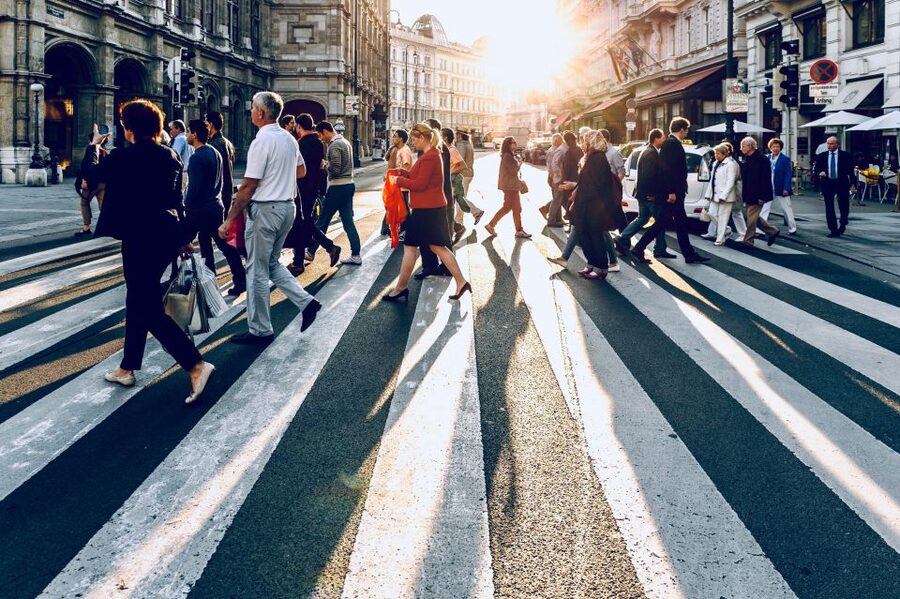
Reviewed · WALKING TOURS
An Introduction to Vienna Walking Tour
Art history walks, not lectures. This 3-hour tour uses expert guides to connect the dots between politics, economics, and the contemporary art scene you see on the street, starting at Vienna’s Café Hawelka and building from there with art historian guides. You get the feel of how a creative hub forms, not just a list of famous names.
I especially like the way the route centers on the gallery mile concept, with stops tied to the Mitte-to-Potsdamer Straße stretch and galleries such as Esther Schipper, Plan B, and Klosterfelde. I also like that the story is concrete, including why Berlin became Europe’s artistic magnet after the fall of the Berlin Wall in 1989, with causes like affordable rents, a looser climate, and open space.
One possible drawback: at $176 per person for 3 hours, it has to hit for you, and not everyone loves that the time is tight. A reviewer who paid more than expected mentioned the route needed reworking due to poor weather, which can make a short tour feel even shorter.
In This Review
- Key things to know before you go
- Café Hawelka first, then the art story gets moving
- The Mitte-to-galleries route: why starting on Auguststraße changes everything
- The subway jump to Potsdamer Straße, and what the guide is really teaching
- The gallery mile in practice: big names and small spaces
- How 1989 helped create an art magnet, and why Vienna matters in the framing
- Meeting a real person, not just a guide script
- Stops, pacing, and why this is built for your first day in town
- Price check: is $176 per person good value for 3 hours?
- Who should book this tour, and who should skip it
- Should you book An Introduction to Vienna Walking Tour?
- FAQ
- FAQ
- Where is the meeting point for the tour?
- How long is the walking tour?
- What is the price per person?
- What language is the live tour guide?
- Is video recording allowed during the tour?
- Is the tour suitable for people with mobility impairments?
- Is there free cancellation?
- Can I reserve and pay later?
Key things to know before you go
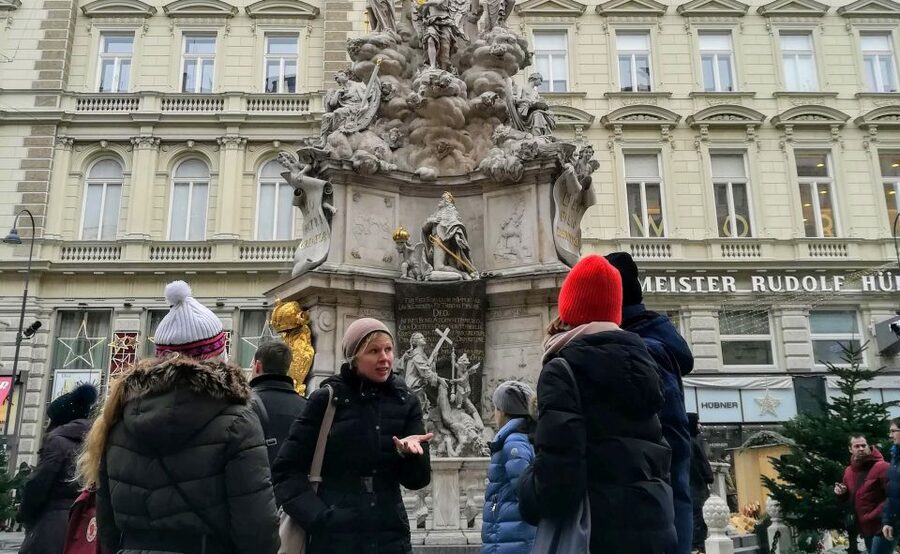
- Café Hawelka is the launch pad, a historic family cafe tied to Vienna’s arts community since 1945
- Your guide is an academic or working critic type, with credentials like professor, doctoral student, art critic, or published author
- The tour is built around the gallery mile idea, with around 30 galleries and art project spaces spread through the area
- You move between neighborhoods by subway, shifting from Mitte (Auguststraße area) to Potsdamer Straße
- You see big names and tiny spaces, from established ventures to private initiatives in basements and courtyards
- Berlin is the backbone story, explaining how 1989 helped turn a city into a magnet for artists
Café Hawelka first, then the art story gets moving
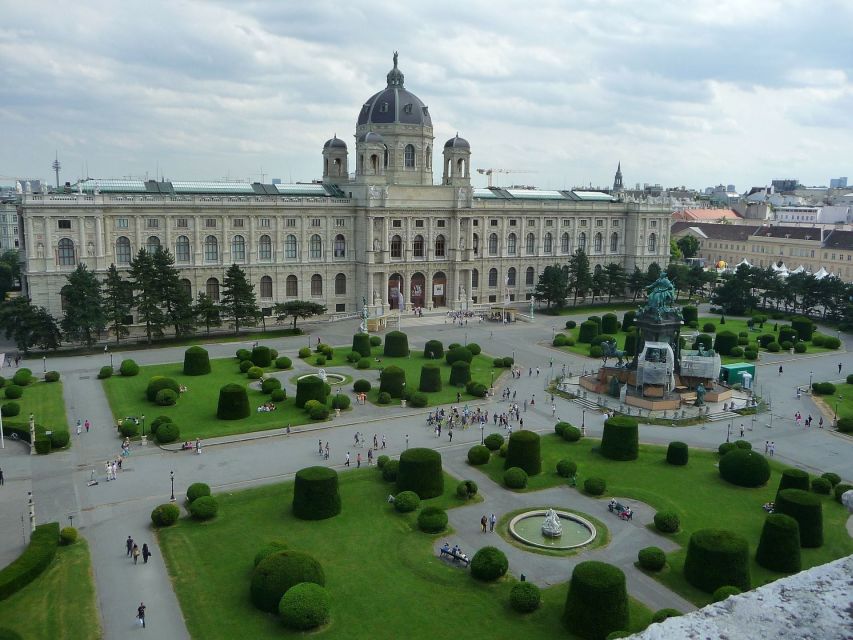
If you like your tours to start with a sense of place, this one does. Meeting at Café Hawelka (Dorotheergasse 6, 1010 Wien) matters because it is not a random corner point. It is a long-running family cafe that has hosted Vienna’s artistic community since 1945, so the mood is already social and creative before you even start walking.
After that, the guide sets the pattern: contemporary art does not appear out of thin air. You hear the big picture, then you apply it to what you are seeing in the gallery scene. Guides on this tour come with serious backgrounds, since the program lists them as professors, doctoral students, historians, journalists, art critics, or published authors. That credentialing usually shows up in the way they answer questions, too. One reviewer singled out Katerina’s ability to cover politics, art, history, economics, military, religious, and social history in a way that felt organized rather than chaotic.
You will want to bring comfortable shoes, because this is a walking tour and the goal is to connect many stops in a short window.
Other ways to round out a Vienna visit
The Mitte-to-galleries route: why starting on Auguststraße changes everything
The tour begins on Auguststraße in Mitte, an area described as full of galleries and art spaces. The specific anchor is Kunst Werke, a contemporary art institution founded in the early 1990s. Even if a museum-type stop is not your first love, this is useful. Early 1990s institutions tend to explain how a scene grows teeth after a cultural shift, and that theme runs through the whole tour.
What I like about this early segment is that it encourages you to look at scale. At first, the galleries you encounter can feel intimate, less formal, and more experimental. The tour is designed around those small stops, with the schedule depending on what is on view while you are there. That matters because gallery shows change, and seeing how the guide talks about the current work helps you understand the room, the artists, and the local momentum, not only the building.
If you prefer tours that are light on theory and heavy on what is physically in front of you, this part helps. You get a sense of why people cluster here, and how the scene uses the city itself like part of the exhibition.
The subway jump to Potsdamer Straße, and what the guide is really teaching
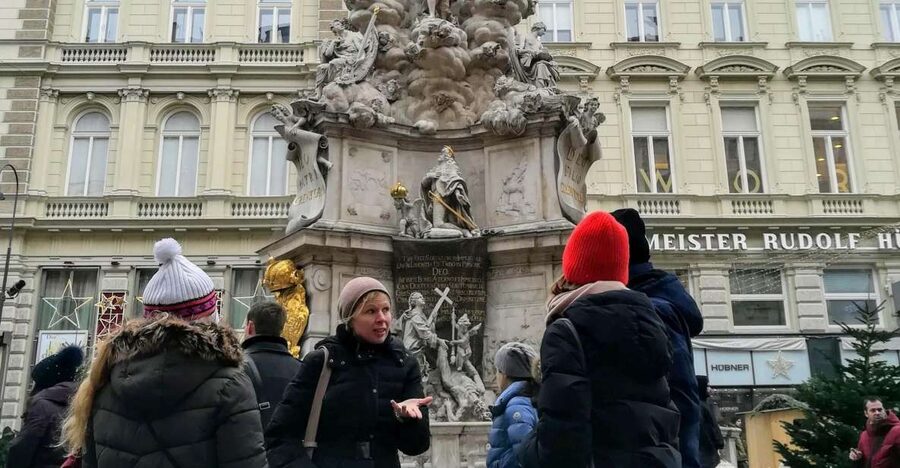
Next, you take the subway to Potsdamer Straße. This step is not just practical. It is part of the lesson about how art districts spread and shift over time.
The tour frames Potsdamer Straße as a stretch that has gained momentum over roughly the last five years, with many gallerists moving from Mitte to the area south of the Neue Nationalgalerie. The guide uses that movement to explain why a gallery mile is never fixed. It keeps moving as rents, audiences, and the practical realities of running a space change.
In other words, your sightseeing includes a social science angle. You start to recognize a pattern: artists and galleries follow conditions that make it easier to take risks. When the tour talks about a semi-liberal climate and affordable rents, it is not fluff. It is the kind of detail that helps you predict what you will see next, so the walk feels less like wandering and more like reading a map.
The gallery mile in practice: big names and small spaces
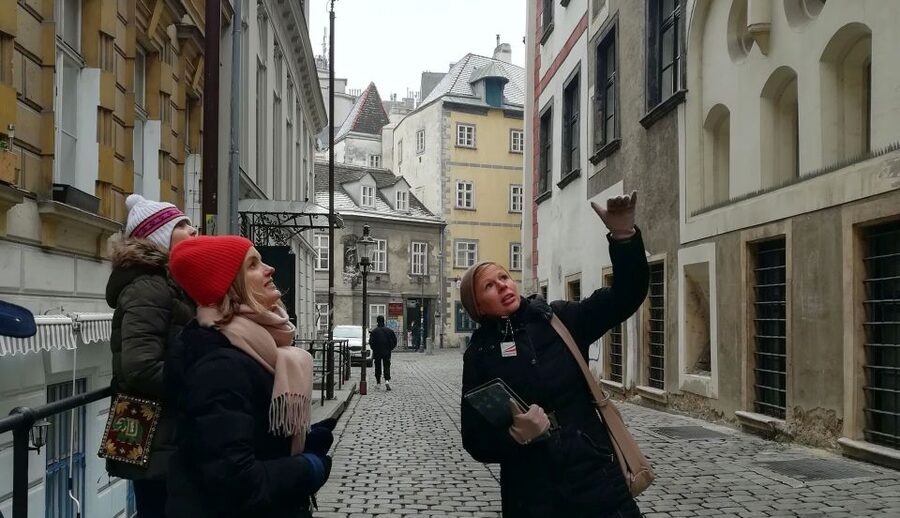
A highlight of this tour is the gallery density. The description points to about 30 galleries and art project spaces scattered around an unpolished neighborhood, which is exactly the kind of setting where contemporary scenes breed. You are not only meant to look at famous storefronts. You are meant to understand the network effect.
The tour includes renowned galleries such as:
- Esther Schipper
- Plan B
- Klosterfelde
- and others listed like Isabella Bortolozzi, Gitti Nourbakhsch, Guido Baudach, Arndt, and Tanya Leighton
But what I found more useful than any one brand name is the range. The walk is set up to take you from established ventures to smaller private initiatives hidden in obscure courtyards and basements. That variety teaches you how contemporary art can be accessible in different ways. Some spaces feel like they have institutional power. Others feel like experiments that are still figuring themselves out.
One practical tip from the tour’s vibe: expect the guide to point out why a space is in the location it is in, and how that impacts the kind of shows it can support. That can change the way you look at the building in front of you, not just the art inside.
Beyond the palaces, the city keeps its own rhythm of coffee, concerts, and day trips nearby.
- Vienna: Vivaldi’s Four Seasons Concert in Karlskirche★ 4.7 · 14,951 reviews
- Vienna: Schönbrunn Palace & Gardens Skip-the-Line Tour★ 4.7 · 7,739 reviews
- Vienna: Light of Creation Votive Church Immersive Light Show★ 4.8 · 6,779 reviews
- Vienna Spanish Riding School Guided Tour★ 4.7 · 6,765 reviews
How 1989 helped create an art magnet, and why Vienna matters in the framing
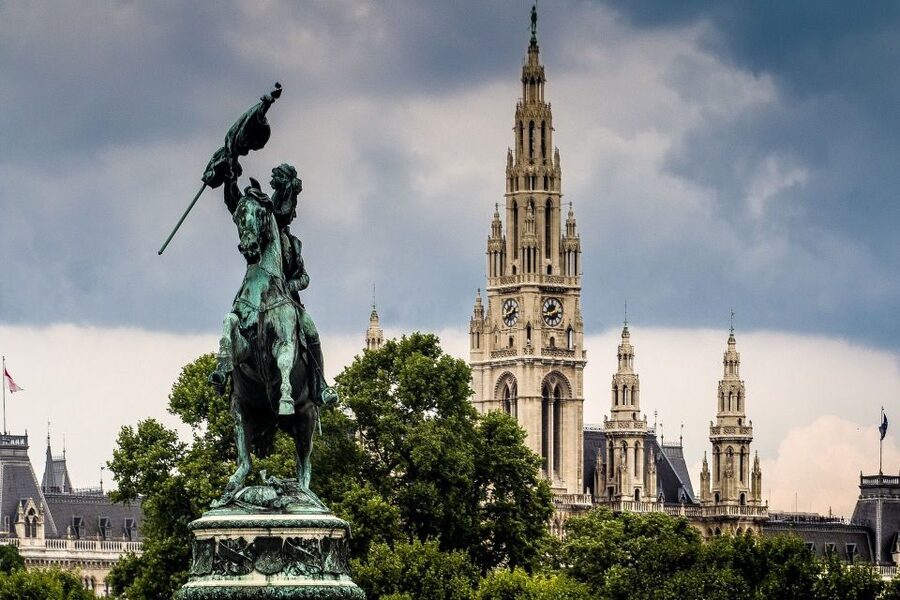
Even though this is a walking tour experience in Vienna, the story is explicitly anchored in Berlin. You learn why Berlin became the artistic magnet of Europe after the fall of the Berlin Wall in 1989, and you explore the city’s gallery mile idea on the way.
This is where the tour earns its keep. A lot of art tours name artists or describe styles. This one tries to explain why the ecosystem existed in the first place. The guide connects the artistic boom to factors like:
- affordable rents
- a semi-liberal climate
- open spaces
Those are not abstract causes. They are the conditions that make it possible for galleries to take chances, for collectives to form, and for artists to try new formats without immediately going bankrupt. When you are walking through a cluster of galleries, those factors stop being theories and start sounding like common sense.
If you are the type of traveler who wants to leave a city with a working model, this approach helps. You will likely find yourself spotting similar patterns elsewhere: where rents are lower, where there is room to grow, and where the local culture tolerates the weird ideas long enough for them to become a scene.
Meeting a real person, not just a guide script
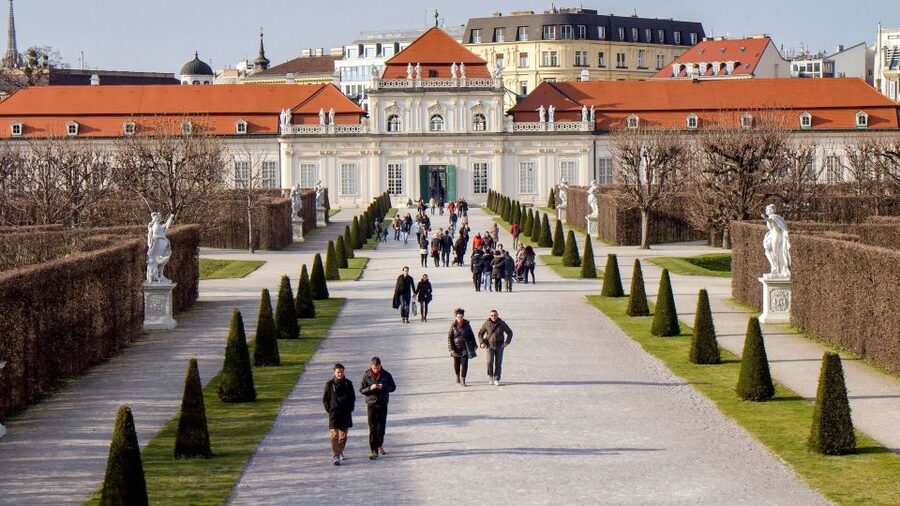
The quality of this tour shows up in the reviews, and you can feel it in how the guide role is described. All guides on the experience are connected to the world through work and study: professors, doctoral students, historians, journalists, art critics, or published authors.
You also get the human factor. One reviewer described Katerina as delightful, intelligent, and lively, and praised the way she handled questions while keeping a tight three-hour structure. Another reviewer highlighted Elsa as very knowledgeable and informative, calling the tour fantastic. In a private tour context for a family of four, one reviewer noted the guide’s communication skills, with the guide having a professional background in psychology and diplomacy, which helped with a special needs teen in the group. That is not the kind of detail you would get from a generic audio tour.
You should expect the guide to tailor the conversation to what you ask. If you like Q and A, ask about the tradeoffs behind gallery life, like how artists find space and how galleries build audiences.
Also, the tour can run as private or small groups. That matters. In a small group, you are more likely to get direct answers instead of rushed, one-size responses.
Stops, pacing, and why this is built for your first day in town
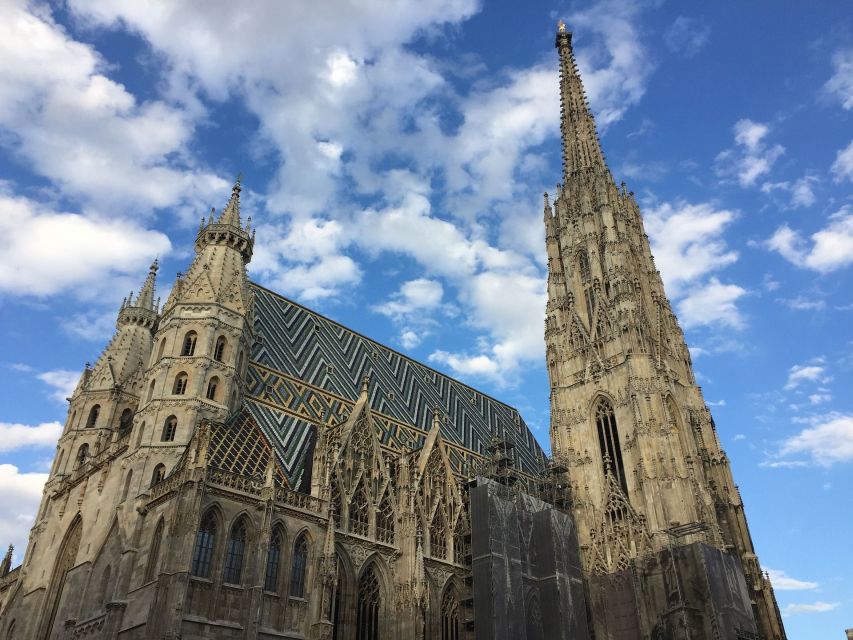
This kind of art tour works best as an orientation. It does not ask you to memorize catalog text. It teaches you a way to look.
The tour starts in the Mitte area on Auguststraße, then shifts to Potsdamer Straße by subway. Along the way you explore galleries ranging from large, well-known names to smaller project spaces you might not notice on your own. If you treat it as an information pass, you will get more out of every later gallery visit you make.
Pacing is important. The guide is walking you through a dense set of locations in a limited time. One reviewer said the guide gave opportunities to rest, which is a nice sign you are not just marched through.
There is also a rule to keep in mind: video recording is not allowed. If you like filming openings or storefront reactions, be ready to switch to photos or just to listening and note-taking.
Finally, bring your patience for weather. One review mentioned reworking the route because of poor weather. You cannot control that part, but you can control how you pack, meaning comfortable shoes and clothes you can move in.
Price check: is $176 per person good value for 3 hours?
At $176 per person for about three hours, this is not a budget stroll. The value depends on what you want from the experience.
Here is what you are paying for, based on the tour description:
- An expert guide with serious credentials
- A structured explanation of why Berlin’s post-1989 art scene grew
- Visits connected to major galleries such as Esther Schipper, Plan B, and Klosterfelde
- A dense route that includes many galleries and art project spaces, described as around 30
- Movement between areas, including a subway segment
If you care about art as culture, politics, and economics all together, you are paying for context and for expert interpretation. That tends to justify a higher price, especially when the guide can answer questions beyond the surface.
Now the balanced note: one reviewer rated it 3 out of 5 and said that for the cost, they expected more, noting possible route reworking due to poor weather. That lines up with the reality that a short tour has less room for detours. If you are expecting lots of time inside spaces, or you are very price sensitive, you might feel the squeeze.
My practical suggestion: if you are booking this as your first major art orientation, it can feel worth it because it helps you decide what to see later. If you already have a deep reading list and a tight schedule, you might prefer self-guided visits plus one museum appointment.
Who should book this tour, and who should skip it
This tour is a strong fit if:
- You want contemporary art explained through real-world forces, not just art terms
- You enjoy walking between spaces and hearing why they are there
- You plan to visit galleries later and want a map of how the scene works
- You like guides who can connect art to economics and politics
It is not a good fit if:
- You have mobility impairments, since it is listed as not suitable
- You want a low-energy, sit-down experience
- You plan to film throughout, since video recording is not allowed
Should you book An Introduction to Vienna Walking Tour?
I think you should book it if you want a smart, human guide and you like getting oriented fast. The price is steep, but the content is also specific: a focused story about Berlin’s post-1989 gallery boom, delivered by guides with real academic or critical credentials, paired with a gallery-dense walk that includes both major names like Esther Schipper and smaller spaces you might otherwise miss.
If you are unsure, make the decision based on two questions. First, do you want context as much as you want art? Second, can you do three hours of walking with some weather flexibility? If both answers are yes, this one is likely to land well.
FAQ
FAQ
Where is the meeting point for the tour?
You meet at Café Hawelka, Dorotheergasse 6, 1010 Wien.
How long is the walking tour?
The duration is 3 hours.
What is the price per person?
The price is $176 per person.
What language is the live tour guide?
The tour is in English.
Is video recording allowed during the tour?
No, video recording is not allowed.
Is the tour suitable for people with mobility impairments?
No, it is not suitable for people with mobility impairments.
Is there free cancellation?
Yes. You can cancel up to 24 hours in advance for a full refund.
Can I reserve and pay later?
Yes. You can reserve now and pay later to keep your plans flexible.
Latest Additions
- Wachau Valley Private Wine Tour with Tasting and Gourmet Lunch
★ 5.0 · 1 review - Vienna: Danube Valley Tour with Melk, Dürnstein with wine tasting and boat.
★ 5.0 · 1 review - Private city tour in Vienna
★ 5.0 · 1 review - Hallstatt Small Group Day Trip from Vienna
★ 3.0 · 1 review - Inside Freud’s Mind: Self-Guided Mystery Walk in Vienna
★ 4.0 · 1 review - Private Transfer from Vienna to Prague
★ 5.0 · 1 review - Vienna’s Christmas Market Magic Tour
★ 5.0 · 1 review
Walking Tours, compared.
Guided Walking Tour of City Center Highlights
Read our review →
Guided Walking Tour of City Highlights & Hidden Gems
Read our review →
Vienna Historic Center Small Group Walking Tour
Read our review →
Browse the lists this tour appears in