Reviewed · TICKETS
Vienna: Underground WWII Bunker Ticket and Guided Tour
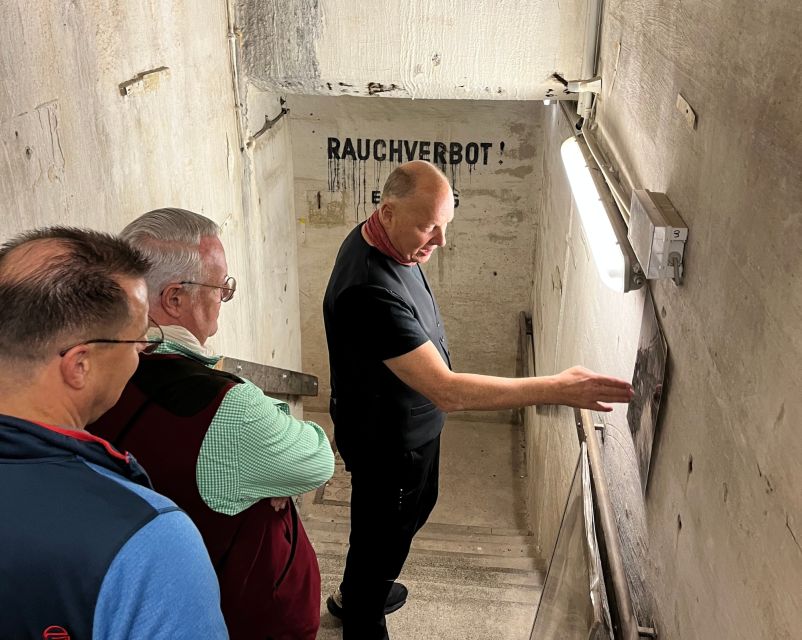
Vienna gets quieter, then you go underground. This guided experience takes you into a well-preserved WWII air raid shelter tucked away in Vienna, where you’ll study real artifacts and hear wartime stories tied to how people actually coped with bombing.
I really like the physical reality here. The shelter is intact enough that you can see the thinking behind the design, and you get plenty of time to look at historical objects up close. I also love the mood-making details, like candle lighting, which helps the space feel less like a set and more like a place people feared and relied on.
One thing to weigh: the tour guide is German-speaking only, so if you don’t follow German well, you may miss the best parts of the storytelling.
In This Review
- Key highlights worth planning for
- Entering the Museum and Finding the Right Starting Point
- Going Down Into a WWII Air Raid Shelter You Can Actually Read
- What You’ll See Underground: Artifacts, Layout, and Everyday Shelter Life
- The Stories Behind the Shelter, From Bombing Raids to Austrian Change
- Atmosphere and Timing: 90 Minutes That Keep It Focused
- Price and Value: Is $35 Worth It?
- Practical Stuff That Really Matters Here
- Cameras are not allowed
- Comfortable shoes are required
- It is not barrier-free
- The guide language is German
- Rain or shine
- Who Should Book This Tour (and Who Might Be Frustrated)
- Tips to Get More Out of the Tour
- Should You Book This Underground WWII Bunker Tour?
Key highlights worth planning for
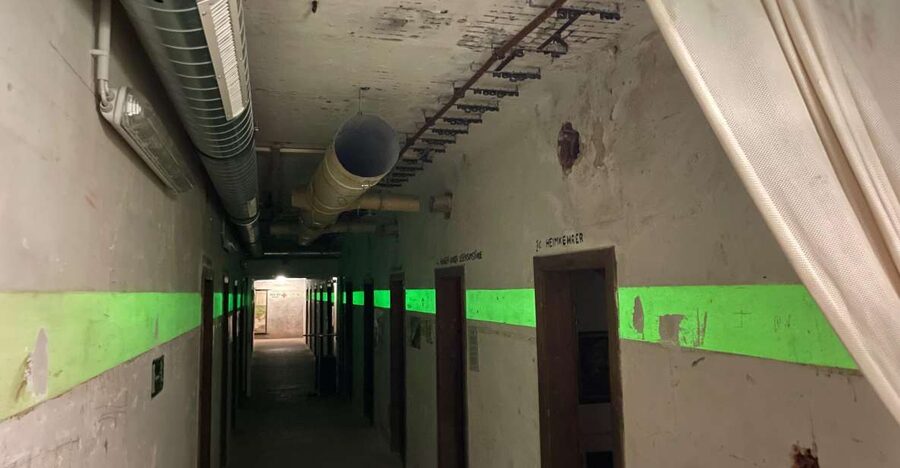
- Non-public WWII shelter access from the Museum of Liberation (1945-1955) down into an undisclosed spot
- Candle-lit atmosphere that makes the underground setting feel immediate
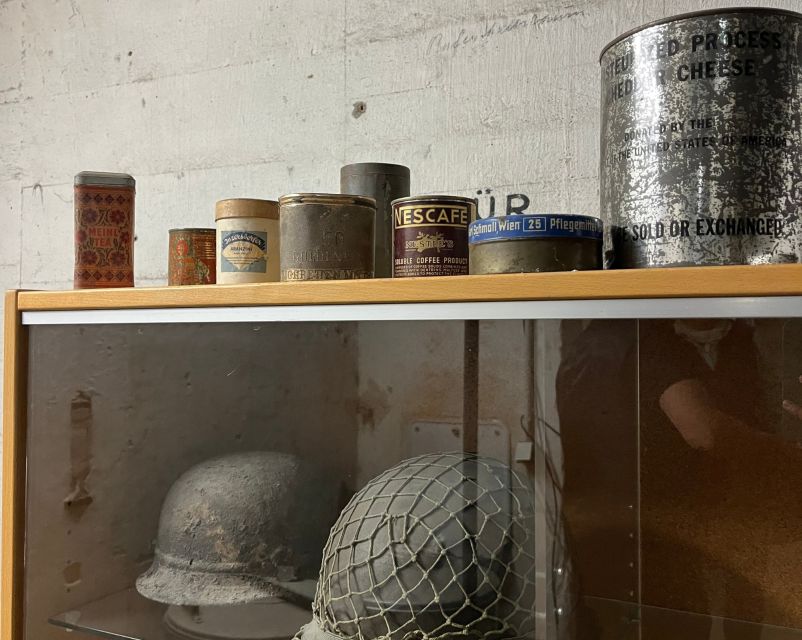
- Well-preserved artifacts and objects that explain what shelter life was like
- Guided interpretation focused on wartime social and political context, not just architecture
- Skip-the-line entry using a separate entrance at the museum
- 90 minutes total, rain or shine, so plan for a consistent timeline
Entering the Museum and Finding the Right Starting Point
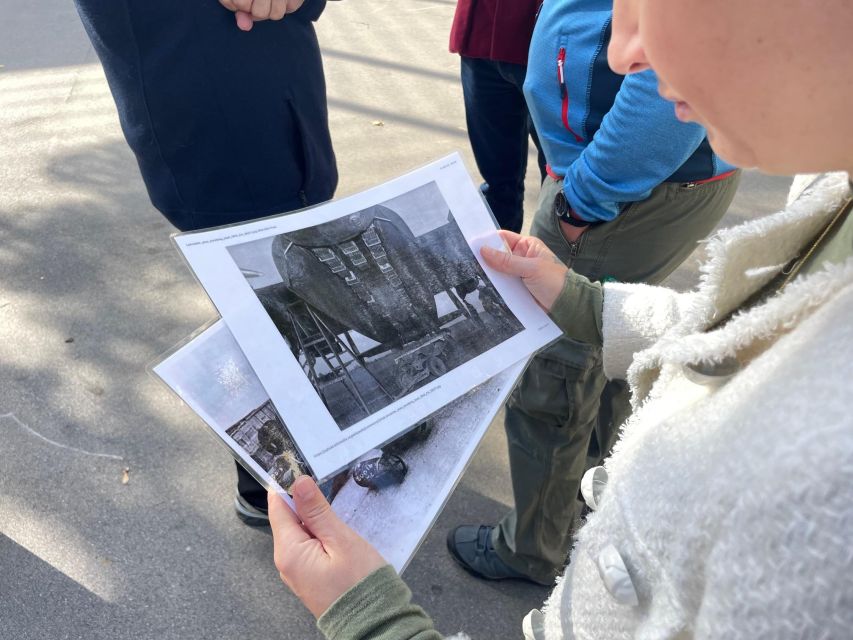
This tour starts at the Museum of Liberation of Vienna 1945-1955, right at the front entrance. From there, you move with your guide to a nearby access point, and then you go down into the air raid shelter itself.
That “meet at the museum first” step matters. It sets a historical frame before you go underground, so the bunker doesn’t become just a spooky novelty. You’re there to understand how civilians tried to stay alive during allied bombing raids, and how Austria’s political situation shaped daily life.
One practical note: the signposting around the entrance can be a little tricky. If you’re early, take a minute to get your bearings at street level before you wait, so you don’t end up rushing while everyone else is already lining up.
Other ways to round out a Vienna visit




Going Down Into a WWII Air Raid Shelter You Can Actually Read
The core of this experience is straightforward: you’ll explore an air raid shelter that is well-preserved and not open to the general public in the usual way. After meeting at the museum, you descend into the shelter and follow your guide through the underground spaces.
What makes this tour special is that you’re not standing in front of a big empty room. You’ll be looking at the architecture and how the space was built for safety, then connecting that with the objects inside. The experience is designed for you to do more than “see” the bunker. You’re meant to observe how it functioned, and then imagine what it felt like to seek refuge there when the raids came.
You’ll also notice how much attention goes into the atmosphere. In at least one account, visitors were impressed by the candle lighting approach, which makes it easier to picture the emotional tone of the shelter. In a place like this, lighting and sound matter. When the mood is right, the stories land better.
If you’re hoping for dramatic special effects, that’s not the point. The strength here is the historical texture, the physical presence of the space, and the guided explanations that turn details into meaning.
What You’ll See Underground: Artifacts, Layout, and Everyday Shelter Life
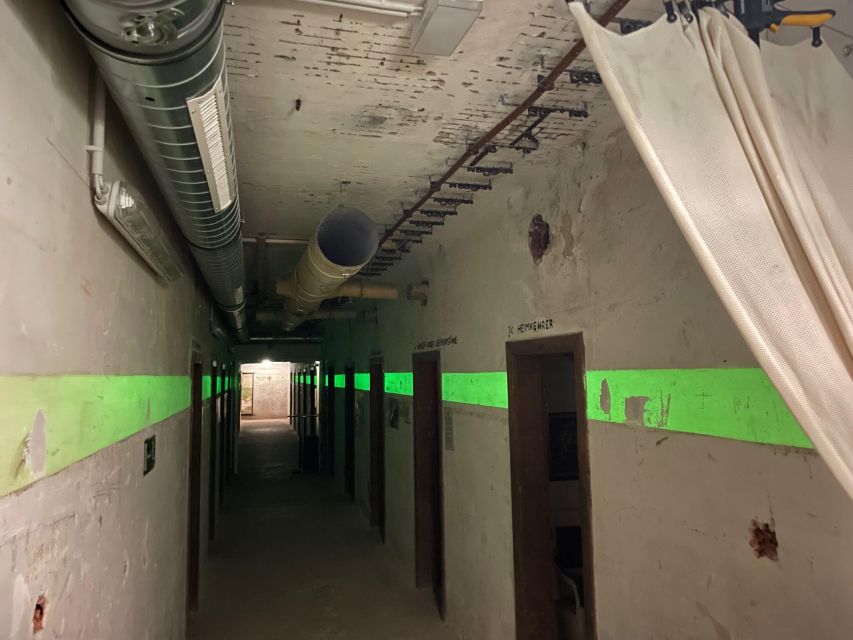
Inside, you’ll walk through the hidden shelter and study things that help explain daily life during the war. You’re guided through the bunker with interpretation tied to what civilians needed and what they experienced.
Expect a focus on:
- the shelter’s layout and design choices
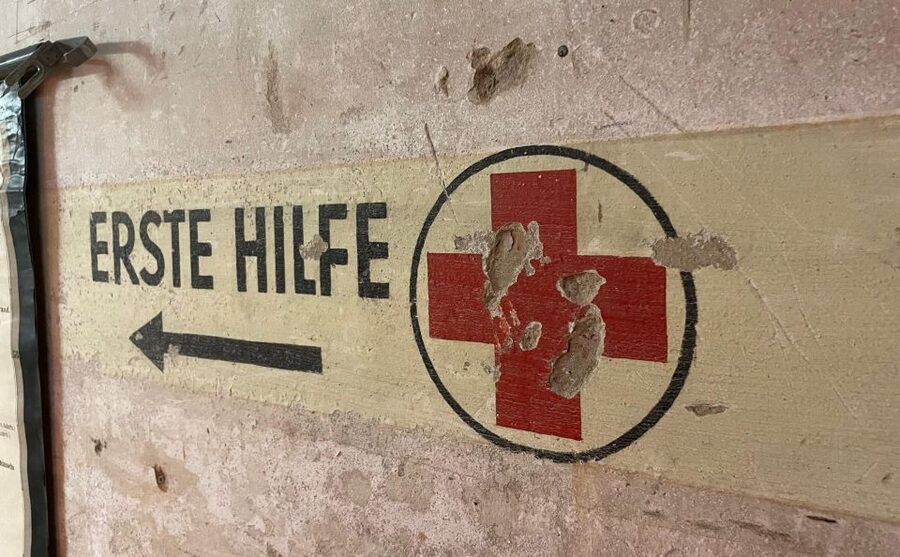
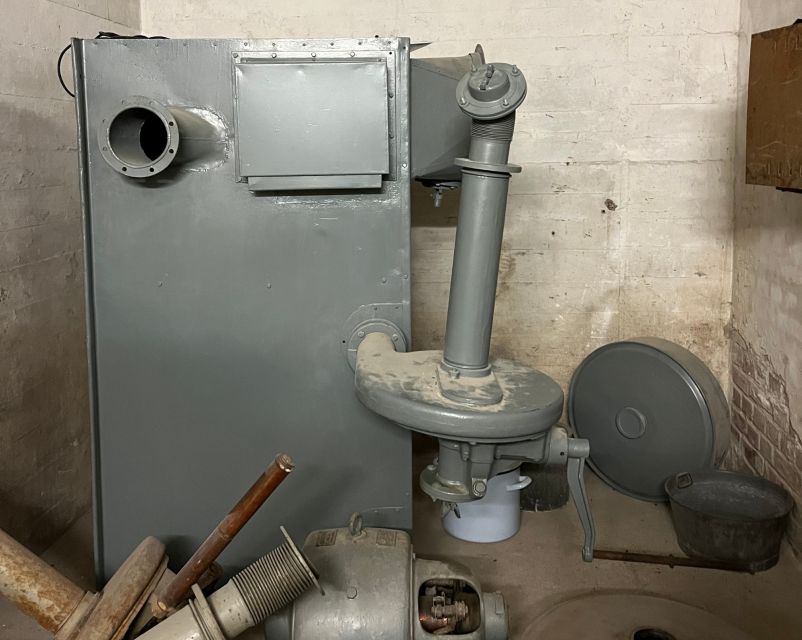
- visible historical artifacts and objects
- daily shelter routines, fears, and the practical reality of staying underground
The goal is to help you understand the air raid shelter not as a vague idea, but as a functional refuge. You’re looking at history in a place where people would have waited, listened, and tried to endure.
This is also where the tour’s “guided” aspect pays off. A good guide helps you connect what you see, to what you’d have needed at the time. Even when you don’t catch every single detail, the combination of physical viewing and human stories makes it much easier to keep the timeline straight in your head.
And if you’re the type who likes to learn by observation, you’ll likely enjoy the pacing. You get time to look, not just pass through on a quick sprint.
The Stories Behind the Shelter, From Bombing Raids to Austrian Change
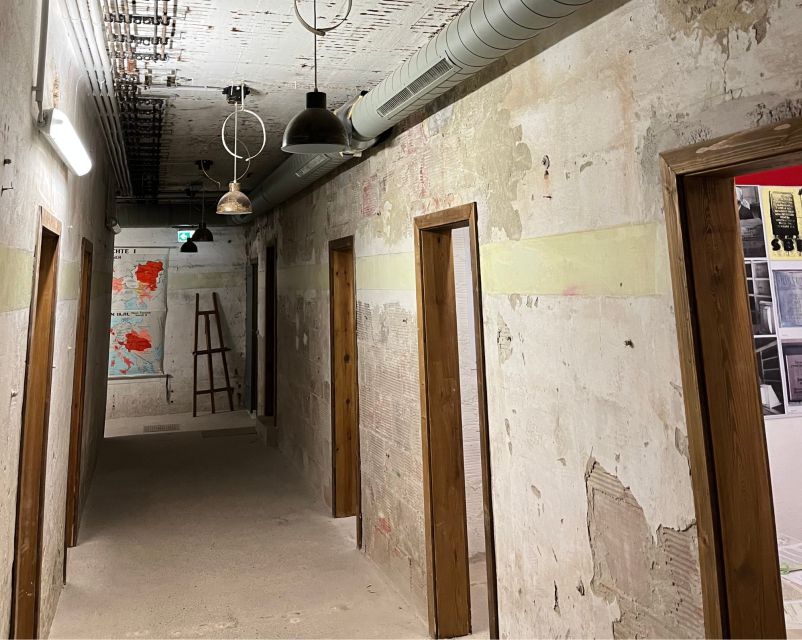
The bunker is the stage, but the guide’s stories are the script. You’ll hear authentic anecdotes and explanations about life in an air raid shelter and how major political events shaped the period.
Your guide covers how the raids and their effects fit into the bigger picture of Austria during World War II, including:
- the consequences of annexation
- the challenges of reconstruction after the war
That combination matters, because it stops the tour from feeling like isolated wartime horror. Instead, it gives you a sense of cause and effect. Allied bombing didn’t happen in a vacuum. Austria’s political situation changed what people faced and what came next after the worst years.
You’ll also hear explanations that aim to make you think like a civilian. It’s not just about tactics or military history. It’s about what it meant for ordinary people to seek safety, endure uncertainty, and hold on through disruption.
In one account, the guide was praised for describing stories based on information heard from contemporary witnesses. That’s the kind of detail that can shift a bunker visit from “interesting” to “I get what this meant.”
Beyond the palaces, the city keeps its own rhythm of coffee, concerts, and day trips nearby.
- Vienna: Vivaldi’s Four Seasons Concert in Karlskirche★ 4.7 · 14,951 reviews
- Vienna: Schönbrunn Palace & Gardens Skip-the-Line Tour★ 4.7 · 7,739 reviews
- Vienna: Light of Creation Votive Church Immersive Light Show★ 4.8 · 6,779 reviews
- Vienna Spanish Riding School Guided Tour★ 4.7 · 6,765 reviews
Atmosphere and Timing: 90 Minutes That Keep It Focused
This is a 90-minute experience. That duration is long enough to take in the bunker layout and still keep the historical thread clear. It’s short enough that you’ll feel it as a focused tour, not a half-day program.
Because it runs rain or shine, you’ll likely spend most of the time moving indoors or underground. Still, plan to meet and move in regular weather at street level before you descend. Comfortable shoes are your main gear choice here.
Underground spaces can also make you move more slowly. Even when the tour feels well-paced, you’ll probably find yourself stopping to look at details. If you’re used to museum walking at speed, adjust expectations a bit.
Price and Value: Is $35 Worth It?
At $35 per person, this tour sits in the “worth it if you care about history and want a guide” category. The value is not just the bunker itself. You’re paying for interpretation, and you’re also getting museum entry included with it.
Here’s what your money covers:
- entry to the Museum of Liberation of Vienna 1945-1955
- a guided tour down into the air raid shelter
- a German-speaking guide
- a skip-the-line setup via a separate entrance
If you were to visit the museum and then seek out a bunker experience on your own, you would likely spend extra time figuring out access and context. In this case, you get a prepared pathway, with a guide to connect what you see underground to what you learn at the museum above.
The only real “cost” beyond money is your language fit. Since the tour runs in German, the $35 value depends on how much German you can follow while focusing on a dark, indoor environment. If you do speak German comfortably, you’re buying a coherent narrative in a powerful setting.
Practical Stuff That Really Matters Here
A few details can make or break your visit.
Cameras are not allowed
You can’t bring cameras into the tour. That changes how you experience the space. Instead of collecting photos, you’ll focus on observing, listening, and remembering. If you want images later, you’ll need to rely on memory and any official material provided separately by the site.
Comfortable shoes are required
You’ll be going underground. Wear shoes that handle stairs or uneven surfaces without stress.
It is not barrier-free
This tour is not barrier-free, and it’s not designed for mobility impairments. If stairs or tight routes are a concern for you, it’s better to skip this one and look for an alternative Vienna history experience that better fits your needs.
The guide language is German
The tour is guided in German. Even if you understand some German, the bunker setting can make it harder to catch every word. If your German is limited, you might still enjoy the visual aspect, but you’ll lose some of the storytelling value.
Rain or shine
The experience itself runs regardless of weather, but you still start at street level. Dress for normal Vienna conditions and keep in mind that waiting outside before you join the group is part of the deal.
Who Should Book This Tour (and Who Might Be Frustrated)
This tour fits best if you:
- like WWII-era history and want it explained in a human way
- enjoy learning through physical spaces, not just reading panels
- want a guided narrative that connects shelter life with broader Austrian events
It might feel less satisfying if you:
- don’t understand German well enough to follow the guide’s stories
- need an accessible route (because it is not barrier-free)
- have trouble with stairs or underground mobility constraints
One more fit issue is age. The tour is not suitable for people over 95 years, so if you’re booking for someone elderly, this isn’t the right option.
If your priorities are quiet sightseeing or lots of photo opportunities, you’ll probably prefer a different kind of attraction. Here, the value is the guided interpretation and the underground setting.
Tips to Get More Out of the Tour
You’ll get more from this kind of experience if you go in with a “look and listen” plan.
- Arrive a few minutes early at the Museum of Liberation of Vienna 1945-1955 so you can find your meeting spot without stress.
- Wear comfortable shoes, because you will move and you will likely pause to examine details.
- Leave your camera behind. Use your attention instead, and trust that the guide will point out what to focus on.
- If you speak German, pay extra attention during transitions between rooms. That’s where the stories often connect architectural detail to daily life.
And if you’re worried about guide variability, it’s worth noting that one account praised the guide’s clear explanations and interesting anecdotes, while another highlighted that the guiding style wasn’t organized as well as it could have been. In other words, the shelter is consistently impressive, but the narration quality can still vary. Your best bet is to go in expecting a historical talk shaped by the guide in front of you.
Should You Book This Underground WWII Bunker Tour?
If you’re interested in how ordinary people experienced WWII in Vienna, I think this is a strong booking. The shelter itself is the headline, and it’s made far more meaningful by the guided storytelling that ties bombing life to Austria’s wider wartime and postwar reality.
Book it if you:
- can handle German-language guiding
- want to see a well-preserved air raid shelter space and understand what it meant
- like history that feels grounded in real objects and real rooms
Skip it if:
- you need an accessible tour
- you rely on photo documentation
- German-language explanation is a barrier for you
For the right traveler, this is one of those Vienna experiences that doesn’t just inform you. It gives you a lived-in sense of what civilians tried to do when safety depended on going underground fast.
Latest Additions
- Wachau Valley Private Wine Tour with Tasting and Gourmet Lunch
★ 5.0 · 1 review - Vienna: Danube Valley Tour with Melk, Dürnstein with wine tasting and boat.
★ 5.0 · 1 review - Private city tour in Vienna
★ 5.0 · 1 review - Hallstatt Small Group Day Trip from Vienna
★ 3.0 · 1 review - Inside Freud’s Mind: Self-Guided Mystery Walk in Vienna
★ 4.0 · 1 review - Private Transfer from Vienna to Prague
★ 5.0 · 1 review - Vienna’s Christmas Market Magic Tour
★ 5.0 · 1 review
Tickets, compared.
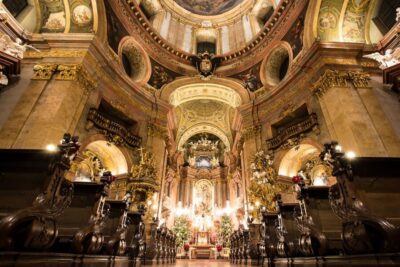
Classic Ensemble Vienna in St. Peter’s Church Ticket
Read our review →
Vienna Kunsthistorisches Museum Day Admission Ticket
Read our review →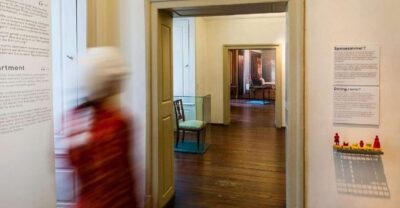
Tickets for Mozarthaus Vienna with Audio Guide
Read our review →
Skip-the-Line Entrance Ticket to the Danube Tower
Read our review →
St. Stephen’s Cathedral & Dom Museum Wien Tickets
Read our review →