Reviewed · TICKETS
Vienna: Tickets to Haus der Musik
Vienna’s music turns into hands-on play. This modern museum sits in a former palace tied to the Vienna Philharmonic story, and it mixes interactive exhibits with composer history in a way that works for kids and adults. My favorite part is how Vienna Philharmonic history and the big names of Austrian music are presented with real objects and practical activities, not just lecture walls. The main drawback: if you want every single station, you will need time, because it is not the kind of museum you skim and move on.
You come in for the composers, but you stay for the ears and hands part. I like that you can test yourself as a conductor, listen to the Vienna Philharmonic New Year’s Concert in HD, and play sound-and-voice games like Namadeus. One consideration: this is a museum experience with sound and interactive areas, so headphones are a must bring.
If you are planning Vienna days with a mix of culture and fun, Haus der Musik is an easy win. With four floors of music and sound themes, plus an app in eight languages, you can shape your visit around what you care about, from Wiener Klassik masters to the science of hearing.
In This Review
- Key things to know before you go
- Haus der Musik in Vienna: a palace with a Philharmonic backstory
- What you’ll learn about Haydn to Schönberg (and why it matters)
- Four floors of sound and music: the museum approach that fits real life
- Conductor challenge and the Vienna Philharmonic: fun with real stakes
- Namadeus Game: hear your name as Mozart
- Compose your own waltz with a dice throw
- Temporary exhibitions in the inner courtyard: use them to broaden your theme
- What’s included with your ticket, and what you should plan around
- Price and value: is $22 worth it?
- Timing your 1-day ticket: how to pace four floors without rushing
- Who should book Haus der Musik tickets?
- Should you book? My practical decision guide
- FAQ
- How much are the tickets for Haus der Musik?
- What should I bring with me?
- How long is the ticket valid?
- Is food and drinks included?
- Is Haus der Musik wheelchair accessible?
- Can I get a refund if I cancel?
Key things to know before you go
- Former Archduke Charles palace setting tied to the Vienna Philharmonic’s early history and Otto Nicolai
- Four floors of music and sound with historic documents, models, costumes, and modern installations
- Virtual conducting challenge that puts you in front of the Vienna Philharmonic
- Namadeus Game where you can hear your name as a Mozart composition
- Hands-on composing with a dice roll that helps you create your own waltz
Haus der Musik in Vienna: a palace with a Philharmonic backstory
Haus der Musik is right in central Vienna, at Seilerstätte 30, 1010 Vienna. The setting matters. The building is tied to the former Palais of Archduke Charles, and it is here that Otto Nicolai lived when he helped establish the Vienna Philharmonic in 1842. That connection gives the museum extra weight, because you are not just learning about famous music from a distance.
You also get an orchestra-history focus through displays related to the Vienna Philharmonic’s Museum. Instead of treating the Philharmonic as a mythic brand, the museum shows documents and mementos that ground the story in real people and real objects. For me, that makes the rest of the museum easier to follow, especially if you like context.
Practical tip: if you like to get oriented fast, pick up any available floor plans at the ticket office, in the language you prefer. Then use the museum app as your layer two guidance as you move between areas.
Other ways to round out a Vienna visit



What you’ll learn about Haydn to Schönberg (and why it matters)
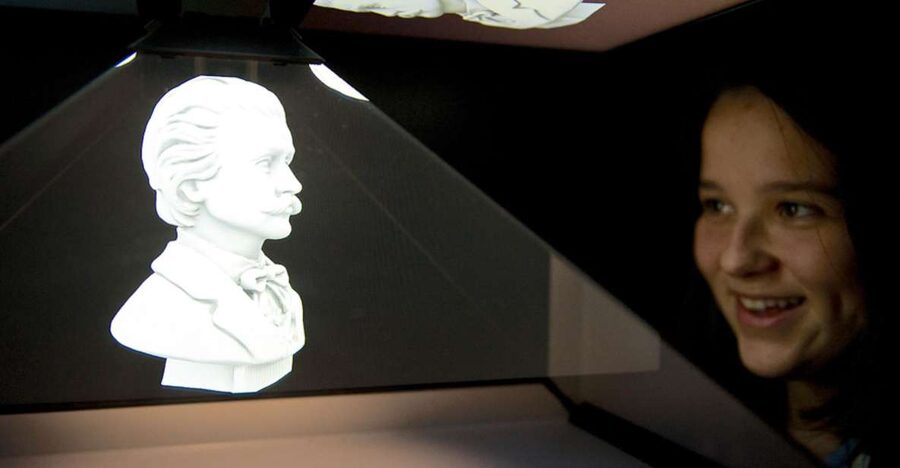
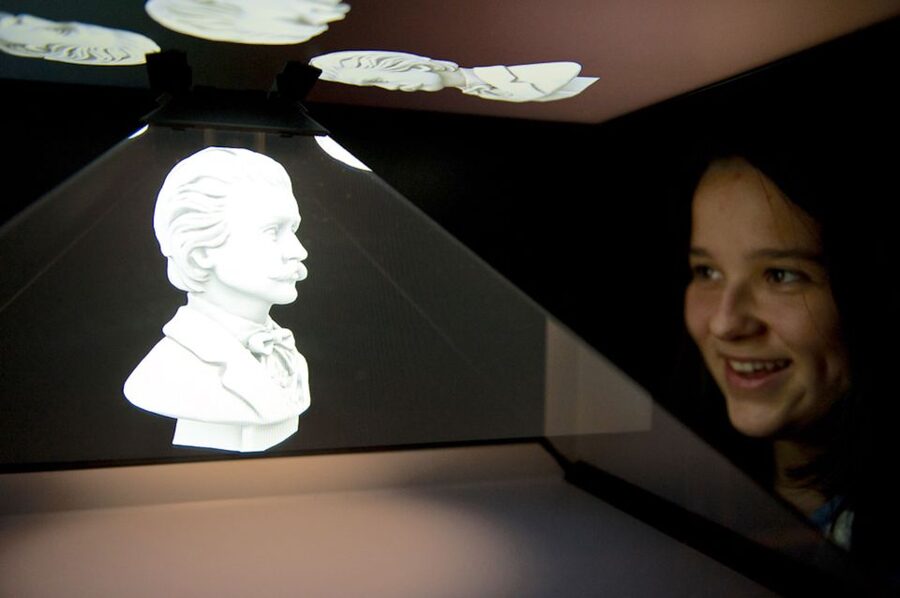
The museum is built around the world of Viennese masters, especially the era often called Wiener Klassik. You will meet Haydn, Mozart, Beethoven, Schubert, Strauss, Mahler, and Schönberg. What makes the composer section feel practical is that it mixes key figures with tangible presentation: historic documents, models, costumes, personal items, and modern installations.
This matters because it turns famous names into something you can picture. For example, you are not only told that Mozart and Beethoven are important, you are shown the surrounding context in a contemporary way, with design that helps you connect music to life, place, and time.
There is also a rotating element in the inner courtyard. Temporary exhibitions focus on famous musicians or music-history themes, including Viennese Modernism. If you are visiting once, that courtyard content is a nice bonus, because it can broaden the story beyond the core permanent exhibition.
Four floors of sound and music: the museum approach that fits real life
Haus der Musik is built like a choose-your-own-music experience. You move through different areas that blend three things:
1) composer and Vienna history,
2) the music itself, and
3) the physics and mechanics of sound.
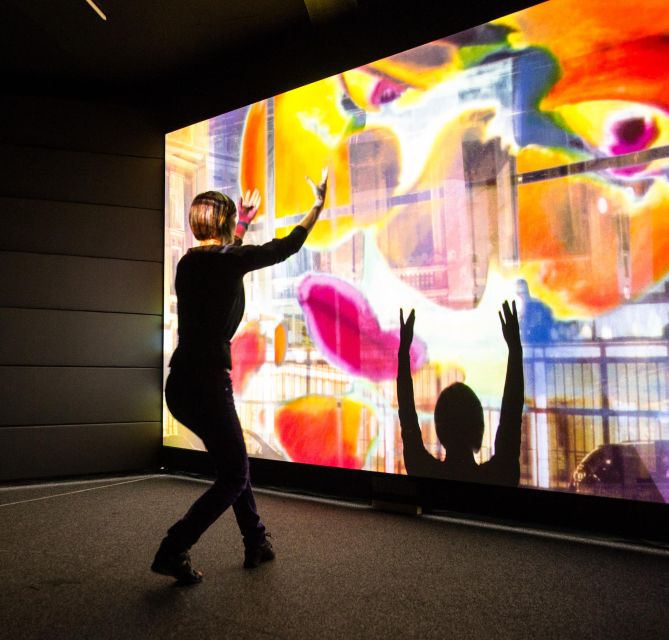
That last part is what many visitors love, even if they are not die-hard classical fans. The museum includes interactive displays and instruments, so you get an acoustic journey into how sound behaves, how we hear it, and why instruments and voices work the way they do.
The benefit for you is simple: the exhibits do not require a music degree. You can learn by doing. And if you have mixed interests in your group, this format helps everyone find an activity that pulls them in.
Conductor challenge and the Vienna Philharmonic: fun with real stakes
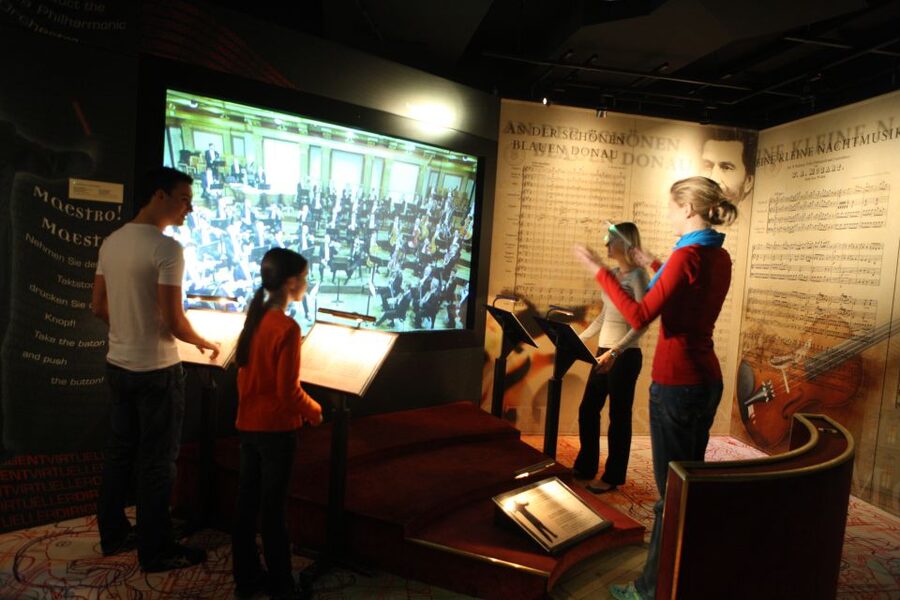
One of the most talked-about experiences here is the chance to test yourself as a conductor. The museum puts you in front of a conducting experience that connects to the world famous Vienna Philharmonic Orchestra. This is not just a screen where you press buttons. It is a timed, performance-style interaction, and it helps you understand how “conducting” is really a communication system for musicians.
If you love classical music but think you would get bored in a hands-on museum, this is the section that usually flips the script. Seeing the Vienna Philharmonic theme in an interactive challenge makes the big orchestra feel less distant and more immediate.
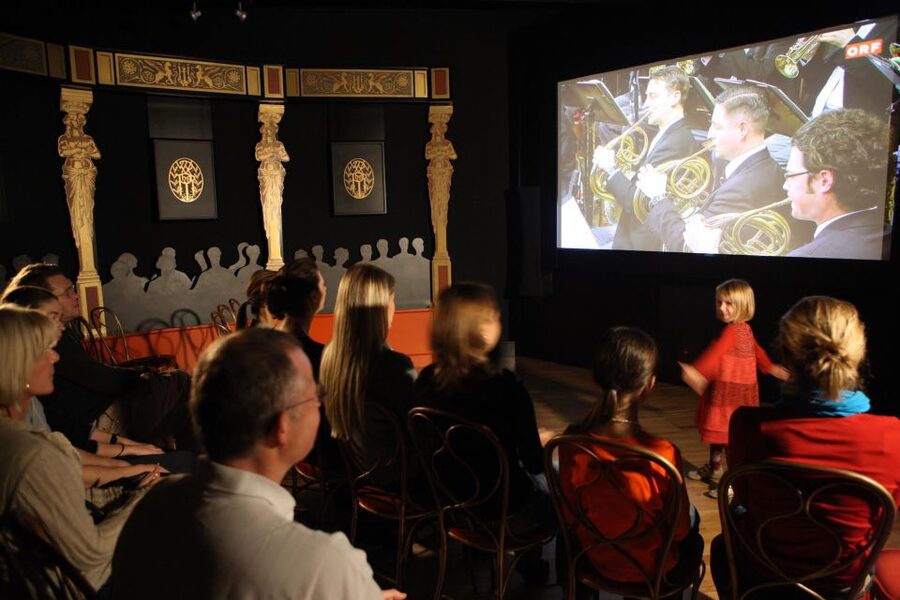
You can also listen to the Vienna Philharmonic New Year’s Concert in HD quality. That is a good anchor point in your visit. If you start with the hands-on areas, this HD concert helps you connect the play to a recognizable, high-quality listening experience.
Tip for your pacing: do not try to rush every sound station first. If you schedule the conducting and HD concert before you get tired, you will get more from both.
Beyond the palaces, the city keeps its own rhythm of coffee, concerts, and day trips nearby.
- Vienna: Vivaldi’s Four Seasons Concert in Karlskirche★ 4.7 · 14,951 reviews
- Vienna: Schönbrunn Palace & Gardens Skip-the-Line Tour★ 4.7 · 7,739 reviews
- Vienna: Light of Creation Votive Church Immersive Light Show★ 4.8 · 6,779 reviews
- Vienna Spanish Riding School Guided Tour★ 4.7 · 6,765 reviews
Namadeus Game: hear your name as Mozart
The museum includes an interactive experience called Namadeus Game. The idea is wonderfully simple: you can hear your name as an original Mozart composition. It is a clever bridge between personalization and classical style, and it is easy to enjoy even if you are not sure how you feel about museums.
One practical detail: the Namadeus certificate is not included with admission. If that certificate matters to you, plan for it ahead of time based on what the museum provides on site.
If you want to make this experience smooth, keep your headphones ready. The museum asks you to bring headphones, so you do not lose time hunting for a workaround.
Compose your own waltz with a dice throw
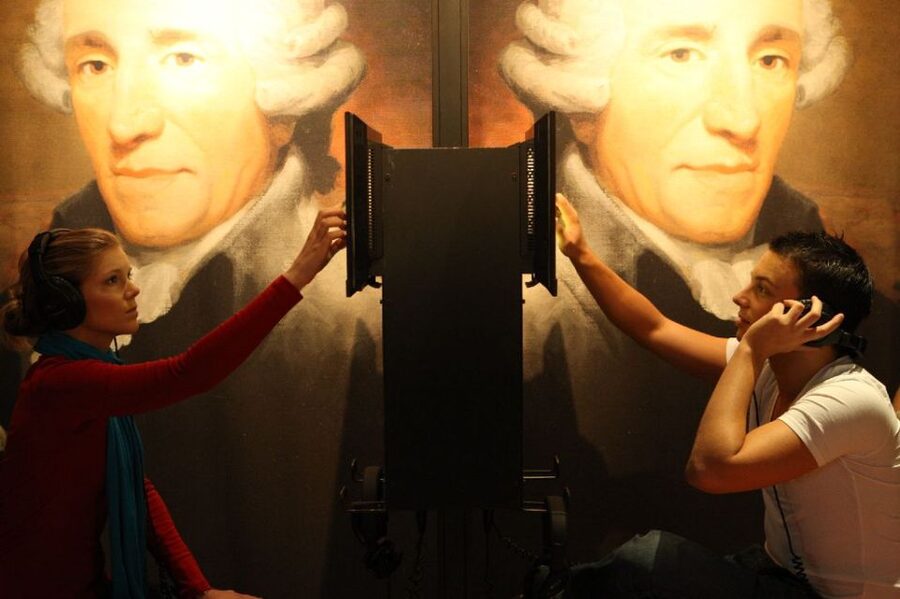
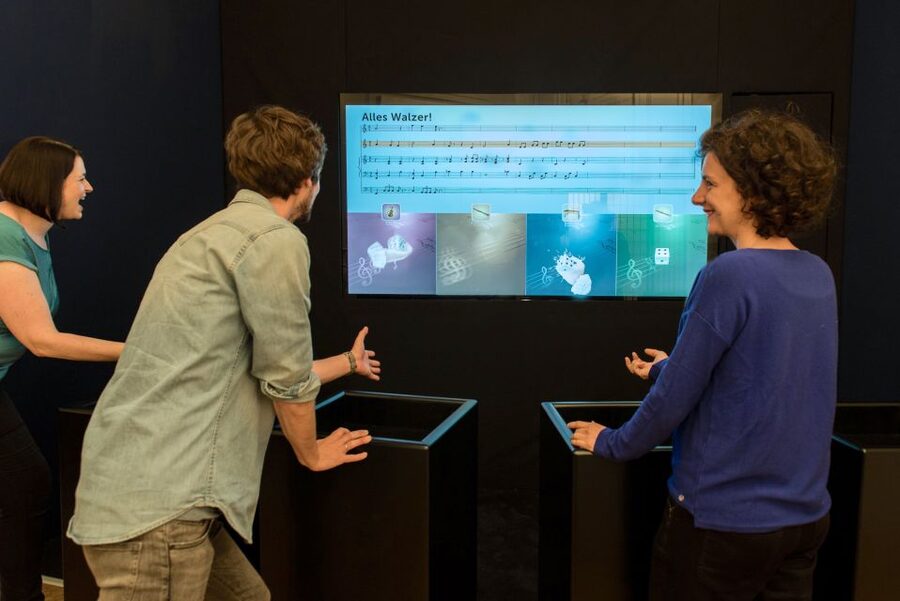
Another hands-on highlight is composing your own waltz with a throw of the dice. It sounds playful because it is playful, but it also teaches something real. A waltz is not just a rhythm, it has structure, phrasing, and movement. By tying the composition to chance, the museum makes that musical pattern feel approachable.
For you, this is the kind of exhibit that turns “I visited Vienna” into “I made something in Vienna.” Even if your first waltz is not perfect, the goal here is participation, not performance.
If you are traveling with kids, this is a great moment to break away from the history sections. If you are traveling as a couple or solo, it is also a refreshing reset after more text-heavy or object-heavy rooms.
Temporary exhibitions in the inner courtyard: use them to broaden your theme
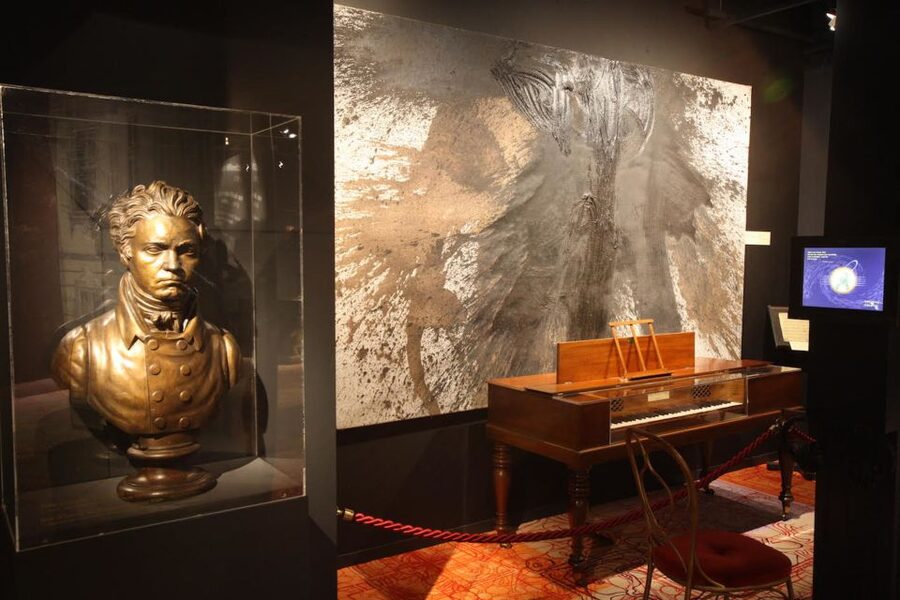
Inside the inner courtyard, you may find temporary exhibitions. These focus on famous musicians or special music-historical themes, including the era of Viennese Modernism. That matters because Vienna’s music story does not end with the big names everyone knows.
A good strategy is to decide your “main theme” for the day. If your group cares most about classical composers, prioritize the permanent composer floors first, then use the courtyard exhibit as your extension. If someone in your group prefers modern art or history, do the courtyard earlier so the rest of the museum can connect back to that theme.
What’s included with your ticket, and what you should plan around
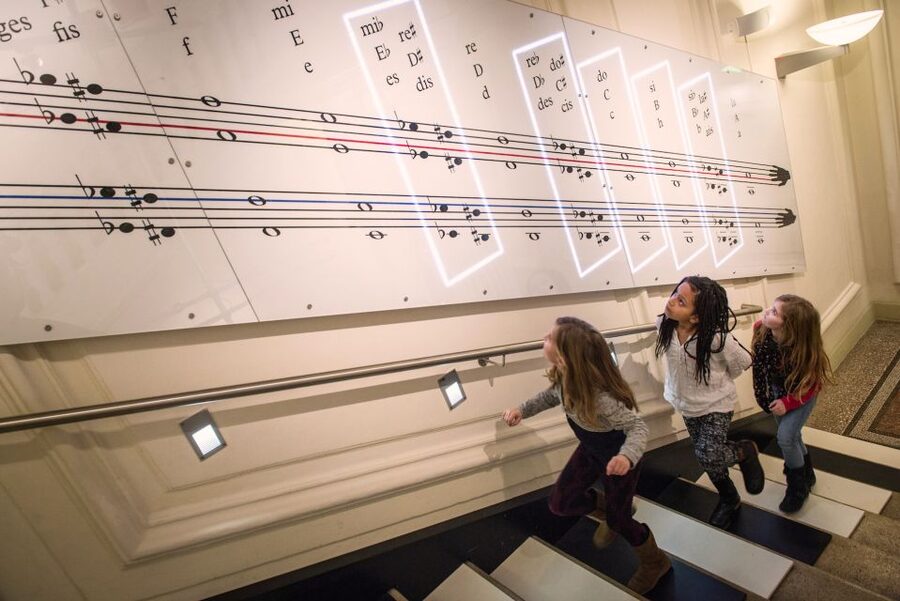
Your ticket price is $22 per person for admission, and the experience is designed to fill your time within Vienna’s city center. Included with your admission:
- the museum ticket,
- an app guide download for your smartphone (eight languages),
- a children’s app (two languages),
- a museum map,
- and coat check.
Not included:
- food and drinks,
- transfers,
- and the Namadeus certificate.
Headphones are specifically recommended for what you do inside the museum. So bring your own, or plan to borrow/buy on site if that option exists, but the data only explicitly says to bring headphones.
If you need a place for bags, the included coat check is a real help. It makes it easier to move between interactive stations without worrying about where your backpack goes.
Price and value: is $22 worth it?
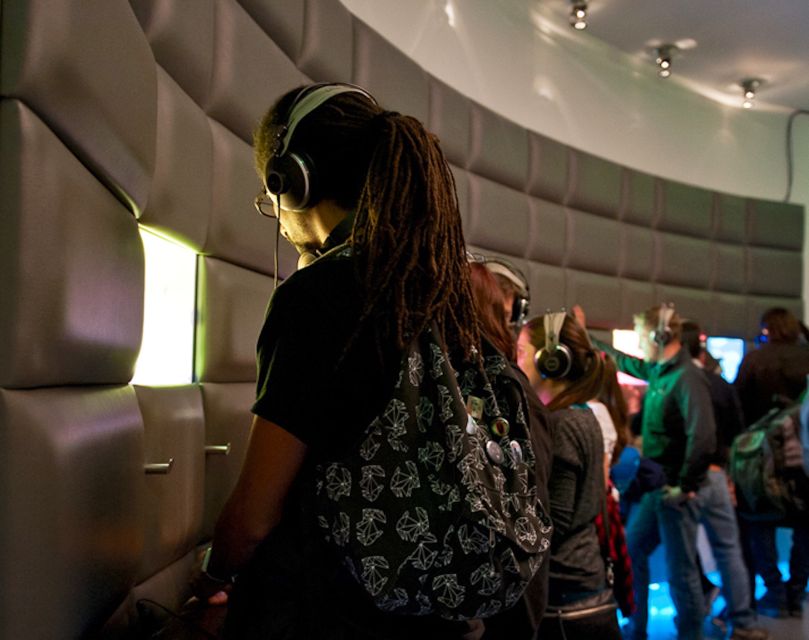
At $22 per person, Haus der Musik can be a very solid value in Vienna because you are paying for both learning and hands-on play. You get multiple layers in one ticket: composer history, orchestra connections, sound science, and interactive stations that keep you moving.
This is especially good value if you fall into any of these groups:
- families with children who need activity,
- music lovers who want more than listening,
- and non-music lovers who enjoy science-like experiments and sound effects.
It is also worth noting the reception. The attraction has a rating of 4.6 out of 5 based on 704 bookings, which is a strong sign that the interactive format lands well for most people.
The only time the price feels less justified is if you only want quiet, traditional exhibits and you dislike interactive experiences. In that case, you might spend more time waiting or skimming than participating.
Timing your 1-day ticket: how to pace four floors without rushing
Your ticket is valid for one day from first activation. That is helpful because Vienna days are rarely perfect. You can activate your entry and then plan a calm route through the museum.
Because the museum is interactive, I recommend a simple pacing method:
- Start with the composer and Vienna history areas so you understand what you are hearing and seeing.
- Then spend time on the sound science stations, where you can slow down and try different instruments or displays.
- Finish with the “you make it” experiences like Namadeus and the waltz composition, when you are already in a playful mood.
If you have limited time, you still can do a complete visit. Just do not try to hit every single activity at full speed. This museum is designed so that lingering is part of the point.
Who should book Haus der Musik tickets?
This one fits wide tastes. The museum’s biggest strength is that it does not force everyone to love classical music to enjoy the visit.
You will probably love it if you:
- like composer history but also want hands-on moments,
- enjoy sound and hearing science,
- want a family-friendly activity that still feels meaningful,
- or want a Vienna highlight that does not depend on a concert schedule.
If your group includes both classical fans and people who usually skip museum exhibits, this is a rare meeting point. The conductor experience, HD concert, and Namadeus game can satisfy the music side, while the interactive sound and instrument displays keep the science and play side happy.
Should you book? My practical decision guide
Book Haus der Musik if you want a Vienna day that mixes history with action. For $22, you get a modern interactive museum in a historically meaningful building, plus a full set of experiences: composer exhibits, sound science, a conductor challenge, an HD New Year’s Concert, and personalized Mozart fun.
Skip it or adjust expectations if you want quiet, gallery-style viewing only. This is built for trying things, listening closely, and moving between stations. That can be a drawback for people who need minimal noise or who hate interactive environments.
If you are undecided, here is the easy tie-breaker: if you or your group would enjoy hearing your own name as Mozart or composing a waltz after a dice roll, you are the right match.
FAQ
How much are the tickets for Haus der Musik?
Tickets are listed at $22 per person for admission.
What should I bring with me?
The museum asks you to bring headphones.
How long is the ticket valid?
Your ticket is valid for 1 day, starting from the first activation.
Is food and drinks included?
No. Food and drinks are not included with admission.
Is Haus der Musik wheelchair accessible?
Yes. It has step-free access at the main and side entrances, automatic sliding doors, wheelchair-accessible elevators, and wheelchair-accessible toilet facilities in the inner courtyard and on the top floor.
Can I get a refund if I cancel?
You can cancel up to 24 hours in advance for a full refund.
Latest Additions
- Wachau Valley Private Wine Tour with Tasting and Gourmet Lunch
★ 5.0 · 1 review - Vienna: Danube Valley Tour with Melk, Dürnstein with wine tasting and boat.
★ 5.0 · 1 review - Private city tour in Vienna
★ 5.0 · 1 review - Hallstatt Small Group Day Trip from Vienna
★ 3.0 · 1 review - Inside Freud’s Mind: Self-Guided Mystery Walk in Vienna
★ 4.0 · 1 review - Private Transfer from Vienna to Prague
★ 5.0 · 1 review - Vienna’s Christmas Market Magic Tour
★ 5.0 · 1 review
Tickets, compared.
Classic Ensemble Vienna in St. Peter’s Church Ticket
Read our review →
Vienna Kunsthistorisches Museum Day Admission Ticket
Read our review →
Tickets for Mozarthaus Vienna with Audio Guide
Read our review →
Skip-the-Line Entrance Ticket to the Danube Tower
Read our review →
St. Stephen’s Cathedral & Dom Museum Wien Tickets
Read our review →