Reviewed · SHOW
Vienna: Theater an der Wien Backstage Tour
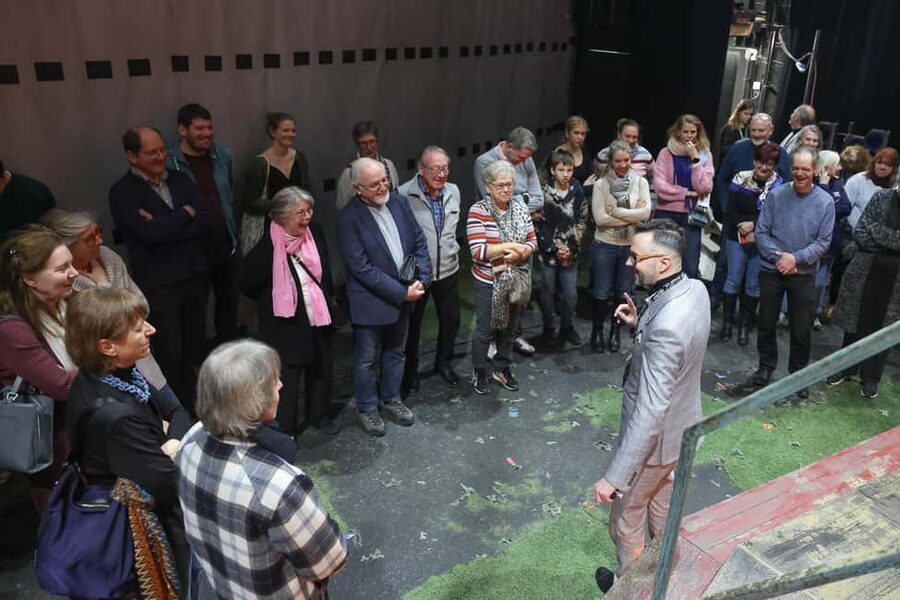
Vienna backstage, minus the opera-night crowds. Theater an der Wien’s backstage tour gives you a smart, guided look at how this famous house grew from 1801 roots to today’s modern opera scene, with a memorable stop in the new foyer Heaven and its balcony view over Naschmarkt.
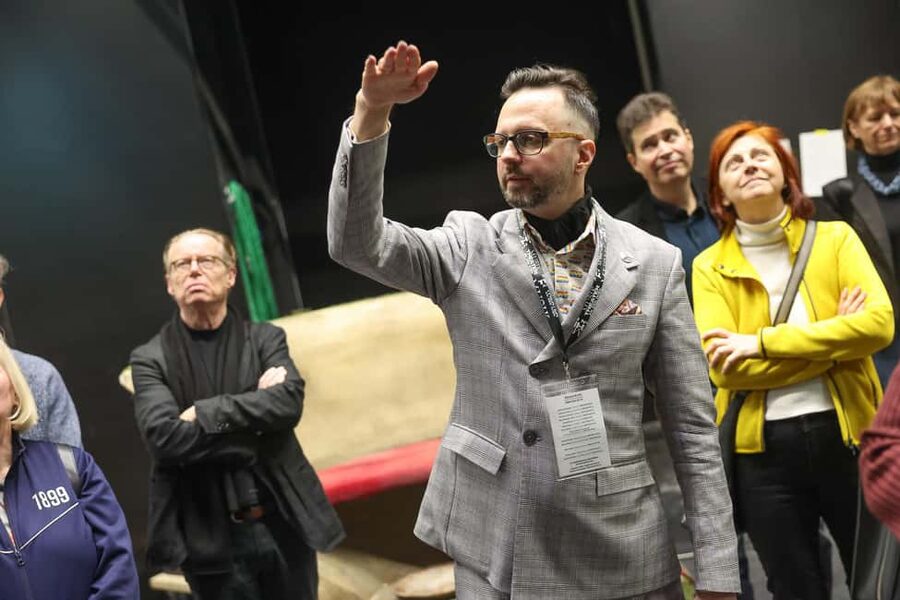
I love two things most: first, the way the guide ties the theatre’s story to real milestones, including the founding in 1801 by Mozart’s librettist Emanuel Schikaneder and major works like Beethoven’s only opera, Fidelio. Second, I like that the tour is not just talk, you also get to see the auditorium and then move around areas regular ticket holders do not.
One consideration: the backstage experience is not barrier-free, so it is not suitable for wheelchair users. If you need step-free access, this tour may be a no-go, even though the theatre itself is obviously spectacular.
In This Review
- Key highlights you will actually feel on the tour
- Why Theater an der Wien Backstage Feels Different Than a Museum
- The hour timeline: what you do in each chunk
- Mozart-era roots: Emanuel Schikaneder and the 1801 founding
- Beethoven’s Fidelio and other premiere-era moments
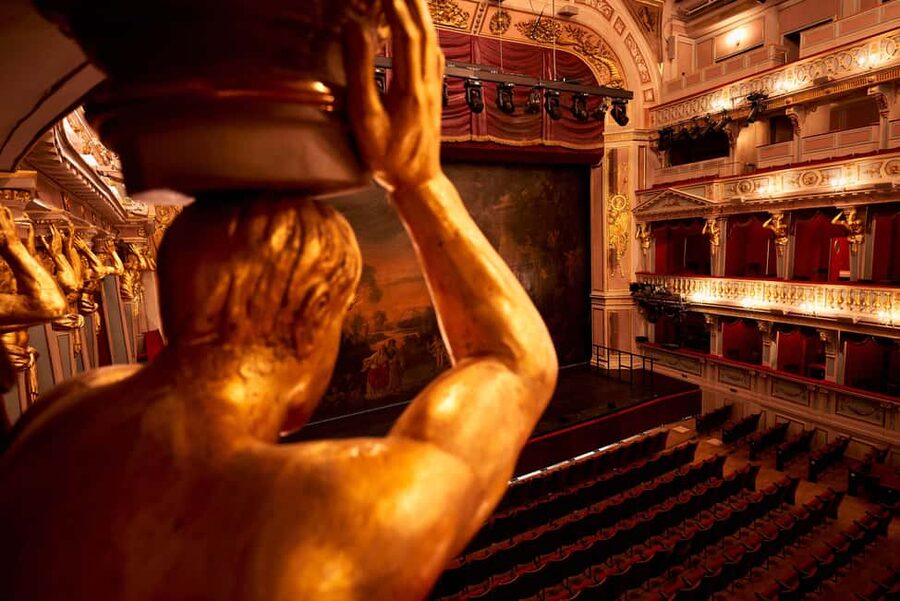
- The auditorium: see the room you will one day sit in
- Backstage corridors and stage-side context
- Foyer Heaven: the balcony view over Naschmarkt
- Price and value: why 10 dollars feels fair
- Languages, group size, and why the guide matters
- Who should book this Theater an der Wien backstage tour
- Practical tips so your hour does not slip away
- FAQ
- FAQ
- How long is the Theater an der Wien Backstage Tour?
- Where does the tour take place?
- How much does it cost?
- What is included in the tour?
- Is the tour guided?
- What is the group size?
- Is the backstage area barrier-free?
- Do you get to see the auditorium?
- Do you visit the new foyer Heaven?
- What if I arrive late?
- Should you book it, or look for another Vienna tour?
Key highlights you will actually feel on the tour
- A 1801 to today timeline built around Emanuel Schikaneder and the theatre’s modern-day role
- Auditorium time, not just a quick peek, so you can understand the space you will hear about later
- Backstage access, including behind-the-scenes areas and stage-side context
- Foyer Heaven with a balcony, plus a clear view over Naschmarkt
- Small group size (max 10), which helps the guide keep things clear and personal in a short 1 hour slot
Why Theater an der Wien Backstage Feels Different Than a Museum
This tour works because it keeps returning to a simple question: how does a theatre become a theatre? You are not wandering hallways for the sake of it. You get a guided walkthrough that connects the building, the stage, and the artistic choices that have happened here for more than 200 years.
Theater an der Wien also has a rare mix of old and new. Built in 1801 in the spirit of Mozart, it still carries that historic identity, but it also reopened in 2006 as the City of Vienna’s new opera house. That matters because the tour does not treat the building like a frozen artifact. It explains what has changed and why, right up to the current program.
A seat before the curtain rises


The hour timeline: what you do in each chunk
You should plan for a brisk 1 hour experience. The pacing is tight on purpose. In a short time window, the tour takes you from orientation, to storytelling, to rooms and viewpoints you can see with your own eyes.
Typically, you start with orientation and context, then move into the auditorium so you can connect history to design. From there, you go backstage and then finish with a highlight that is easy to remember even if you only catch a few photos. The final move is up to the new foyer Heaven, including the balcony view over Naschmarkt.
This structure is practical. You get the big story first, then you see the spaces, and you end with a visual reward that feels like a payoff rather than a quick photo stop.
Mozart-era roots: Emanuel Schikaneder and the 1801 founding
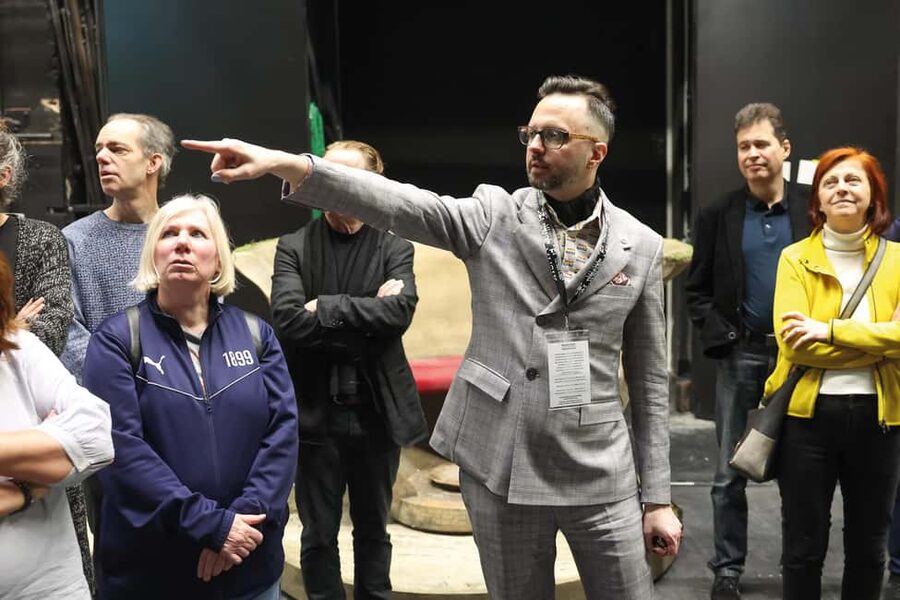
One of the most interesting parts is how the tour anchors the theatre in its origins. The founding in 1801 is not treated as trivia. It is the starting point for understanding why this house mattered from day one.
You will hear that the theatre was founded by Emanuel Schikaneder, Mozart’s librettist. That fact gives you an immediate cultural thread, because librettists sit at the crossroads of text, performance, and staging. It is a reminder that theatres are built by people who want stories to work in a specific physical space.
And the tour does not stop at founding dates. You also get the theatre’s long run of artistic milestones across two centuries, which helps you understand why Theater an der Wien became known for significant premieres. If you love opera history, you will appreciate the way the guide connects names and works to the building you are standing in.
Beethoven’s Fidelio and other premiere-era moments
Theatre an der Wien has a reputation for major premieres, and the tour highlights that heritage in a way that feels relevant. You will hear about historic world premieres linked to the theatre, including Beethoven’s only opera, Fidelio.
That is a great theme to carry through the visit because Fidelio is not just famous for being famous. It is also a work where staging, audience experience, and dramatic pacing matter a lot. When you later look at the auditorium and imagine a performance, you get a sense of why this room had to be right.
The tour also keeps looking forward. After covering older landmark works, it shifts to the artistic highlights of the last 200 years and then brings you up to date with the current program. That balance helps the stop feel like part of Vienna today, not a history lecture with a door prize.
Beyond the palaces, the city keeps its own rhythm of coffee, concerts, and day trips nearby.
- Vienna: Vivaldi’s Four Seasons Concert in Karlskirche★ 4.7 · 14,951 reviews
- Vienna: Schönbrunn Palace & Gardens Skip-the-Line Tour★ 4.7 · 7,739 reviews
- Vienna Spanish Riding School Guided Tour★ 4.7 · 6,765 reviews
- Vienna: Classical Concert in the World-Famous Musikverein★ 4.6 · 6,673 reviews
The auditorium: see the room you will one day sit in
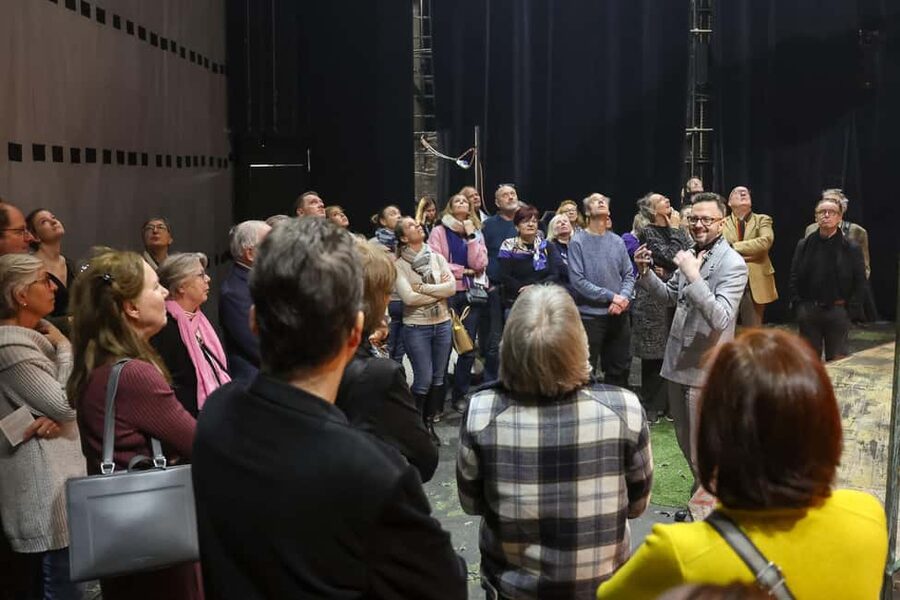
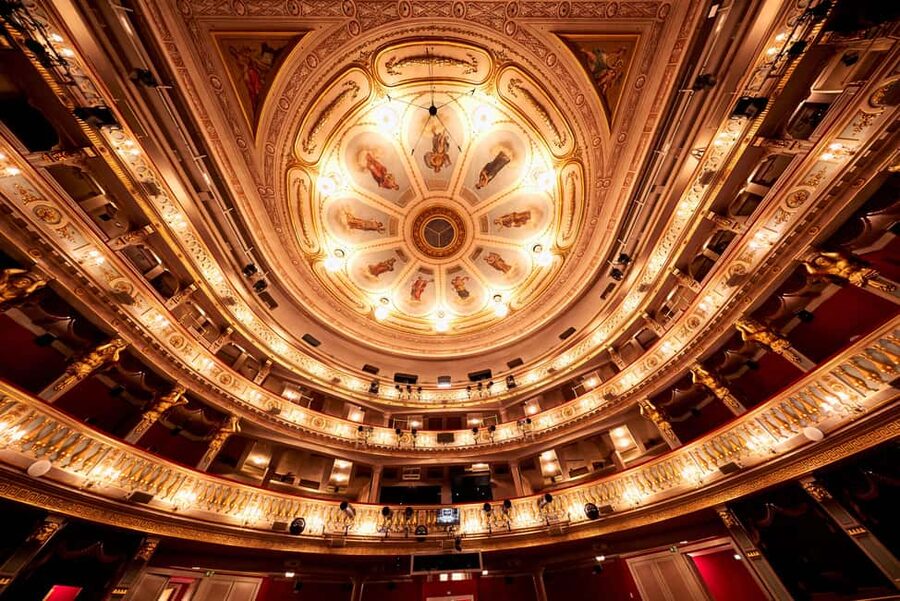
If you have ever walked out of a theatre thinking, I should have noticed the space earlier, this part fixes that. Seeing the auditorium during a guided tour helps you understand scale, sightlines, and the feeling of being inside the performance machine.
You get the chance to admire the stunning auditorium, but more importantly, you learn how the building’s design shapes the experience of listening. Opera depends on acoustics and on how sound travels from the stage into the audience chamber.
This is also where the tour becomes practical for future nights out. You can stand in the auditorium and mentally connect what you learned about history and artistic standards to what you will feel when the curtain rises. Even if you are not an opera superfan, you will likely leave with a clearer sense of what makes the building special.
Backstage corridors and stage-side context
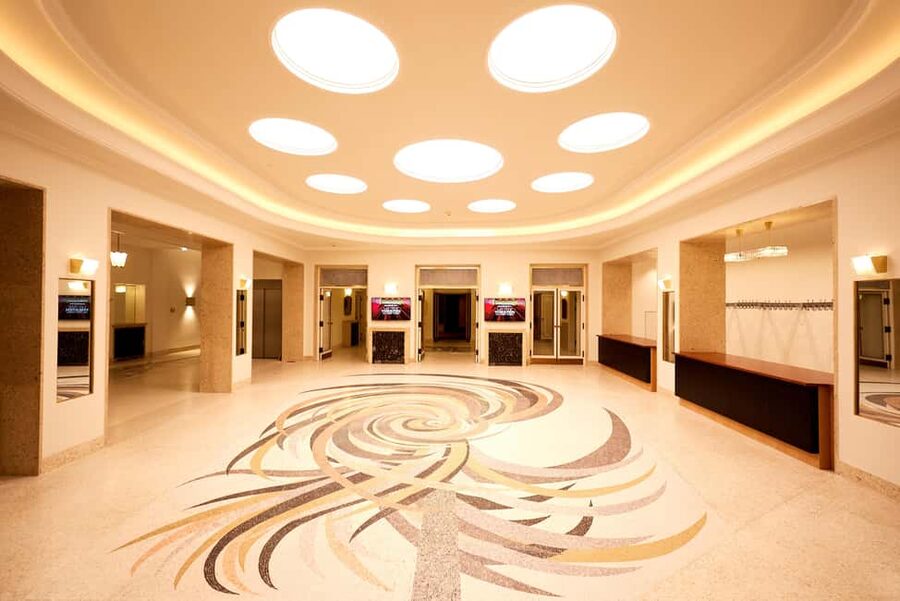
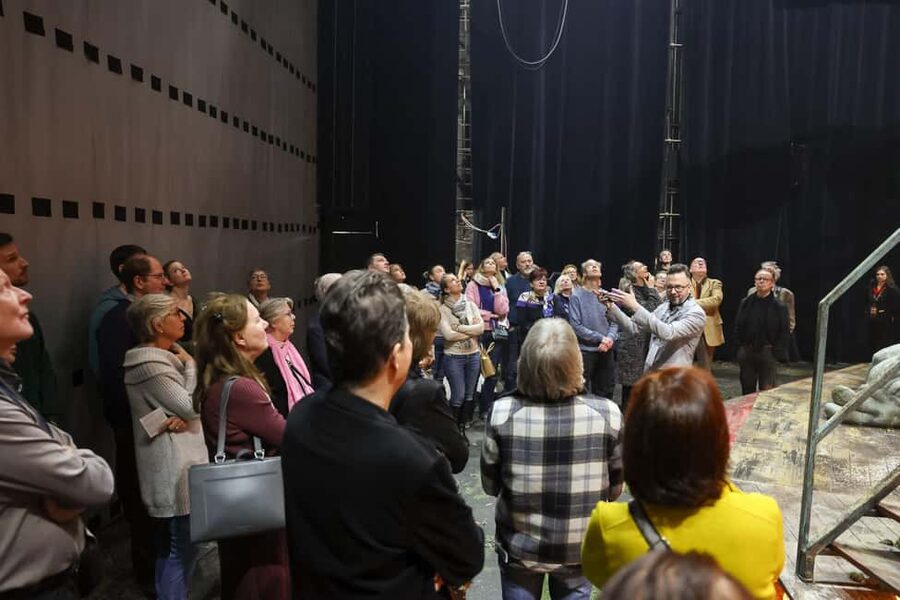
Backstage is where the tour earns its name. You get to step behind the curtain and explore areas most visitors never see. Even in a short visit, you should expect the guide to explain how the theatre functions, and what it takes to present major productions on a real operating schedule.
Because the tour is limited to 10 participants, you are not shuffled into a giant herd. That small-group format helps the guide respond to questions, and it keeps you from feeling rushed while you look around.
One thing to watch for is physical movement. The backstage area is not barrier-free, so you should expect stairs and non step-free routes. If you are comfortable with walking and steps, you will likely find it manageable. If not, it is worth skipping this tour in favor of something step-free.
Foyer Heaven: the balcony view over Naschmarkt
The final highlight is the new foyer Heaven, including access to a balcony with a view over Naschmarkt. This stop is a nice change of pace from the stage and corridors. You get to breathe, look around, and connect the theatre to the street-level life of Vienna.
What makes it fun is that Naschmarkt is not a distant landmark. It is right there, and the view gives you a sense of how the theatre sits inside the city. You go from imagining performances on stage to seeing the urban rhythm that surrounds them.
This balcony moment is also a useful memory anchor. Even if you forget a few names from the history section, you will remember the viewpoint. It is one of those practical “now I get it” finishes that makes the whole tour feel complete.
Price and value: why 10 dollars feels fair
At about $10 per person for a 1 hour guided visit, this is strong value, especially in a city where cultural experiences can be pricey. You get more than a quick look. You receive a real guided story, auditorium access, backstage time, and the Heaven foyer balcony viewpoint.
For the cost, the tour gives you four different kinds of payoff:
- historical context that helps you understand what you are seeing
- a physical look at the auditorium
- backstage perspective that makes the building feel alive
- a specific, scenic reward over Naschmarkt
The small group cap at 10 also matters here. When groups are small, you tend to get clearer guidance, and you are less likely to feel lost while moving between rooms.
Languages, group size, and why the guide matters
This tour runs with guided interpretation in German or English. That is a big deal in Vienna, because you want to understand the details, not just skim the headline facts.
The small group format, limited to 10 participants, also keeps the tour feeling focused. You will likely have an easier time hearing the guide and following along when you are not competing with a large crowd.
If you are the type who likes to ask quick questions, this format gives you more chances to do so. In a short tour, that can turn a “nice visit” into an “I learned something and saw something” one.
Who should book this Theater an der Wien backstage tour
Book it if you like opera history and you want a practical way to understand a major Viennese theatre without committing to a full evening performance first. It also works well if you enjoy architecture and want to see how design connects to stage life.
You will probably get the most out of it if you are curious about:
- why theatres built in Mozart’s era still matter today
- how landmark works like Fidelio connect to a specific venue
- what a modern opera house looks and feels like after major renovations
Skip it, or at least think carefully, if you need barrier-free access. Since the backstage is not barrier-free and the tour is not suitable for wheelchair users, you should not plan on being able to participate comfortably.
Practical tips so your hour does not slip away
This is a tight 1 hour experience. That means timing matters more than usual. Plan to arrive with extra buffer time so you are not forced to chase a group.
Also, the meeting point matters. A previous visitor reported confusion about where to meet and loss of the tour when they arrived moments late. You can avoid that stress by showing up early, identifying the correct tour group right away, and double-checking the meeting instructions before you leave your hotel.
Wear comfortable shoes. Backstage tours often involve stairs and uneven indoor routes, and this one is not designed as a step-free stroll.
Finally, bring your questions. The guide is covering a wide slice of theatre life from the 1801 founding through the modern program, and asking one or two clarifying questions can make the whole visit feel more personal.
FAQ
FAQ
How long is the Theater an der Wien Backstage Tour?
The tour lasts 1 hour.
Where does the tour take place?
It takes place at Theater an der Wien in Vienna, Austria.
How much does it cost?
The price is $10 per person.
What is included in the tour?
You get a backstage tour of Theater an der Wien, a visit to the auditorium, access to the new foyer Heaven, and a view over Naschmarkt, with a guided tour that includes historical insights.
Is the tour guided?
Yes. It is guided in German or English.
What is the group size?
The group is limited to 10 participants.
Is the backstage area barrier-free?
No. The backstage area is not barrier-free, and the tour is not suitable for wheelchair users.
Do you get to see the auditorium?
Yes, the tour includes a visit to the auditorium.
Do you visit the new foyer Heaven?
Yes, the tour includes access to the new foyer Heaven, including a balcony with a view over Naschmarkt.
What if I arrive late?
The tour starts at the scheduled time, and in one reported case, arriving a minute late meant the tour could not be completed.
Should you book it, or look for another Vienna tour?
I think you should book it if you want a focused, high-value way to understand Theater an der Wien beyond the lobby or the poster outside. For $10 and an hour, you get backstage access, auditorium time, and a real scenic payoff from Heaven’s balcony.
You should look for a different option if mobility access is a concern. Since the backstage is not barrier-free and it is not suitable for wheelchair users, it can easily become frustrating if you assume you will be able to “work around it.”
If you are visiting Vienna and you want your first opera-house experience to come with context, this tour is a smart choice. Show up a bit early, listen closely to the history, and plan to end by soaking in that Naschmarkt view from Heaven.
Latest Additions
- Wachau Valley Private Wine Tour with Tasting and Gourmet Lunch
★ 5.0 · 1 review - Vienna: Danube Valley Tour with Melk, Dürnstein with wine tasting and boat.
★ 5.0 · 1 review - Private city tour in Vienna
★ 5.0 · 1 review - Hallstatt Small Group Day Trip from Vienna
★ 3.0 · 1 review - Inside Freud’s Mind: Self-Guided Mystery Walk in Vienna
★ 4.0 · 1 review - Private Transfer from Vienna to Prague
★ 5.0 · 1 review - Vienna’s Christmas Market Magic Tour
★ 5.0 · 1 review
Show, compared.
Light of Creation Votive Church Immersive Light Show
Read our review →
Gerstner KuK Hofzuckerbäcker Baking Show & Tasting
Read our review →
Mirage Vienna: Burlesque Spectacular – Dinner Show
Read our review →