Reviewed · SHOW
Performance Of The Lipizzans At Spanish Riding School
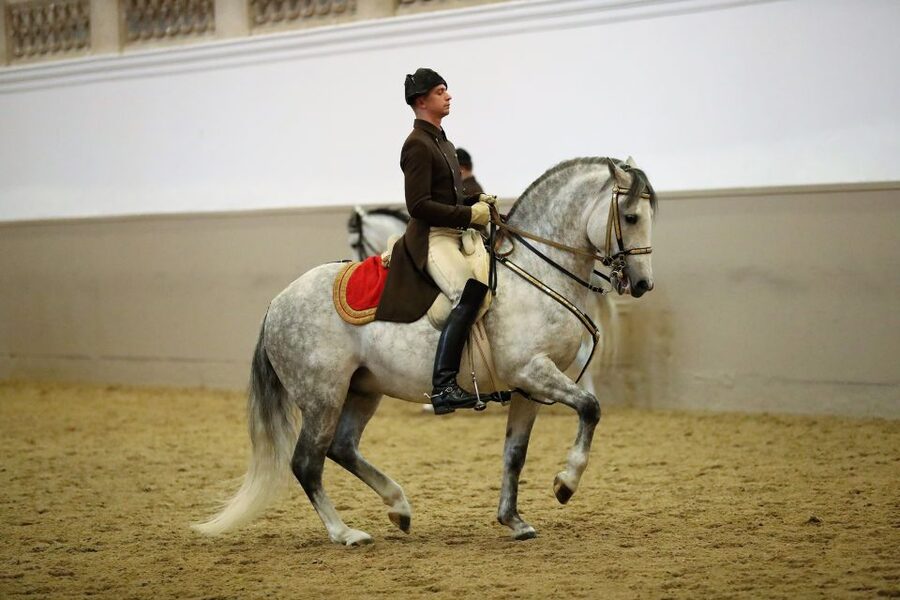
White stallions, big spotlight, quiet awe. That is the feel you get when the Spanish Riding School stages the High School of Classical Horsemanship in its baroque Winter Riding School at the Hofburg Palace. The setting alone is special, with this riding hall built under Charles VI, and the whole show built around the rider and their Lipizzan partnership.
Two things I really like: first, the chance to watch classical equitation from the Renaissance tradition of the Haute Ecole, practiced for more than 450 years. Second, the performances are shaped by serious training, and you see everything from younger, more boisterous stallions to fully trained school stallions.
One drawback to plan for: there is no wardrobe or luggage storage, so you will want to travel light. Also, the venue rules are strict about pets and dogs, so if you are bringing one, you will need another plan.
In This Review
- Key things that make this performance worth your time
- Vienna’s Baroque Winter Riding School, Charles VI style
- What the High School performance looks like, step by step
- Lipizzans and why this show fits them so well
- André Heller lighting, and why it changes how you watch
- Gala, Standard, or Tribute to Vienna: picking the right length
- Where you meet, where you redeem, and what to do before you sit
- Tickets, value, and what’s included in your price
- Who this show suits best (and who might not love it)
- A realistic way to experience it without stress
- Should you book the Lipizzans at the Spanish Riding School?
Key things that make this performance worth your time
- Baroque Winter Riding School at Hofburg Palace: built under Charles VI, and designed for serious horsemanship, not just spectacle
- High School of Classical Horsemanship: classical equitation in the Renaissance tradition of the Haute Ecole, kept alive for over 450 years
- Lipizzans in a living training system: Europe’s oldest horse breed, shown across different stages of schooling
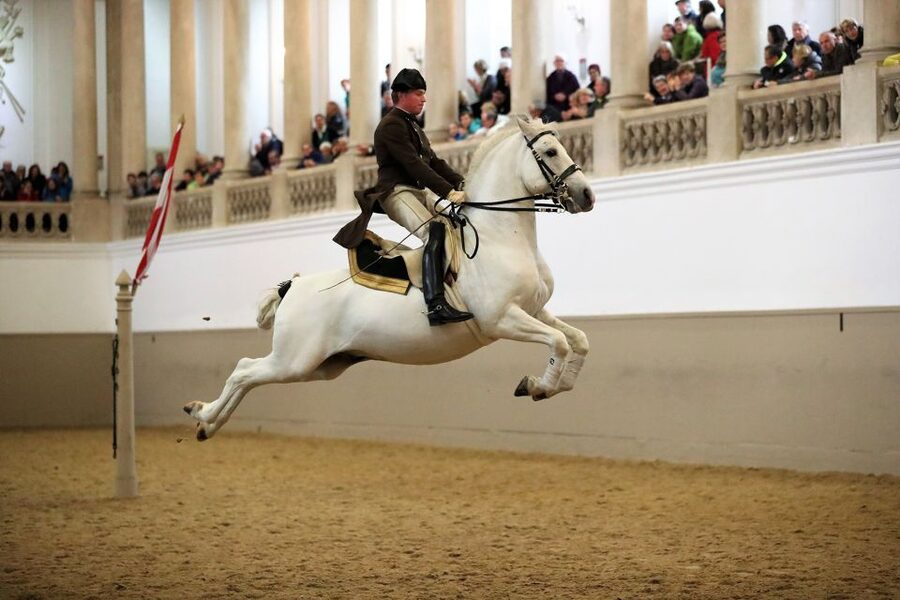
- Signature moves on display: caprioles, Levade, and more, produced through years of training for both horse and rider
- Atmospheric lighting plus classical Viennese music: the show uses a lighting concept by multimedia artist André Heller
- Pick your show length: Standard runs 70 minutes, Gala is 1.5 hours, and Tribute to Vienna lasts 2 hours
Vienna’s Baroque Winter Riding School, Charles VI style
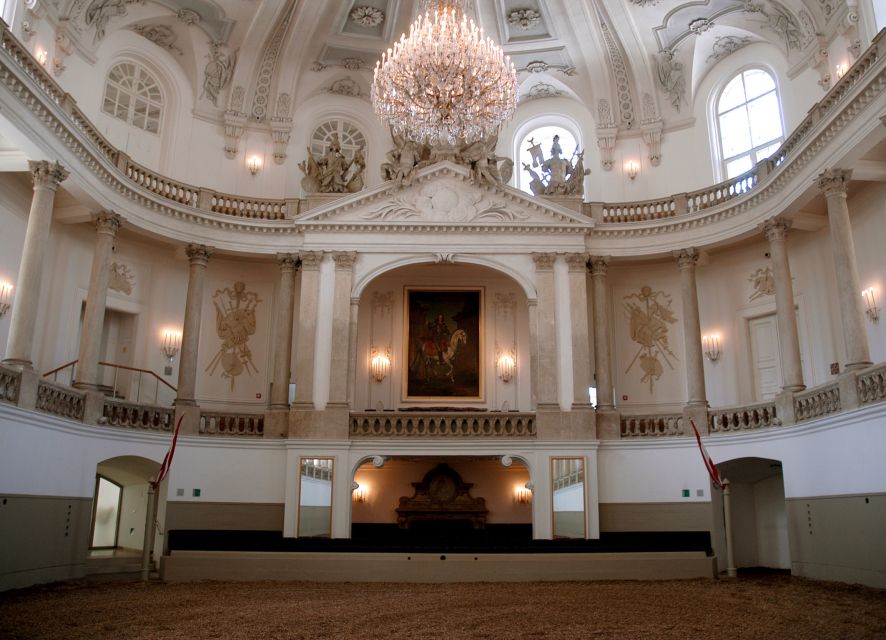
This is not a casual horseback demo. You are going into a formal, baroque riding arena inside the Hofburg Palace complex, built under Charles VI. That matters because it shapes the whole experience: the show is staged in a space meant for precision, focus, and tradition.
The Spanish Riding School also leans hard into the idea that this is the most beautiful riding hall in the world. Whether you agree with that exact claim or not, the baroque atmosphere is part of the “why” behind the show. It gives classical horsemanship a ceremonial, almost theater-like feel, without turning it into something flashy or modern.
If you care about culture that has survived intact, you are in the right place. The High School of Classical Horsemanship and its preservation are core tasks for the Spanish Riding School, and that work is inscribed on the UNESCO Representative List of the Intangible Cultural Heritage of Humanity.
A seat before the curtain rises

What the High School performance looks like, step by step
The headline event is the Ballet of the White Stallions, staged as the High School of Classical Horsemanship. This is built around the idea that classical equitation is a result of years of training. Not just for the rider, but for the Lipizzans too.
Here is what to expect in practical terms once you settle in. You will watch a sequence of exercises performed by the rider and their horses. The show moves through different levels of schooling, from young, more boisterous stallions to fully trained school stallions. That arc is one of the big reasons the performance feels educational instead of repetitive.
The exercises themselves are the point. You are told to expect breathtaking work like caprioles and Levade, along with many more. Even if you do not know the names before you arrive, the show’s structure makes it clear that these are not random tricks. They are training movements, presented as a demonstration of classical equitation principles.
You also get a sense of presentation discipline. The Spanish Riding School is not just showing off strength. It is presenting the “why” behind the movements through the choreography between horse and rider.
Lipizzans and why this show fits them so well
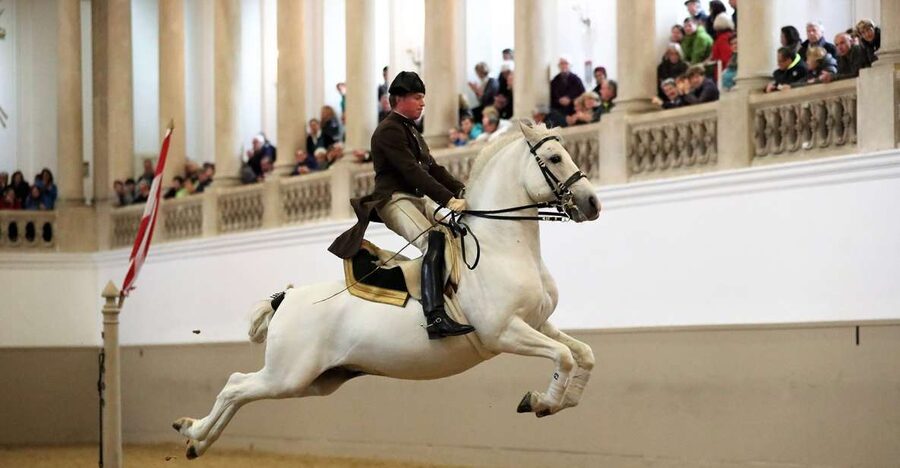
The Lipizzans are central to the experience for a very specific reason: their physique and grace are described as ideally suited to the exercises of classical equitation. That is not vague marketing language here. The show is built around a breed that has been part of European horsemanship for generations.
You are also told that Lipizzans are Europe’s oldest horse breed. That gives the performance extra weight, because it is not a new trend or a modern hobby. You are watching a long-running tradition maintained through consistent training and care.
And there is something else worth noticing: the show is carefully framed as the result of years of training for both the rider and the horse. That means the performance is less about quick athletic stunts and more about control, balance, and refinement. If you like seeing how skill is built over time, you will probably enjoy the pacing and the way the horses progress across the program.
André Heller lighting, and why it changes how you watch
The Spanish Riding School does not treat lighting like an afterthought. For these performances, a particularly atmospheric lighting concept was developed by multimedia artist André Heller. That lighting plan is designed to support the horses, the riders, and the overall feel of the program.
This is one reason the show can feel more immersive than a straightforward sports performance. Between the baroque riding hall setting and the lighting, the horses and riders stand out in a way that supports concentration rather than distraction.
The lighting is paired with classical Viennese music. That combination matters because it reinforces the tradition theme. It helps keep the show from feeling like an arena event. Instead, it comes across like a cultural program, performed in a space where baroque style and classical music have historical matchups.
If you are the type who enjoys details, watch how your attention shifts as the lighting changes. It can make the same movements feel different across the program, especially as different horses appear.
Beyond the palaces, the city keeps its own rhythm of coffee, concerts, and day trips nearby.
- Vienna: Vivaldi’s Four Seasons Concert in Karlskirche★ 4.7 · 14,951 reviews
- Vienna: Schönbrunn Palace & Gardens Skip-the-Line Tour★ 4.7 · 7,739 reviews
- Vienna Spanish Riding School Guided Tour★ 4.7 · 6,765 reviews
- Vienna: Classical Concert in the World-Famous Musikverein★ 4.6 · 6,673 reviews
Gala, Standard, or Tribute to Vienna: picking the right length
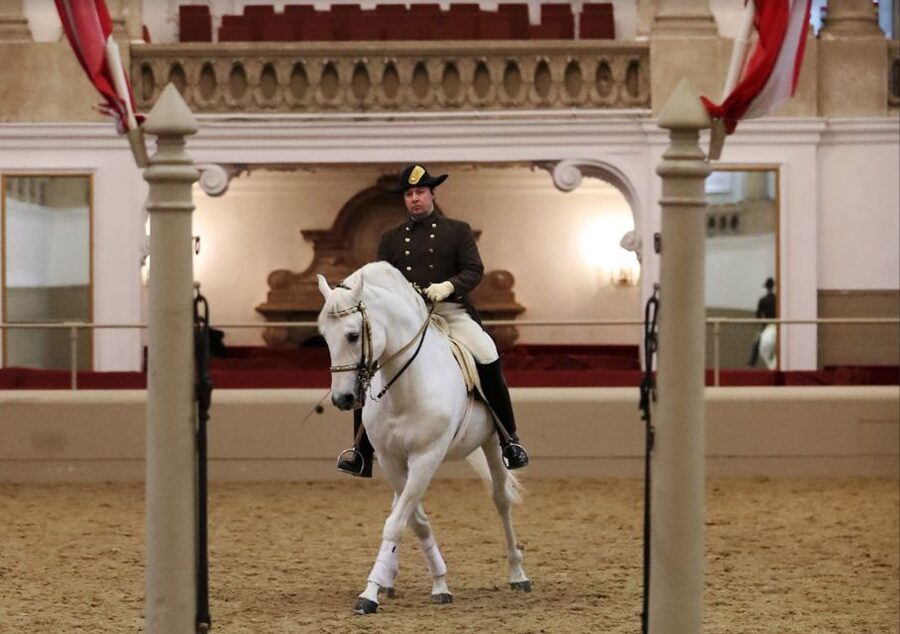
You will see a few performance lengths offered. The Standard Performance runs 70 minutes. The Gala Performance is 1.5 hours and includes live moderation, so there is an added layer of commentary during the show. The Tribute to Vienna performance lasts 2 hours.
How should you choose? Think about what you want from the experience:
- If you want the classic experience without committing to a longer evening, go with Standard. It is the most straightforward option and keeps your time commitment reasonable.
- If you like context and guidance while you watch, the Gala format adds live moderation, which can help you follow the flow more easily.
- If you want the most time in the hall, Tribute to Vienna gives you a longer program, with a full 2-hour slot.
All three options keep the core promise: Lipizzans performing High School classical horsemanship in the baroque Winter Riding School. So your decision is mostly about how much time you want to spend in the atmosphere.
Where you meet, where you redeem, and what to do before you sit
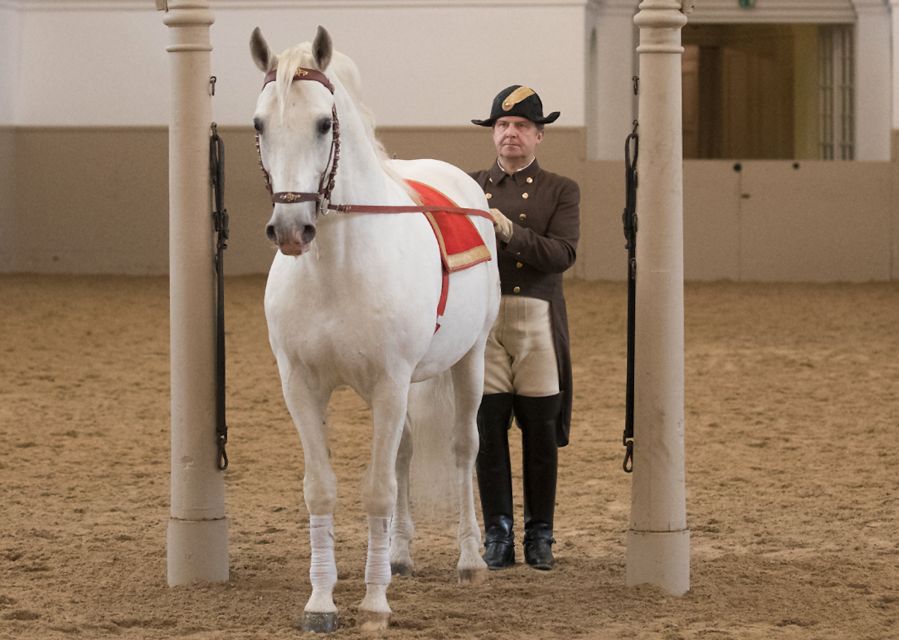
Plan around voucher redemption. You present your voucher at the Spanish Riding School Visitor Center. The important detail is timing: you can pick up your tickets earliest 1 hour before the activity, and tickets must be redeemed prior to the show.
This is not the kind of event where you want to show up at the last second. I recommend treating that 1-hour early pickup window as your practical buffer, especially if you are combining this with other Hofburg-area stops.
Also note where the small extra perk lives. If you want the 5% discount at the souvenir shop, you present your GetYourGuide mobile voucher at the souvenir shop in the main entrance on Michaelerplatz 1. That is useful if you are going to buy something and you want the discount tied to your booking.
One more practical point that matters: wardrobe or luggage cannot be stored. So if you are touring with a bag, plan to carry it with you. There is no place to stash it at the Spanish Riding School, and you do not want to be stuck managing luggage during a show.
And about pets: pets are not allowed, and dogs cannot be taken to the Spanish Riding School. If you have a service animal, you might want to check rules separately, but based on the provided info, regular pets are a no.
Tickets, value, and what’s included in your price
Your ticket includes admission for the performance, plus an online booking fee. You also get a 5% discount at the souvenir shop by using your voucher.
Value here comes from what you are actually paying for: a formal performance of classical equitation in a historic venue, with Lipizzans and classical music, plus the lighting concept by André Heller. You are not buying a casual show. You are buying a rare, highly specific cultural program tied to UNESCO intangible heritage work.
What is not included is just as important for budgeting your expectations. A tour of the building is not included. Transfers are also not included, so you will need to plan your own way to the venue area.
If you are someone who likes to pack your day efficiently, this can be a good stop. It is a clear performance time commitment, with durations listed for the different show types. You know what you are buying: a performance in the Winter Riding School.
Who this show suits best (and who might not love it)
This is a good fit if you want to see classical equitation done in its original form. The Spanish Riding School is described as the only institution in the world that has practiced this Renaissance tradition of the Haute Ecole for more than 450 years. If you value preservation and authenticity, that focus should land well.
It also works well if you like art that is physical. The performances are described as a Ballet of the White Stallions, and the venue plus music plus lighting make it feel closer to performance art than to a typical animal show.
If you are traveling with kids, check the age rule. Children under 3 years are not allowed to attend the performance. Beyond that, the information you have does not specify other child policies, so you will want to consider comfort and attention span for a 70-minute to 2-hour sitting.
If you hate long indoor shows or you need lots of breaks, the timing options may matter. Standard is 70 minutes, which is often the sweet spot. Gala adds live moderation, and Tribute runs longer.
A realistic way to experience it without stress
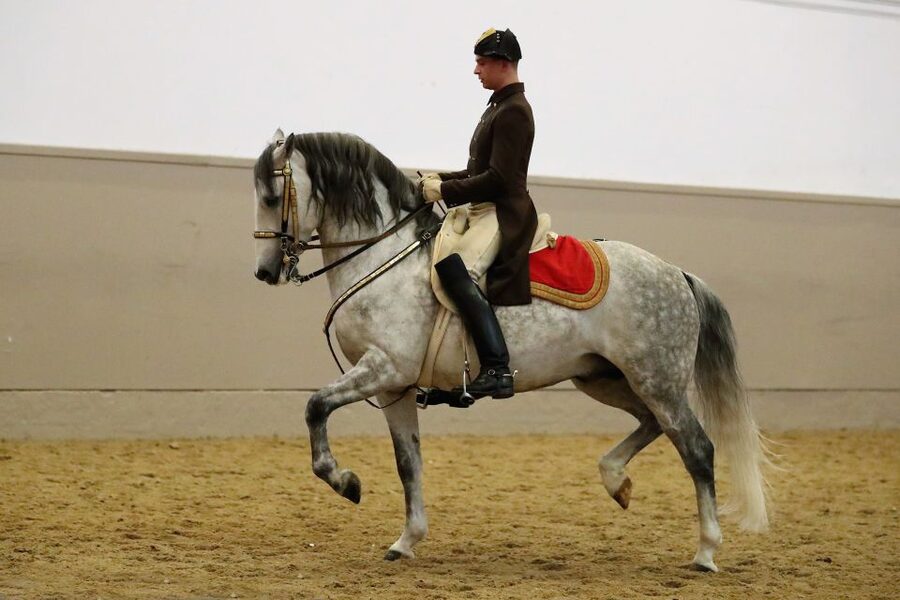
To keep the day easy, I would treat this like a single “main event” block rather than a quick stop. You are going to watch a full program, and you will want your energy for the hall.
Arrive prepared to redeem your voucher at the Visitor Center, with time to pick up your ticket at the earliest 1-hour mark. Because there is no luggage storage, keep your plan simple. Carry only what you truly need for a show that ranges from 70 minutes up to 2 hours.
Once inside, settle in and let the atmosphere do its job. The lighting by André Heller and the classical Viennese music are part of the design. Even if you are not a horse expert, the show’s progression from younger stallions to fully trained school stallions gives you an easy story to follow.
Should you book the Lipizzans at the Spanish Riding School?
Book it if you want a classic, culturally rooted performance in one of Vienna’s most distinctive historic settings. The combination of 450+ years of Haute Ecole tradition, UNESCO-listed preservation work, Lipizzans as the central breed, and stagecraft like André Heller’s lighting makes this feel genuinely “specific,” not interchangeable.
Think twice if you need luggage storage, you are traveling with pets or dogs, or you dislike long indoor sitting. Also, if you are expecting a broader museum-style tour, remember that a tour of the building is not included.
If you fit the show into your schedule and show up with a light load, this is the kind of Vienna experience that gives you something you cannot easily replicate elsewhere.
Latest Additions
- Wachau Valley Private Wine Tour with Tasting and Gourmet Lunch
★ 5.0 · 1 review - Vienna: Danube Valley Tour with Melk, Dürnstein with wine tasting and boat.
★ 5.0 · 1 review - Private city tour in Vienna
★ 5.0 · 1 review - Hallstatt Small Group Day Trip from Vienna
★ 3.0 · 1 review - Inside Freud’s Mind: Self-Guided Mystery Walk in Vienna
★ 4.0 · 1 review - Private Transfer from Vienna to Prague
★ 5.0 · 1 review - Vienna’s Christmas Market Magic Tour
★ 5.0 · 1 review
Show, compared.
Light of Creation Votive Church Immersive Light Show
Read our review →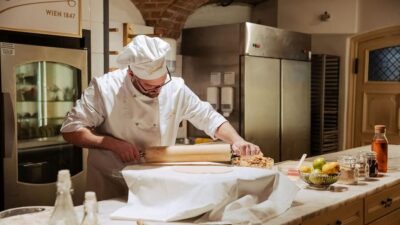
Gerstner KuK Hofzuckerbäcker Baking Show & Tasting
Read our review →
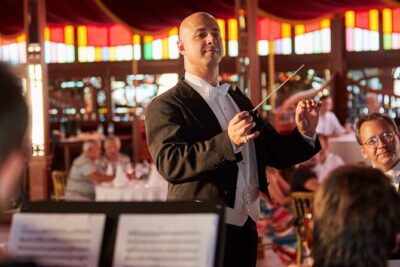
Mirage Vienna: Burlesque Spectacular – Dinner Show
Read our review →
Sound of Movies: Musical Tour to Salzburg from Vienna
Read our review →