Reviewed · TOURS
Vienna tours for you with locals
Vienna can feel like a polished museum. This two-hour walk through the Greek Quarter keeps it human, with legend after legend, and you also get to spot Art Nouveau details most people miss. I like that the route stays easy on your feet and the guide gives you headsets so nothing gets lost in the street noise. One thing to consider: it is not a wheelchair-friendly walk.
You start near the Dr. Karl Lueger monument by Stubentor, then you move through streets where Greek merchants, printers, and scholars left a mark. You’ll also hear about Augustin’s hope during the plague years, the basilisk saga, and how printing and Habsburg power connect to local lore. The mix of old and new architecture is the point, and you’ll walk away with clearer Vienna geography for your next day in the city.
In This Review
- Key highlights worth your time
- Vienna’s Greek Quarter, where legends and printing share the same streets
- Starting near Stubentor: how the tour moves and sounds
- Fleischmarkt: Art Nouveau facades and the printing-story connection
- Griechengasse: a border area on the Danube, and Augustin’s hope
- Schönlaterngasse and Lugeck: legends, the basilisk, and Vienna’s printing memory
- The oldest residential tower: why one building can anchor the whole area
- The private-group feel: headsets, pace, and a map for later
- Price and value: why $23 can still feel like a bargain
- Who should book this two-hour Greek Quarter walk
- Should you book this tour?
- FAQ
- How long is the tour?
- What does it cost?
- Where is the meeting point?
- What languages are available?
- Is this a private tour?
- Is pickup included?
- Is the tour underground?
- Can I record the tour explanations?
- Is the tour weather-dependent?
- Is it suitable for wheelchair users?
Key highlights worth your time
Augustin’s plague-era legend tied to this quarter’s identity and its hope themes
The oldest residential tower in Vienna, worth slowing down for
Basilisk saga storytelling, not just dates and stonework
Art Nouveau at Fleischmarkt, mostly unknown to casual visitors
Greek independence and early book printing connections told through street history
Headsets on a private tour, so you can focus on the buildings and the guide’s voice
Vienna’s Greek Quarter, where legends and printing share the same streets
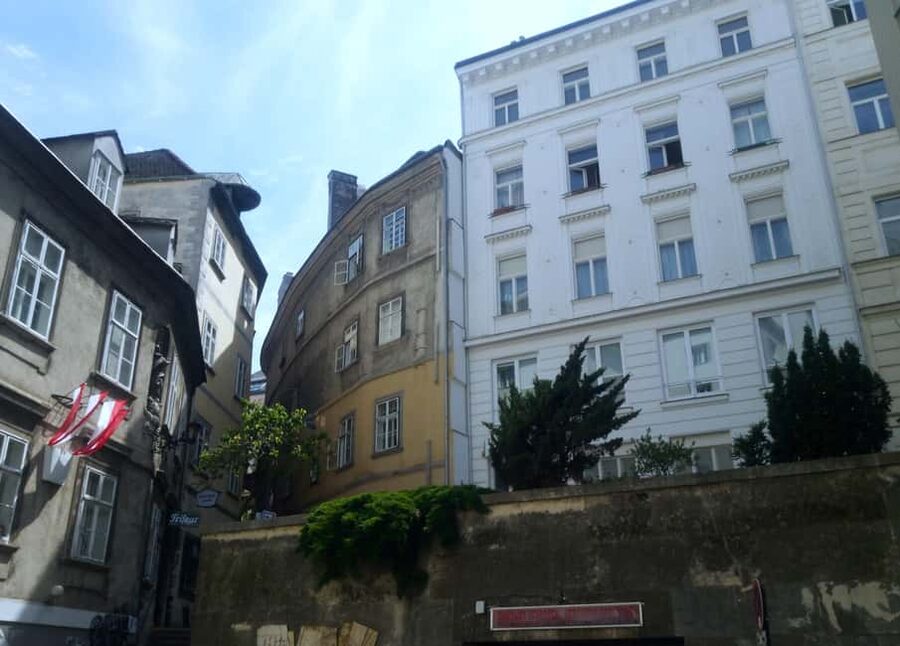
This tour focuses on a part of Vienna that feels like it has two layers. One layer is bricks, towers, and facades. The other layer is stories, especially the medieval-style legends that grew from real neighborhoods and real people.
The Greek Quarter is linked to major turning points in Vienna’s story. You hear how Augustin is tied to hope for people during the plague, and how the area also connects to the path toward Greek independence. That matters because you’re not just sightseeing. You’re learning why these streets became a magnet for merchants, thinkers, and patrons who could fund music and scholarship.
You also get a very Vienna flavor of old knowledge. The area is associated with early printing, and with legends about alchemists, the science-minded thinkers of the Middle Ages. So when you’re standing in front of a building, you can understand what kind of world it belonged to, even if the street looks modern today.
Vienna is a city built for slow mornings and long evenings — plan accordingly.


Starting near Stubentor: how the tour moves and sounds
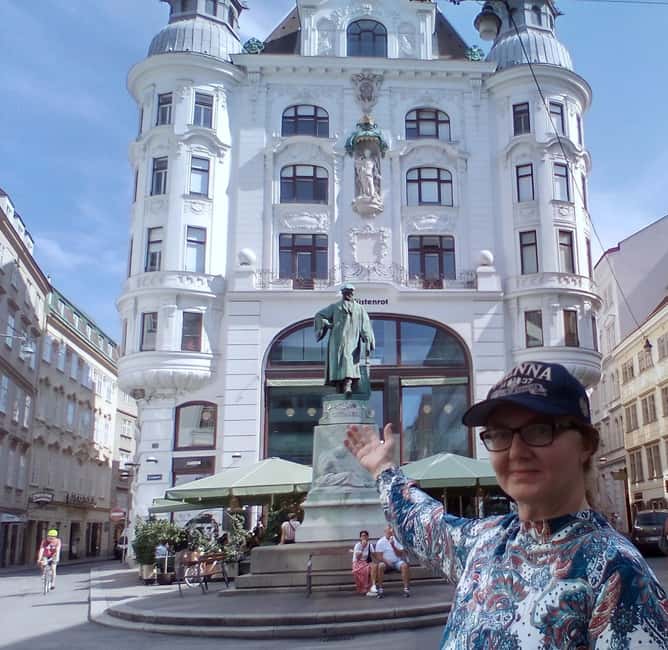
Meeting at the Dr. Karl Lueger monument near the Stubentor subway station is convenient if you’re using public transit. You won’t be hunting down a random side street in the dark. It’s also a practical choice because the first district locations you visit are easy to reach from the city core.
The tour uses a silent guide setup with headsets. Translation: you keep hearing the guide clearly while you walk, without having to stop and strain your ears every minute. That’s a real quality-of-life detail, especially in busy central Vienna where street chatter can drown out normal guided tours.
Walking time is only two hours, and the route is described as easy, with not much walking. That makes it a smart add-on for travel days when your legs might already be tired from museums or parks. The flip side is that you’re still walking through the historic center, so you’ll want comfortable shoes.
One more rule to know up front: recording any explanation is strictly prohibited due to copyright. If you rely on photos or notes, plan to capture your own observations the old-fashioned way, or take quick written reminders during pauses.
Fleischmarkt: Art Nouveau facades and the printing-story connection
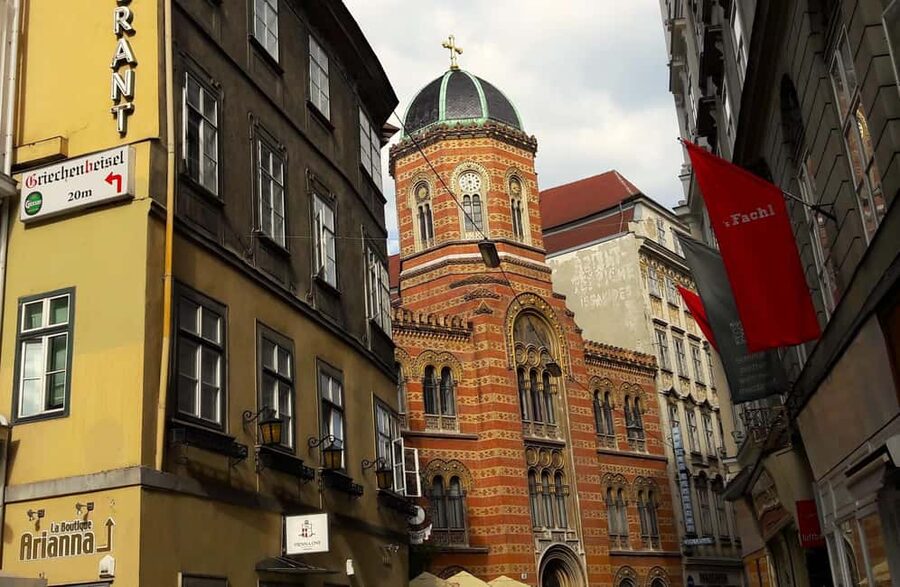
Fleischmarkt is where the tour starts turning architectural eyes toward details. You’re invited to admire Art Nouveau buildings that are mostly unknown to tourists, which is exactly the kind of thing you want in Vienna. Lots of visitors photograph the famous sights. Fewer people notice the street-level design language that shows up in doorways, windows, and the way buildings frame the sidewalk.
The guide connects these Art Nouveau facades to the neighborhood’s earlier life as a center for printing. That link is what makes the architecture stop feel more than decorative. You’re not just admiring style. You’re seeing how a quarter tied to printing and early book production also influenced what people later built and how they presented themselves in public.
If you like history with a bit of plot, this is one of the most satisfying stops. It’s here that legends and first printing houses in Vienna get woven together, so you can picture how a place can be both practical and myth-heavy at the same time.
A practical tip: at street stops like Fleischmarkt, you’ll get more out of it if you pause to look in layers, not just at the main facade. Try scanning from street level upward, then back again. Art Nouveau details often hide in the transition zones between floors, not only on the center of the building.
Griechengasse: a border area on the Danube, and Augustin’s hope
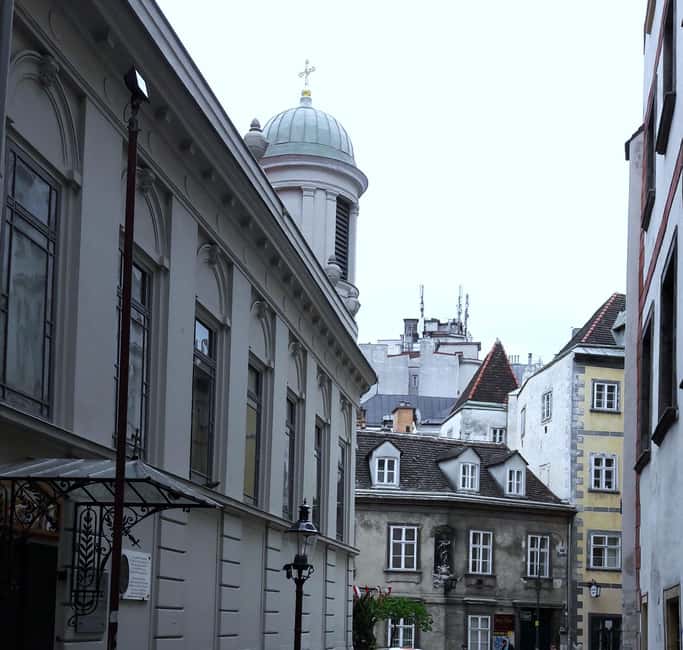
Griechengasse is where the tour leans into place meaning. You learn about the street’s history as a border area on the Danube. That gives the neighborhood a sharper emotional context. Borders change how people move, trade, and live, and they often shape the stories communities pass down.
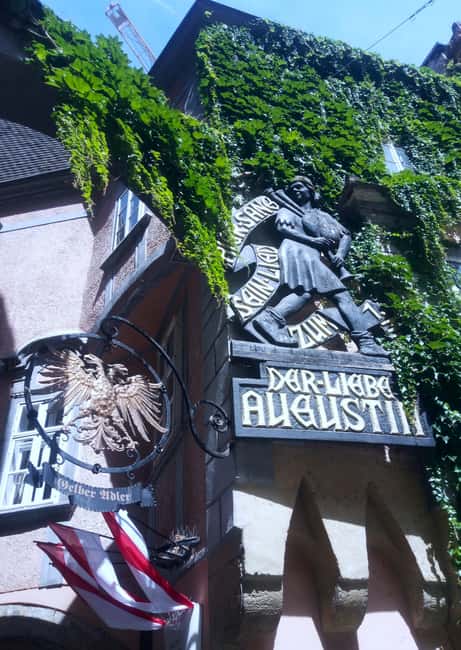
This is also where Augustin’s legend is in play. The idea is not just that a famous figure existed. You hear Augustin’s connection to hope, especially during the plague era, which turns a legend into a survival narrative. In a city full of royal power and grand buildings, it’s refreshing to hear a story centered on ordinary people trying to endure.
You may also see parts of daily life that help you picture the Greek presence more concretely. One value of this tour is that it doesn’t treat the Greek Quarter as an abstract label. You get a sense of churches, taverns, and the kind of commercial life that Greek merchants and intellectuals were part of in the 18th century.
Even if you only remember one thing from Griechengasse, make it this: legends can reflect real anxiety and real hope. When you understand that, even a street name starts to feel like a clue.
Beyond the palaces, the city keeps its own rhythm of coffee, concerts, and day trips nearby.
- Vienna: Classical Concert in the World-Famous Musikverein★ 4.6 · 6,673 reviews
- Vienna: Hallstatt Day Trip with Boat Ride Option★ 4.7 · 6,311 reviews
- Vienna: Skip-the-Line Sisi Museum, Hofburg and Gardens Tour★ 4.8 · 5,918 reviews
- Vienna: Skip-the-Line Schönbrunn Palace & Gardens Tour★ 4.8 · 5,411 reviews
Schönlaterngasse and Lugeck: legends, the basilisk, and Vienna’s printing memory
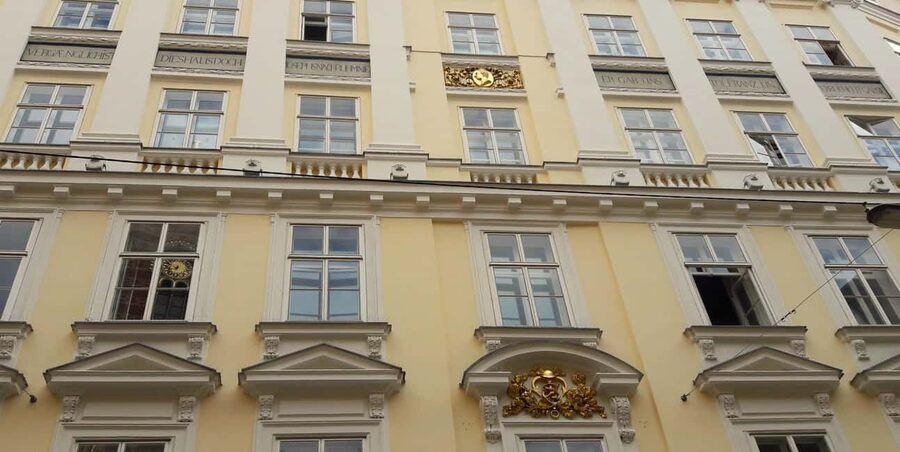
By the time you reach Schönlaterngasse and then Lugeck, the tour becomes a story machine. It links lore to institutions, then back again, so you understand how Vienna’s power systems connect to local mythology.
Schönlaterngasse is where legends enter the conversation again. The highlight here is more about mood and myth than a single building description, so lean into it. Let the guide’s version of the neighborhood history sit in your head for a while. When you’re walking later through central Vienna on your own, you’ll start noticing the same kind of storytelling logic in other old quarters.
Then comes Lugeck, and this is where the tour clearly ties street history to printing and monarchy. You hear how the history of Vienna’s printing press connects to historical facts from the beginning of the Habsburg monarchy, plus “exciting legends.” The point is to show how knowledge production was part of state power, not separated from it.
This is also the area where the basilisk saga is introduced. A basilisk can sound like pure fantasy, but in this kind of tour, legends often function like cultural shorthand. They show what a community feared, what it watched for, and how it explained dangers when science and authority were still uneven.
If you’re trying to decide whether this tour is for you, this is the moment to check your interests. If you enjoy the way cities turn ideas into stories, and stories into street identity, you’ll enjoy Lugeck.
The oldest residential tower: why one building can anchor the whole area
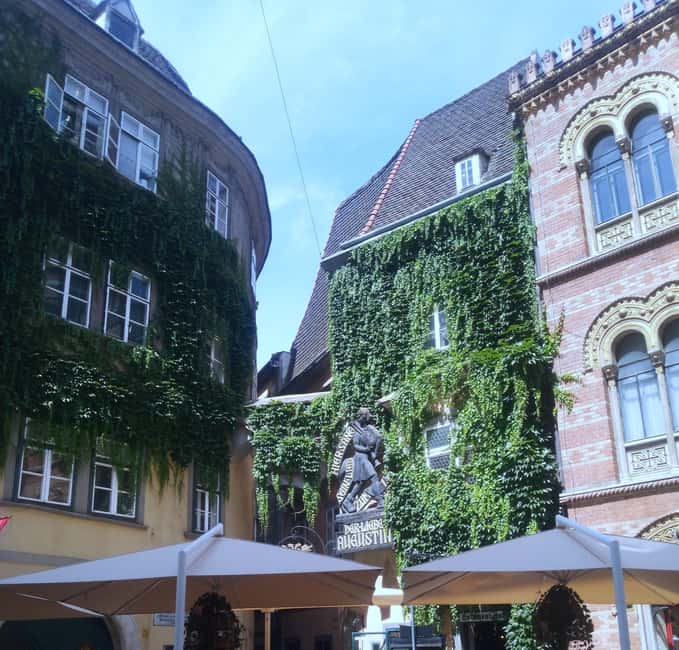
The Greek Quarter includes the oldest residential tower in Vienna, and it’s worth treating it like a time marker. Tower architecture is never accidental. It suggests continuity, defense, status, and long-term settlement patterns.
On a tour like this, the tower works as a contrast tool. You’ve just heard about medieval alchemists and early printing culture, then you see a physical landmark that signals how long people have lived in this place. That helps you connect legends to bricks, and it prevents the tour from feeling like a set of disconnected facts.
This also explains the attraction of a small, story-driven route. Instead of cramming in famous landmarks that everyone photographs, you get one or two anchors that change how you read the whole neighborhood.
In practice, you’ll probably want to slow down for pictures here, but the better goal is to look. Try to notice what makes the residential tower feel different from surrounding structures. Even without technical architecture training, your eye can pick up the difference when the guide frames it.
The private-group feel: headsets, pace, and a map for later
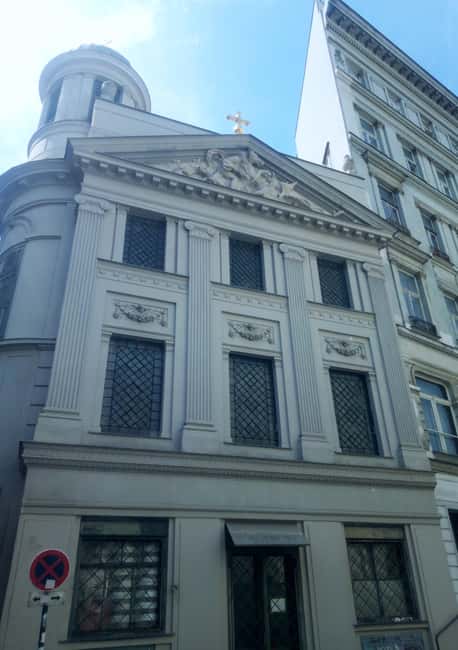
You’re on a private tour. That changes the feel in a good way. You can ask questions, and the guide can keep answers focused on what you actually want to see. In one case, the guide was described as very friendly and willing to answer questions, and that sort of responsiveness matters on a tour built around legends. If you’re curious, you should be able to ask why a story exists in this place, not just what the story is.
The headset setup also supports the private format. You’re not negotiating where to stand. You can stay near the guide’s position, listen clearly, and look at the same facade the guide is talking about. It makes the tour more efficient, which matters when you only have two hours.
A nice practical extra is the map the guide provides at the end, with the historical center and building locations marked. If you’re planning to wander afterward, this helps you keep the story route alive. You can re-find the streets and read the neighborhood logic again, at your own pace.
Price and value: why $23 can still feel like a bargain
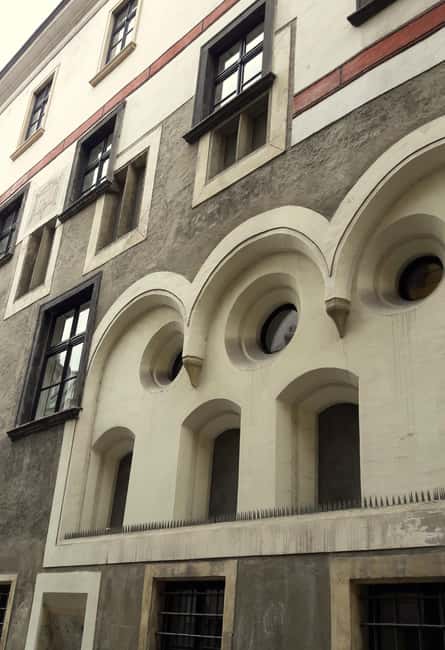
At $23 per person for a two-hour guided walk, this tour sits in the value category for Vienna. You’re not paying for a long bus day. You’re paying for a focused guide story loop plus headsets that keep the experience clear.
What makes it feel worth it is the specific theme. Many tours cover general history. This one concentrates on a particular pocket of Vienna, the Greek Quarter, and builds a coherent narrative from plague-era hope to printing to legends like the basilisk saga. That kind of specificity tends to be memorable, and it’s easier to connect to the physical streets.
It’s also a smart spend if you want something that helps you explore on your own after. The map and the street geography you learn can turn your next walk into a self-guided continuation instead of just another loop through central Vienna.
So the real question is not whether you’re getting a cheaper tour. It’s whether you’ll use what you learn. If you like stories grounded in place, and you want to notice architecture beyond the obvious highlights, the price makes sense.
Who should book this two-hour Greek Quarter walk
Book it if you want a short, easy, guide-led route that connects legends to real urban history. I think it’s especially good for:
People who like architecture details, but don’t want a marathon walking day
History buffs who enjoy cultural stories, not only dates
Travelers who plan to spend another day wandering the first district
Anyone curious about how printing and scholarship shaped Vienna’s neighborhoods
It might be less ideal if you:
Need wheelchair accessibility, since the tour is not suitable for wheelchair users
Want a long, big-sight itinerary with minimal storytelling
- Prefer underground tours, because this one is clearly not underground
Should you book this tour?
Yes, if your idea of a great Vienna day includes a guided walk with meaning, not just photo stops. The combination of Greek Quarter legends (Augustin, basilisk) and concrete neighborhood history (early printing, connections to the Habsburg era) makes the two hours feel purposeful. Add in the headsets, the private feel, and the map at the end, and it becomes a practical choice rather than a gamble.
If you’re on the fence, pick it when you have time for a short story route, and you’re curious about lesser-seen Art Nouveau and printing-related history. Skip it if you want only mainstream landmarks or if you need wheelchair-friendly access.
FAQ
How long is the tour?
The tour lasts 2 hours.
What does it cost?
The price is $23 per person.
Where is the meeting point?
You meet around the Dr. Karl Lueger monument near the subway station Stubentor.
What languages are available?
The live tour guide offers German and English.
Is this a private tour?
Yes. This is your private tour, and private group availability is offered.
Is pickup included?
Pickup is optional. If you choose it, the guide uses public transport, and you meet in your hotel lobby or at a public transport station you agree on by email. No car or bus pickups are offered.
Is the tour underground?
No, it is not an underground tour.
Can I record the tour explanations?
No. Any recording of the explanations given by the guide is strictly prohibited because the tour content is protected by copyright.
Is the tour weather-dependent?
The tour takes place rain or shine.
Is it suitable for wheelchair users?
No. It is not suitable for wheelchair users.
Latest Additions
- Wachau Valley Private Wine Tour with Tasting and Gourmet Lunch
★ 5.0 · 1 review - Vienna: Danube Valley Tour with Melk, Dürnstein with wine tasting and boat.
★ 5.0 · 1 review - Private city tour in Vienna
★ 5.0 · 1 review - Inside Freud’s Mind: Self-Guided Mystery Walk in Vienna
★ 4.0 · 1 review - Private Transfer from Vienna to Prague
★ 5.0 · 1 review - Hallstatt Small Group Day Trip from Vienna
★ 3.0 · 1 review - Vienna’s Christmas Market Magic Tour
★ 5.0 · 1 review
Tours, compared.
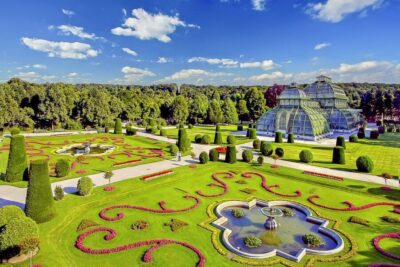
Schönbrunn Palace & Gardens Skip-the-Line Tour
Read our review →

Skip-the-Line Sisi Museum, Hofburg and Gardens Tour
Read our review →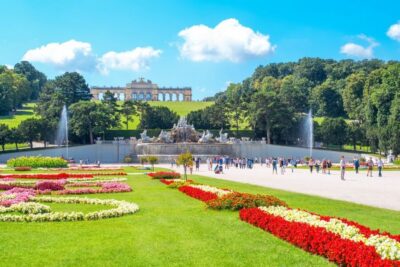
Skip-the-Line Schönbrunn Palace & Gardens Tour
Read our review →
Guided Walking Tour of City Center Highlights
Read our review →
Hop-On Hop-Off Sightseeing Bus Tour in 19 Languages
Read our review →