Reviewed · TOURS
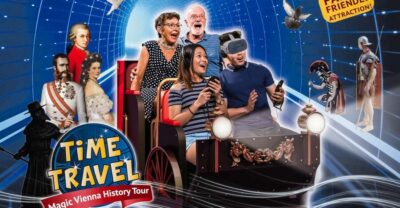
Vienna: Time Traveling Virtual Reality Sightseeing Tour
Vienna gets a time machine. This VR sightseeing walk turns key moments into 360-degree scenes, so you experience the old town in a whole new way. I especially like the multilingual audioguide options and the way the live guide connects the stories to what you see on the street, not just on a screen. The one catch to plan for is that the VR visuals can feel a bit basic, so set your expectations to historically themed VR rather than ultra-sharp, modern video.
This is also a tour built for pacing. You do plenty of walking, then you pause at the right spots for headset moments, each one tied to the past events that shaped Vienna into the city it is today. If your guide is fluent in English and German, you will have an easier time tracking the story as it shifts between centuries, too.
Because the route is flat and the total distance is only about 3.2 kilometers, you are not dealing with big hills. Still, it is not for everyone: kids under 8 are not suitable, and if you have epilepsy, the VR part is a no-go.
In This Review
- Key things to know before you go
- Time Travel Vienna, Done on Foot (Not in a Bus)
- Neuer Markt Start, Turquoise Door, and the Headset Prep
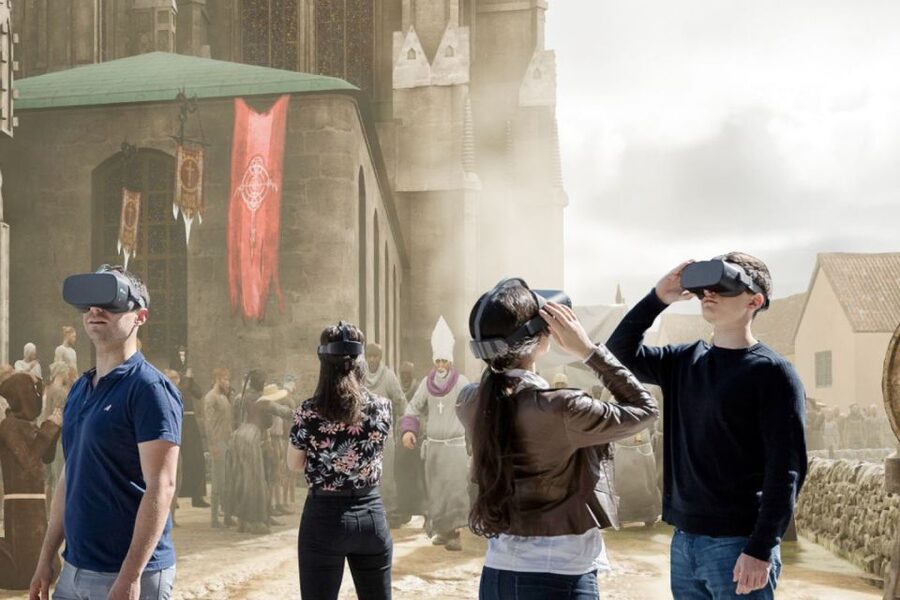
- White Sunday 1483: Medieval Vienna and the Public Display of Power
- Ottoman Siege 1683: When Vienna Had to Hold the Line
- The Plague Scene and Augustin’s Music: Humor in the Dark
- Hofburg Hunting Day: Spot Empress Sisi and Emperor Franz Joseph II
- The Opera in the Golden 1920s: Where Performance Begins
- St. Stephen’s Square in WWII: A City Under Pressure
- Price, Value, and How I’d Plan It Into Your Vienna Day
- Who Should Book, and Who Might Want to Skip
- FAQ
- Where does the VR Vienna tour start?
- How long is the experience?
- What is the price?
- Where does the tour end?
- What languages are available?
- What is included in the ticket?
- Is it wheelchair accessible, and is it OK for children?
- Is this tour safe for people with epilepsy?
- Can it be canceled due to weather?
Key things to know before you go
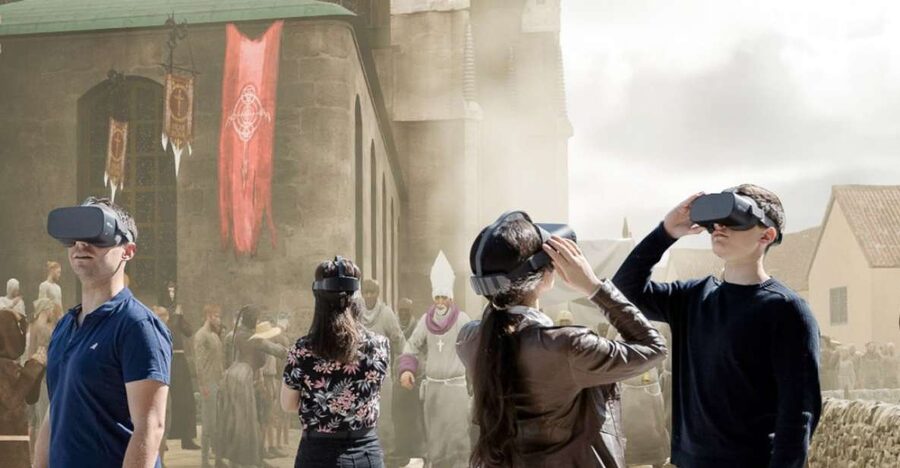
- Six time periods in one walk, from medieval Vienna to the end of World War II
- 360-degree VR scenes at specific stops, not a continuous video stream
- Live guide plus audio support, with many languages available for the headset audio
- A short, flat route of about 3.2 kilometers over roughly 100 minutes
- Good for first-day orientation, especially if you like context, not just landmarks
- VR quality varies by scene, and some scenes may feel less detailed than you expect
Time Travel Vienna, Done on Foot (Not in a Bus)
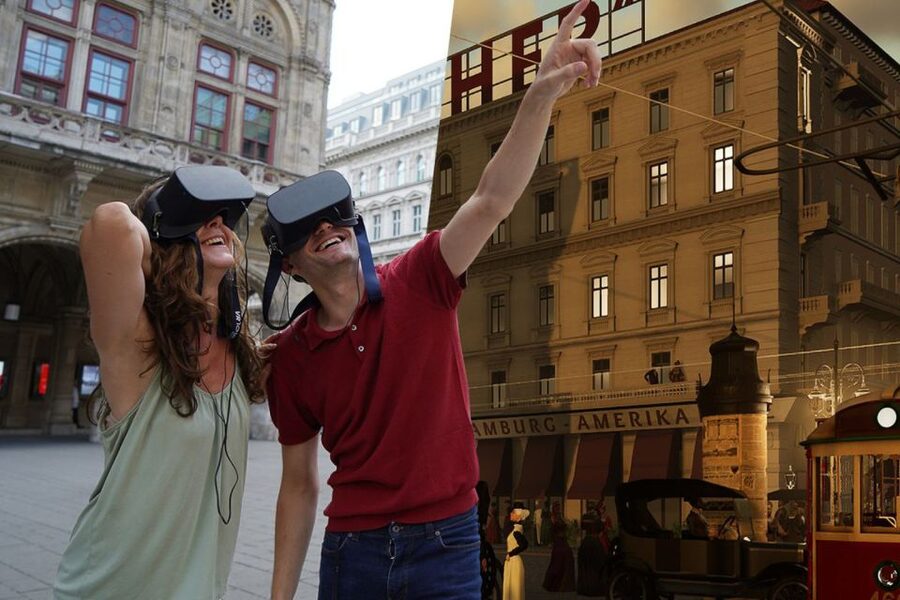
If you only have a day or two in Vienna, this kind of tour can be a smart shortcut to understanding the city. You are not just collecting photos of famous buildings. You are learning why Vienna changed, and how people lived through major shocks, from sieges to pandemics to war.
The price, around $45 per person, makes sense when you compare it to a standard guided tour plus the extra gear. You get the VR glasses and you use them several times during the walk. You also get earphones for the audio guide, which matters because the scenes are story-driven. Most of your time is still spent walking through real streets, so the cost is not only for technology, it is also for the guided storytelling.
Pacing is a big part of the value. The experience is about 100 minutes, covering about 3.2 kilometers on flat terrain. That is a manageable effort, but it also means you should show up mentally ready to listen as much as you look. If you want a tour that is mostly pointing and photo stops, this may feel more like a moving lesson.
Finally, it helps to know who this is for. I think it works best for adults and curious teens who like history with a sensory twist. It is wheelchair accessible, but it is not suitable for children under 8, and people with epilepsy should avoid it.
Vienna is a city built for slow mornings and long evenings — plan accordingly.


Neuer Markt Start, Turquoise Door, and the Headset Prep
The tour starts at Neuer Markt 6. Arrive about 15 minutes early and look for the turquoise-colored entrance. You do not want to be rushed when you are about to put on VR glasses and start listening.
The end point is Albertina, which is convenient if you are planning to keep exploring after the tour. That also helps you avoid the trap of feeling stuck at the starting area for the rest of the day.
What you are actually bringing is simple. Wear comfortable shoes, since you will walk. Also, plan for weather. The experience can be canceled due to poor conditions like heavy rain or storms, and the decision might happen at the last minute. Vienna weather can shift quickly, so keep that in mind if your schedule is tight.
Inside, you will get VR glasses and earphones for the audio guide. The tour also has a live guide in English or German, and the audio guide supports several languages: English, Spanish, Dutch, French, Italian, and Russian. If you prefer hearing the story in your own language, the audio options are a real plus.
If you are used to self-guided audio tours, this will feel smoother than most. The live guide handles the setup and keeps the group moving, then the audio guide carries the scene details while you are wearing the headset.
White Sunday 1483: Medieval Vienna and the Public Display of Power
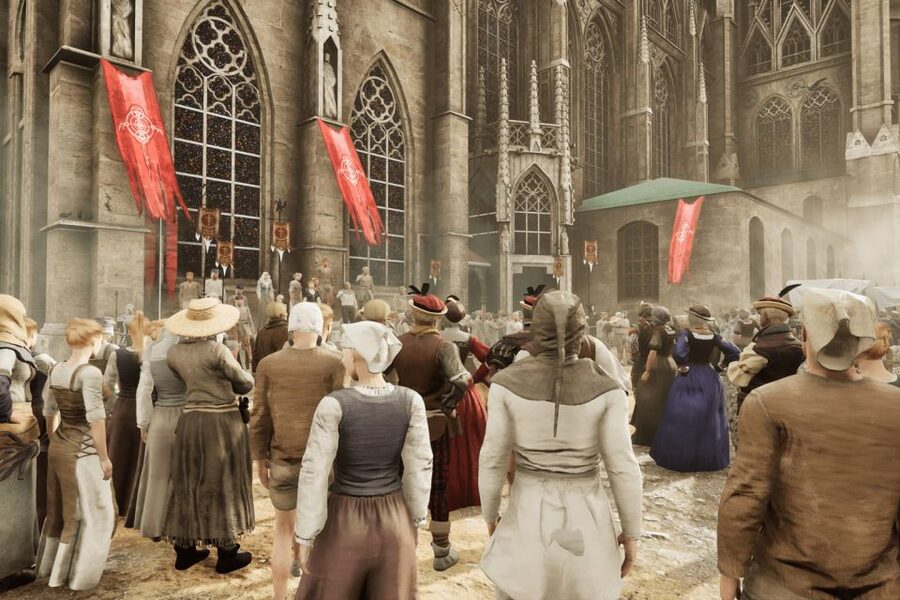
The tour’s earliest scene brings you to White Sunday in 1483, one of those rare moments when ceremonial ornaments were brought out and shown to the public. This is one of the best choices for a first VR stop because it anchors you fast: you understand that this was not just private wealth, it was public pageantry.
What I like about this kind of scene is that it gives you a concrete entry point. Medieval Vienna can sound distant and abstract until you see it as a place with ritual, crowds, and visible symbols of authority. You also learn how Vienna’s identity was built through events that people gathered around, not just buildings they passed.
Expect to do some walking between scene points, then pause and take the headset moment when your group is ready. You will get a 360-degree view, which helps more than you might expect. Even if the visuals are not photo-real, the sense of being surrounded makes the past feel less like a slideshow.
A small consideration: early scenes are often easier to follow, but it still helps to listen closely to the story being told by your guide. If you miss a key clue, the VR moment can feel like a cool picture instead of a meaningful episode.
Ottoman Siege 1683: When Vienna Had to Hold the Line
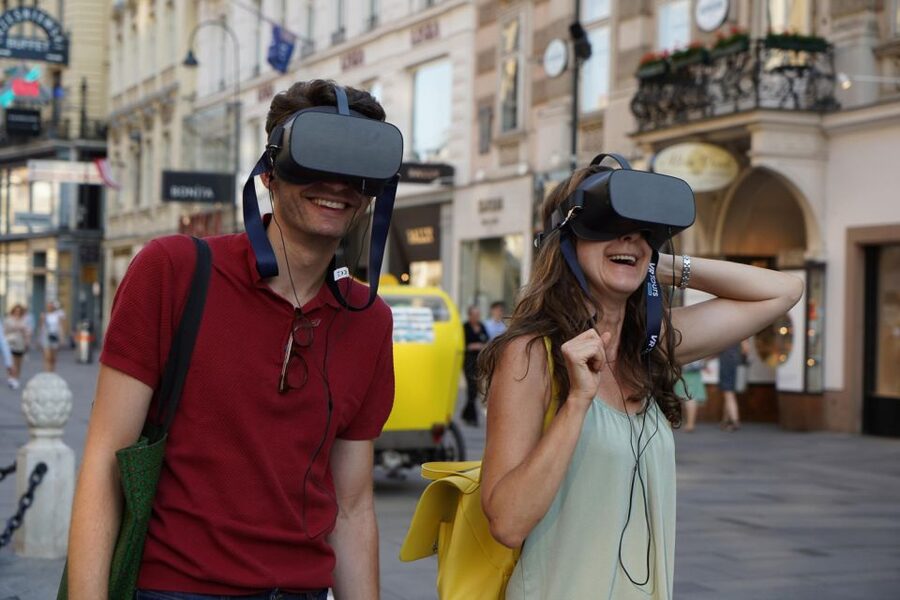
Next comes a darker chapter: the Ottoman Empire carries out a siege during the second siege in 1683. This is the moment the tour uses to show that Vienna’s history is not only about arts and emperors. It is also about survival.
Why this stop matters is simple. Siege warfare is brutal, and the way it reshapes a city is lasting. Even if you have read general history before, seeing the moment through a spatial, 360-degree experience helps your brain place the story in real space. You start thinking about where people stood, where danger came from, and why certain places mattered strategically.
This is also where the guide storytelling pays off. The headset scenes do the visual work, but the guide helps you understand the flow of events, not just the outcome. The tour is set up so you do not end up with disconnected facts.
There is a balance here, and I respect that the tour does not try to dramatize everything beyond recognition. You get the grim reality of a siege, plus the broader meaning of what it forced Vienna to do next.
Beyond the palaces, the city keeps its own rhythm of coffee, concerts, and day trips nearby.
- Vienna: Classical Concert in the World-Famous Musikverein★ 4.6 · 6,673 reviews
- Vienna: Hallstatt Day Trip with Boat Ride Option★ 4.7 · 6,311 reviews
- Vienna: Skip-the-Line Sisi Museum, Hofburg and Gardens Tour★ 4.8 · 5,918 reviews
- Vienna: Skip-the-Line Schönbrunn Palace & Gardens Tour★ 4.8 · 5,411 reviews
The Plague Scene and Augustin’s Music: Humor in the Dark
Then the tone shifts again, and the tour goes into the darkness during the plague that killed half of Europe. You also learn about Augustin, a singer who showed that Vienna could survive terrible times with humor and music.
I really like this pairing. Plague stories are usually only grim. This one keeps the grimness, but it also adds a human detail that makes the era feel less like a sealed museum case. Humor and music were survival tools. People did not just endure, they coped.
In VR, this scene works especially well because it is not about grand monuments. It is about atmosphere. The headset is likely to make you look around more, and that behavior is useful because the story is about fear and darkness, not just location spotting.
A practical consideration: this is one of the stops where people may want to keep their breathing steady and focus on the audio. If you get sensitive to dark or intense scenes, take a moment before the VR part, adjust your comfort, and listen to the guide so you know what you are about to experience.
Hofburg Hunting Day: Spot Empress Sisi and Emperor Franz Joseph II
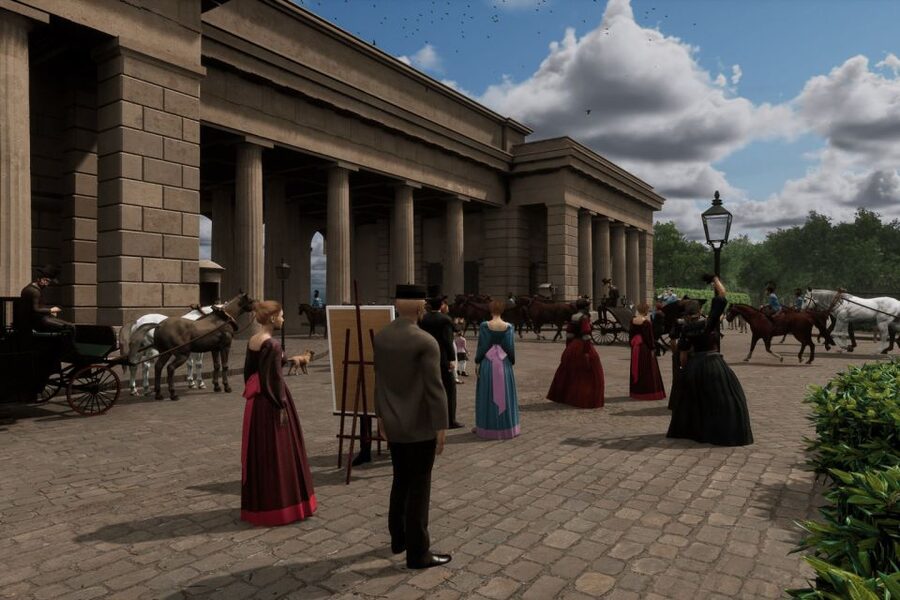
On a sunny day, you move through the Hofburg area and step into a hunting trip with Empress Sisi and Emperor Franz Joseph II. The tour even gives you a playful instruction: since you are standing very close to the road, you are meant to wink at the moment.
This is a fun break in the historical emotional intensity. It also reminds you that Vienna was never only crisis and conflict. It was also court life, fashion, routines, and the public performance of status.
This scene is valuable because it helps you connect the people to the place. When you later walk past the Hofburg on your own, you are not only seeing architecture. You are remembering a story anchored to that road and that setting.
If you care about small details, you will enjoy how the tour blends real walking with time travel. It is also a nice moment for photos, as long as you do not treat the headset moment like a quick selfie challenge. Listen first, then look.
The Opera in the Golden 1920s: Where Performance Begins
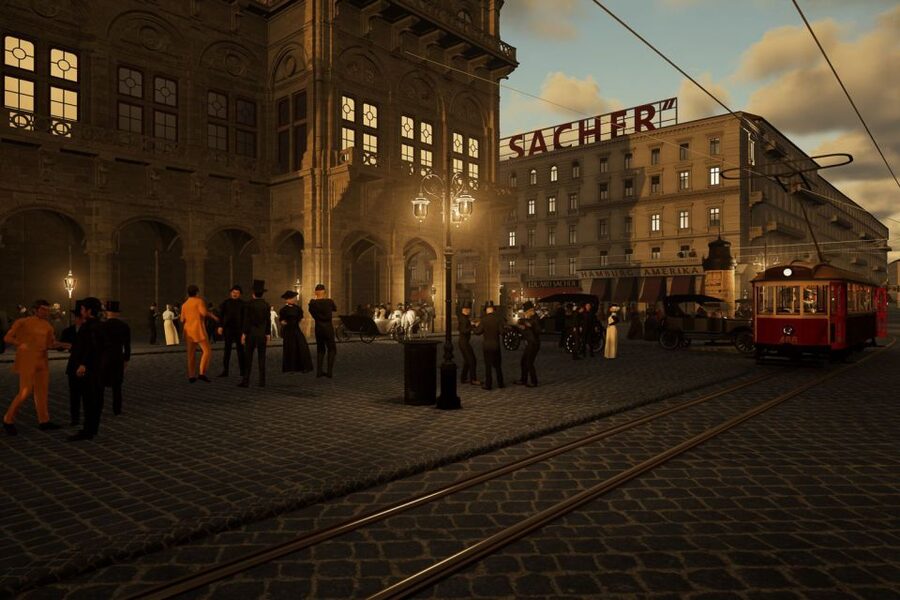
Next is the Opera and a trip to Vienna in the golden 20s. This scene focuses on how people prepare for an opera performance, so you are not only seeing costumes or architecture. You are seeing the build-up to a major cultural event.
Even if you are not an opera super fan, the value here is cultural context. Vienna’s reputation as a music city did not appear by magic. It came from the rituals around performance, the social scene around it, and the patience it took to stage it.
The VR experience in this part is one of the places where expectations matter. Some people find that the visuals can feel slightly rough or less engaging than they hoped for, and one scene was noted as missing certain dancing and dress details. That does not kill the experience, but it is worth knowing if you are very picky about VR fidelity.
Think of this stop like a guided mood board with movement, not like cinematic digital artistry. You get the idea quickly, then the audio and guide help you tie it to what opera meant to Vienna at the time.
St. Stephen’s Square in WWII: A City Under Pressure
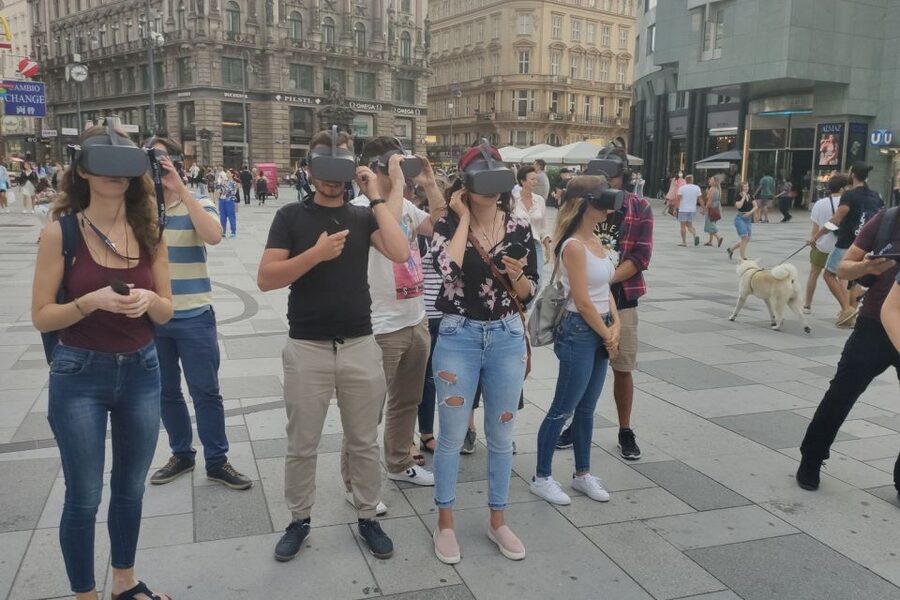
The last scene brings you to St. Stephen’s Square as the cathedral burns in the last month of World War II. You also witness the Soviet army driving the last German soldiers out.
This is the tour’s emotional finale. It is heavy, and it is meant to be. The point is not just tragedy for tragedy’s sake, it is how war changed the city at the most recognizable landmark points. When you stand in that area later on your own, you will likely remember this stop more vividly than a standard lecture.
This is where the pacing of the whole tour pays off. By the time you reach the WWII scene, you have already lived through multiple eras of Vienna dealing with major disruptions. The VR sequence lands with more meaning because you have the contrast.
One more practical note. This is not a tour you can easily do half-asleep. Keep listening and let the guide’s narrative connect the scenes. If you only half-follow, you will miss the way each era sets up the next one.
Price, Value, and How I’d Plan It Into Your Vienna Day
Let’s talk about value in real terms. You are paying for three things:
1) a guided walking route with live explanation
2) multiple VR headset scenes that give you 360-degree historical moments
3) a multilingual audio guide set so you can match your language comfort
At about $45, it can be a strong choice when you want a first-day orientation that is more than a normal walking tour. You also finish at Albertina, which helps you keep momentum right after the experience.
If you already know a lot of Austrian history, you might find some parts more familiar. Still, the VR format can help even then because it makes you place events in space instead of only time. If you are new to Vienna, the payoff is even bigger.
How I would plan it: put it early in your trip so the city becomes less confusing. Then do follow-up walks around the streets and squares you just saw. The scenes do not replace normal sightseeing, they give it context.
Who Should Book, and Who Might Want to Skip
I think you should book this if you:
- want a structured introduction to Vienna’s big turning points
- enjoy history that uses storytelling and visual context
- like audio in your preferred language, with options for English, Spanish, Dutch, French, Italian, and Russian
- are comfortable walking about 3.2 kilometers on flat terrain
I think you might want to skip or choose carefully if you:
- want only the highest-detail, modern VR visuals
- are sensitive to intense scenes like plague imagery or wartime burning
- are traveling with children under 8, or anyone with epilepsy
If your goal is to see Vienna’s famous stops and you do not care about the past beyond a quick explanation, a traditional walking tour could be easier. But if you want the city to click faster, this time travel format is a fun and practical way to do it.
FAQ
Where does the VR Vienna tour start?
The tour starts at Neuer Markt 6. Arrive about 15 minutes early and look for the turquoise entrance.
How long is the experience?
The tour runs for about 100 minutes.
What is the price?
It costs about $45 per person.
Where does the tour end?
The tour finishes at Albertina.
What languages are available?
The live tour guide is available in English and German. The audio guide is available in English, Spanish, Dutch, French, Italian, and Russian.
What is included in the ticket?
Your ticket includes the VR glasses and earphones for the audio guide.
Is it wheelchair accessible, and is it OK for children?
It is wheelchair accessible. It is not suitable for children under 8.
Is this tour safe for people with epilepsy?
No. The tour is not suitable for people with epilepsy.
Can it be canceled due to weather?
Yes. The tour might be canceled due to poor weather such as heavy rain or a storm, and the decision may be made last minute.
Latest Additions
- Wachau Valley Private Wine Tour with Tasting and Gourmet Lunch
★ 5.0 · 1 review - Private city tour in Vienna
★ 5.0 · 1 review - Vienna: Danube Valley Tour with Melk, Dürnstein with wine tasting and boat.
★ 5.0 · 1 review - Hallstatt Small Group Day Trip from Vienna
★ 3.0 · 1 review - Inside Freud’s Mind: Self-Guided Mystery Walk in Vienna
★ 4.0 · 1 review - Private Transfer from Vienna to Prague
★ 5.0 · 1 review - Vienna’s Christmas Market Magic Tour
★ 5.0 · 1 review
Tours, compared.

Schönbrunn Palace & Gardens Skip-the-Line Tour
Read our review →

Skip-the-Line Sisi Museum, Hofburg and Gardens Tour
Read our review →
Skip-the-Line Schönbrunn Palace & Gardens Tour
Read our review →
Guided Walking Tour of City Center Highlights
Read our review →
Hop-On Hop-Off Sightseeing Bus Tour in 19 Languages
Read our review →