
Reviewed · WINE TOURS
Vienna: Taste Austria the ABCs of Wine
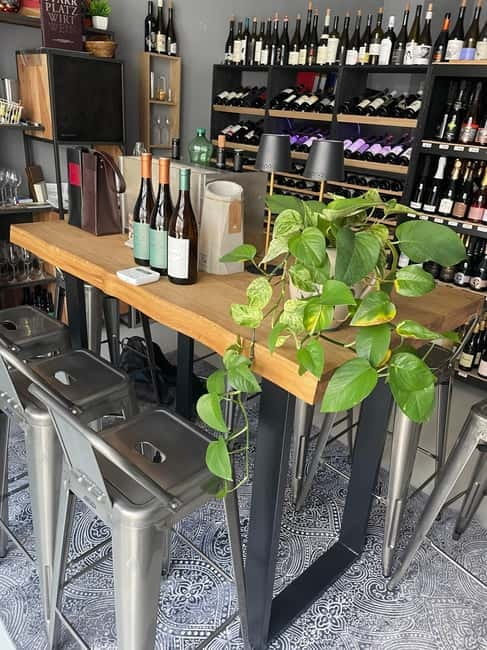
Austria’s wine lessons start in a shop. In Vienna at Weinrudi, I love the region-by-region tasting and how clearly Rudi connects the labels to what you taste, from Steinfeder to Smaragd. One drawback to note: this is a cozy, sit-and-sip experience, not a sightseeing stop.
You’ll learn the basics of tasting for real, not pretends. Expect practice with the full sensory loop, eyes first, then aromas, then taste, plus practical food pairing tips that make your next restaurant order easier.
The session runs about 2 hours with a small group capped at 8 people. It’s a great fit if you like structured learning and friendly conversation, and a bit less ideal if you have a cold, need mobility accommodations, or are under 18.
In This Review
- Key things to know before you go
- A cozy Vienna wine shop, focused on tasting not theater
- How the tasting works: eyes, nose, palate, then food
- Wiener Gemischter Satz: the freshness lesson you can taste
- Steinfeder, Federspiel, Smaragd: a cheat sheet for Austrian wine labels
- South Styria Sauvignon Blancs: cool climate and steep slopes
- Neusiedler See: sweet wine, fruity reds, and the Pannonian flavor shift
- Blaufränkisch and mineral character: iron-rich soils and spiciness
- Pairing wines with food: salami, olives, and cheese made sense
- Value at 81 dollars for a 2 hour lesson
- Meeting at Weinrudi, what to bring, and the simple rules
- Should you book Taste Austria the ABCs of Wine?
- FAQ
- How long is the wine tasting?
- How many people are in the group?
- What languages are offered?
- Where do we meet?
- What’s included in the price?
- Is transportation included?
- What should I bring?
- Is this tour suitable for everyone, including wheelchair users?
Key things to know before you go
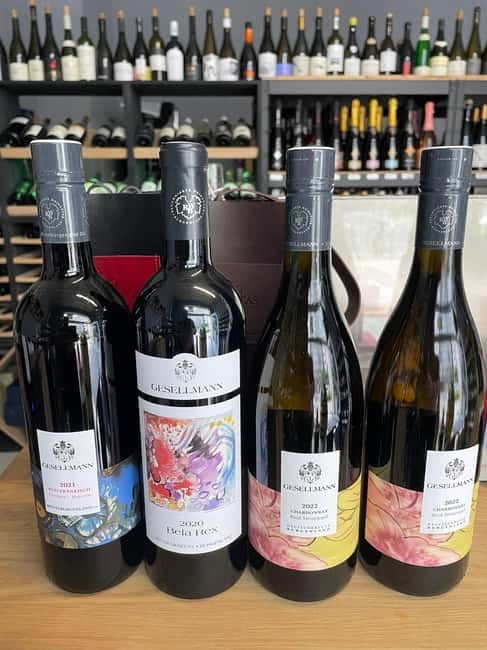
• Taste Austrian wine across major regions, not just one style
• Learn how to read the logic behind Austrian classifications like Steinfeder, Federspiel, and Smaragd
• Try standout examples such as Wiener Gemischter Satz and mineral-driven Blaufränkisch
• Discover why cool climate and steep slopes matter for South Styria Sauvignon Blancs
• Get food pairing guidance that works with simple bites like salami, olives, and cheese
A cozy Vienna wine shop, focused on tasting not theater
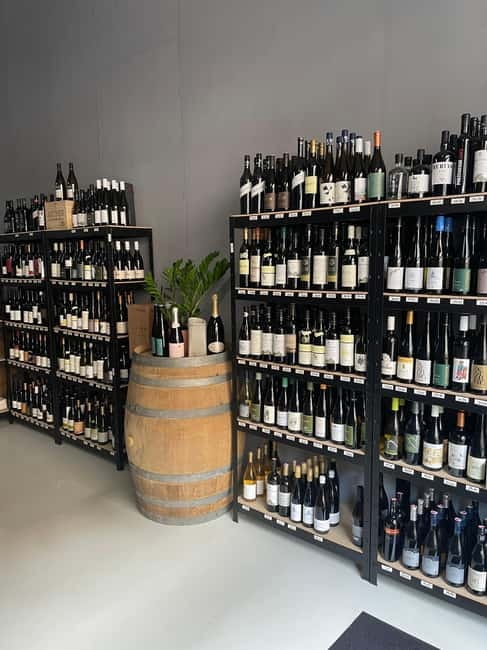
This experience centers on Vienna wine culture in a local wine shop atmosphere. You’re not herded through a checklist. You’re guided through Austria’s wine map, step by step, with a real person leading the pace.
That small group size matters. With up to 8 participants, you can ask questions without shouting. It also keeps the tasting from turning into a frantic pour-and-pass situation.
The vibe is friendly and comfortable. Even if wine is new to you, you’ll get a clear framework. And if you already drink wine regularly, you’ll likely appreciate the structure behind the labels, not just the flavor.
Practical note: transportation to and from the venue is not included. You’ll want a plan for getting to the meeting point, and the easiest approach is to use local transit or a short taxi or ride share.
Other ways to round out a Vienna visit

How the tasting works: eyes, nose, palate, then food
The heart of the session is learning how to taste with all your senses. The goal is simple: you should be able to walk into a wine shop later and understand what you’re looking at.
Here’s the flow you can expect:
First, you’ll do a visual check, looking for basic cues like color and clarity. Then you’ll move to aroma, trying to spot patterns rather than aiming for perfect descriptions. Finally, you’ll taste and connect flavors back to origin and style.
That matters because Austrian wine can look confusing at first. You might see names that sound like they belong on a label from another universe. The guide helps translate those terms into something you can actually taste, like freshness, complexity, aromatics, sweetness, or mineral character.
Food pairing is built into the lesson, with practical tips rather than rigid rules. You’ll be encouraged to think about what the wine does alongside food, and why certain combinations click.
If you’re the type who always says I don’t like wine, this is a good place to start. The structure helps you separate personal preference from misunderstanding.
Wiener Gemischter Satz: the freshness lesson you can taste
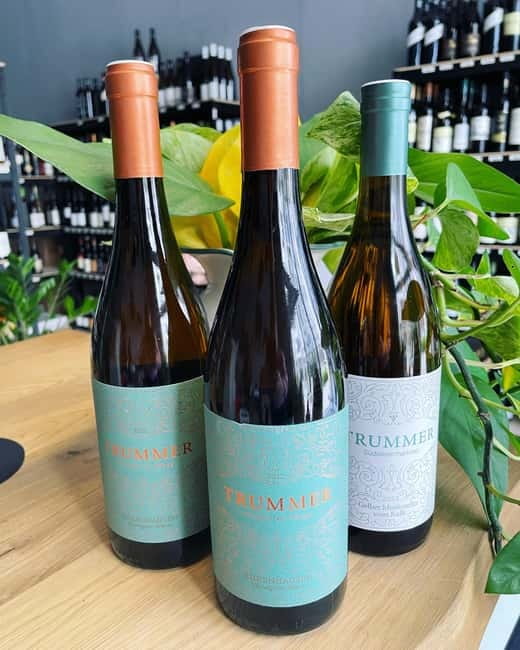
One of the most memorable pours is the Wiener Gemischter Satz, highlighted as legendary for a reason. You’ll taste it as part of the guided journey through Austria’s key wine regions, and the guide explains why this style can feel both fresh and complex.
What I like about this choice is that it gives you a tangible anchor early on. Instead of starting with something sweet or heavy, you get a style tied closely to Vienna’s wine identity. It’s a strong introduction to how Austrian wines can balance aroma with structure.
You’ll also learn that Austria’s geography is part of the flavor story. Even without a vineyard tour outside the city, you’ll connect the dots between the region and what ends up in your glass.
This is a style that can surprise people who assume all Austrian wine is one thing. It’s a reminder that Austria does variety, and often with a specific kind of elegance.
Steinfeder, Federspiel, Smaragd: a cheat sheet for Austrian wine labels
A big part of the experience is understanding classifications: Steinfeder, Federspiel, and Smaragd. The guide walks you through what those categories mean and how they link to the wine style you’re tasting.
The explanations also cover the influence of the Danube and soil structures. That’s helpful because these categories can feel like jargon if you only see them on a menu. In this session, you’ll learn the logic behind them, so the next time you spot the names, you’ll have context for what to expect.
Why this is valuable for you: it turns a label into a map. Instead of guessing, you’ll know what questions to ask yourself while you sip, like whether you’re looking for lighter freshness versus more intense character.
It also keeps the tasting practical. You’re not just collecting new wine words. You’re building a way to interpret what you taste and what you see.
Beyond the palaces, the city keeps its own rhythm of coffee, concerts, and day trips nearby.
- Vienna: Vivaldi’s Four Seasons Concert in Karlskirche★ 4.7 · 14,951 reviews
- Vienna: Schönbrunn Palace & Gardens Skip-the-Line Tour★ 4.7 · 7,739 reviews
- Vienna: Light of Creation Votive Church Immersive Light Show★ 4.8 · 6,779 reviews
- Vienna Spanish Riding School Guided Tour★ 4.7 · 6,765 reviews
South Styria Sauvignon Blancs: cool climate and steep slopes
Next comes a region-focused lesson on aromatic Sauvignon Blanc styles in South Styria. The guide explains why the climate and vineyard terrain matter, including the cool conditions and steep slopes.
This is where many people get a real Aha moment. Sauvignon Blanc can taste very different depending on place. Here, you’re not just tasting a grape. You’re tasting the effect of cool climate and altitude-like conditions, plus the way slopes affect growing conditions.
And because you’re guided, you’ll learn how to describe aromatics beyond basic terms. You’ll likely pay more attention to the aroma stage, then confirm your guesses at the palate.
If you like crisp whites, this portion is likely to feel rewarding. It’s a chance to taste aromatics with intention, then connect the style back to the reason it exists.
Neusiedler See: sweet wine, fruity reds, and the Pannonian flavor shift
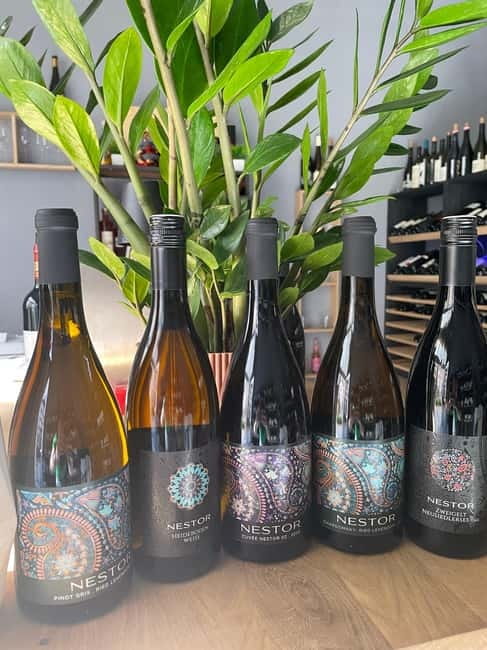
The session also covers Neusiedler See, presented as a sweet wine paradise and a red wine region. You’ll taste through both ends of the spectrum, from fruity Blaufränkisch to noble sweet Trockenbeerenauslesen.
This matters because Austrian wine lovers often get stuck in one lane. You might come for reds or you might come for whites. Here, you get a broader education in a short time, and you can decide what you want to chase on your next trip.
The guide also connects these wines to the Pannonian climate. That helps you understand why this region can produce such distinct profiles, especially when sweetness enters the conversation.
If you’re new to sweet wines, don’t worry. The lesson structure helps you taste and assess rather than simply judge. If you love sweetness, this portion gives you names and styles to remember when you’re shopping later.
And if you’re a red wine person, Blaufränkisch is a star you’ll want to keep on your radar. The guide frames it in a way that makes it feel less like a random grape and more like a signature Austrian choice.
Blaufränkisch and mineral character: iron-rich soils and spiciness
One of the most specific takeaways is the idea of mineral Blaufränkisch. The guide points to iron-rich soils and how they can give the wine unmistakable spiciness and structure.
This is a great teaching moment because it shifts you from guessing based on flavor alone. You start to connect taste sensations with real-world causes, like soil and site character.
Why you’ll like this part: it gives you a framework for future tasting. You might not know every detail about every vineyard, but you’ll start noticing structural traits, like spiciness, firmness, and how the wine feels on the palate.
That kind of learning sticks. It also makes it more fun to order wine in restaurants because you’re no longer reading the menu like a translation project.
Pairing wines with food: salami, olives, and cheese made sense
A practical highlight is how pairing fits the lesson. You’ll get pairing tips while sampling, and some of the bites used include salami, olives, and cheese.
The best part is that the pairing is not just about matching flavors. It also teaches you what to notice. Does the wine feel more refreshing after the food? Does the aroma get clearer? Does sweetness seem more obvious? These small observations help you build your own instincts.
If you’ve ever found that wine and food pairings feel random, this is a way to turn them into a simple experiment. Then you can recreate the logic at home using whatever you can find.
For you, this is also a budget plus. Instead of spending money only on bottles, you learn how to get more enjoyment out of what you eat anyway.
Value at 81 dollars for a 2 hour lesson
At $81 per person for about 2 hours, the value comes from three things:
You get multiple wines from major Austrian regions, not a single limited tasting flight. You get guided explanations tied to what you taste, including classifications and the role of geography. And you get food pairing tips that help you use the knowledge right away.
Could you buy wine cheaper on your own? Sure. But this experience buys you time with an expert guide and turns that wine into understanding. In a city where you can easily spend hours wandering without a plan, a focused two-hour session can be the smarter spend.
Also, small group size gives you better access to questions. That’s harder to find in larger tastings.
One more note: wine purchases are not included. That means you can taste freely without pressure, then decide later if you want to take bottles home. It also means the experience keeps its teaching focus rather than turning into a sales pitch.
Meeting at Weinrudi, what to bring, and the simple rules
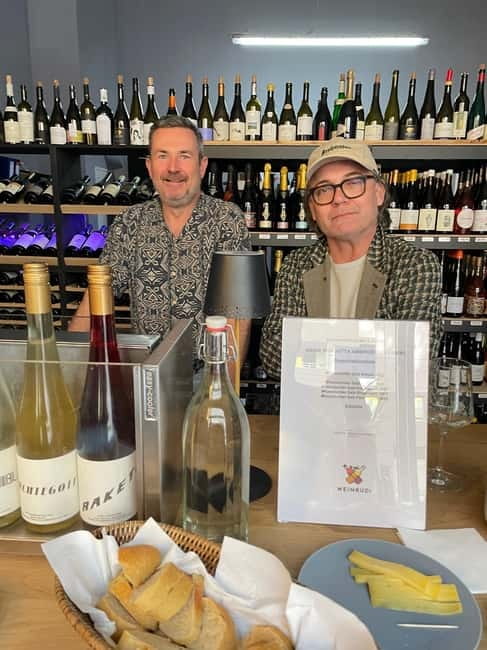
The meeting point is at the shop, where the host waits in the shop. The provider is Weinrudi, so plan to arrive a bit early, then look for the guide at the store entrance.
Bring:
• Comfortable shoes
• Water
• A camera
The session includes tastings, so water is a smart move. Comfortable shoes help because you might stand while viewing labels and glasses.
Not allowed: smoking.
You should also know:
Participants must be at least 18 years old.
And a quick reality check: there’s a mismatch in the provided accessibility notes. Wheelchair accessibility is listed, but a separate section says the experience is not suitable for wheelchair users and people with mobility impairments. If mobility is part of your planning, contact the provider directly before booking and ask what the setup is like.
Should you book Taste Austria the ABCs of Wine?
Book it if you want a compact, structured introduction to Austrian wine. You’ll get a clear tour across regions, plus the tasting skills that help you order with confidence after the session. The guide, Rudi, is repeatedly praised for keeping the atmosphere welcoming and for explaining each wine with real enthusiasm.
Skip or reconsider if you want a full day of touring, or if you’re looking for an activity that mainly happens outdoors. Also be careful with timing and health, because people with a cold are listed as not suitable.
If you fall somewhere in the middle, and you like wine but want a better grasp of what you’re actually tasting, this is one of the most efficient ways to get it in Vienna.
FAQ
How long is the wine tasting?
It lasts about 2 hours.
How many people are in the group?
The group is small, limited to 8 participants.
What languages are offered?
The live guide offers English, Portuguese, and German.
Where do we meet?
You meet at the shop, where the host waits in the shop (meeting point listed as Er wartet im Shop).
What’s included in the price?
The price includes a guided wine tasting session, an introduction to Austrian wine regions and varieties, food pairing tips, and expert wine knowledge sharing.
Is transportation included?
No, transportation to and from the venue is not included.
What should I bring?
Bring comfortable shoes, a camera, and water.
Is this tour suitable for everyone, including wheelchair users?
The information provided includes wheelchair accessibility, but it also lists that the experience is not suitable for wheelchair users and people with mobility impairments. It also lists restrictions like under 18, pregnant women, and people with a cold, so it’s best to check directly with the provider before booking if you have any concerns.
Latest Additions
- Wachau Valley Private Wine Tour with Tasting and Gourmet Lunch
★ 5.0 · 1 review - Vienna: Danube Valley Tour with Melk, Dürnstein with wine tasting and boat.
★ 5.0 · 1 review - Private city tour in Vienna
★ 5.0 · 1 review - Hallstatt Small Group Day Trip from Vienna
★ 3.0 · 1 review - Inside Freud’s Mind: Self-Guided Mystery Walk in Vienna
★ 4.0 · 1 review - Private Transfer from Vienna to Prague
★ 5.0 · 1 review - Vienna’s Christmas Market Magic Tour
★ 5.0 · 1 review
Wine Tours, compared.
Wachau Valley Wine Tasting Bike Tour from Vienna
Read our review →
Grape Grazing: Wachau Valley Winery Biking Tour
Read our review →
Wine Tasting Experience in a Private Wine Cellar
Read our review →
Schlumberger Wine Cellar Guided or Self-Guided Tour
Read our review →Browse the lists this tour appears in