
Reviewed · CLASSICAL CONCERT TICKETS
Vienna: Romantic Classics Piano, Violin, and Cello Concert
Moonlight Sonata sounds better up close. This Vienna Mozarthaus concert in the Romantic Classics series puts you near the performers, with excellent acoustics and eye-catching Sala Terrena frescoes. The main thing to consider is that the venue is small, so if you end up in the back you will trade a bit of closeness for a wider view.
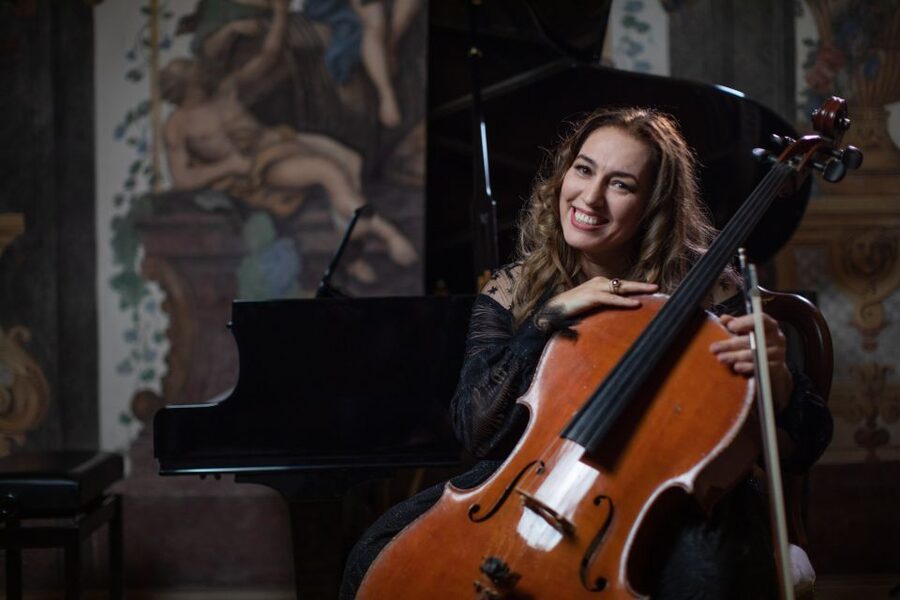
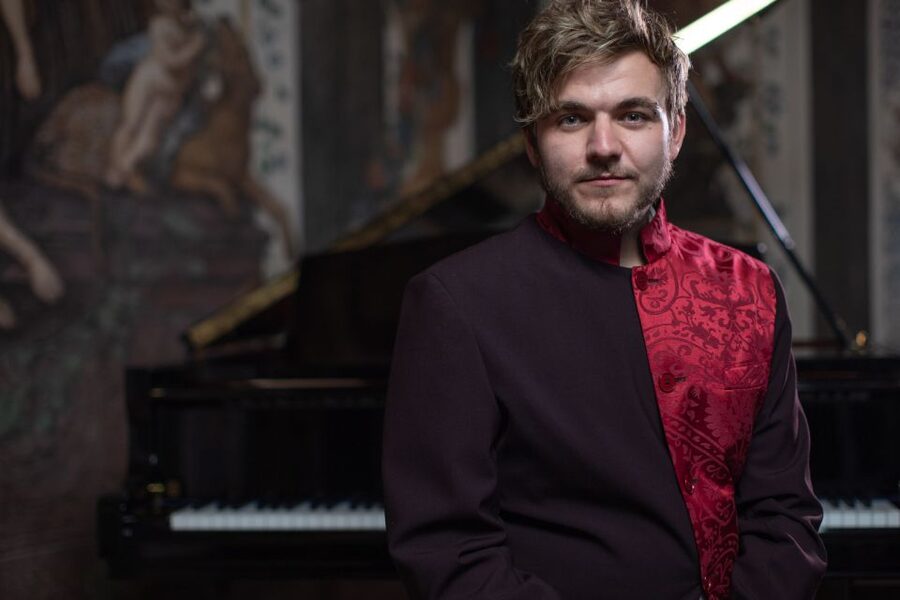
For 90 minutes, you get a crowd-pleasing mix of Beethoven, Chopin, Mozart, Schubert, Brahms-adjacent favorites, Liszt, and more, performed by standout soloists including violinist Claudio Bentes, pianist Dushan Sretovic, and soloist Teodora Miteva. It is also easy to reach on foot if you are starting near St. Stephen’s Cathedral, just plan for a short walk and arrive early so you are settled before the music starts.
In This Review
- Key Highlights to Know Before You Go
- A 90-Minute Romantic Classics Program in Vienna
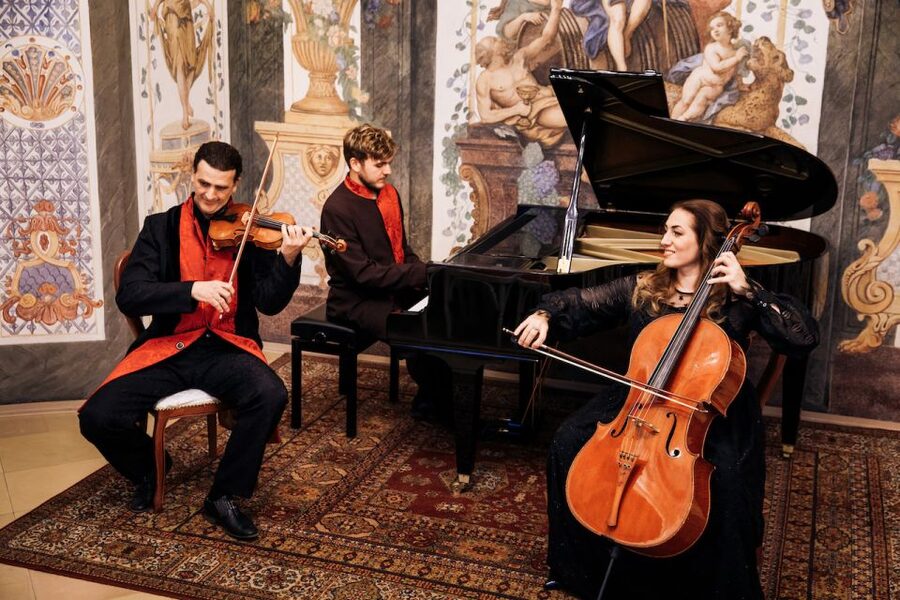
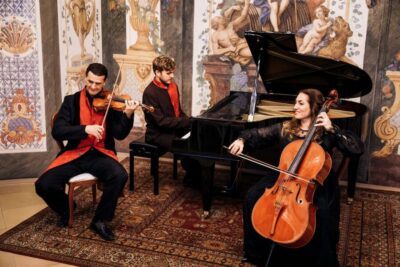
- The Mozarthaus Room and Sala Terrena Frescoes
- What You Hear: Beethoven, Chopin, Mozart, Liszt, Schubert, and More
- Haydn and the Opening Mood Shift
- Beethoven Moonlight Sonata and the Power of Quiet
- Mozart’s Playful Moment
- Beethoven Sonate Op. 2, Then Romantic Virtuosity
- Chopin Etude and the Feel of Fingerwork
- Bach and the Cello Voice
- Paganini Caprice 13 and the Edge of Drama
- Saint-Saëns The Swan and Massenet’s Thais
- Schubert’s Trio in E-flat Major, Op. 100
- The Musicians: Claudio Bentes, Dushan Sretovic, and Teodora Miteva
- Choosing Seats: Student, Back Row, or Closer to the Performers
- Getting to the Concert Near St. Stephen’s Cathedral
- Value Check: Is $69 for 90 Minutes Worth It?
- A Small Detail That Can Matter: Break Setup and Restrooms
- Who Should Book This Vienna Classical Concert
- Should You Book This Romantic Classics Concert?
- FAQ
- How long is the Vienna Romantic Classics concert?
- How much does it cost?
- Where is the meeting point?
- How far is the venue from St. Stephen’s Cathedral?
- What time should I arrive?
- Who presents the concert?
- What languages are used by the host or greeter?
- Is the venue wheelchair accessible?
- What is included with the ticket?
- Is free cancellation available?
- Can I reserve without paying right away?
Key Highlights to Know Before You Go
- Intimate Mozarthaus acoustics that keep even soft passages clear
- Sala Terrena frescoes that make the space feel special without distracting from the music
- A star-studded program spanning Beethoven, Chopin, Mozart, Liszt, Schubert, Paganini, and more
- Up-close performance options (student tickets, back row, and closer seating)
- Short and satisfying 90 minutes focused on music, not ceremony
- Coat handled with an on-site cloakroom
A 90-Minute Romantic Classics Program in Vienna
This is the kind of concert I like in Vienna: focused, stylish, and built around the kind of classical hits you actually recognize. You are not stuck for hours in a grand waiting game, because the total duration is 90 minutes and the program flows through big emotions and virtuoso moments.
You also get the benefit of a room designed for listening. In a smaller venue, details matter, and the balance between piano, violin, and cello becomes easier to follow. If you have ever wished a concert felt more like chamber music than a distant spectacle, this is a strong match.
A night of Mozart or Strauss


The Mozarthaus Room and Sala Terrena Frescoes
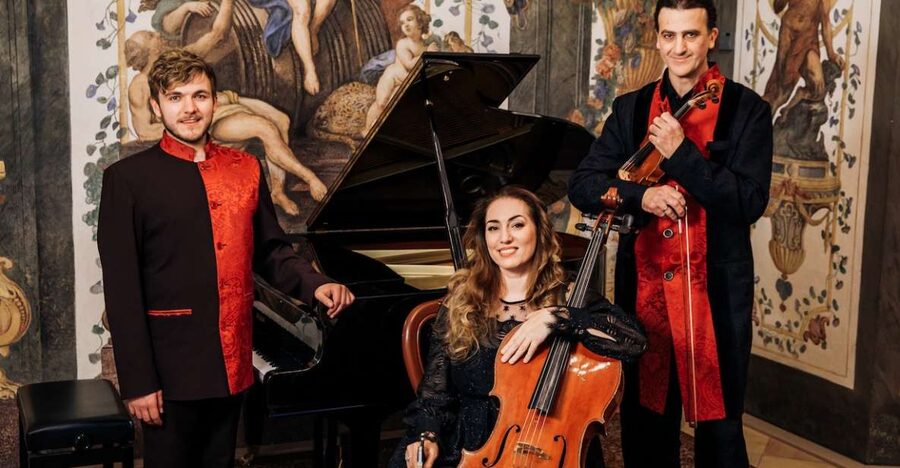
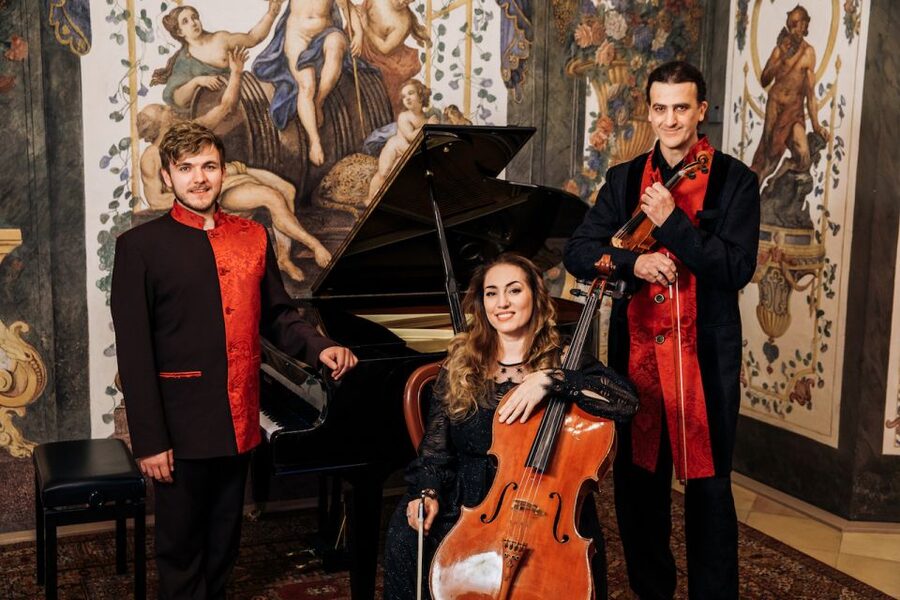
The setting is part of the experience. This concert takes place at Concerts in the Mozarthaus, and the Sala Terrena is known for its beautiful, expressive frescoes that add atmosphere without turning the evening into a sightseeing detour.
From a practical angle, frescoes and ornate walls can be a distraction in the wrong kind of room. Here, it works because the concert is staged in a way that keeps your attention on the musicians, especially during the quieter sections. The result is that you feel surrounded by art while still hearing every note with clarity.
And yes, the venue is relatively small. That small scale is also why the acoustics get such strong praise. The best part of a small hall is how it handles dynamics: gentle playing stays gentle, and expressive crescendos land without turning harsh.
What You Hear: Beethoven, Chopin, Mozart, Liszt, Schubert, and More
The best way to describe the program is variety with a romantic spine. It moves through famous works and smaller favorites that still feel instantly musical, so you are never waiting too long for a recognizable melody.
Here is how the night is structured, piece by piece, and what it means for your listening experience.
Haydn and the Opening Mood Shift
The evening starts with J. Haydn’s Trio all’ungarese (Hob XV:25). Haydn is not the usual first composer people picture for a Romantic Classics night, but that is exactly why this start works. The trio begins with a lively Andante-Poco Adagio-Finale Rondo feel, and it sets up the rest of the concert by putting variety in motion early.
If you are arriving with a basic love of classical music, you will appreciate this opening because it wakes up the ear. If you are a more careful listener, you will notice how the performers set tone and blend before the big names kick in.
Beyond the palaces, the city keeps its own rhythm of coffee, concerts, and day trips nearby.
- Vienna: Schönbrunn Palace & Gardens Skip-the-Line Tour★ 4.7 · 7,739 reviews
- Vienna: Light of Creation Votive Church Immersive Light Show★ 4.8 · 6,779 reviews
- Vienna Spanish Riding School Guided Tour★ 4.7 · 6,765 reviews
- Vienna: Hallstatt Day Trip with Boat Ride Option★ 4.7 · 6,311 reviews
Beethoven Moonlight Sonata and the Power of Quiet
Then comes the part most people came for: Beethoven’s Moonlight Sonata (Adagio). This movement lives on contrast. In a room with strong acoustics, it is not just a famous title, it is a test of control.
This matters because in less focused venues, quiet passages can blur. Here, the intimate setting helps the soft playing stay readable, so you can hear phrasing, breath-like pauses, and the emotional pacing that makes Moonlight Sonata so effective.
Mozart’s Playful Moment
After Beethoven gets contemplative, W. A. Mozart provides a lighter, slightly playful diversion with La tartine de beurre, also presented as Das Butterbrot. Having Mozart near the middle is smart programming. It refreshes your attention before the concert grows more intense again.
It also reminds you that Mozart is not only polished elegance. This kind of piece tends to feel human, like a wink, and it keeps the evening from turning too heavy.
Beethoven Sonate Op. 2, Then Romantic Virtuosity
Beethoven returns with Sonate op. 2 (Allegro con brio), and that is a classic setup for energy. Expect momentum, clean articulation, and a more forceful emotional color compared with the Adagio you heard earlier.
Then the program leans into virtuosity with Liszt’s Un sospiro and Chopin’s Nocturne in c minor (op. 48/1). These pieces are not just hard, they are expressive. They ask the performers to balance lyrical singing lines with delicate technical control.
Chopin Etude and the Feel of Fingerwork
Chopin’s Étude op. 10/1 in C Major brings the keyboard style into sharper relief. You get the feeling of mechanism, but the point is still musical. In a good performance, etudes are not just proving skill, they are turning patterns into emotion.
If you love hearing how pianists build tone, you will probably enjoy this section the most. It is also a good bridge between the romantic melodies and the more dramatic instrumental moments later in the program.
Bach and the Cello Voice
The music shifts to the cello with Bach’s Cello Suite in G Major (BWV 1007, Allegro). Bach suites can sound both structured and intimate, and the cello line brings a warm, grounded layer that makes the concert feel fuller.
For your experience, this matters because it breaks up the dominance of piano and violin harmony. You also get contrast in timbre, which keeps listening fatigue low.
Paganini Caprice 13 and the Edge of Drama
Next is Paganini’s Caprice 13, a piece known for its showmanship and technical edge. It can feel like lightning when it is played with control.
In a small hall, this is where the performers really get to impress. You can hear the clarity of notes even when the music gets fast and decorative.
Saint-Saëns The Swan and Massenet’s Thais
After the fireworks, the program turns lyrical again with Saint-Saëns, The Swan and then Massenet’s Thais, Meditation. These are classic “heart-on-sleeve” pieces for a reason.
If you like emotion in a concert setting, this is a great stretch of the program. It is also where the venue’s acoustics pay off, because graceful lines tend to show the quality of tone more clearly than loud passages.
Schubert’s Trio in E-flat Major, Op. 100
The final movement you hear is Schubert’s Trio in E-flat Major, Op. 100 (Andante con moto). Schubert endings often feel like a slow smile at the end of a long thought.
Ending with Schubert makes sense for a romantic program. It leaves you with warmth and motion, not just a final musical stamp.
The Musicians: Claudio Bentes, Dushan Sretovic, and Teodora Miteva
This concert is presented around major performers, not just a rotating roster. Violinist Claudio Bentes leads the evening, and the spotlight also includes pianist Dushan Sretovic, who is described as a multiple award-winning piano virtuoso and known for regular appearances on international stages, with a focus on Chopin interpretations. Soloist Teodora Miteva also takes part and is described as having won numerous international competitions.
Why that matters to you is simple: when you hear musicians who specialize in a composer or style, the interpretation feels intentional. It is not random “pretty playing.” You get choices in phrasing, tempo, and dynamics that make the music feel like it is telling a story rather than just demonstrating skill.
Choosing Seats: Student, Back Row, or Closer to the Performers
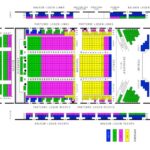
You get different ticket options, including student tickets, back row tickets, and options closer to the performers. If you care about how it feels to watch hands and bow technique, choose closer seating.
The venue being small is a double-edged sword. The good side is that acoustics stay strong and the atmosphere feels personal. The trade-off is that back row seating can feel less intimate. You will still hear the music, but you will feel less connected to what the performers are doing physically.
If you are the type who wants the best sound and the most emotional connection, closer seating is the way to go. If you are trying to save money and just want the classic works in a pleasant room, student or back row tickets can still be a solid value.
Getting to the Concert Near St. Stephen’s Cathedral
Logistics are easy because the venue is about 150 meters from St. Stephen’s Cathedral. That is a short walk, which is ideal when you do not want to stress about transit before a concert.
Plan to arrive 15 minutes early. The meeting point is at the gate at Deutschordenskirche, where you will also find a poster stand for concerts at Mozarthaus. Going early also gives you time to check the room, handle your coat, and settle in without feeling rushed.
Inside, there is a cloakroom, which is a nice touch in Vienna when your evening outfit includes a coat you want to keep track of.
Value Check: Is $69 for 90 Minutes Worth It?
At $69 per person for 90 minutes, you are paying for a concert experience that focuses on performance quality and listening comfort. You are not paying for a big sightseeing production, and you are not stuck with a long program.
In my view, the value depends on your priorities. If your priority is comfort, good sightlines, and the ability to hear details, this is a reasonable price for Vienna. The venue’s strong acoustics and the intimate, close-to-the-musicians feel make the ticket feel less like a transaction and more like a carefully staged evening.
If your priority is a long evening with lots of extras, you might feel this is short. But that is also the point. The program is designed to keep you focused on the music, and the length matches the venue and repertoire.
A Small Detail That Can Matter: Break Setup and Restrooms
Two practical points can affect how smooth your evening feels.
First, there is a cloakroom, so you are set for coats. Second, at the break, refreshments are handled with a cash-only setup outside, and there is mention that one drink is included, which can reduce the awkwardness if you do not want to manage everything yourself.
Restrooms are available, but there is also feedback that toilets could use better signing and that it felt a bit misplaced that refreshments were not part of the same area. None of this ruins the concert, but if you hate any waiting or wandering in a new building, give yourself a little extra buffer time.
Who Should Book This Vienna Classical Concert
This is a great fit if you:
- Love the big names, Beethoven and Chopin, and want them in a single evening
- Appreciate chamber-style closeness and clear acoustics
- Want a romantic, listening-first atmosphere rather than a party vibe
- Like a program that balances quiet intimacy with showy virtuosity
It may be less ideal if you want a huge venue, a long intermission experience, or if you dislike short concerts.
If you are traveling as a couple, this has that date-night feel, thanks to the setting and the selection of romantic classics. It also works for solo travelers who want a calm, cultured evening without complicated planning.
Should You Book This Romantic Classics Concert?
Yes, if you want a high-impact Vienna evening that is all about music, not logistics. The strongest reasons to book are the intimate Mozarthaus acoustics, the beautiful Sala Terrena setting, and the solid mix of Beethoven’s Moonlight Sonata, Chopin’s lyrical writing, Mozart’s lighter touch, and romantic virtuoso favorites.
Choose closer seating if you can, because this kind of music rewards attention to detail. If you are okay trading a bit of closeness for a better price, the other ticket categories still keep you in the game.
If your only concern is break comfort or restroom signage, that is not a dealbreaker, but it is worth knowing so you do not feel surprised when you want a quick drink.
FAQ
How long is the Vienna Romantic Classics concert?
The concert lasts 90 minutes.
How much does it cost?
The price is $69 per person.
Where is the meeting point?
You enter the gate at Deutschordenskirche, where you will also see a poster stand for concerts at Mozarthaus.
How far is the venue from St. Stephen’s Cathedral?
The concert venue is about 150 meters from St. Stephen’s Cathedral.
What time should I arrive?
Arrive 15 minutes before the concert starts.
Who presents the concert?
It is presented by Concerts in the Mozarthaus.
What languages are used by the host or greeter?
English and German.
Is the venue wheelchair accessible?
Yes, it is wheelchair accessible.
What is included with the ticket?
A cloakroom and the concert.
Is free cancellation available?
Yes, you can cancel up to 24 hours in advance for a full refund.
Can I reserve without paying right away?
Yes, you can reserve now and pay later.
Latest Additions
- Wachau Valley Private Wine Tour with Tasting and Gourmet Lunch
★ 5.0 · 1 review - Vienna: Danube Valley Tour with Melk, Dürnstein with wine tasting and boat.
★ 5.0 · 1 review - Private city tour in Vienna
★ 5.0 · 1 review - Hallstatt Small Group Day Trip from Vienna
★ 3.0 · 1 review - Inside Freud’s Mind: Self-Guided Mystery Walk in Vienna
★ 4.0 · 1 review - Private Transfer from Vienna to Prague
★ 5.0 · 1 review - Vienna’s Christmas Market Magic Tour
★ 5.0 · 1 review
Classical Concert Tickets, compared.
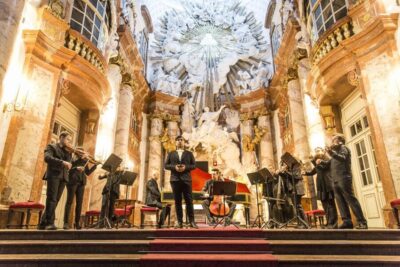
Vivaldi’s Four Seasons Concert in Karlskirche
Read our review →
Classical Concert in the World-Famous Musikverein
Read our review →
Mozart Concert at the Musikverein – Golden Hall
Read our review →
Classical Concert in St. Anne’s Church (Annakirche)
Read our review →
Vienna Classical Concert at St. Peter’s Church
Read our review →Classical Concert in St. Anne’s Church (Annakirche)
Read our review →Browse the lists this tour appears in