
Reviewed · BELVEDERE PALACE TOURS
Vienna: Private Tour of Austrian Art in the Belvedere Palace
Vienna can feel like a living textbook. This private Belvedere Palace tour turns that feeling into something you can actually follow, from art style to Austrian ideas. I especially love how you get guided context for big-name works, so you are not just moving from room to room.
What I like most is the combination of skip-the-line entry and an art historian guide, which keeps your time tight and your focus sharp. One thing to consider is that 150 minutes is focused and fairly fast, so if you love lingering for long stretches, you may want extra time on your own after the tour ends.
In This Review
- Key highlights worth booking for
- Belvedere Palace: where Viennese art makes sense fast
- The meeting point that keeps your morning from melting down
- Entering the Austrian Gallery with skip-the-line timing
- What the art historian guide actually does for you
- Gothic, Baroque, Art Nouveau, and why the mix matters
- Klimt’s masterpieces: more than postcards
- Schiele’s intensity: how the art gets personal
- Waldmüller and the Austrian habit of making tragedy legible
- The palace itself as part of the lesson
- Practical pacing: how the 150 minutes play out
- Who this tour is best for
- Price and value at $235 per person
- Final thought: should you book this Belvedere Palace art tour?
- FAQ
- How long is the Vienna Private Tour of Austrian Art in the Belvedere Palace?
- Where do I meet the guide?
- What ticket advantage is included?
- What will I see during the tour?
- Does the tour include an art historian guide?
- What languages are offered for the live guide?
- Is this tour private?
- Is the tour wheelchair accessible?
- What is the starting point and end point of the tour?
- What are the cancellation and payment options?
Key highlights worth booking for
- Skip-the-line with a time-slot, so you start viewing sooner instead of waiting outside.
- Art historian guidance that connects paintings and sculpture to the ideas Vienna was wrestling with.
- A clear sweep of Gothic, Baroque, and Art Nouveau, not just one style or one artist.
- Iconic masterpieces, including Gustav Klimt’s The Kiss and Judith.
- Psychoanalysis and gender themes discussed through art, including links the guide draws to Vienna’s medical and cultural history.
Belvedere Palace: where Viennese art makes sense fast
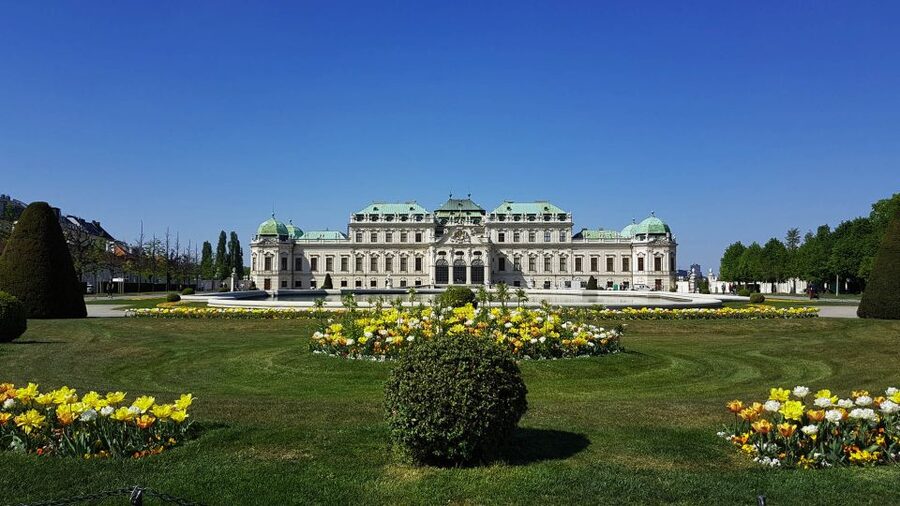
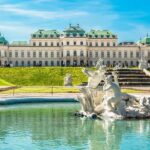
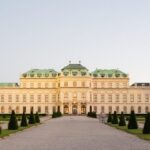
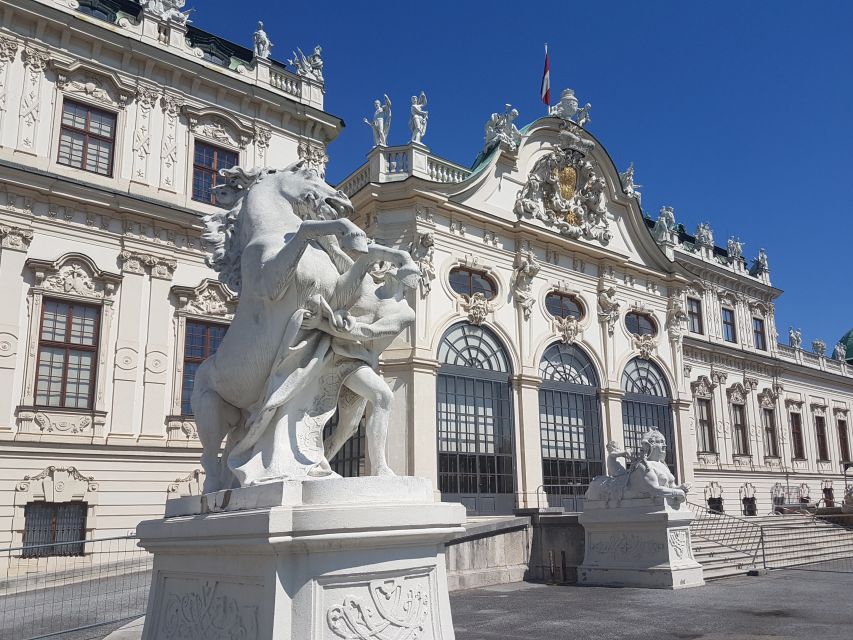
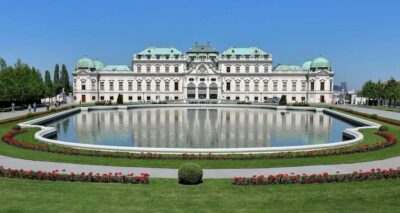
If you only visit Belvedere Palace on your own, you can still have a great time. But if your goal is understanding why Viennese art looks the way it does, this is the smarter approach. The palace itself is about 300 years old, and the setting matters, because the rooms and views help explain the culture that produced these works.
Belvedere also gives you that Vienna “spirit of place” feeling. The idea is not just that art happens in a beautiful building. It’s that the palace, its Baroque interiors, and the way artists framed their subjects create a mood, a mentality, and a set of symbols you start recognizing.
The Kiss, and the palace around it
The meeting point that keeps your morning from melting down
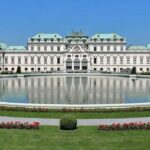
You start at the main entrance of the Belvedere Palace, also called the Upper Belvedere. Your guide waits on the right side if you are facing the palace, which is a detail that saves real time when you arrive and the crowd noise is already high.
Here is the practical tip I would use: if you see a city view in front of you, you are at the right spot. If you only see the palace and garden, walk to the entrance on the opposite side and look for the sign that says Museum entrance.
That matters because this tour is short enough that a few minutes of wandering can cut into the time you actually want inside.
Entering the Austrian Gallery with skip-the-line timing
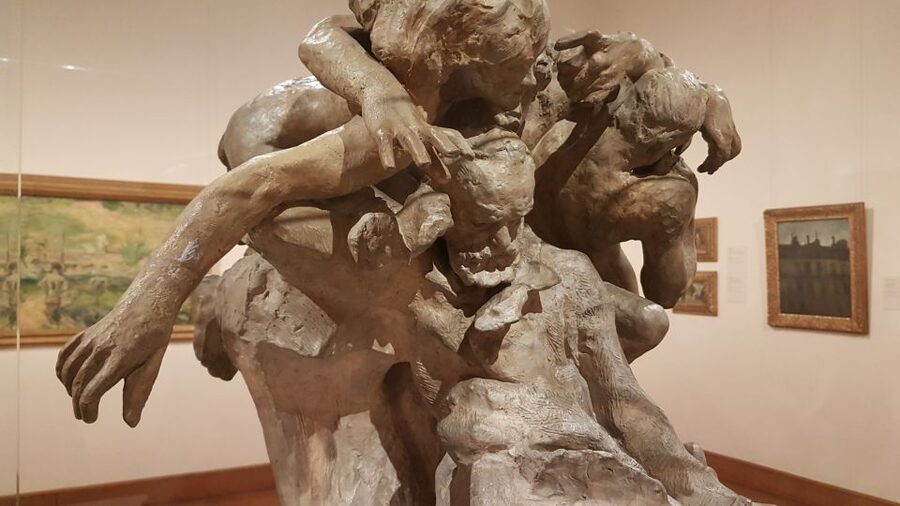
This tour includes skip-the-line tickets with a time-slot, which is exactly what you want at major museums. It reduces the stress part of “museum day,” so you can get into the galleries while your brain still has room for art history.
Once you are in, the pacing is built around your guide’s narrative. You are not just collecting facts. You are watching how the guide connects style and subject matter to Austrian identity and Vienna’s cultural shifts. That makes the experience feel less like a checklist and more like following one clear thread.
The tour runs 150 minutes, which is about right for seeing major works and getting meaningful context without turning it into a full-day endurance event.
What the art historian guide actually does for you
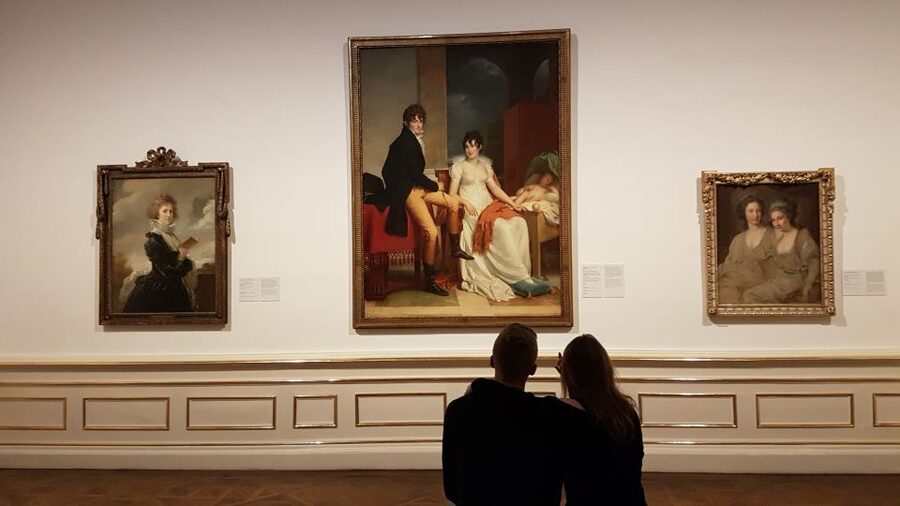
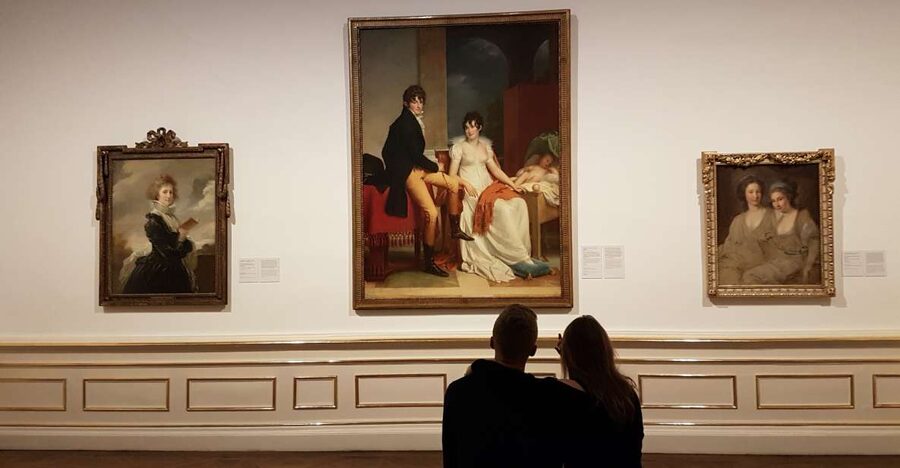
The biggest value here is the way an art historian guide helps you read what you are seeing. The tour is designed around the idea that in art, not much is accidental. Composition, themes, and symbolism are treated like clues, and you learn how to look at them with intention.
I like that the tour does not stop at “this is famous.” It explains why famous works were powerful in Vienna at the time, and what audiences were thinking about, socially and medically. For example, the guide uses Gustav Klimt’s The Kiss and Judith to help you understand why female sexuality became a topic of medical focus in Vienna.
Then it uses Egon Schiele’s Death and the Maiden and Embrace to explain how these themes connect to Vienna becoming the birthplace of psychoanalysis. Whether you know much about psychoanalysis or not, the takeaway is clear: Vienna was obsessed with the inner life, the body, and the psychology of desire, fear, and intimacy, and you can see that pressure reflected in the art.
Have a guide keep the pace
- Vienna: Private Walking Tour with a Local★ 4.6 · 1,446 reviews
- Vienna: Private Walking Tour with a Guide★ 4.7 · 962 reviews
- Private Day Tour Trip Salzburg Hallstatt and Melk from Vienna★ 5.0 · 388 reviews
- Private Day Tour of Hallstatt and Salzburg from Vienna★ 5.0 · 263 reviews
Gothic, Baroque, Art Nouveau, and why the mix matters
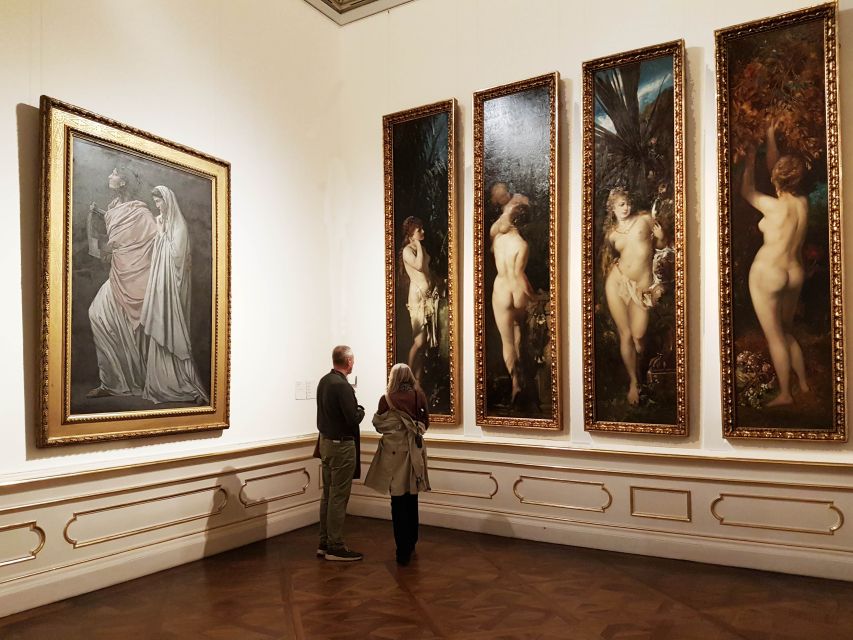
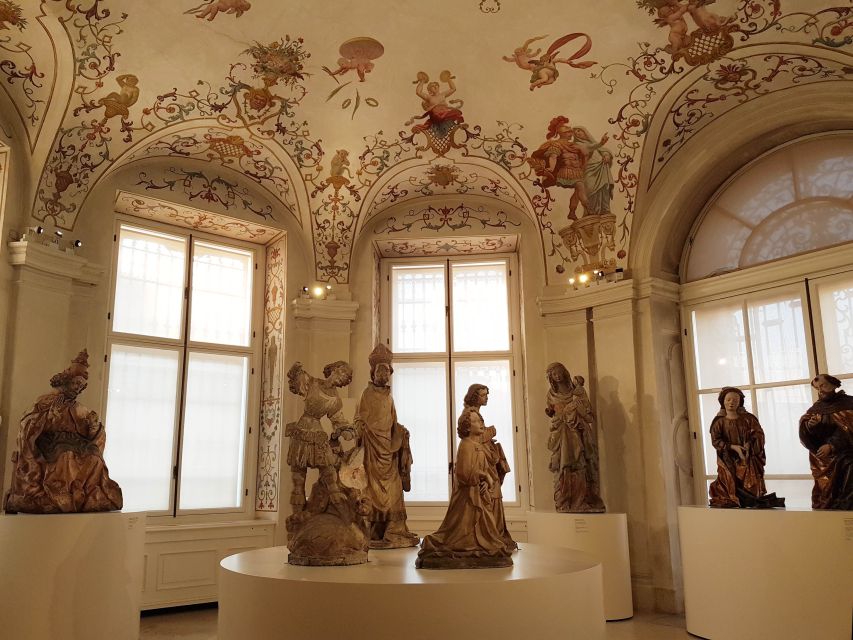
One reason I would choose this tour over a random highlights route is the style coverage. You do not just get Art Nouveau and call it a day. You get Gothic, Baroque, and Art Nouveau, which helps you understand that Austrian art did not evolve in a straight line. It layered traditions, reused symbols, and reinterpreted old formats for new ideas.
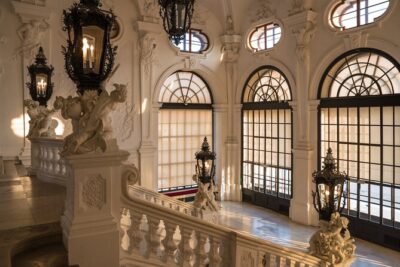
The Baroque part is especially useful because it trains your eye on how power and drama are built into visual language. Belvedere’s historic palace interiors use ancient heroic themes in decoration and portraits of commanders. It’s not there just to look pretty. It shows you the kind of majesty and authority that Austrian culture liked to project.
Then, when you move into later movements, you start noticing how that older sense of grandeur changes shape. It becomes more psychological, more personal, more modern. That shift is one of the most satisfying things about a tour that includes multiple periods.
Klimt’s masterpieces: more than postcards
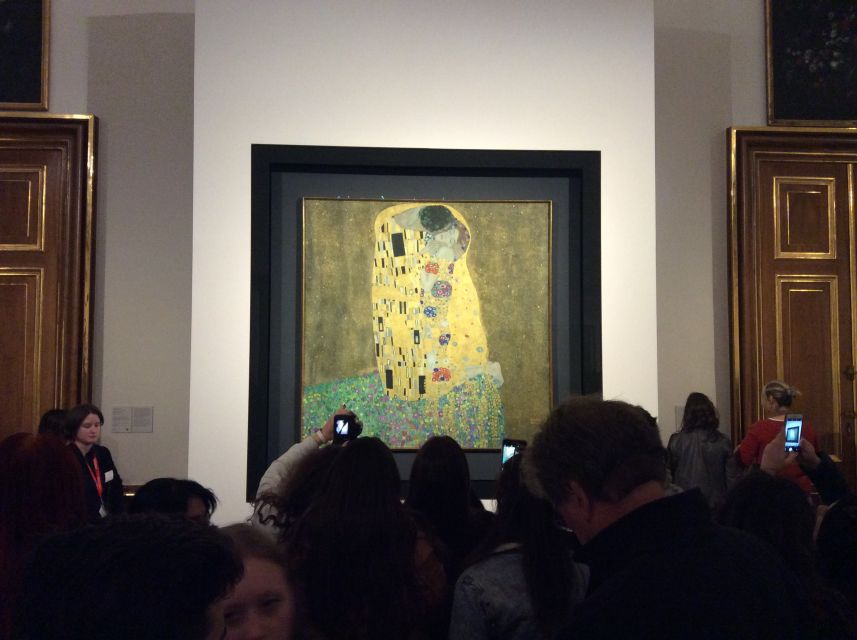
Gustav Klimt is the star you probably already came for, and the tour delivers. You get to see The Kiss and Judith as part of the main flow, which is helpful because these works often become the reason people remember a museum visit. But the guide aims to make you remember what they mean, not just that they are famous.
The tour frames Klimt’s imagery in a broader Vienna context. The emphasis on The Kiss and Judith is tied to themes of desire, sexuality, and how those topics were becoming medically and socially scrutinized. When you hear that context while you are standing in front of the painting, the details start feeling less decorative and more charged.
It’s also a good reminder that Klimt is not only about beauty. He is about tension, attraction, and the boundaries between public image and private longing.
Schiele’s intensity: how the art gets personal
After Klimt, the emotional temperature changes, and that is the point. The guide brings you to Egon Schiele’s Death and the Maiden and Embrace, using them to explain how Vienna’s ideas about psychology formed part of the cultural backdrop for his work.
Schiele’s art often hits people as raw and exposed, but the guided framing helps you understand why it resonated. You see how the city’s fascination with the inner life could translate into visual language that feels direct, even confrontational.
Even if you are not an expert, the tour helps you slow down mentally. You start looking at how figures interact, how closeness works on the viewer, and how emotions are expressed with bodies rather than with speeches and symbols.
Waldmüller and the Austrian habit of making tragedy legible
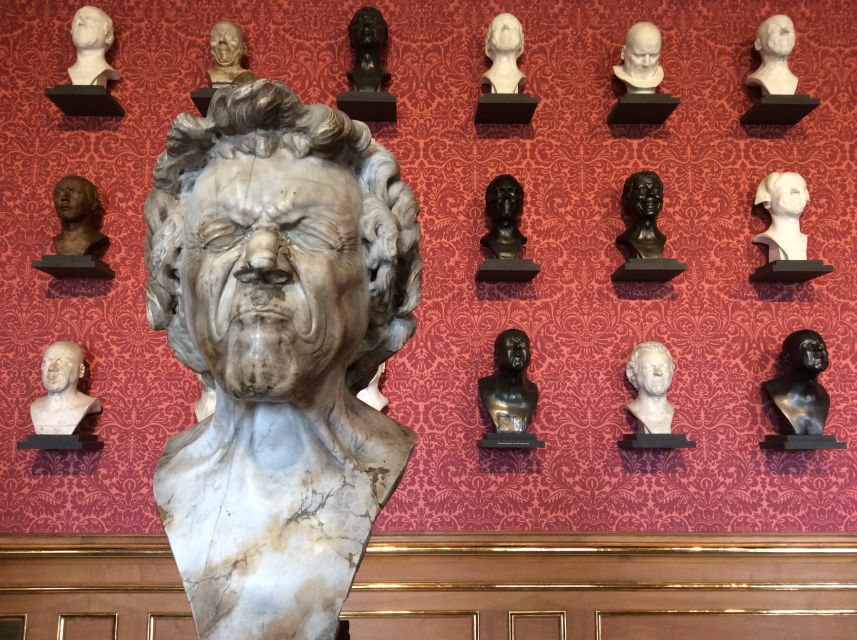
Not every part of the tour is about shock or scandal. Ferdinand Waldmüller shows up to demonstrate another Austrian tendency: turning even tragedy into a well-selling image.
That is an interesting concept because it points to a cultural skill, the ability to package difficult human realities in a way that audiences can grasp. The guide does not present this as pure manipulation. It’s more like explaining a market and a mindset, where art had to communicate with real people, not just impress critics.
When you learn this, you can look at details with fresh eyes. You start asking: what is being made clear, what is being softened, and what is being emphasized so the viewer stays engaged.
The palace itself as part of the lesson
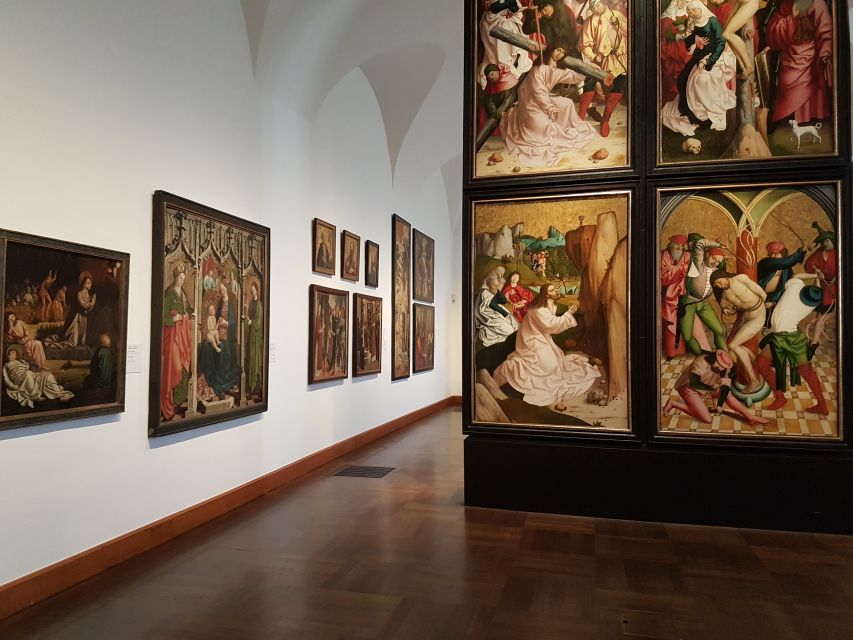
One of the most underrated parts of a museum tour is learning to read the building as an artifact. Here, the palace is not a backdrop. The Baroque interiors, the decoration, and the historic heroic themes all reinforce the tour’s bigger message about Austrian identity.
I like this approach because it helps you connect the art to the environment it lived in. If you have only ever treated museums as storage rooms for masterpieces, Belvedere with a guided story feels different. The palace becomes part of the meaning, not just where the meaning is stored.
And you get historic views of Vienna as well, which gives your brain a quick reset before you continue inside.
Practical pacing: how the 150 minutes play out
This is a 2.5-hour guided session that stays concentrated on major works and the galleries at the Austrian Gallery Belvedere. That is a benefit if you have limited time, or if you want a “greatest hits with context” approach.
The trade-off is speed. You will see a lot, but you will not do deep, room-by-room slow reading of every small piece. If your ideal museum day involves long quiet time in front of just one painting, you should plan a little extra independent wandering after the tour.
Still, the guided structure is what makes this tour worth paying for. Without that structure, Belvedere can feel vast.
Who this tour is best for
I think this tour is a strong match for you if:
- You want to understand Austrian art ideas, not just collect facts.
- You like major names, especially Klimt and Schiele.
- You are curious about how Vienna became associated with themes like psychoanalysis and medical focus on sexuality.
- You prefer a private format, so your pace and questions can fit your style.
It may be less ideal if you want a very slow museum experience or if you are trying to see every single artwork in Belvedere in one go.
Price and value at $235 per person
At $235 per person for a 150-minute private tour, the price is not “impulse cheap.” You are paying for two things that are hard to replicate on your own: the art historian guide and the skip-the-line time-slot.
For me, that comes out to practical value. Time is often the real cost on museum days, and skipping the line plus having a guide who helps you interpret what you see means you spend less time guessing and more time understanding.
If you are traveling as a solo visitor or in a small group, the “private” element also matters. You are not competing for attention in a large group tour, and the guide can tailor the pace inside the gallery.
Final thought: should you book this Belvedere Palace art tour?
Book it if you want a focused, meaning-first visit to the Belvedere collection, with an art historian guide who connects artworks to Vienna’s identity and ideas. You will get the big Klimt moments, the Schiele intensity, and the palace setting that helps explain why these works felt at home in Vienna.
Skip it, or plan differently, if you need lots of unscheduled time, or if you prefer to wander and read captions at your own speed with no guided narrative. In that case, you could visit Belvedere on your own, but you would lose the explanations that connect the art to themes like psychoanalysis, sexuality, and the way tragedy gets reshaped for audiences.
If you are trying to make your limited Vienna time count, this one is a smart use of it. You leave with a clearer sense of what Austrian art was responding to, and you can look at the masterpieces and know what to look for next.
FAQ
How long is the Vienna Private Tour of Austrian Art in the Belvedere Palace?
The tour duration is 150 minutes, about 2.5 hours.
Where do I meet the guide?
Meet at the main entrance of Belvedere Palace, also known as the Upper Belvedere. Your guide will wait on the right side of the main entrance when you look at the palace.
What ticket advantage is included?
You get skip-the-line tickets with a time-slot.
What will I see during the tour?
You’ll explore major works across Gothic, Baroque, and Art Nouveau, including Gustav Klimt’s The Kiss and Judith.
Does the tour include an art historian guide?
Yes. The tour includes a live art historian guide.
What languages are offered for the live guide?
The tour is available in English, German, and Russian.
Is this tour private?
Yes, it is a private group experience.
Is the tour wheelchair accessible?
Yes, the tour is wheelchair accessible.
What is the starting point and end point of the tour?
The tour starts and returns to Belvedere Palace.
What are the cancellation and payment options?
Free cancellation is available up to 24 hours in advance for a full refund. You can also reserve now and pay later, with pay nothing today.
Latest Additions
- Wachau Valley Private Wine Tour with Tasting and Gourmet Lunch
★ 5.0 · 1 review - Vienna: Danube Valley Tour with Melk, Dürnstein with wine tasting and boat.
★ 5.0 · 1 review - Private city tour in Vienna
★ 5.0 · 1 review - Hallstatt Small Group Day Trip from Vienna
★ 3.0 · 1 review - Inside Freud’s Mind: Self-Guided Mystery Walk in Vienna
★ 4.0 · 1 review - Private Transfer from Vienna to Prague
★ 5.0 · 1 review - Vienna’s Christmas Market Magic Tour
★ 5.0 · 1 review
Belvedere Palace Tours, compared.
Entry Ticket Upper Belvedere, Klimt’s Kiss & Permanent Collection
Read our review →
Vienna Belvedere Palace Skip-the-line Tour & Official Guide
Read our review →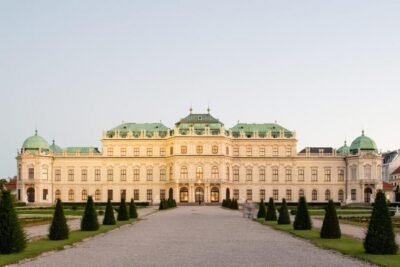
Vienna 3, 4 or 5-Attraction Pass: Schönbrunn, Belvedere, Bus
Read our review →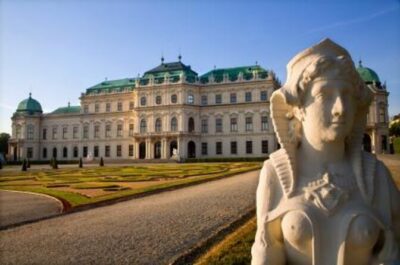
Skip-the-line Upper Belvedere Tickets and Guided Tour Vienna
Read our review →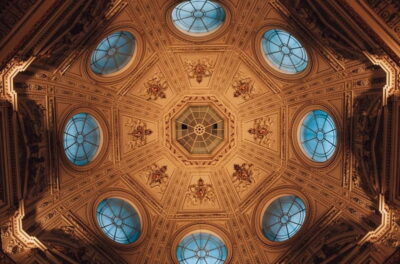
Belvedere Palace & Garden Skip-the-Line Guided Tour
Read our review →
Entry Ticket Lower Belvedere with Orangery & Palace Stables
Read our review →Browse the lists this tour appears in