
Reviewed · JEWISH HISTORY WALKS
Vienna: Private Jewish Walking Tour
Vienna gets a second storyline on foot. This private 2.5-hour walk through Jewish Vienna links names like Salomon to the 1900s, the Holocaust era, and today, with stops such as Café Landtmann and Judenplatz. I like that it is built around ideas, not just locations, and I also love the mix of big cultural landmarks with smaller, human-scale scenes like coffee-house life. One drawback to plan for, it is still a walking tour, so you will want comfortable shoes and a steady pace for the full 150 minutes.
You meet at Helmut-Zilk-Platz in front of the Memorial against War and Fascism, and the guide holds a red and white striped umbrella, so it is hard to miss. The guides listed for this experience, including Lisa, Dr. Reinhard Travnicek, and Horlando, are described as clear and professional, with a style that keeps questions welcome and the story easy to follow. The tour is wheelchair accessible and runs with a private group setup, making it a good choice if you want direct answers instead of rushing past stops.
In This Review
- Key highlights I think you will care about
- Helmut-Zilk-Platz to Judenplatz, the tour’s emotional spine
- From Salomon onward, a timeline you can actually hold
- University of Vienna and the people behind Vienna’s ideas
- Café Landtmann and why Freud’s Vienna still matters
- Palais Ephrussi and the artistic side of public life
- Seitenstettengasse Synagogue and what outside-only visits can teach
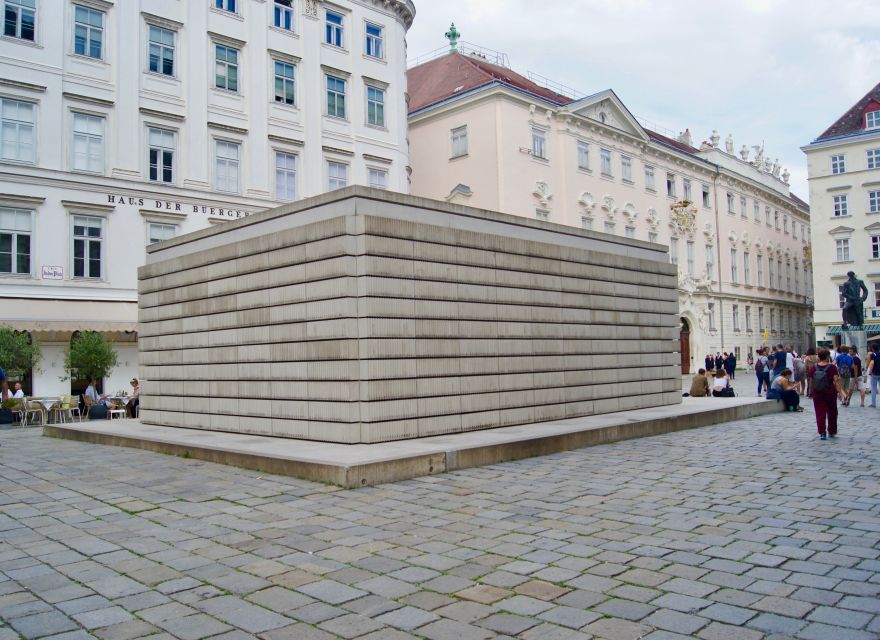
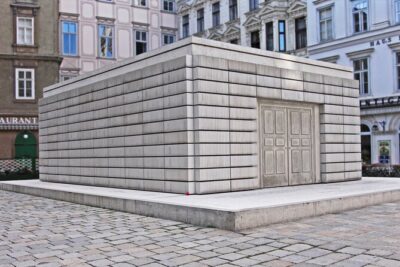
- Judenplatz and Joseph’s Square, memory in public spaces
- Price, private-group value, and who should book
- Should you book this private Jewish walking tour?
- FAQ
- Where is the meeting point for the Vienna private Jewish walking tour?
- How long does the tour last?
- Is this a private tour or a shared group?
- What sites are included on the walking route?
- Which languages does the guide speak?
- Is the tour wheelchair accessible?
- Does the price include hotel pickup and drop-off?
- How much does it cost, and how does payment work?
Key highlights I think you will care about
- Salomon connection first, so you start with Austria’s earliest Jewish presence rather than jumping straight to later events
- Café Landtmann plus Freud context, a classic Viennese setting used to explain how thinkers and everyday life intersect
- Big landmarks, guided meaning, including the University of Vienna and Vienna State Opera, placed in a wider social story
- Judenplatz and Joseph’s Square focus, which helps you connect public space to Jewish public life and suffering
- Seitenstettengasse Synagogue outside only, so you still get the location and setting even if you cannot go inside
- Private format, ideal for pacing the discussion and asking your own questions
Helmut-Zilk-Platz to Judenplatz, the tour’s emotional spine
This tour starts where Vienna forces you to look at the hard parts first, at Helmut-Zilk-Platz in front of the Memorial against War and Fascism. That matters because the rest of the walk is not only about beautiful buildings or famous names. You are also learning how Jewish life in Vienna rose, changed shape, and was later targeted, banned, and destroyed.
Right away, the guide gives you a way to read the city. You are not just doing a checklist. You are learning to connect one stop to the next, which is exactly what a good walking tour should do. And because it is private, the pace feels less like a conveyor belt and more like a guided conversation. The guide holding the red and white striped umbrella at the meeting point is a small detail, but it saves time and stress at the start.
As you move through the city, you also get a practical advantage: major landmarks are close enough to cover within a compact 150 minutes, but the story is still given room to breathe. If you like history that connects people to places, this format will click.
A walk through Vienna's Jewish quarter
From Salomon onward, a timeline you can actually hold
One of the most useful choices here is that the story begins with Salomon, described as the first Jewish person in Austria. That early anchor helps you avoid the common problem in heritage tours, where everything starts in the late 1800s or after. Starting with Salomon gives you a baseline, then later sections can show how Jewish life in Vienna developed over centuries.
From there, the focus turns to the Jewish community in Vienna across the 1900s. This is where the tour connects Jewish presence with the intellectual and cultural patterns that made Vienna famous. You are not only learning political facts. You are learning how artists, doctors, and scientists contributed to public life, and why that mattered to the city’s identity.
Then the narrative takes a darker turn. The tour includes the periods when Jewish people were banished from Vienna, plus the Holocaust era and what it did to the community. Even if you already know the headline-level history, the value of a walking format is that it puts those events in the city’s physical geography. You can point to where life used to be, and where later harm was imposed.
University of Vienna and the people behind Vienna’s ideas
The University of Vienna shows up for a reason. It is not just a pretty facade you pass on your way to somewhere else. This stop helps you connect education and public thought with Jewish participation in Vienna’s modern growth.
When a tour brings the University into a Jewish history walking route, you get a clearer sense of how ideas travel. You see why doctors, scientists, and scholars are not side characters. They help explain why Vienna in the early 1900s felt like a magnet for minds, debates, and new approaches to art and medicine. In other words, you are learning the social machinery behind famous names.
This is also where the guide’s teaching style matters. In the descriptions shared for this experience, guides like Dr. Reinhard Travnicek are singled out for an open, human approach and for historical knowledge presented in a straightforward way. That is exactly what you want here. The University stop can feel abstract if it is explained like a museum label. You are better off with a guide who ties the institution to real community roles.
If you are the type who likes to understand the why behind the what, this section will feel like a turning point.
Café Landtmann and why Freud’s Vienna still matters
Sigmund Freud’s favorite coffee house, Café Landtmann, is one of the most satisfying stops on this tour because it links thought to routine. Vienna is famous for big ideas, but coffee houses are where ideas often mixed with daily life. Having the Freud connection at Café Landtmann helps you picture how conversations happened, how people met, and how thinking could move from private study to public talk.
This stop also works well even if you are not a Freud superfan. The broader point is how Jewish and non-Jewish intellectual life braided together in the city’s cultural rhythm. The tour does not treat Jewish history like a separate island. It places it in the same streets and social spaces where Vienna’s intellectual reputation formed.
One practical plus, you get a clear, memorable landmark to connect to later stops like Judenplatz. It is easier to remember a route when each stop has a specific emotional job. Café Landtmann’s job is to show you the daily texture of intellectual Vienna.
If you want a walking tour that makes you think, not just read, this is the stop to pay extra attention to.
Other ways to round out a Vienna visit
- Vienna: Guided Walking Tour of City Center Highlights★ 4.7 · 4,989 reviews
- Vienna: Vienna Central Cemetery Guided Walking Tour★ 4.8 · 3,307 reviews
- Vienna: Guided Walking Tour of City Highlights & Hidden Gems★ 4.9 · 2,180 reviews
- Vienna: Viennese Underworld Guided Walking Tour★ 4.7 · 1,865 reviews
Palais Ephrussi and the artistic side of public life
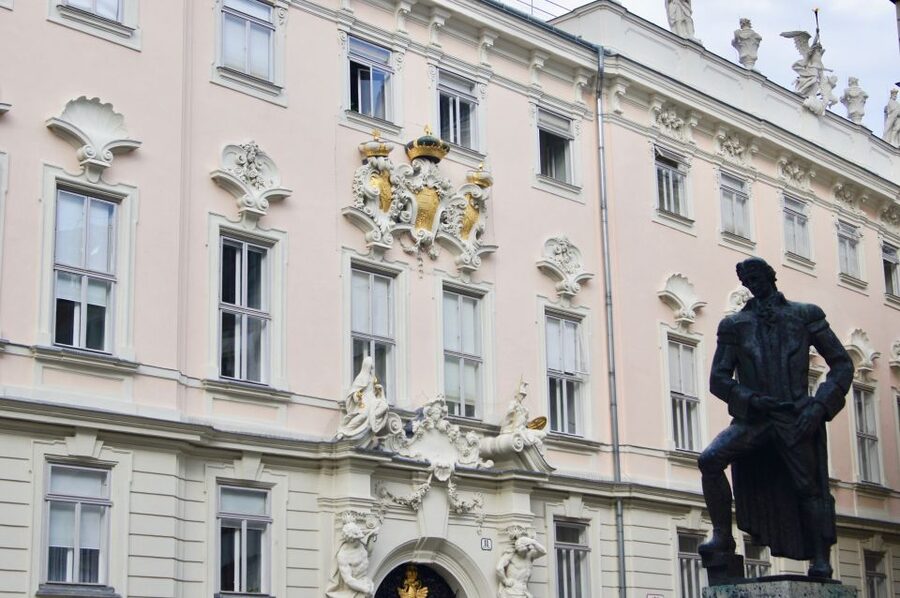
Palais Ephrussi is included because it brings in a different angle of Jewish influence, more cultural and aesthetic. Vienna has a way of broadcasting taste through architecture, and a palace stop helps you see how wealth, patronage, and social visibility intersected with the city’s artistic life.
In a tour that also covers banishment and the Holocaust, this kind of stop helps you keep the full picture. It would be easy to treat Jewish Vienna only through tragedy. Instead, you are also shown what was built, supported, and admired when Jewish residents had space to contribute and be seen.
This is where the “intellectual and cultural flowerings” theme becomes practical. You can stand on the street and remember, okay, this is not only about loss. It is also about creation, achievement, and the everyday presence of Jewish culture in mainstream Viennese settings.
If you are visiting with teens or family members who sometimes get lost in dates, a palace stop gives the mind a visual break while still moving the story forward. Just do not skip listening. The best part is how the guide links architecture and cultural status back to the community story you have already been building.
Seitenstettengasse Synagogue and what outside-only visits can teach
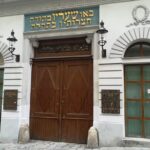
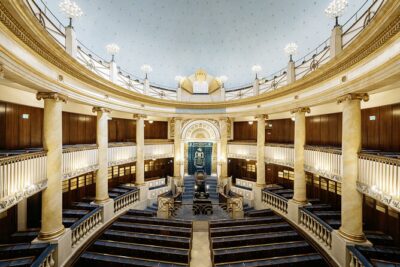
The tour includes the Seitenstettengasse Synagogue, outside only. That limitation is not a failure. It is a reality-based way to place the synagogue in its street context, so you notice how religious life was embedded in everyday urban geography.
A synagogue outside-only stop is about setting, not access. You might find it helpful to focus on what you can observe, the location, the neighborhood feel, and how the building relates to the surrounding city blocks. Then the guide can connect that setting to the community’s experience across time, including periods of hardship and exclusion.
This is also where the tour’s balance matters. You are walking through Vienna as a living city, but the story keeps reminding you that for many Jewish residents, the city was not always a safe place to stay. The inclusion of banishment periods and Holocaust context means you are not looking at architecture in a vacuum.
If you are hoping for a strictly indoor religious experience, this tour is not that. But if you want a guided walk that explains why these places matter, even from the outside, you will likely appreciate this approach.
Judenplatz and Joseph’s Square, memory in public spaces
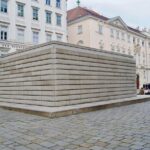
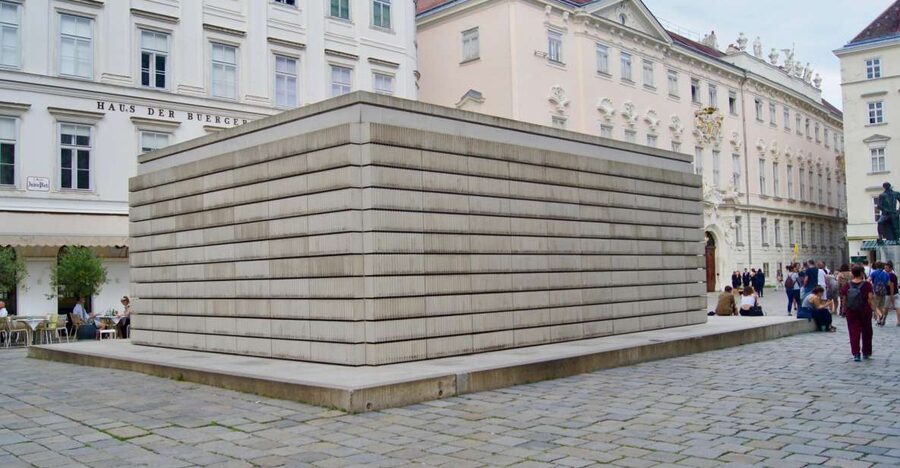
Judenplatz is one of those names that carries weight in Vienna, and this tour uses it to connect Jewish public life to what later became impossible. It is the kind of stop that changes how you look at the rest of the city, because it is tied to communal identity in a very direct way.
Joseph’s Square adds another layer, helping you see how Jewish history sits inside the city’s shared civic spaces. That matters because it moves Jewish Vienna away from being treated like a side chapter. It becomes part of how Vienna built and used its public geography.
The tour also integrates the darker periods, including the Holocaust era, so you are not only learning about community accomplishments. You are learning how loss reshaped everything, including where people could gather, belong, and create.
One reason this section can feel powerful is that it forces you to slow down. Even with a private group, you are given time to connect the emotional dots. You can look at the spaces and then compare them to the earlier stops about culture, coffee-house life, and learning. The contrast does not feel random. It feels planned.
By the time you reach these central squares, you have the timeline in your head, and the city’s streets become part of the story rather than a backdrop.
Price, private-group value, and who should book
This is $530 per group with a maximum of up to 20 people, for about 150 minutes of guided walking. In plain terms, this is priced for groups that want a private format, not for solo bargain-hunting. The value improves quickly if you are traveling with a small group of friends or family, because you are paying for guided interpretation, not just motion through space.
It also includes hotel pickup and drop-off within the inner city, which can save time if you are staying centrally and do not want to juggle meeting points with transit. The tour is live-guided in English and German, and it is wheelchair accessible, so it is set up to work for a range of visitors.
Who I think this fits best:
- You want Jewish Vienna history with both cultural highlights and the hard reality of exclusion and the Holocaust
- You prefer a private guide who can answer your questions and adjust pace
- You like walking tours that explain how ideas, people, and buildings connect
Who might find it less ideal:
- If you want a long, museum-heavy plan or lots of indoor entry, note that at least one key site is outside only.
If your goal is a clear story arc through real streets, this tour is a strong match.
Should you book this private Jewish walking tour?
I would book it if you want Jewish Vienna presented as a full story, from early presence like Salomon through the 1900s intellectual and cultural role, and then into the banishment and Holocaust era, all tied to walkable landmarks. The guide-led style seems to be a big part of the appeal, with named guides such as Lisa, Dr. Reinhard Travnicek, and Horlando described as engaging and able to answer questions clearly.
Book it if Café Landtmann and Judenplatz are on your list, and you want those stops explained in a way that makes the city feel logical, not random.
Skip it if you only want light sightseeing with minimal emotional weight, or if you want more indoor access than outside-only synagogue viewing.
FAQ
Where is the meeting point for the Vienna private Jewish walking tour?
You meet at Helmut-Zilk-Platz, in front of the Memorial against War and Fascism. Your guide will be holding a red and white striped umbrella.
How long does the tour last?
The tour lasts about 150 minutes (around 2.5 hours).
Is this a private tour or a shared group?
This is a private group experience.
What sites are included on the walking route?
The tour includes stops such as the University of Vienna, Café Landtmann, Palais Ephrussi, Seitenstettengasse Synagogue outside only, and Judenplatz, along with other landmarks including Joseph’s Square, the Memorial against War and Fascism, and Vienna State Opera.
Which languages does the guide speak?
The tour is offered with a live guide in English and German.
Is the tour wheelchair accessible?
Yes, the tour is wheelchair accessible.
Does the price include hotel pickup and drop-off?
Yes, hotel pickup and drop-off within the inner city is included.
How much does it cost, and how does payment work?
The price is $530 per group (up to 20 people). You can reserve now and pay later, and you can cancel up to 24 hours in advance for a full refund.
Latest Additions
- Wachau Valley Private Wine Tour with Tasting and Gourmet Lunch
★ 5.0 · 1 review - Vienna: Danube Valley Tour with Melk, Dürnstein with wine tasting and boat.
★ 5.0 · 1 review - Private city tour in Vienna
★ 5.0 · 1 review - Inside Freud’s Mind: Self-Guided Mystery Walk in Vienna
★ 4.0 · 1 review - Private Transfer from Vienna to Prague
★ 5.0 · 1 review - Hallstatt Small Group Day Trip from Vienna
★ 3.0 · 1 review - Vienna’s Christmas Market Magic Tour
★ 5.0 · 1 review
Jewish History Walks, compared.
Jewish Museum Vienna and Museum Judenplatz Tickets
Read our review →
Jewish Life in Leopoldstadt 2-Hour Walking Tour
Read our review →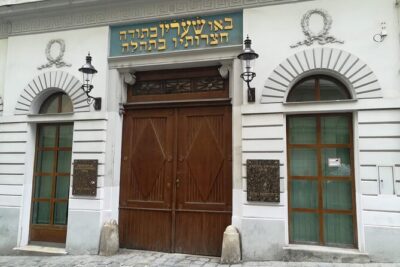
The Cultural Heritage of Jewish Vienna walking tour
Read our review →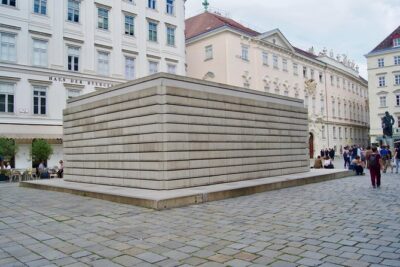
Browse the lists this tour appears in