
Reviewed · HOP-ON HOP-OFF BUS PASSES
Vienna PASS Including Hop On Hop Off Bus Ticket
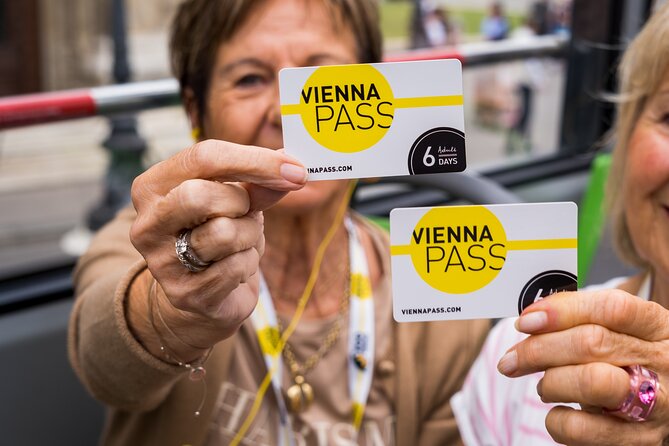
Vienna can feel big and busy. This Vienna Pass combo helps you plan a museum-heavy trip with less hassle, plus a Hop-On Hop-Off bus to get your bearings fast. You’re not stuck doing just one “type” of sightseeing either, because the included lineup ranges from Habsburg showpieces to modern art, music, and even a few offbeat stops.
I especially like the pre-booked admission angle. It’s built for saving time at popular venues, and it lets you build days around your interests instead of waiting around. I also like that you can match the pass length to your energy, from a quick 1 day burst to a slower 6 day tour with room to breathe.
One drawback to consider is the bus side. The Hop-On Hop-Off experience is convenient when it works, but it can be less efficient than walking or trams between close sights, and there are reports of buses missing expected stops. If you buy this for time savings, plan a little buffer.
In This Review
- Key highlights worth your time
- Price and timing, when the Vienna Pass actually pays off
- How the Hop-On Hop-Off bus fits Vienna’s layout
- Your best strategy: build a day plan around grouped interests
- Entering Vienna’s Habsburg world, castles, crypts, and imperial rooms
- Albertina, Belvedere, and Vienna art with real staying power
- Beethoven, Mozart, Haydn, and Schubert, music history you can walk into
- Schönbrunn Palace and gardens, plan this as your half-day anchor
- Art Nouveau, design, and offbeat stops that break the museum rhythm
- History beyond the palace, religion, identity, and city memory
- Beyond the big museums, food culture, nature, and city views
- Wine cellars, modern facts, and the city’s present-day edge
- Important practical details so you do not waste time
- Should you book the Vienna Pass with Hop-On Hop-Off bus?
Key highlights worth your time
- Pick the pass duration (1, 2, 3, or 6 days) so you can pace museums, palaces, and day trips.
- Pre-booked entry to over 90 attractions helps cut down time spent on ticket lines.
- Hop-On Hop-Off flexibility with audio commentary in 16 languages and a guidebook for planning.
- Schönbrunn and Belvedere are both covered, with major collections and gardens ready to plug into your schedule.
- You get variety, from Naturhistorisches Museum specimens to Klimt and Schiele to Freud and Mozart.
- Designed for small groups (maximum 15 travelers), which can feel calmer than big coach tours.
Price and timing, when the Vienna Pass actually pays off
At $134.56 per person, the Vienna Pass is not a “cheap” add-on. It’s a planning tool. The value only really clicks when you commit to using multiple included entrances, ideally across a couple of days.
Here’s the practical way I think about it: your single biggest risk is buying a pass that covers attractions you do not end up seeing. Vienna is so walkable in the center and so good on public transport that you can easily burn a day doing just a few highlights.
To make the pass work, look for a simple pattern:
- One full day for big palaces and landmark museums
- Another day for art museums and music history
- Optional third day for specialty stops like papyri, a porcelain manufactory, or the UN building
The pass also gives you built-in flexibility. The duration choice (1 to 6 days) matters because some stops are short and quick, while others (like Schönbrunn) take half a day or more if you do them properly. If you’re planning a fast itinerary, the 2 day or 3 day option tends to suit how most people actually move through Vienna.
One pass, most of the palaces
How the Hop-On Hop-Off bus fits Vienna’s layout
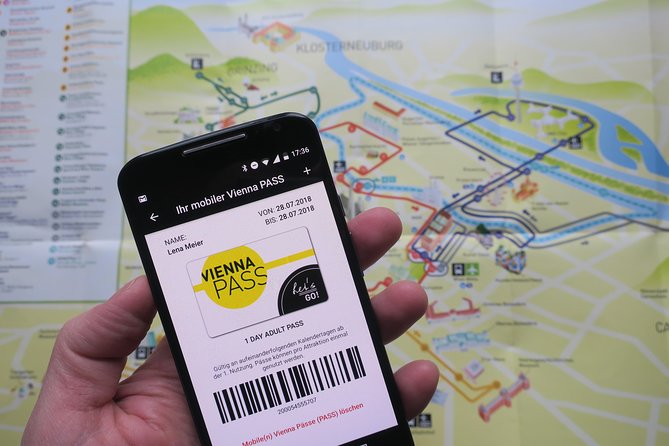
The Hop-On Hop-Off ticket is there to help you connect distant areas without overthinking it. Vienna’s center is great for walking, but the city sprawls just enough that you will sometimes want a shortcut.
A key detail: there are multiple bus “routes” and you’ll want to board the one that matches your day plan. Some stops can be easier than others to find, and signs for the correct lane or stop setup can be unclear. In a couple of cases, buses have been reported as not stopping where expected, which means you lose time if you’re standing in the wrong place.
My advice:
- Use the bus to reduce friction between far-apart zones, not as your only plan.
- When you arrive at a stop, check that you are waiting on the right route lane.
- Keep your first bus of the day conservative, then adjust as you go.
Also, bus time can stack up fast. If your itinerary has a cluster of sites within walking distance, you can often do more by combining walking plus tram rather than waiting for the next bus.
Your best strategy: build a day plan around grouped interests
Instead of treating this as one giant list, I recommend you group stops by theme and location. That’s how you avoid the classic Vienna problem: spending your best hours traveling instead of seeing.
The included lineup is broad enough to support several styles:
- Habsburg power and palace life
- Klimt and major modern art
- Music history from Mozart to Beethoven to Haydn and Schubert
- Offbeat museum stops that add texture to the day
Below, I’ll walk you through the experience by cluster, and what to expect at each stop.
Entering Vienna’s Habsburg world, castles, crypts, and imperial rooms
Start with the Habsburg-heavy stops if you want the classic Vienna feel and a sense of continuity across centuries.
- Kaiserliche Wagenburg Wien: You’ll see magnificent carriages connected to rulers such as Maria Theresia and Emperor Franz Joseph, with Napoleonic connections too. This is a “slow appreciation” stop, not a rushing one.
- Hofburg: Vienna’s former imperial residence and today the political center. It includes multiple museum areas such as the Imperial Apartments, the Sisi Museum, and the Imperial Silver Collection. Plan on more than a quick walkthrough if silver and court life interest you.
- Imperial Crypt (Capuchin Crypt): If you want the powerful side of imperial history, this is it. Expect a focused visit with the Habsburg dynasty’s burial story.
- Otto Wagner Pavillon Karlsplatz: This is a different mood, architecture tied to the new mass transport around 1900. It’s small, but it rewards you if you like city design details.
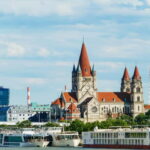
- Votive Church: A neo-gothic church measuring 99 meters tall, built to commemorate Emperor Franz Joseph and Empress Sisi. It’s also a good “pause” stop between museum blocks.
If you like your Vienna with context, these stops help you connect the palaces, the people, and the city’s physical shape.
See the Ring without the walking
- Vienna: Hop-On Hop-Off Sightseeing Bus Tour in 19 Languages★ 4.2 · 4,518 reviews
- Vienna: Big Bus Hop-On, Hop-Off Tour by Open-Top Bus★ 4.4 · 3,529 reviews
- Big Bus Vienna Hop-On Hop-Off Sightseeing Tour★ 4.0 · 1,735 reviews
- Vienna Hop On Hop Off City Tour★ 3.5 · 884 reviews
Albertina, Belvedere, and Vienna art with real staying power
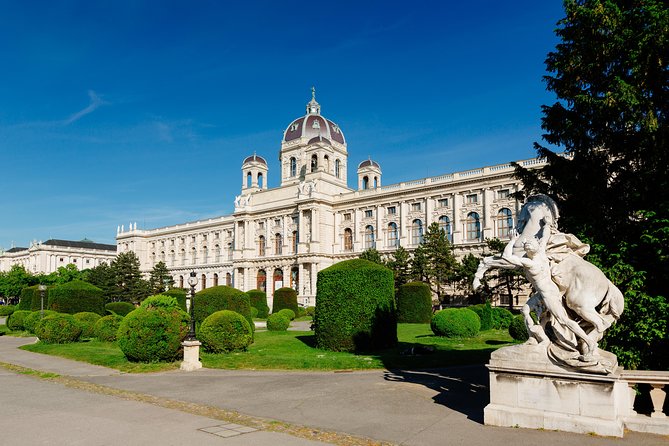
If you care about art museums, the Vienna Pass lineup is strong. You get several heavy hitters that many people would otherwise pay for one by one.
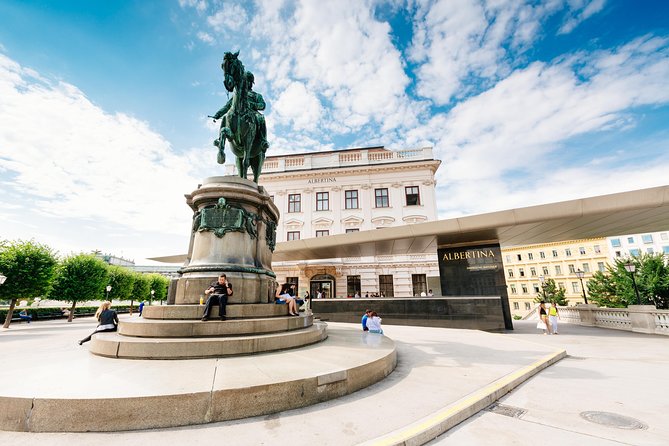
- Albertina: Located in the heart of Vienna, tied to former private Habsburg residence life. This is a good anchor museum if you want imperial setting plus major collections.
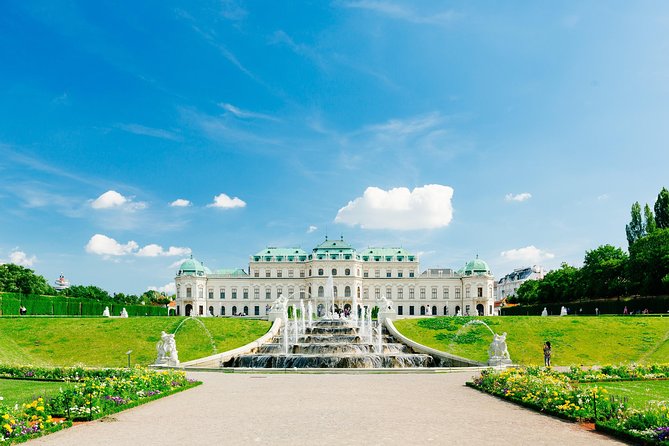
- Belvedere Museum: The former residence of Prinz Eugene of Savoy and part of a UNESCO World Heritage site. The gardens connect the two palaces, which makes this not just a museum visit but also a scenic walk.
- Upper Belvedere: home to the world’s largest collection of Gustav Klimt paintings, plus artists like Schiele, Kokoschka, and more.
- Lower Belvedere: more residential palace in feel, with different exhibition use.
- Belvedere 21 (Contemporary Art): a separate track for Austrian art from the 20th and 21st centuries, including contemporary-focused exhibitions since 2007.
- Bank Austria Kunstforum: One of the top addresses for classic modernism and post-war avant-garde painting. This is a great choice if you want modern art without only going through one “big museum” building.
- MAK (Museum of Applied Arts/Contemporary Art): Known for the union of applied arts, architecture, and contemporary art, with names like Klimt, Koloman Moser, and Joseph Hoffmann mentioned.
- MUMOK: The Museum of Modern Art Ludwig Foundation. It covers classic modernism all the way through Pop Art, Fluxus, and Vienna Actionism. If modern art is your priority, this is worth a dedicated window.
- Kunsthalle Wien Museumsquartier: Contemporary international art and discourse in MuseumQuartier and Karlsplatz venues.
- Kunsthistorisches Museum Vienna: Built for imperial collections by Emperor Franz Joseph. It’s a major “big museum” experience with exhibits from 5 millennia, tied to the Habsburg collecting story.
- Leopold Museum: Strong focus on Viennese Art Nouveau, Wiener Werkstätte, and expressionism, including the world’s largest Egon Schiele collection, plus Gustav Klimt works.
Practical tip: don’t try to do all these in one day. Pick two, and then add a short third stop if it fits. Vienna museums can be mentally tiring, even when they’re fascinating.
Beethoven, Mozart, Haydn, and Schubert, music history you can walk into
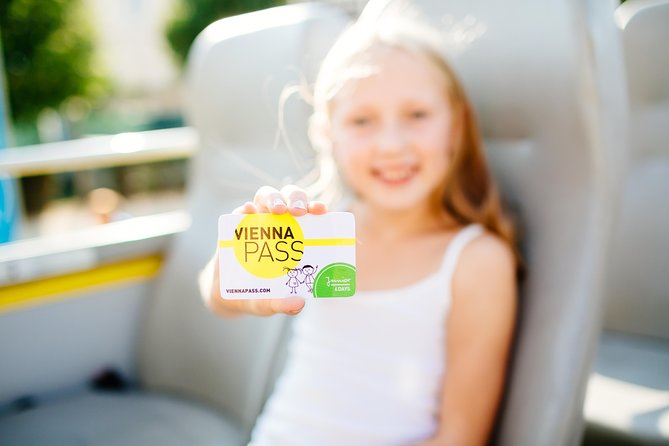
Vienna’s music landmarks feel personal here because you can place composers in specific rooms and contexts.
- Beethoven Museum: Set up around the story of Beethoven coming to Heiligenstadt, where healing baths drew many guests. It also connects to his advancing deafness. Expect a longer visit if you enjoy narrative and period atmosphere.
- Beethoven Pasqualatihaus: Beethoven lived here with patron Johann Baptist Pasqualati. You can see a famous portrait of Beethoven by Willbrord Joseph Mähler and items tied to the composer.
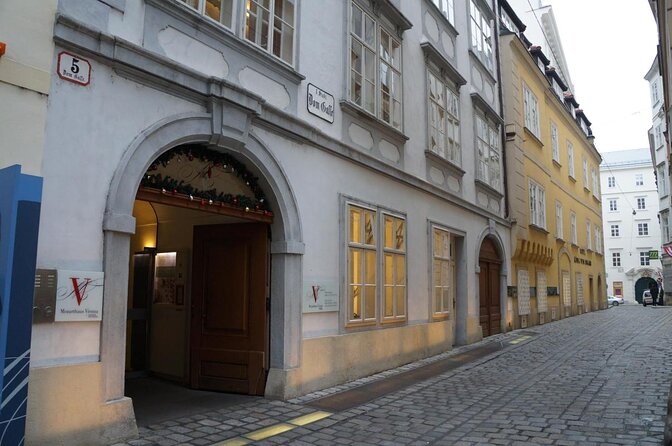
- Mozarthaus Vienna: Mozart’s only preserved apartment in Vienna, where he composed more music than anywhere else. It’s designed for staying close to his Vienna years and peak creative period.
- Haydnhaus: Joseph Haydn moved in 1797 and lived there until his death in 1809. The permanent exhibition was redesigned for the 200th anniversary, focusing on his last years in a political and social setting.
- Schubert’s death house in Vienna: Franz Schubert lived in his brother Ferdinand’s apartment near Nashmarkt during his final week. You’ll see last drafted compositions and the last letter he wrote, plus family care-related documents.
- Haus der Musik: A Sound Museum that is interactive across four floors, built around music and sound. This is a different kind of music stop, more hands-on.
- Spanish Riding School: Famous for Lipizzaner stallions. You can attend the morning exercise for insight into training, paired with classical Viennese music. If you’re aiming for this, treat it as a scheduling priority.
- Wiener Staatsoper: A guided tour of the Vienna State Opera House. It’s short compared to museums, so it can be a good half-day add-on if your timing lines up.
These stops work especially well if you prefer experiences with narrative, not just artworks behind glass.
Schönbrunn Palace and gardens, plan this as your half-day anchor
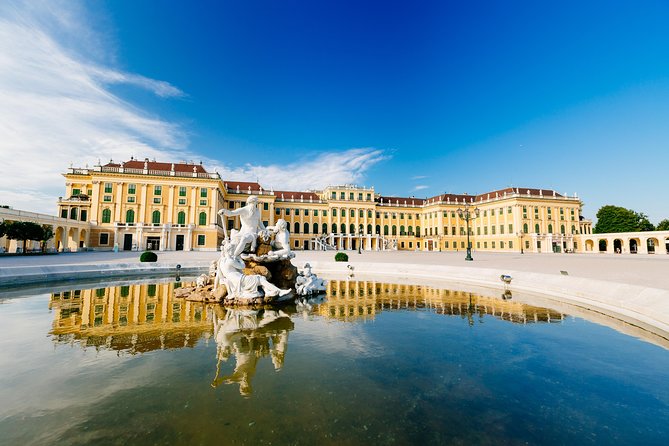
If you only do one palace stop right, make it Schönbrunn. The UNESCO site is Austria’s most visited tourist attraction for a reason, and this pass gives you multiple ways to experience it.
- Schönbrunn Palace: Expect a baroque ensemble, palace rooms, and gardens as part of a major UNESCO World Heritage area. The zoo and Gloriette are also referenced as highlights within the broader site.
- Schönbrunner Gardens: A detailed garden experience that includes the Privy Garden (also known as Kronprinzengarten), a maze and labyrinth area, plus the Schönbrunn Orangery, with seasonal viewing focused from October to mid-May on winter-hardy, fruit bearing plants.
- Tiergarten Schoenbrunn Zoo: Included with mentions of over 700 species and highlights like giant pandas. The zoo is large, so you may want to decide what you most want to see rather than doing everything.
- Desert House: The zoo also features a desert habitat path with animals from arid regions. This is a nice add-on if you like ecological variety.
To make it realistic, I’d treat Schönbrunn plus gardens plus one zoo block as a single big segment. If you also try to fit several major museums the same day, you’ll feel rushed.
Art Nouveau, design, and offbeat stops that break the museum rhythm
One reason the Vienna Pass works for many people is the variety in the middle of your itinerary. You get breaks from the biggest palaces and galleries.
- Papyrus Museum of the Austrian National Library: About 300 unique objects from three millennia of Egyptian culture. It includes things like the Book of Dead and portraits of mummies.
- Porcelain Manufactory Augarten: Located in the former imperial Palace in Augarten park, founded in 1923. You’ll see the history of Viennese porcelain through over 150 representative pieces across artistic phases.
- MAK and Otto Wagner Pavillon already cover design in different forms, but this set adds hands-on craft and material culture.
- Hofmobiliendepot Mobel Museum: One of the world’s largest furniture collections in a Biedermeier house, with imperial furniture connected to Maria Theresia, Franz Joseph, and Sisi.
- Hundertwasserhaus: The Kunst Haus Wien is described as having the world’s biggest collection of Hundertwasser works, accessible indoors and outdoors. This is an architecture and art experience that feels unusual in the best way.
- Heidi Horten Collection: Included, with this museum stop positioned as a short, flexible add-on (the listed duration is 1 hour).
These are the stops that turn a “checklist trip” into a “Vienna story” trip.
History beyond the palace, religion, identity, and city memory
Vienna’s story is bigger than emperors and composers. The pass also includes places that widen your view.
- Jewish Museum Vienna: Located at Palais Eskeles, focused on Jewish religion, tradition, and history in Austria.
- Dom Museum Wien: Houses valuable historic treasures connected to St. Stephen’s Cathedral, plus cornerstones of classic modernity and contemporary art.
- Sigmund Freud Museum: In Freud’s former home and practice at Berggasse 13. You’ll see documentation on the father of psychoanalysis, with original furniture, objects, and pictures.
- Stift Klosterneuburg: A monastery with over 900 years of history, associated with Babenbergs and the Habsburgs. It also points to the oldest winery in Austria.
- Wiener Zentralfriedhof: Vienna’s Central Cemetery. It’s enormous, with Catholic, Protestant, Jewish, Islamic, and other sections. The pass notes connections to major figures like Beethoven, Johann Strauss, Brahms, Schubert, and a Mozart memorial.
If you’re the type who likes Vienna as a layered city, these stops are worth your time.
Beyond the big museums, food culture, nature, and city views
A good itinerary needs variety. These stops help you slow down and get perspective.
- Naschmarkt: A major market for exotic foods and spices, with restaurants and bistros nearby. It’s listed as free and makes a natural lunch or late afternoon plan.
- Prater: Includes the amusement park, famous Giant Ferris Wheel, and 60 hectares of woods and meadows, plus a Prater Museum component. This is the “break” you need after intense museum days.
- Danube Tower: Vienna’s tallest building, with an elevator to a viewing platform at 150 meters for panorama views.
- Votive Church already fits here as a city landmark, while Johann Strauss Monument in Stadtpark is a quick photo stop that’s free.
Wine cellars, modern facts, and the city’s present-day edge
Not every stop is centuries old. Some are about modern culture, science, and systems.
- Schlumberger Kellerwelten: A tour through 300-year-old cellar vaults tied to sparkling wine production. You can learn about processes like disgorging, dosage, and the cellar mark, and even shake bottles on riddling racks.
- Remise Verkehrsmuseum: Focused on 150 years of public transport in Vienna, showing how transportation changed life.
- United Nations in Vienna: General guided tours through the Vienna International Centre built in 1979. It includes exhibits and works of art, with references like a Hundertwasser tapestry and a moon rock donated by NASA.
- Danube Tower, Haus der Musik, and Madame Tussauds Wien add modern leisure and education into the mix.
If you want a day that feels less like history class and more like “Vienna today,” these are helpful anchors.
Important practical details so you do not waste time
Here are the small things that matter when you’re juggling many included entries.
- Plan your day order: Museums and palaces tend to be best early, while markets and parks are better later.
- Do not overstuff one day: Even with included admission, your energy still limits how much you can actually see.
- Use the bus as a tool: It’s useful for connecting areas, but if it’s not your right route or the stops are confusing, walking and trams can save you.
- Expect audio and a guidebook: Audio commentary comes in 16 languages, which helps if your group language needs flexibility.
- Think about group size: This activity is listed with a maximum of 15 travelers, which can help you feel less swallowed by crowds.
Should you book the Vienna Pass with Hop-On Hop-Off bus?
Book it if you plan to do multiple major museums and at least one big palace like Schönbrunn or Belvedere, and you want the convenience of pre-booked admission. It’s also a solid fit if you like building your own route instead of following a rigid coach itinerary.
Skip it or at least reconsider if you only have one day, because the bus time, stop finding, and the sheer volume of possible entrances can push you into a rush. If you prefer a slower, neighborhood-based Vienna plan with mostly walking and trams, you may get better value by paying for fewer specific attractions.
If you want my straight answer: for a 2 day to 3 day Vienna trip packed with museums, this setup can be a smart way to save time and simplify decisions. For a very short stay, it can start feeling expensive unless your priorities line up perfectly with the included list.
Latest Additions
- Wachau Valley Private Wine Tour with Tasting and Gourmet Lunch
★ 5.0 · 1 review - Vienna: Danube Valley Tour with Melk, Dürnstein with wine tasting and boat.
★ 5.0 · 1 review - Private city tour in Vienna
★ 5.0 · 1 review - Hallstatt Small Group Day Trip from Vienna
★ 3.0 · 1 review - Inside Freud’s Mind: Self-Guided Mystery Walk in Vienna
★ 4.0 · 1 review - Private Transfer from Vienna to Prague
★ 5.0 · 1 review - Vienna’s Christmas Market Magic Tour
★ 5.0 · 1 review
Hop-On Hop-Off Bus Passes, compared.

Hop-On Hop-Off Sightseeing Bus Tour in 19 Languages
Read our review →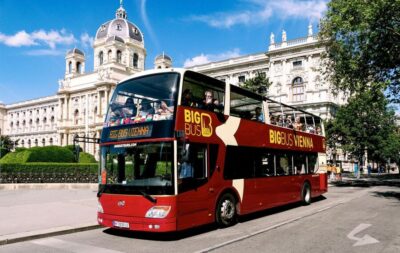
Big Bus Vienna Hop-On Hop-Off Sightseeing Tour
Read our review →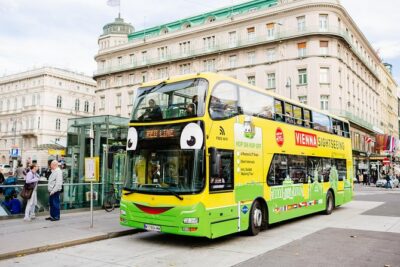
Big Bus Evening Sightseeing Bus Tour with Live Guide
Read our review →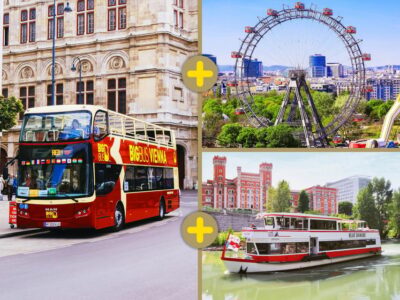

24-hour Hop-On Hop-Off with Ferris Wheel and River Cruise
Read our review →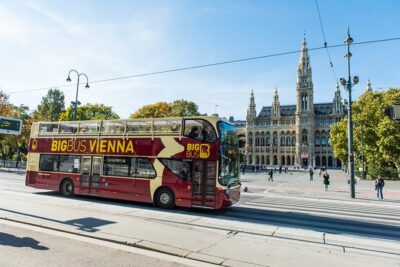
Best of Vienna Pass: Schönbrunn, Belvedere, Big Bus & Cruise
Read our review →Browse the lists this tour appears in