Reviewed · TOURS
Vienna Oldtown Tour
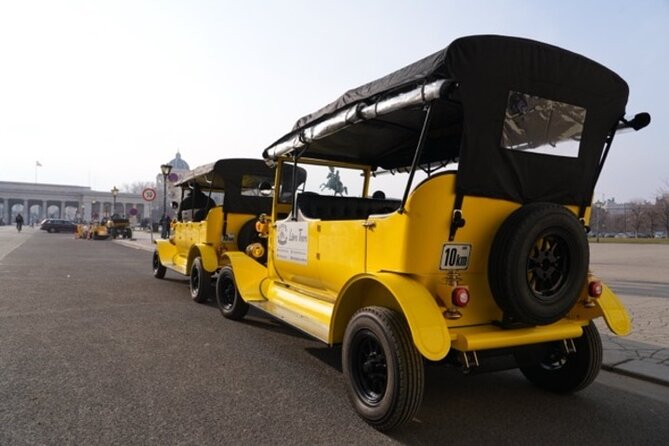
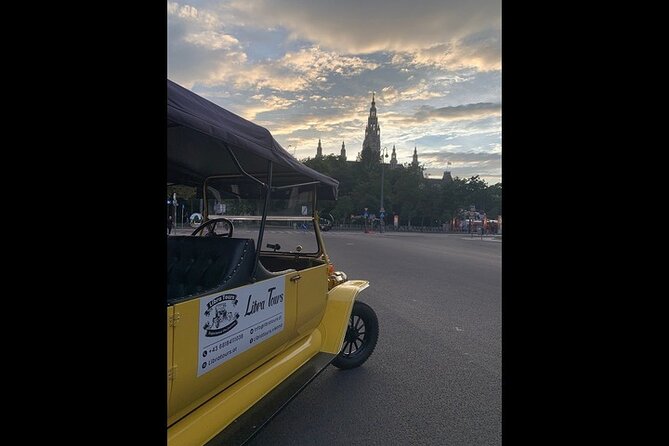
Vienna can feel like a lot at first. This 45-minute Oldtown orientation turns the city’s big names into a simple, photo-friendly route.
I love how the timing is tight but the stops are meaningful, with imperial landmarks and museum district hits packed into one loop. You also get real guide attention in English, and some days even include short chances to step out near key sights.
One caution: this is fast, so you will get snapshots, not deep museum time. If you’re hoping for long history lectures at every stop, you might feel a little rushed, especially in bad weather or when the car roof does not roll back for photos.
Key highlights and what they mean for you
- Classic-car style sightseeing with short photo stops, great for your first day in town
- English-only guiding, so plan around language needs
- Imperial Vienna to Ringstraße icons, including Hofburg and Vienna’s Parliament area
- Museum hits without museum tickets, including Kunsthistorisches and Natural History exterior views
- Volksgarten Rose Garden pause, a quick break in the middle of major architecture
- Highly rated drivers like Jerry and Jeremiah, plus helpful communication when pick-up details are clear
In This Review
- A 45-Minute Classic-Car Primer on Old Vienna
- Hofburg Palace, Imperial Power, and the Symbols You’ll Keep Seeing
- From National Libraries to OSCE: Vienna as a Meeting Place
- Ringstraße Power Blocks: Parliament, City Hall, Theatre, and Churches
- Museum District in Motion: Art History, Natural History, and the MuseumQuarter
- Volksgarten Rose Garden Break, Burgtheater Area Stops, and Photo Timing
- Freud, Café Central, and the Darker Corners Remembered
- Art Movements and Famous Vienna Names: Secession, Albertina, Opera
- Food, Shops, and Street Scenes: When You Might Want More History
- Should You Book the Vienna Oldtown Tour?
- FAQ
- How long is the Vienna Oldtown Tour?
- Is the tour offered in English?
- Do I receive a mobile ticket?
- Is this a private tour?
- Where does the tour end?
- Is the tour tied to good weather?
A 45-Minute Classic-Car Primer on Old Vienna
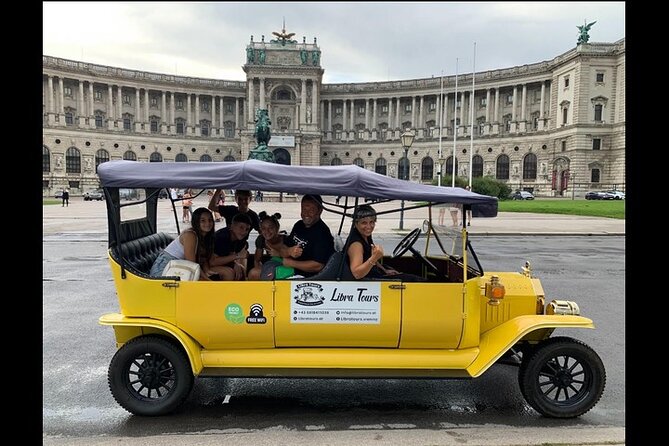
Think of this as your Vienna “map with landmarks.” In under an hour, you see a chain of must-not-miss addresses, mostly from the Ringstraße and the inner-city core. The ride format matters here: the car gives you distance fast, and the guide fills in the why behind the walls.
At $42.17 per person for about 45 minutes, the value is best if you want orientation more than immersion. You’re not paying for a ticketed attraction or a full museum day. Instead, you’re paying for route planning, quick context, and the convenience of getting from one side of the historic center to the other without figuring out the logistics.
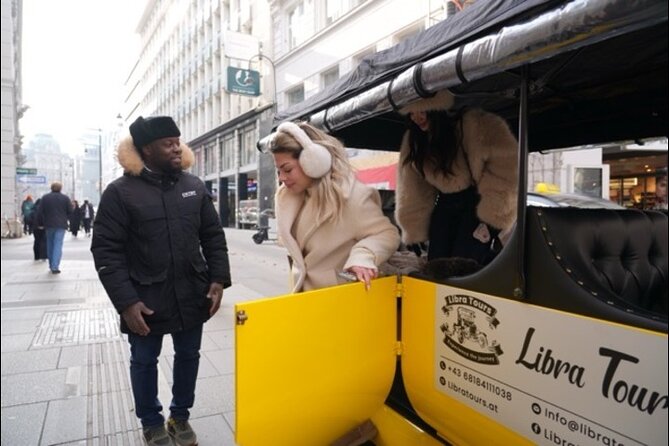
The experience is offered in English, with a mobile ticket and private setup, meaning only your group participates. That private feel is why older visitors in particular tend to like this type of tour, because you can ask for pacing adjustments. One review also noted accommodations with mobility needs, including an extra stool for elderly or handicapped guests.
The biggest practical drawback is that 45 minutes is not long. Some days you will leave wanting more detail about one place, like the museums or the churches. If that’s you, treat this tour as a starting point, then come back later on your own for the one stop you loved most.
Hofburg Palace, Imperial Power, and the Symbols You’ll Keep Seeing
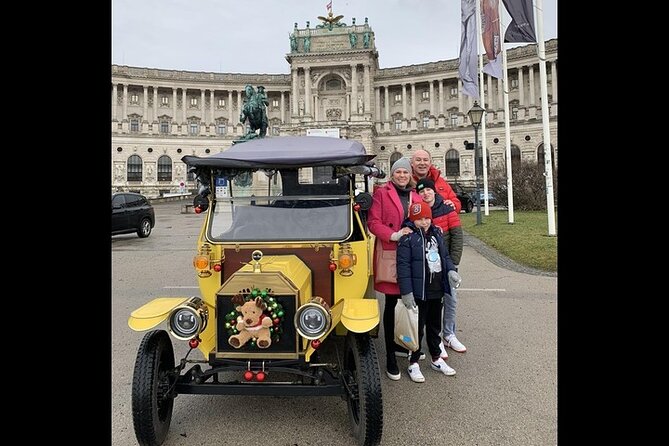
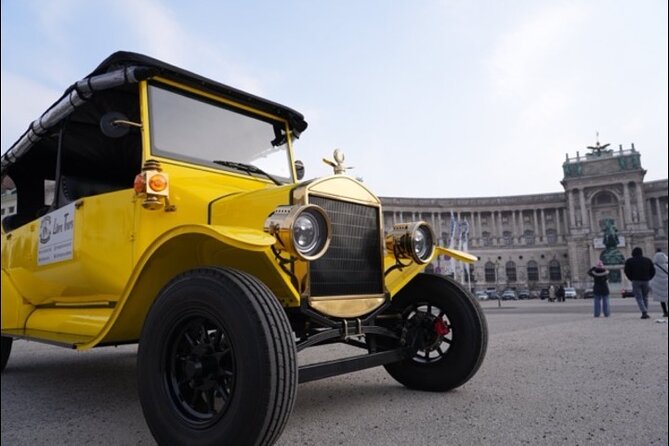
The route begins in the imperial universe, and the Hofburg Palace is the anchor. This complex started in the 1200s and became the winter residence of the Habsburgs. Today it’s still tied to Austrian state power, and it contains multiple key pieces, including the Imperial Apartments, the Sisi Museum, and the Imperial Treasury.
Even if you do not go inside on this short tour, the exterior context helps. Hofburg is where Vienna’s monarchy energy becomes architecture. Once you understand that, it gets easier to read the rest of the city, especially the grand civic buildings around the Ringstraße.
From there, you pass or stop near the Michaelerplatz area, which acts like a threshold into the Hofburg complex, and you may also run into the feel of palace gateways such as the Swiss Gate, historically connected to the Swiss Guards.
Then the tour adds another layer: the people behind the buildings. You get names like Maria Theresa (a major reformer of the Habsburg empire, ruling 1740 to 1780) and military leadership tied to the Habsburg story, including Prince Eugene of Savoy (1663 to 1736). The Archduke Karl equestrian statue in Heldenplatz is the type of stop where the city shows its self-image in one glance.
If you love monuments but hate guessing at meanings, this is where the guide’s role matters most. When the driving and commentary click, the statues stop being random photo spots and start making sense as a visual timeline.
Vienna is a city built for slow mornings and long evenings — plan accordingly.
From National Libraries to OSCE: Vienna as a Meeting Place
This tour does something smart: it doesn’t treat Vienna as only a royal museum. It also shows Vienna as a place for institutions.
You’ll see Vienna’s National Library and its scale, including its collections of 11 million books and manuscripts, plus special holdings like the Papyrus Museum and the Globe Museum. Even a quick overview helps you understand why people describe the library’s reading hall and exhibits as crowd-magnets. If you later want a quieter cultural detour, this is the kind of stop you can plan to revisit.
The route also includes the OSCE building (Organization for Security and Co-operation in Europe). That’s a different Vienna angle, more modern and diplomatic. The OSCE works on conflict prevention and human rights themes, and the tour frames it as the largest regional security organization with 57 participating States.
Why that matters: it breaks the stereotype of Vienna as only palaces and operas. It also helps you notice how the city keeps translating its identity into institutions that serve the wider world.
One caution here: this segment is not for you if you want courtroom-level detail about governance and international policy. In 45 minutes, the value is in orientation and key names, not deep policy explanations.
Ringstraße Power Blocks: Parliament, City Hall, Theatre, and Churches
The Ringstraße stretch is the classic Vienna postcard, and the tour uses it like a guided checklist.
You’ll see the Austrian Parliament Building, completed in 1883, with its Greek Revival design and its two chambers. Nearby, the Library of the Austrian Parliament is worth knowing about even if you only glimpse it from outside, because it supports parliamentary research with legal and historical texts.
Then the tour swings into the civic showpiece zone with Vienna City Hall (Rathaus), built between 1872 and 1883 in neo-Gothic style. The big takeaway is that Rathaus is not just a pretty facade. It’s where municipal governance lives, and its size makes it feel like a symbol, not a building.
Next comes the Burgtheater, Austria’s national theatre, founded in 1741 and moved to its Ringstraße location in 1888. That matters if you plan to attend a performance later, because the building explains why Vienna is obsessed with theatre as much as music.
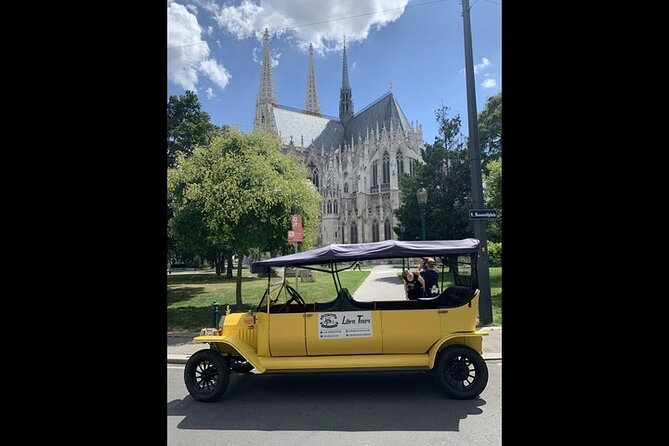
The tour also highlights the religious landmarks that sit beside these civic monuments. You’ll come across the Votive Church (Votivkirche), completed in 1879, with the story tied to Emperor Franz Joseph I and a failed assassination attempt. The twin spires and neo-Gothic design make it an easy visual reference on your own walking days afterward.
And if churches are your thing, you’ll also see stops tied to older layers of the city, including Am Hof and the Scots Church (Schottenkirche), founded in the 12th century. The key payoff is that Vienna is layered. These places anchor the medieval and Baroque eras next to the grand 19th century projects.
Museum District in Motion: Art History, Natural History, and the MuseumQuarter
You also get the big museum brand names, without the time cost of full admissions.
The route includes Kunsthistorisches Museum, opened in 1891, which houses the Habsburgs’ imperial art collection and covers European art from antiquity into the late 18th century. Nearby is the Natural History Museum Vienna (Naturhistorisches Museum Wien), founded in 1807 and opened in its present building in 1889. If you’ve ever wanted to see dinosaur skeletons and an earth-science vibe in the middle of Vienna, this is the address to remember.
The tour also includes the MuseumQuartier Wien, a restored area with historic and modern buildings where multiple museums sit close together. It opened to the public in 2001, which makes it a bridge between old-city preservation and newer museum planning.
Then there’s the Weltmuseum Wien, focused on artifacts and human creativity across the globe. The value here is perspective. This museum angle pushes beyond European royal taste and nudges you toward cultural exchange as a theme.
And if you like modern art, you may also encounter Kunstforum Wien, established in 1989, known for temporary exhibitions and central location. In a short route, this serves as a signpost: if you enjoy contemporary shows, you’ll know where to head next.
One real drawback: since this is a ride through a lot of names, you will not finish this tour feeling like you saw everything. That’s okay, but be honest with yourself. If you want to spend an entire afternoon in one museum, pick your favorite after the tour and build from there.
Beyond the palaces, the city keeps its own rhythm of coffee, concerts, and day trips nearby.
- Vienna: Classical Concert in the World-Famous Musikverein★ 4.6 · 6,673 reviews
- Vienna: Hallstatt Day Trip with Boat Ride Option★ 4.7 · 6,311 reviews
- Vienna: Skip-the-Line Sisi Museum, Hofburg and Gardens Tour★ 4.8 · 5,918 reviews
- Vienna: Skip-the-Line Schönbrunn Palace & Gardens Tour★ 4.8 · 5,411 reviews
Volksgarten Rose Garden Break, Burgtheater Area Stops, and Photo Timing
A key pause in the tour is Volksgarten, home to the Rose Garden. It’s known for hundreds of rose varieties, and it’s created as a public garden space in Vienna’s core. The stop is short, but it gives your brain a breather between big stone landmarks.
This is also where photo timing can matter. One review mentioned the roof sometimes not rolling back on a sunny day, which made it harder to see clearly and take pictures. Another review praised the route because the guide stopped along the way so people could get out and see roses and even step inside a church.
So if your priority is photography, do two things:
- Bring patience for brief stops, not long scene-setting
- Ask the driver how they handle viewing angles that day, especially in bright sun or rain
The practical value of a garden stop is simple. Vienna’s center can overwhelm you with scale and repetition. A small green break helps your memory attach to the story.
Freud, Café Central, and the Darker Corners Remembered
This is where Vienna becomes personal.
You’ll see the Sigmund Freud Museum in his former residence, offering a look at his personal items and the development of psychoanalysis. Whether you know Freud deeply or only through cultural references, it gives you a concrete location, not just a name.
You also pass spots tied to Vienna’s coffeehouse culture, including Café Central. The tour frames it with famous associations and the classic setting style people come for. Even if you do not stop for a meal on this short ride, knowing where Café Central sits helps you plan a longer coffee break later.
Another interesting stop tied to everyday history is the Vienna Fire Service Museum, located in the historic Central Fire Station. It’s the kind of museum that makes a city feel lived-in, because it’s not just art and politics. It’s technology and public safety, shown through evolving firefighting gear and historical documents.
And then the tour does not ignore the past. You may also be guided past the Memorial Against Fascism at Albertinaplatz, created by Alfred Hrdlicka and unveiled in 1988. The purpose is remembrance of Nazi terror victims, with a strong message about peace. It’s a heavy stop, but it helps Vienna stay honest.
If you prefer your city tours lighter, you might find this portion emotionally heavier than the architecture stops. But if you want your Vienna to feel real, it matters.
Art Movements and Famous Vienna Names: Secession, Albertina, Opera
Vienna loves artistic revolutions, and this tour gives you quick access to several.
You’ll encounter the Vienna Secession story, tied to artists who broke away from traditional styles. The Secession Building completed in 1898 is a strong visual marker for that shift. If you later want to connect Klimt and modern design to one place, this is your starting thread.
The tour also includes the Albertina, with one of the world’s largest print rooms. It’s known for drawings, prints, photographs, and architectural works, plus modern art and Habsburg stateroom connections. There’s also the nearby memorial location, which is why Albertina sits as both an art stop and a reflective stop.
You’ll also see the area around the Vienna State Opera, opened in 1869 and famous for high-level productions. Even if you skip a performance, it’s a valuable landmark because it signals Vienna’s music commitment, not as a vague idea but as a physical institution.
Finally, the tour includes famous literary and composer monuments such as a Goethe Monument and a Mozart Monument in Burggarten. These are quick stops, but they help you read the city as a memorial to ideas and authorship, not only royalty.
Food, Shops, and Street Scenes: When You Might Want More History
A short tour has a tradeoff: the route has to include variety, and sometimes that means you’ll see more storefront streets and café culture than you expected.
One review specifically noted wanting more history about the sites and less focus on cafes and shops. That’s a legit preference question, and it points to how guides tailor commentary within a fixed time window. If you’re the type who wants every stop explained with depth, message your guide ahead of time with your top three priorities.
Also, note that meeting points can get tricky on days with closures or weather. In one case, the meeting location instructions were vague enough to cause confusion near the Burgtheater area and the Rose Garden. Another review said street closures caused a delayed start, with waiting in the cold.
My advice: before you go, confirm the exact meeting spot and look for a driver contact method the same day. This is the difference between a smooth start and a frustrating one.
For older guests, families, or anyone who wants minimal walking, this tour tends to work because the itinerary is arranged around landmarks rather than long distances.
Should You Book the Vienna Oldtown Tour?
Book it if:
- You want a first-day orientation through Vienna’s most iconic sights
- You like the idea of seeing a lot of landmark names in 45 minutes
- You prefer a private group setting and an English-speaking guide
- Your top priorities include Hofburg and Ringstraße monuments, plus quick museum district recognition
Skip it or adjust expectations if:
- You want deep museum time at each stop, not brief orientation
- You need non-English audio or a specific language option, since the tour is listed as English
- You strongly depend on perfect photo conditions, since one issue raised was the car roof not rolling back on a sunny day
If you do book it, do it with a smart plan: treat the tour as your Vienna “index.” After you finish, choose one or two places from the route that truly grab you, and go back for the real visit later.
FAQ
How long is the Vienna Oldtown Tour?
It runs for about 45 minutes.
Is the tour offered in English?
Yes, it is offered in English.
Do I receive a mobile ticket?
Yes, the tour includes a mobile ticket.
Is this a private tour?
Yes. Only your group participates.
Where does the tour end?
It ends back at the meeting point.
Is the tour tied to good weather?
Yes. The experience requires good weather. If it is canceled due to poor weather, you will be offered a different date or a full refund.
Latest Additions
- Wachau Valley Private Wine Tour with Tasting and Gourmet Lunch
★ 5.0 · 1 review - Vienna: Danube Valley Tour with Melk, Dürnstein with wine tasting and boat.
★ 5.0 · 1 review - Private city tour in Vienna
★ 5.0 · 1 review - Hallstatt Small Group Day Trip from Vienna
★ 3.0 · 1 review - Inside Freud’s Mind: Self-Guided Mystery Walk in Vienna
★ 4.0 · 1 review - Private Transfer from Vienna to Prague
★ 5.0 · 1 review - Vienna’s Christmas Market Magic Tour
★ 5.0 · 1 review
Tours, compared.
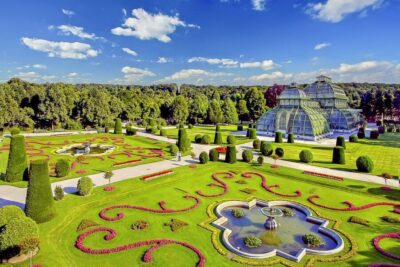
Schönbrunn Palace & Gardens Skip-the-Line Tour
Read our review →

Skip-the-Line Sisi Museum, Hofburg and Gardens Tour
Read our review →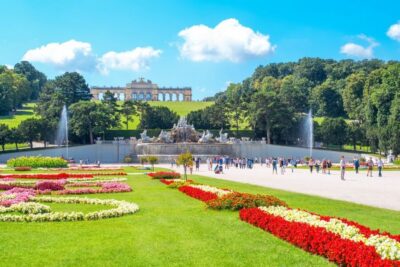
Skip-the-Line Schönbrunn Palace & Gardens Tour
Read our review →
Guided Walking Tour of City Center Highlights
Read our review →
Hop-On Hop-Off Sightseeing Bus Tour in 19 Languages
Read our review →