
Reviewed · WORKSHOPS
Vienna: Natural Sourdough Bread Workshop with Apulian Flour
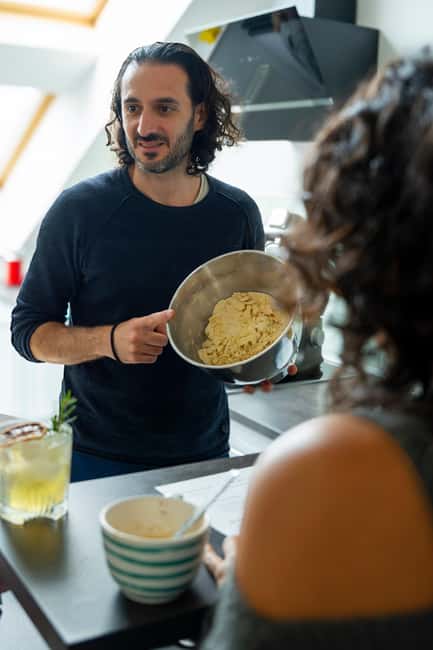
Sourdough can be a passport. Here you bake Apulia semolina sourdough in Vienna, using natural fermentation techniques that connect Southern Italy with Central European craft. You learn the full process step by step, not just watch it.
What I like most is that you finish with two things that keep paying off at home: an excellent loaf and the skills to repeat the method. A small group format, plus hands-on kneading and shaping, makes it feel personal. One thing to consider is that the workshop runs in the instructor’s apartment on the DG (upper floor), so plan for stairs and come in comfortable, baking-ready clothes.
In This Review
- Key highlights at a glance
- Apulia Semolina Meets Viennese Fermentation, in Vienna
- Meet Patrik Montinari, and Why the Small Group Matters
- Price and Value: What $147 Gets You (and What It Actually Covers)
- Your 150 Minutes: Starter Refresh to Crisp Golden Crust
- Feeding the Starter: The Skill That Actually Travels Home
- Autolyse, Hydration, and Folds: Where Dough Becomes Bread
- The Culture Break: A Drink, Bread Stories, and Better Timing
- Shaping and Baking: Getting the Crust and Crumb You Want
- What You Take Home: Loaf, Recipes, and Live Starter
- Who Should Book This Workshop (and Who Might Prefer Another Style)
- Should You Book This Natural Sourdough Bread Workshop in Vienna?
- FAQ
- How long is the Vienna sourdough bread workshop?
- Is the workshop suitable for beginners?
- What is included in the price?
- How big is the group?
- What languages are used by the instructor?
- Is there wheelchair access?
Key highlights at a glance
- Apulia semolina + long fermentation: one recipe, two bread cultures.
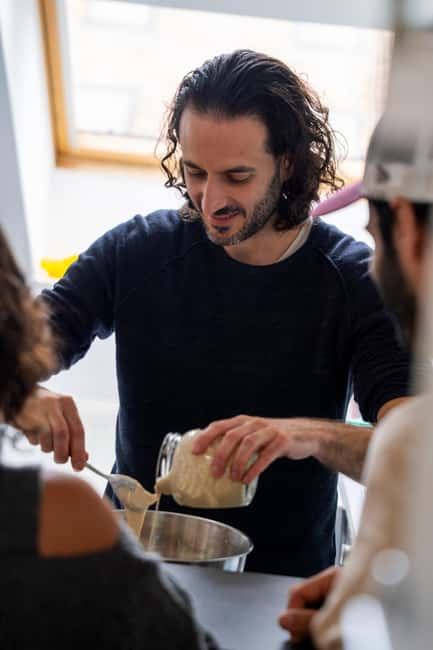
- All stages hands-on: starter care, autolyse, mixing, folds, shaping, baking.
- Small group of up to 6: you get guidance while you work.
- Drink during the dough rest: a short break for bread stories and questions.
- Take-home package: your baked loaf, recipes and tips, plus optional live starter.
Apulia Semolina Meets Viennese Fermentation, in Vienna
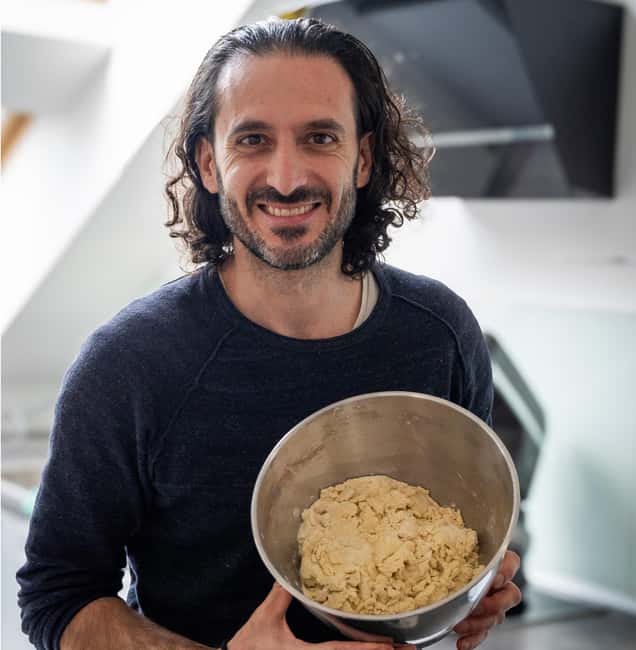
This workshop is built around a simple idea: flavor comes from time, and bread culture comes from people. The recipe draws on rustic Apulia semolina character, then uses natural fermentation methods that align with Viennese traditions. The result is the kind of loaf that tastes more complex than its ingredient list suggests.
You are not just learning how to bake bread. You are learning how to manage living dough. That matters because natural sourdough is not a plug-and-play recipe. The starter, the fermentation timing, the hydration feel, and the way you fold the dough all work together. When you understand that system, you can make sourdough more reliable at home.
Try a craft the old imperial way




Meet Patrik Montinari, and Why the Small Group Matters
The instructor is Patrik Montinari, and his workshop runs in Italian, German, and English. In practice, you can expect clear step-by-step guidance and a friendly explanation of what you are doing and why. Even if your German is rusty, the experience is designed to be teachable in English.
The group size is limited to 6 participants, which changes the whole vibe. In a bigger class, you can feel stuck watching while someone else kneads. Here, you are more likely to get real feedback while your hands are on the dough. In one past booking, the group was four and the session ran in English, and the pacing fit that hands-on style well.
Price and Value: What $147 Gets You (and What It Actually Covers)
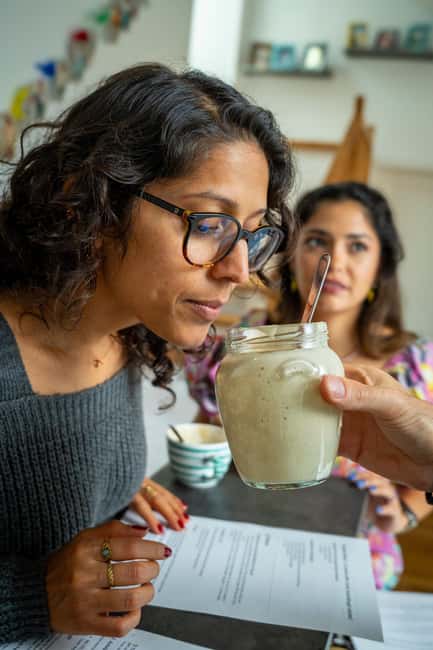
At $147 per person for a 150-minute workshop, the price can look high at first glance. But the value is in what is included: all ingredients (including Apulia semolina flour), baking equipment use, step-by-step instruction through every stage, a drink during a rest period, and a take-home loaf plus optional live starter.
You are also paying for the “in-between” knowledge. That is the part people usually struggle with at home, like how to keep a starter strong or what folding does during bulk fermentation. And because you take home both baked bread and a piece of live culture, you are not just leaving with memories. You leave with the ingredients and confidence to bake again.
If you are the type who likes learning by doing, this is the kind of class where the cost makes more sense quickly. If you only want a quick tasting or a very passive demo, you might not get your money’s worth.
Your 150 Minutes: Starter Refresh to Crisp Golden Crust
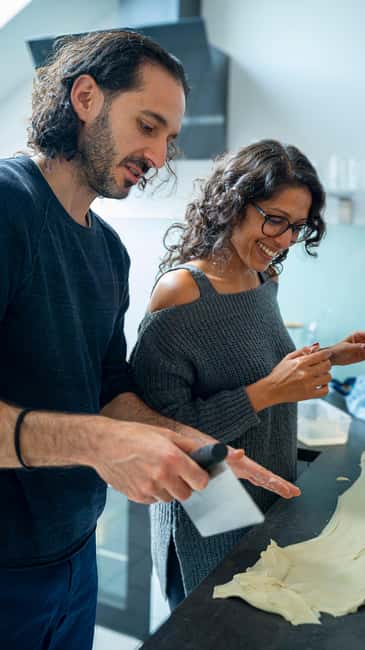
The workshop is structured around the complete sourdough arc, and you experience each stage yourself. Think of it like a guided walkthrough where the goal is competence, not just a finished loaf.
Here is the flow you can expect:
- Refreshing the sourdough starter
You learn how to feed and maintain natural yeast so it stays active. This is where sourdough stops being mysterious. You see what a “strong” starter looks and feels like, and you get the logic behind keeping it healthy.
- Autolyse
You mix flour and water and let them rest so gluten development starts naturally. This helps you build dough structure with less brute force later, and it gives you a clearer sense of what hydration is doing.
- Mixing the dough and balancing hydration
You combine ingredients and practice adjusting the feel of the dough. Texture matters here. The dough should be workable and elastic, not soup and not stiff concrete.
- Hand work and bulk fermentation
This is the kneading, folding, and resting portion. You develop strength through folds and learn how fermentation changes dough behavior over time.
- Pre-shaping and shaping
You practice artisan techniques to form the loaf. Shaping affects how your bread holds its structure in the oven and how the crumb sets.
- Baking
You bake until you get that crisp golden crust and soft, aromatic interior. The best part is seeing the transformation from shaped dough to a loaf that smells like you know what you are doing.
Between stages, there is a short break with a drink while you talk about bread cultures from Apulia and Vienna. You do not just learn technique, you also hear the stories that explain why these techniques grew where they did.
Beyond the palaces, the city keeps its own rhythm of coffee, concerts, and day trips nearby.
- Vienna: Vivaldi’s Four Seasons Concert in Karlskirche★ 4.7 · 14,951 reviews
- Vienna: Schönbrunn Palace & Gardens Skip-the-Line Tour★ 4.7 · 7,739 reviews
- Vienna: Light of Creation Votive Church Immersive Light Show★ 4.8 · 6,779 reviews
- Vienna Spanish Riding School Guided Tour★ 4.7 · 6,765 reviews
Feeding the Starter: The Skill That Actually Travels Home
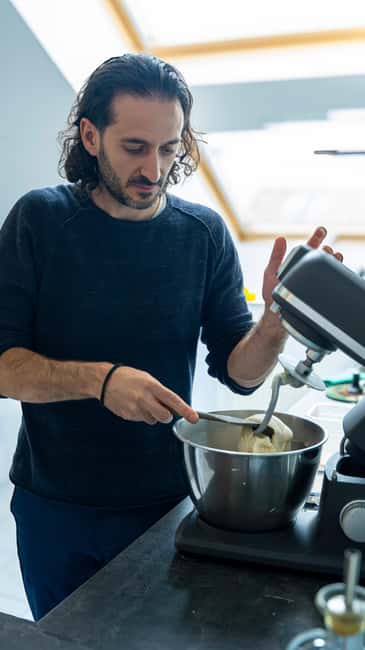
A big reason I like this workshop is that it treats the starter as a skill you can keep. You are shown how to refresh it, maintain it, and keep the yeast moving. That means you are not dependent on someone else’s kitchen schedule once you go home.
And at the end, you can take home a portion of live sourdough starter if you want. That is not just a cute souvenir. A starter is how you keep the fermentation system alive at your own rhythm. Even if you bake only once a week, having a live culture in your fridge lets you control the timing and build flavor through long fermentation.
One practical note: sourdough is a living routine. If you travel often or hate planning ahead, long fermentation might take some getting used to. But if you like the idea of bread that improves with time, this is right in your wheelhouse.
Autolyse, Hydration, and Folds: Where Dough Becomes Bread

Hands-on kneading and folding are not only exercise. They are your direct feedback loop. When you practice autolyse, you learn how flour hydrates and begins forming gluten structure on its own. When you later mix and adjust hydration feel, you start understanding dough as something you can read with your hands.
Then comes bulk fermentation, and this is where the “natural” part becomes real. During the long, slow fermentation, the dough develops flavor while becoming more digestible by design, according to the workshop approach. You also work on dough strength with folds. Folds are not just tradition, they are engineering: they redistribute ingredients, strengthen the gluten network, and create a more even fermentation.
If you have only ever baked with instant yeast, the sensation can be new. Don’t worry if your first shaping looks imperfect. The workshop is set up for beginners and passionate home bakers, so you learn the habits step by step.
The Culture Break: A Drink, Bread Stories, and Better Timing
This class includes a drink during the dough resting period, and it gives you breathing room to ask questions. That small pause is more useful than it sounds, because sourdough timing often frustrates people at home.
When you hear how Apulian and Viennese bread traditions connect, it helps you understand the choices behind the recipe. For example, why certain fermentation rhythms are prized. Or why the “long, slow” approach is not just a gimmick for gourmet bread. It is about flavor building, and the class gives you the reasoning you can use later.
Practical tip: use that break to ask how to judge fermentation at home with your own kitchen conditions. Flour brands, humidity, and room temperature can all change how a dough moves. If you leave understanding the cues, you will have an easier time repeating success.
Shaping and Baking: Getting the Crust and Crumb You Want
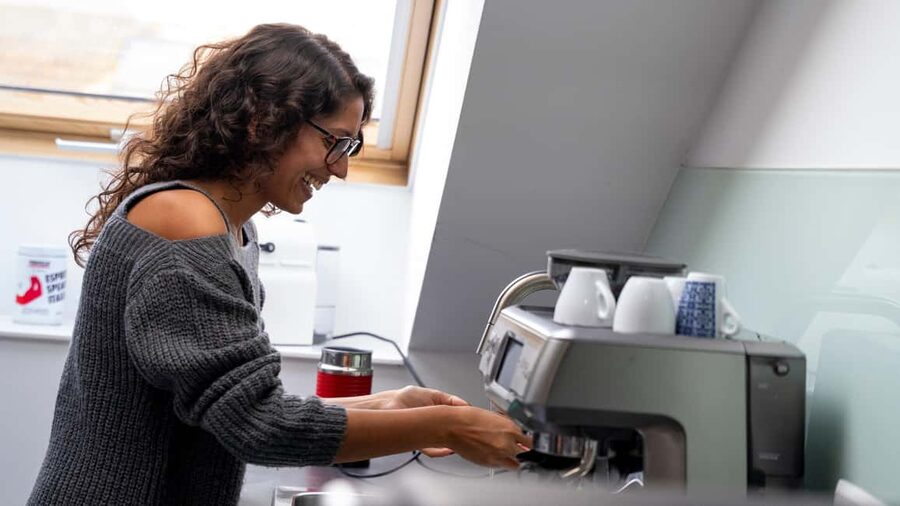
Shaping is where many home bakers give up. It feels fussy. It feels like art class. In reality, shaping is part technique, part dough behavior. This workshop teaches you artisan steps for pre-shaping and shaping, so your loaf holds together and traps the gases that form structure.
Then the oven does its job. You bake to get a crisp golden crust and a soft, aromatic crumb. That “aromatic” part is usually the payoff people notice first. Natural sourdough can smell almost sweet and nutty, not just sour. When fermentation is long and managed well, the flavor feels rounded, not sharp.
If you are worried about baking times, this is a good class to take. You learn the full process, which helps you understand what you are aiming for. Even if you do not bake the same loaf again tomorrow, you leave with a reference point for how it should look and feel.
What You Take Home: Loaf, Recipes, and Live Starter
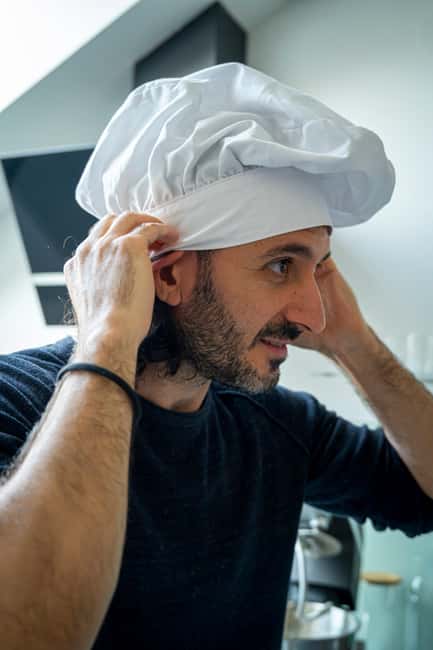
You leave with your freshly baked loaf, still warm from the oven experience. That is satisfying, but the real win is the take-home starter portion and the supporting materials.
You get:
- your baked sourdough loaf
- optional live sourdough starter to continue fermenting at home
- recipes and tips to bake again
Recipes and tips matter because sourdough often depends on timing cues more than exact minutes. Having the workshop guidance plus your own notes makes it easier to repeat. And taking starter home means you can practice without restarting from scratch.
In one English-language session with a small group of four, the take-home package included both a finished loaf and a dough starter you could keep going. That combination is what makes the workshop feel like training, not just a one-off experience.
Who Should Book This Workshop (and Who Might Prefer Another Style)
This is a great match if:
- you want hands-on sourdough with real technique coaching
- you like the idea of learning starter care and long fermentation
- you enjoy bread culture and want practical explanations, not just recipes
- you want to bake once at home and then keep baking
It is especially good for beginners because the course moves through the full process step by step. But it also suits passionate home bakers because long fermentation and dough handling skills are what separate “okay sourdough” from bread you actually crave.
A possible mismatch is if you only want a quick taste and photos. This is work. You will knead, shape, and bake. Wear comfortable clothes you are okay getting dough on.
Should You Book This Natural Sourdough Bread Workshop in Vienna?
If you want a genuine bread skill you can repeat, I think this workshop is worth booking. The value is strong because you get all ingredients, equipment access, full guidance through every stage, a drink during the process, and a take-home loaf plus live starter. The small group of up to 6 also makes it feel like a real class, not a crowded demo.
Book it if you are curious about how Apulia semolina character can pair with Viennese natural fermentation approaches, and if you want to leave with starter knowledge you can use immediately. Skip it only if you dislike hands-on cooking, prefer yeast-only baking with no fermentation planning, or do not want to manage a living starter routine at home.
If you like food that rewards patience, this one fits Vienna in a satisfying way: you learn, you bake, and then you carry the culture home in the form of real dough.
FAQ
How long is the Vienna sourdough bread workshop?
The workshop lasts 150 minutes.
Is the workshop suitable for beginners?
Yes. It is described as suitable for beginners and also for passionate home bakers.
What is included in the price?
The workshop includes the hands-on sourdough bread experience, all ingredients including Apulia semolina flour, use of baking equipment, step-by-step guidance, a drink during the dough resting period, a take-home loaf, recipes and tips, and you can take home a portion of live sourdough starter.
How big is the group?
The group is small, limited to 6 participants.
What languages are used by the instructor?
The instructor teaches in Italian, German, and English.
Is there wheelchair access?
Yes, the workshop is wheelchair accessible.
Latest Additions
- Wachau Valley Private Wine Tour with Tasting and Gourmet Lunch
★ 5.0 · 1 review - Vienna: Danube Valley Tour with Melk, Dürnstein with wine tasting and boat.
★ 5.0 · 1 review - Private city tour in Vienna
★ 5.0 · 1 review - Hallstatt Small Group Day Trip from Vienna
★ 3.0 · 1 review - Inside Freud’s Mind: Self-Guided Mystery Walk in Vienna
★ 4.0 · 1 review - Private Transfer from Vienna to Prague
★ 5.0 · 1 review - Vienna’s Christmas Market Magic Tour
★ 5.0 · 1 review
Workshops, compared.

Chocolate workshop in Chocolate Museum Vienna “BO-YO”
Read our review →


Vienna; Cooking Class: Make Schnitzel & Apple Strudel
Read our review →
Get Crafty with Crystals: Your DIY Swarovski Workshop
Read our review →Browse the lists this tour appears in