
Reviewed · WORKSHOPS
Vienna: Italian-Austrian Pastry Class – Pasticciotto & Drink
Pastries with an Italian and Austrian twist. I love that you make shortcrust pastry from scratch and then shape classic pasticciotti filled two ways, Italian and Austrian. One thing to plan for: the class happens on the top floor with no elevator, so stairs matter if you have mobility limits.
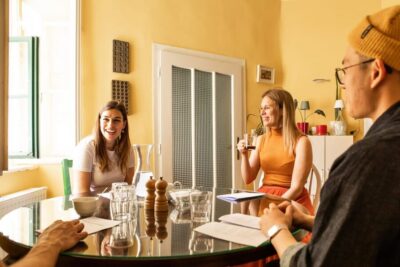
This is a hands-on class in a warm, lived-in home in Vienna, not a factory kitchen. You start with a welcome drink (cocktail or Italian-style coffee), get into the rhythm with a small group limited to 6, and learn from instructor Patrik Montinari with support in English, Italian, and German.
The best part for me is how practical the teaching feels: you leave with a printed recipe and a few smart ideas you can actually repeat at home. The price is $93 for 150 minutes, so it’s aimed at people who want to bake, eat, and learn technique, not just watch.
In This Review
- Key things to know before you bake in Vienna
- First Sip, Then Flour: the cozy home start in Vienna
- Shortcrust pastry dough from scratch, taught step-by-step
- Fillings that prove Italian and Austrian pastry overlap
- Shaping and sealing pasticciotti so they bake right
- Baking, then relaxing: the rooftop terrace tasting
- What you take home: a printed recipe plus real confidence
- Price and value of a 150-minute Italian-Austrian baking class
- Who this class suits best, and who should skip it
- Practical tips so your pastry day goes smoothly
- Should you book this Vienna Italian-Austrian pastry class?
- FAQ
- How long is the Vienna Italian-Austrian pastry class?
- What pastry will I learn to make?
- Is a welcome drink included?
- Are ingredients and tools provided?
- Is there vegetarian or vegan food available?
- Can the class accommodate allergies?
- Where do you eat the pastries after baking?
- What languages are spoken during the class?
- Is the meeting space accessible by wheelchair?
Key things to know before you bake in Vienna
- A welcome drink right at the start keeps the tone relaxed, whether it’s a coffee or a seasonal cocktail
- Shortcrust pastry dough from scratch means you learn the base, not just assemble fillings
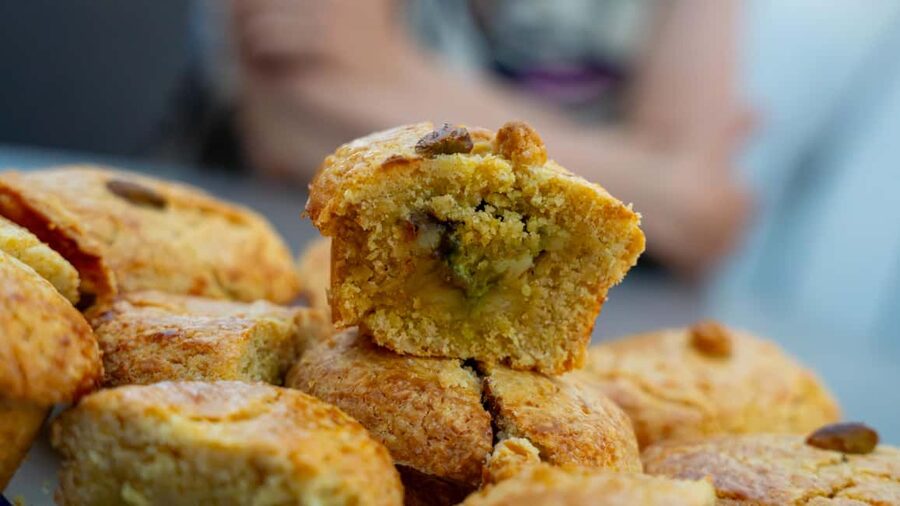
- Italian and Austrian fillings in one session like lemon custard or ricotta cream plus apple-cinnamon, plum jam, or Marillenmarmelade
- Small group size (6 people max) gives you room to ask questions and get hands-on help
- Rooftop terrace tasting after baking pairs what you made with Italian coffee or tea, weather permitting
- Top floor, no elevator is the main practical consideration you should plan around
First Sip, Then Flour: the cozy home start in Vienna
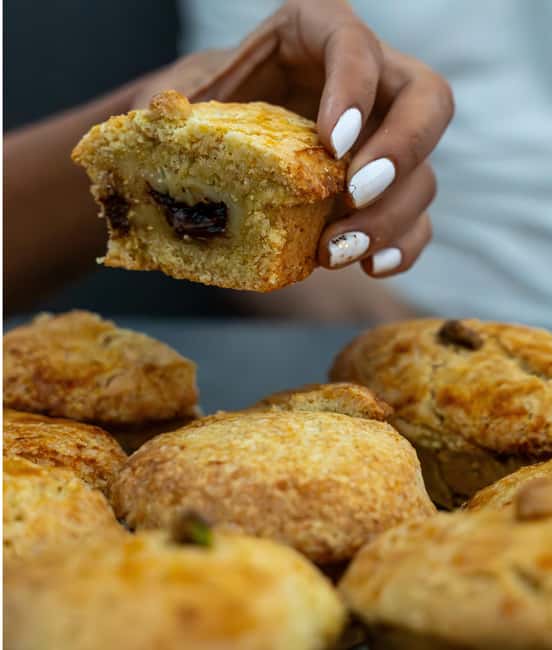
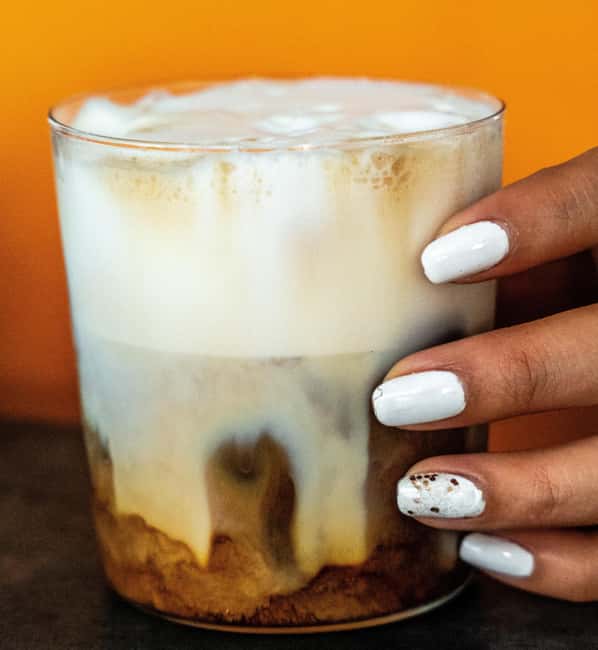
This class begins like a friendly afternoon at someone’s place. You arrive to a warm setup in the heart of Vienna, get introduced to the host team, and settle in with your welcome drink. Depending on the time of day and what you prefer, that’s a handcrafted cocktail or an Italian-style coffee, and it instantly makes the whole experience feel social rather than rigid.
What I like about this start is that it’s not just a free drink. It’s a buffer. You have a moment to meet the group, ask basic questions, and get comfortable before flour starts flying.
You’re also not doing this with a crowd. The group is limited to 6 participants, so you tend to get more personal attention while you work the dough. That matters because good pasty making is mostly hands and feel.
Try a craft the old imperial way



Shortcrust pastry dough from scratch, taught step-by-step
Most pastry classes teach you the final look. This one teaches you the build.
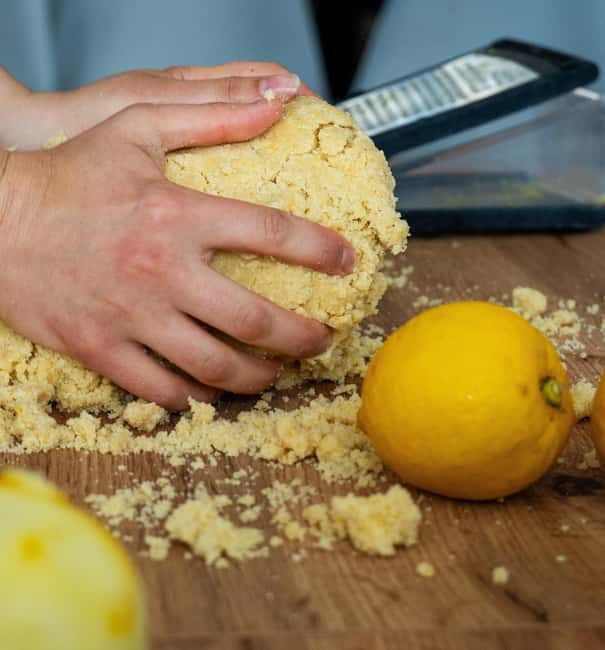
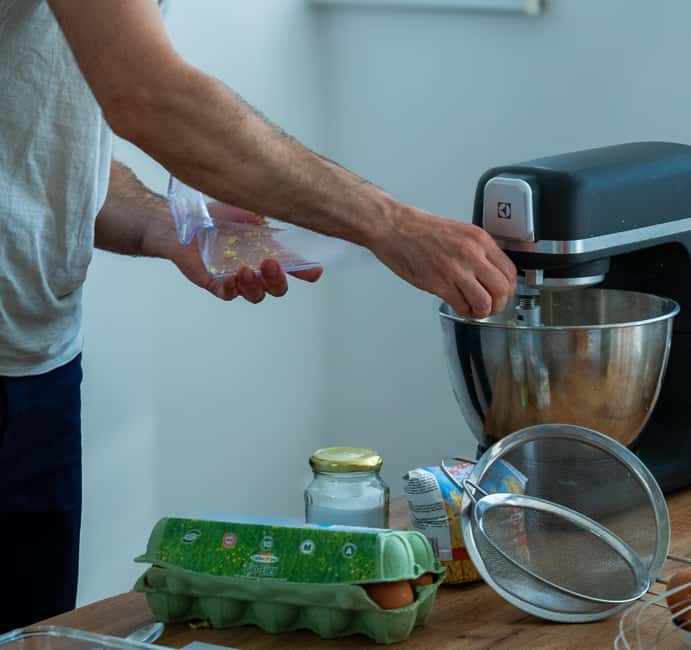
You’ll learn to make the shortcrust pastry dough from scratch, with step-by-step guidance throughout. That’s the foundation for everything that comes after. If you ever tried baking and ended up with dough that’s tough, shrinks too much, or tastes flat, knowing the “why” behind technique is the fix.
In a session like this, you should pay attention to texture as you mix and handle the dough. Shortcrust pastry is sensitive to how it’s worked, so the instructor’s pacing and prompts help you avoid common mistakes. The upside is that once you learn the base, the rest becomes easier, because you’re not reinventing the dough every time you try a new filling.
Also, since you’re working with real ingredients and tools, you get a feel for what “correct” looks like. That’s why these classes can be more valuable than an ingredient list you find online later.
Fillings that prove Italian and Austrian pastry overlap
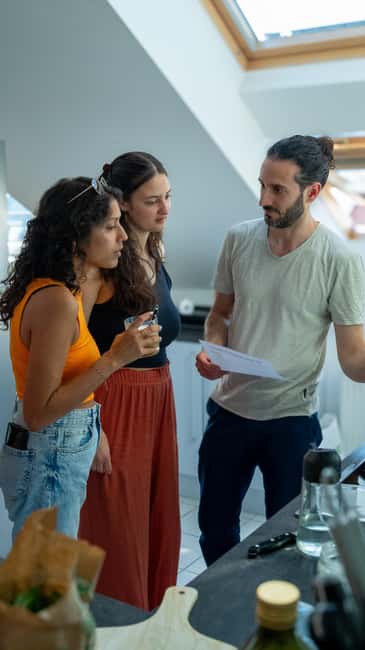
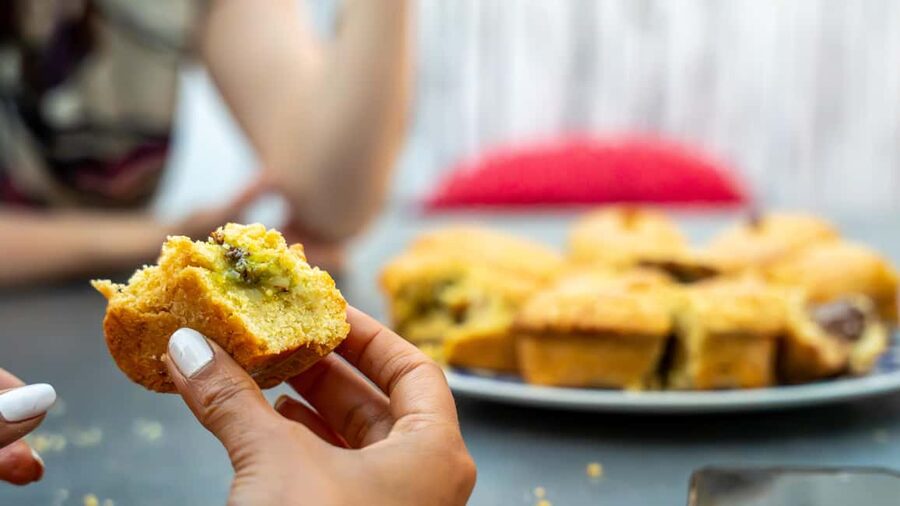
The whole point here is the cultural fusion. The dessert you make, pasticciotto, is rooted in Southern Italy, but you’ll see how Austrian flavors can play nicely with that same pastry form.
You’ll create classic Italian and Austrian-inspired fillings in the same session. For the Italian side, expect options such as:
- lemon custard
- ricotta cream
- vanilla
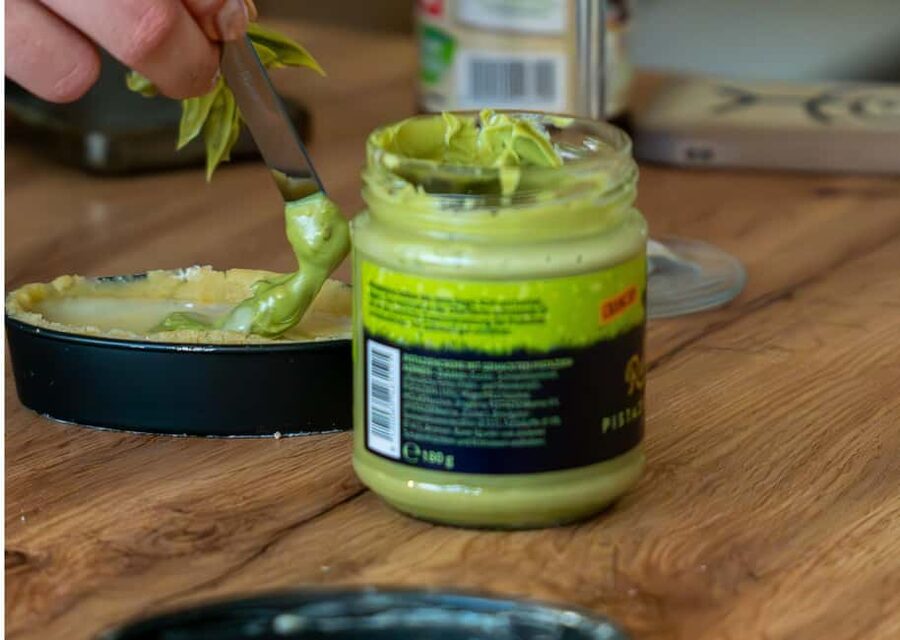
Then you shift to the Austrian-inspired side, where flavors often feel more jammy, fruity, or chocolate-forward. You might work with ingredients like:
- warm apple and cinnamon
- plum jam
- rich dark chocolate
- Marillenmarmelade, apricot jam, similar to the fruit style you see in a Sachertorte
What I like is that the class doesn’t treat this as random “mix and match.” You get insight into how ingredients reflect local food traditions, and how Italian and Austrian cuisines differ and overlap through pastry. That makes it more than a cooking trick. It turns the class into a food story you can retell.
Shaping and sealing pasticciotti so they bake right
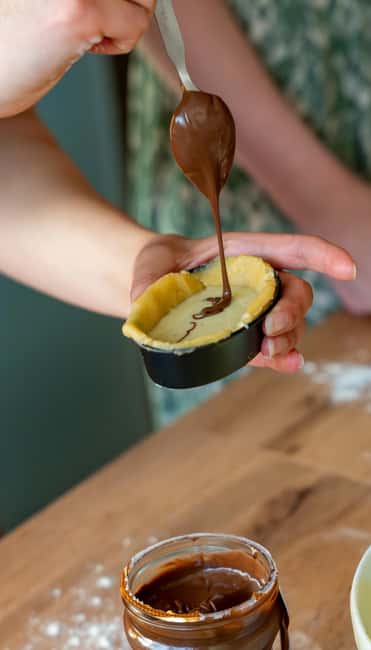
Once your dough is ready, you move into shaping. You’re not just filling a tart shell. You’ll create pasticciotti by forming the pastry, sealing it, and baking your creations.
This is where a lot of home bakers struggle, because the filling can leak or the dough can behave differently depending on thickness and how well it’s sealed. In this class, the guidance is the point. You get hands-on coaching while you work, which helps you understand:
- how thick to roll or press the dough
- how much filling to add so it doesn’t overflow
- how to seal so it stays intact in the oven
You also get room for creativity. Even when you start with classic fillings, the session encourages you to explore variations with the Austrian ingredients on offer. That’s a big part of why the class feels fun, not just instructional.
And since you’ll have a printed recipe later, you’re not just relying on memory. You can take the method home and use it to recreate the exact shapes and filling combinations you liked.
Beyond the palaces, the city keeps its own rhythm of coffee, concerts, and day trips nearby.
- Vienna: Vivaldi’s Four Seasons Concert in Karlskirche★ 4.7 · 14,951 reviews
- Vienna: Schönbrunn Palace & Gardens Skip-the-Line Tour★ 4.7 · 7,739 reviews
- Vienna: Light of Creation Votive Church Immersive Light Show★ 4.8 · 6,779 reviews
- Vienna Spanish Riding School Guided Tour★ 4.7 · 6,765 reviews
Baking, then relaxing: the rooftop terrace tasting
After the baking is done, you get to eat your work right away. You’ll take your pasticciotti up to a rooftop terrace for tasting, with Italian coffee or tea.
This part changes the whole mood. In many cooking classes, eating feels like an afterthought. Here, the terrace turns it into a small celebration. You can slow down, chat, and compare what different fillings taste like in the same pastry shell.
Weather plays a role because the rooftop tasting is weather permitting. If the day is good, you get that extra Viennese payoff, a view over the city while you enjoy what you made. Even if the terrace option is limited by conditions, you still get the tasting component as part of the experience.
For me, that pairing of baking plus a proper sit-down moment is what makes this class feel complete.
What you take home: a printed recipe plus real confidence
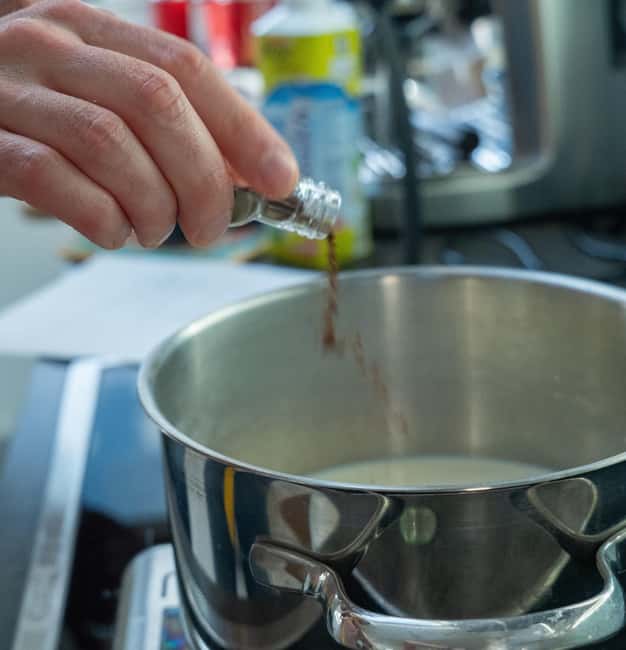
You leave with a printed recipe, so you can recreate your pasticciotto at home. That sounds simple, but it’s actually one of the highest-value parts of the experience.
A lot of cooking classes end with you eating dessert and feeling inspired, then the inspiration fades and you never repeat it. A printed recipe gives you a step back to the process: quantities, method, and the “shape and fill” logic you practiced.
You also come away with new ideas for future baking. Even if you don’t make pasticciotti again immediately, you can use the same technique mindset:
- master the pastry base
- choose fillings that match the pastry’s texture
- aim for sealing quality so the filling stays where it belongs
That’s the kind of learning that transfers to other pastries too.
Price and value of a 150-minute Italian-Austrian baking class
At $93 per person for about 150 minutes, this isn’t a low-cost snack workshop. It’s priced for hands-on baking, ingredient coverage, instruction, and the meal component.
Here’s why it can still feel like good value, if your goal is to bake:
- You get to make the core dough from scratch, not just assemble items.
- You work with both Italian and Austrian-style fillings.
- You receive a printed recipe to take home.
- You get at least one welcome drink, plus coffee or tea during tasting.
- The class is limited to 6 people, so attention is built into the structure.
If you only want to taste desserts, you’ll likely find cheaper options around Vienna. But if you want the technique, the cultural angle, and the satisfaction of making pastries you can repeat later, the price starts to make sense fast.
In other words, treat this as a cooking class with dessert included, not as a dessert tour.
Who this class suits best, and who should skip it
This is ideal for people who want an interactive food experience in Vienna. If you enjoy learning kitchen technique and you like Italian flavors and Austrian fruit, chocolate, or jam-style profiles, you’ll have a great time.
It’s also a solid choice for a family visit, because it’s described as child-friendly while still focused on adults. Small group size can help keep it comfortable for mixed ages.
A key consideration: vegetarian or vegan options are available, and you should inform the team in advance about allergies. At the same time, the experience is not suitable for people with food allergies, so if allergies are a risk for you, I’d treat this as a hard stop rather than a “maybe.” If you’re not sure what’s safe, ask before booking and be honest about what can trigger you.
Practical tips so your pastry day goes smoothly
A few small choices make a big difference.
- Wear comfortable clothes and bring something that can get dirty. Baking is messy, especially when you’re learning pastry dough handling.
- Expect stairs. The space is on the top floor with no elevator, so plan accordingly.
- Come with an appetite. You’ll get a welcome drink and then coffee or tea with tasting after baking.
- If you want to pick your welcome drink, decide in advance whether you prefer Italian-style coffee or a cocktail. The class matches the options to timing and preference.
- If you have dietary needs beyond allergy concerns, let the host know ahead of time so vegetarian or vegan options can be prepared.
Also, the teaching is in English, with Italian and German spoken if needed. If you’re more comfortable in one of those languages, you can choose your communication style early.
Should you book this Vienna Italian-Austrian pastry class?
Book it if you want a hands-on baking experience, not just a food stop. I’d especially recommend it if you like learning technique and you’re curious about how Southern Italian desserts can pair with Austrian flavor habits. The small group limit and the rooftop tasting turn the class into a full afternoon, not a rushed workshop.
Skip it if you have food allergies that require strict avoidance. And be sure you’re comfortable with stairs since the venue is on the top floor with no elevator.
If your schedule allows, this is one of those Vienna activities where you leave with something tangible, your pasticciotti, your new skills, and a printed recipe you can actually use at home.
FAQ
How long is the Vienna Italian-Austrian pastry class?
The class lasts 150 minutes.
What pastry will I learn to make?
You will learn to make pasticciotto using shortcrust pastry dough and both Italian and Austrian-inspired fillings.
Is a welcome drink included?
Yes. You get a welcome drink, either Italian coffee or a seasonal handcrafted cocktail, depending on the time of day and your preference.
Are ingredients and tools provided?
Yes. All ingredients and tools are included.
Is there vegetarian or vegan food available?
Vegetarian or vegan options are available.
Can the class accommodate allergies?
You should inform the team in advance about allergies, but the experience is not suitable for people with food allergies.
Where do you eat the pastries after baking?
After baking, you taste your creations on a rooftop terrace with Italian coffee or tea, weather permitting.
What languages are spoken during the class?
The class is conducted in English, with Italian and German also spoken if needed.
Is the meeting space accessible by wheelchair?
The experience is wheelchair accessible, but the space is on the top floor with no elevator.
Latest Additions
- Wachau Valley Private Wine Tour with Tasting and Gourmet Lunch
★ 5.0 · 1 review - Vienna: Danube Valley Tour with Melk, Dürnstein with wine tasting and boat.
★ 5.0 · 1 review - Private city tour in Vienna
★ 5.0 · 1 review - Hallstatt Small Group Day Trip from Vienna
★ 3.0 · 1 review - Inside Freud’s Mind: Self-Guided Mystery Walk in Vienna
★ 4.0 · 1 review - Private Transfer from Vienna to Prague
★ 5.0 · 1 review - Vienna’s Christmas Market Magic Tour
★ 5.0 · 1 review
Workshops, compared.
Chocolate workshop in Chocolate Museum Vienna “BO-YO”
Read our review →

Vienna; Cooking Class: Make Schnitzel & Apple Strudel
Read our review →
Get Crafty with Crystals: Your DIY Swarovski Workshop
Read our review →Browse the lists this tour appears in