Reviewed · GUIDED
Vienna: Guided Tour about Sewage, Viennese Filth & Toilettes
Vienna gets weird, in the best way. This 150-minute German walking tour treats sewage, toilets, and everyday street problems as serious city history, and it uses big landmarks like St. Stephen’s Cathedral and the Hofburg as backdrops for stories about inventions, garbage, and even the mystery around Mozart. I also like how it connects practical topics, from bad water to where to go for help in public, to what it must have felt like living with a loud, dense, messy city. One drawback: the tour is in German, so if you are not comfortable with the language, you may miss some of the finer points.
You’ll start at Franz-Josefs-Kai 17, meet near Subway Station Schwedenplatz, and finish by Kleine Ungarbrücke after a walk that runs through Schwedennplatz, the cathedral area, the Hofburg, and Stadtpark. The pace is sightseeing plus story time, and the tour runs in all weathers, so dress for wet or cold.
In This Review
- Key things I’d highlight before you go
- Why a sewage-and-toilets tour makes sense in Vienna
- Price and time: is $42 good value for this kind of tour?
- Where it starts, where it ends, and what to do with the German language
- From Schwedenplatz to Stadtpark: the route in plain English
- Schwedenplatz: start with the city’s daily survival problems
- St. Stephen’s Cathedral: turning a landmark into a contrast story
- Hofburg Palace: where power meets public problem-solving
- Stadtpark and the finish by Kleine Ungarbrücke: closing with habits, hygiene, and the city machine
- What you will actually learn: sewage, rivers, electricity, and city noise
- The messy science of water and waste
- Rivers of Vienna, before they were “pretty”
- Electricity and garbage collection as daily life drama
- Horses around 1900: the city’s working engine
- Vienna facts that feel like a challenge question
- Practical tips so you enjoy every minute
- Who should book this sewage-and-toilets Vienna tour
- Should you book this Vienna sewage and toilets walk?
- FAQ
- How long is the tour?
- What is the price per person?
- What language is the tour in?
- Where do I meet the guide?
- Where does the tour start and where does it end?
- What main sights are on the route?
- Is the tour wheelchair accessible?
- Does the tour run in bad weather?
- Can I cancel for a full refund?
Key things I’d highlight before you go
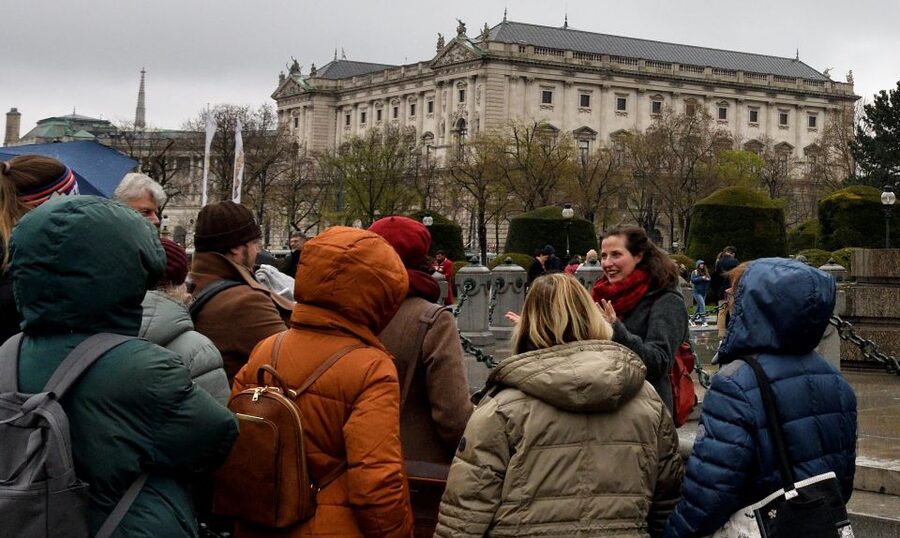
- Toilets as a city story: you will learn how daily sanitation shaped what life felt like in Vienna
- Everyday infrastructure, explained: electricity, garbage collection, and bad water all show up in the street-level talk
- Big-name curiosity: you’ll hear about why people do not know exactly where Wolfgang Amadeus Mozart is buried
- A phrase with attitude: you will find out what go in a barrel actually points to
- Vienna beyond the postcards: the city’s rivers, smells, and noise get attention, not just palaces
- Horses and the 1900s city machine: you will hear how important horses were and roughly how many there were around 1900
Why a sewage-and-toilets tour makes sense in Vienna
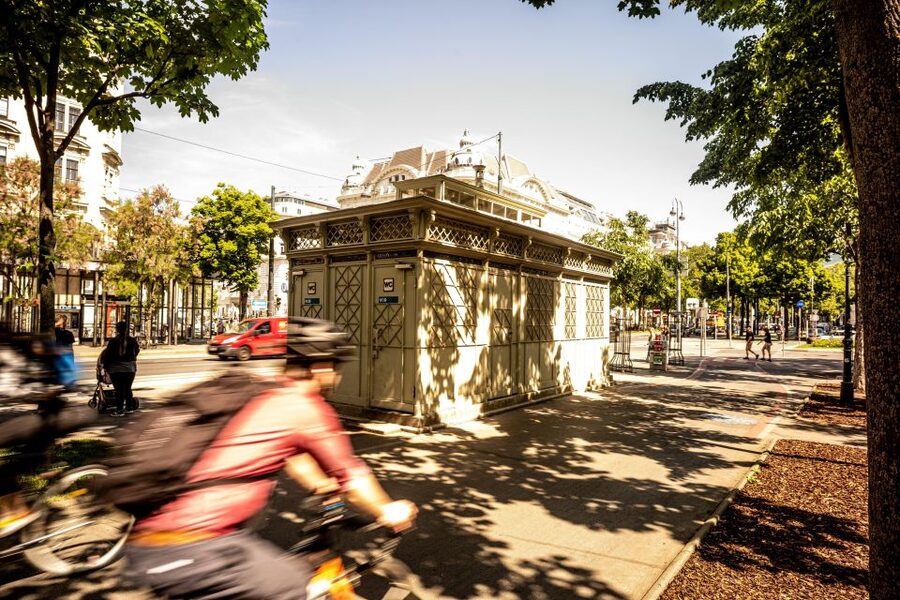
Vienna is famous for music, grand buildings, and careful beauty. This tour adds a different angle: the stuff that makes a city work day to day, like sewage systems, street litter, and the chaos of trying to keep public life functional before modern conveniences.
The genius here is that the guide does not treat sanitation like a weird side topic. It’s presented as civic life. When you hear how citizens coped with toilet needs on the street, you start seeing Vienna as something built by problem-solvers. That is true whether you are standing by a cathedral or walking toward Stadtpark.
You also get a reality check on comfort. If you have only seen Vienna’s clean façades, it can feel oddly timeless. This walk makes it feel like a living place that used to have terrible smells, messy waste, and constant maintenance issues.
Other ways to round out a Vienna visit

Price and time: is $42 good value for this kind of tour?
At $42 per person for about 150 minutes, this is priced like a focused walking tour. The value comes from the topic choice plus the guide format. You are not paying for a museum ticket or a long ride. You are paying for a state-certified guide to connect several themes into one route.
Also, the tour is built around storytelling, fun facts, and inventions. That matters because sewage and water history can sound dry on paper. Here, it is tied into concrete questions you can picture, like how dense the city got, why young trees on the Ring had problems at first, and why the rivers were not loved the way they are today.
If you like practical history, this is a smart use of half a day. If you only want classic sightseeing with minimal “gross stuff,” you may find the topic heavy. Keep that in mind before you commit.
Where it starts, where it ends, and what to do with the German language
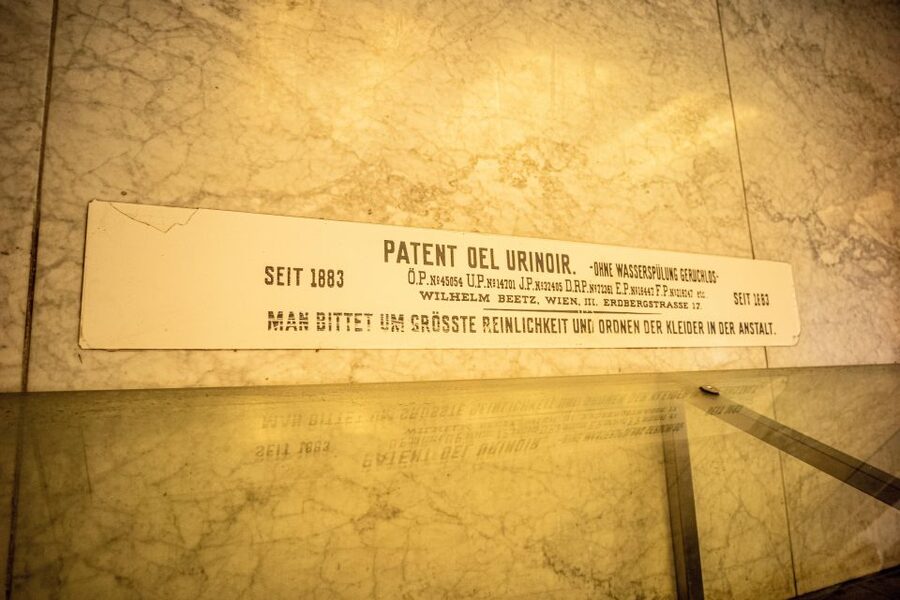
You meet next to Subway Station Schwedenplatz, at the corner of Hafnersteig and Schwedenplatz, by the ice-cream shop Eissalon Schwedenplatz. The tour itself starts at Franz-Josefs-Kai 17, also in the 1st District, and it ends at Kleine Ungarbrücke 111, 1010 Wien, after you reach Stadtpark.
This is also a language reality check. The tour runs in German only. That does not automatically mean you cannot enjoy it, but it does mean you should prepare. If your German is basic, you might still follow the route and pick up key ideas, but the finer explanations, like the why behind citizen routines and inventions, could be harder to catch.
Practical tip: arrive a few minutes early and take a quick look around Schwedenplatz before you start. When the guide begins connecting the street scenes to the stories, you will understand faster.
From Schwedenplatz to Stadtpark: the route in plain English
The walk is designed so you do not just “pass by” Vienna. You start seeing specific places as part of a city-wide system, from water and waste to public behavior.
Beyond the palaces, the city keeps its own rhythm of coffee, concerts, and day trips nearby.
- Vienna: Vivaldi’s Four Seasons Concert in Karlskirche★ 4.7 · 14,951 reviews
- Vienna: Schönbrunn Palace & Gardens Skip-the-Line Tour★ 4.7 · 7,739 reviews
- Vienna: Light of Creation Votive Church Immersive Light Show★ 4.8 · 6,779 reviews
- Vienna: Classical Concert in the World-Famous Musikverein★ 4.6 · 6,673 reviews
Schwedenplatz: start with the city’s daily survival problems
You kick off in the area around Schwedenplatz. This is a strong choice because the guide can anchor the talk in real city life right away. You will hear how Vienna’s rivers factored into everyday living, and how people did not treat them like the pleasant backdrop you see in photos today.
This is also where the tour’s “how a citizen deals with it” angle becomes clear. Expect discussion of who you would call if you needed to go to the toilet on the street, and how litter and street cleanliness were constant issues. Even if you have visited central Vienna before, this part reframes the experience. You stop thinking of the street as scenery and start thinking of it as a living infrastructure problem.
St. Stephen’s Cathedral: turning a landmark into a contrast story
Next comes the St. Stephen’s Cathedral area. Here, the guide uses a contrast method. You are standing next to one of Vienna’s most recognizable buildings, yet the tour pulls your attention to the less glamorous side of urban life.
This stop works well if you enjoy the “before and after” feeling. The cathedral gives you a sense of permanence, while the sewage-and-water talk reminds you that cities change constantly. You will come away with a sense that even famous stone buildings exist within messy systems of daily needs.
If you dislike gloomy topics, you might find this section emotionally jarring. But it is not meant to be only gross. It is meant to show how big city life depends on constant, invisible work.
Hofburg Palace: where power meets public problem-solving
Moving on to the Hofburg Palace area, you get another contrast layer. Palaces often represent authority, taste, and control. This tour uses that backdrop to talk about inventions and the way new technology kept arriving like a daily event.
The guide also brings in street-level reality, like garbage collection and how electricity entered city life. In other words, you are not only learning that inventions happened. You are learning what kinds of daily problems they were trying to solve.
Practical value: you start to notice how a city’s power structures and public systems often connect. Even if you are not thinking about sewage at home, you are learning how modernization tends to show up as services, maintenance, and coordination.
Stadtpark and the finish by Kleine Ungarbrücke: closing with habits, hygiene, and the city machine
The tour wraps at Stadtpark, then finishes near Kleine Ungarbrücke. This is a good ending because you can transition from dense, story-heavy streets into a more park-like pace.
This part is where a few of the tour’s standout curiosities can land well. You will hear about the best bath or spa in town, including who has enjoyed it and who enjoys it now. You will also circle back to how horses shaped the city around 1900, since animal labor was part of how the streets functioned, long before modern transport changed the equation.
The ending near Kleine Ungarbrücke is also practical. It gives you a clear exit point after about 2 to 2.5 hours. From there, it’s easier to continue sightseeing or head back to your hotel without feeling trapped mid-route.
What you will actually learn: sewage, rivers, electricity, and city noise
This tour is built around a set of themes that keep looping and building on each other.
The messy science of water and waste
You will talk about bad water and terrible smells, and how these issues shaped daily habits. The point is not just shock value. It’s how sanitation affects public health, street behavior, and civic priorities.
When you think about it, the “toilets on the street” question is really about access. Who gets help, how quickly it arrives, and what people do when systems fail. That is the kind of city knowledge that makes modern Vienna feel more real.
Rivers of Vienna, before they were “pretty”
The tour asks you to imagine the rivers before they became beloved urban features. If you only know them as scenic water, it helps to hear that they were once treated differently, and not always kindly.
This is one of those mental flips that sticks. Suddenly the city looks less like a finished product and more like an ongoing project.
Electricity and garbage collection as daily life drama
You will hear about electricity and garbage collection, presented as part of a time when new technology was invented all the time. The guide connects that to a dense, noisy city, which helps you understand how modernization can feel both exciting and disruptive.
Even if you have read bits of European history before, this is the angle most tours skip. It treats technology like a lived experience, not a textbook topic.
Horses around 1900: the city’s working engine
Horses show up as a key part of the urban system around 1900. The tour explains how important they were and how many were around at that time.
This matters because horses link infrastructure to waste, streets to transport, and labor to sanitation. It also helps you understand why street cleanliness was such an urgent civic concern.
Vienna facts that feel like a challenge question
The guide also sprinkles in curiosity-driven items that keep the walk playful without losing the theme.
One highlight is the meaning behind the phrase go in a barrel. You will learn what it actually points to, and why it connects to how people dealt with waste in earlier city life.
Another is the Mozart burial mystery. The tour raises the question of why people do not know exactly where Wolfgang Amadeus Mozart is buried, tying big cultural myths to the messiness of records and history.
And then there is the bath and spa topic. The guide talks about the best bath or spa in town, who enjoyed it, and who enjoys it now. Even if you end the tour wanting a relaxing soak, you will have earned the recommendation through context. You are learning what people did for hygiene, comfort, and social life.
Practical tips so you enjoy every minute
This tour runs in all weathers and lasts about 150 minutes, so plan like it will be a real walk, not a casual stroll.
- Dress for weather. Rain, cold, and wind can matter a lot when you are outside that long.
- Wear comfortable shoes. You will be moving between the main sights, and the theme keeps you mentally engaged, which makes it easier to forget you are standing.
- Expect story time. Bring patience for explanations about inventions, street problems, and civic behavior.
- If you do not speak German fluently, do not panic. Watch the guide’s gestures and focus on the route and the big ideas. You will still get a sense of the city’s logic even if the language is fast.
Who should book this sewage-and-toilets Vienna tour
You should book it if you like urban history, practical thinking, and the kind of stories that make a city feel lived-in. It is also a great choice if you already know Vienna’s major sights and want something that connects those sights to everyday systems.
It may not be the right fit if you only want light, postcard sightseeing with zero talk about smells, waste, or sanitation. Also, because it is German only, it is best for visitors who can follow a guided talk in German or who enjoy learning through tone, context, and repetition.
Should you book this Vienna sewage and toilets walk?
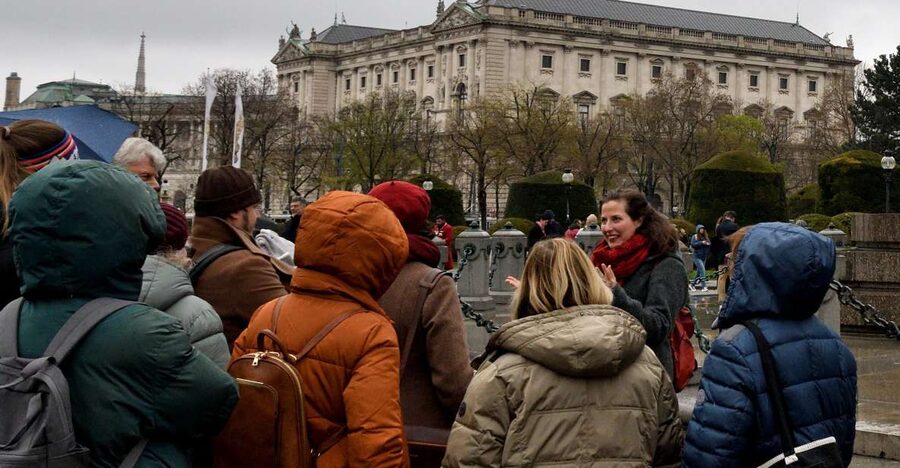
If you are curious about how a city actually works, I think this is a smart half-day choice. For $42, you get a focused route from Schwedenplatz toward Stadtpark with a state-certified guide and a topic that most tours never touch. The result is Vienna history that feels usable and human, not just decorative.
If your German is limited and you need a slow, translated experience, you might prefer a standard sightseeing tour instead. But if you want Vienna with fewer rose-colored assumptions and more real-city details, this is an excellent pick.
FAQ
How long is the tour?
The tour lasts about 150 minutes, roughly 2 to 2.5 hours.
What is the price per person?
The price is $42 per person.
What language is the tour in?
The tour is in German.
Where do I meet the guide?
You meet in the 1st District next to Subway Station Schwedenplatz, at the corner of Hafnersteig and Schwedenplatz, next to the ice-cream shop Eissalon Schwedenplatz.
Where does the tour start and where does it end?
It starts at Franz-Josefs-Kai 17 and ends at Kleine Ungarbrücke 111, 1010 Wien, Austria.
What main sights are on the route?
The tour includes Schwedenplatz, St. Stephen’s Cathedral, Hofburg Palace, and Stadtpark.
Is the tour wheelchair accessible?
Yes, it is listed as wheelchair accessible.
Does the tour run in bad weather?
Yes, it takes place in all weathers, so dress properly.
Can I cancel for a full refund?
Yes. Free cancellation is available up to 24 hours in advance for a full refund.
Latest Additions
- Wachau Valley Private Wine Tour with Tasting and Gourmet Lunch
★ 5.0 · 1 review - Vienna: Danube Valley Tour with Melk, Dürnstein with wine tasting and boat.
★ 5.0 · 1 review - Private city tour in Vienna
★ 5.0 · 1 review - Hallstatt Small Group Day Trip from Vienna
★ 3.0 · 1 review - Inside Freud’s Mind: Self-Guided Mystery Walk in Vienna
★ 4.0 · 1 review - Private Transfer from Vienna to Prague
★ 5.0 · 1 review - Vienna’s Christmas Market Magic Tour
★ 5.0 · 1 review
Guided, compared.
Guided Walking Tour of City Center Highlights
Read our review →
Tickets for Mozarthaus Vienna with Audio Guide
Read our review →
Day trips from Vienna: Hallstatt & Salzburg Guided Tour
Read our review →
Guided Walking Tour of City Highlights & Hidden Gems
Read our review →