
Reviewed · WINE TOURS
Vienna: Austrian Wine Tasting Experience
Vienna has wine in its DNA. In this 90-minute, small-group session, I like how the sommelier walks you through four wines with friendly clarity, and how Nina’s style makes the whole thing feel easy. You’re not stuck in a classroom, you’re learning by tasting.
Second, I really like the pairing setup, with an antipasti cold plate that keeps you grounded while the flavors shift from glass to glass. One consideration: this experience is not suitable for wheelchair users, and it’s limited to adults (no one under 18).
In This Review
- Quick Hits
- Why Viennese Wine Works So Well in a Short Tasting
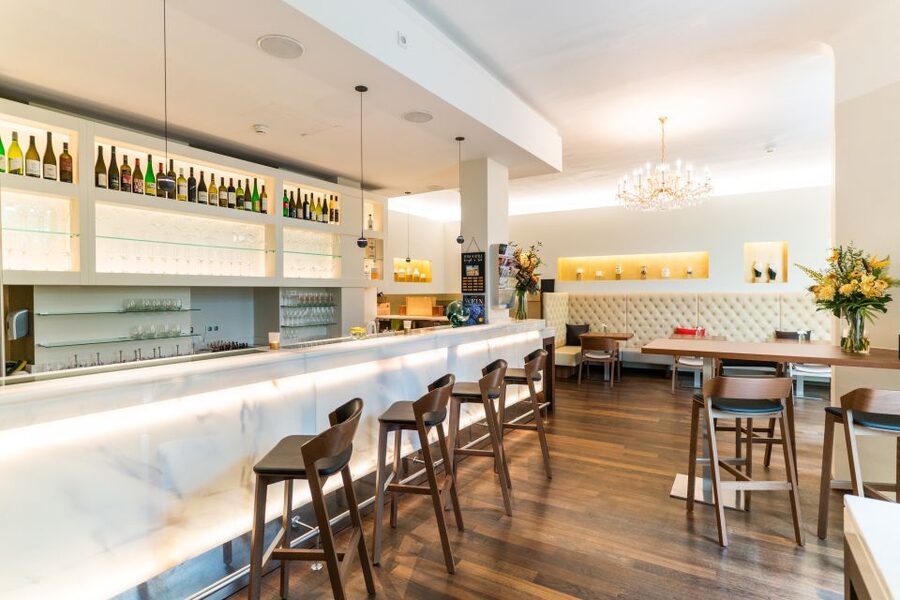
- The City-Center Setting at Hotel Rathaus Wein & Design
- How the Sommelier Tasting Actually Feels: Four Wines, Clear Notes
- Grüner Veltliner, and the Big Idea Behind Vienna’s White Wine
- Red Wine in Vienna: Zweigelt and Blaufränkisch, Not Afterthoughts
- The Antipasti Cold Plate: What You Should Use It For
- Vienna’s Vineyard Hills: Roman Roots to Microclimates
- Group Size and Languages: Why Small Groups Matter for Learning
- When This Experience Fits Your Travel Style
- Practical Tips So You Get the Most From the Tasting
- Price and Value: What You’re Really Paying For
- Should You Book This Vienna Wine Tasting?
- FAQ
- How long is the Vienna wine tasting experience?
- What wines are included?
- Is food included?
- What languages does the tour guide speak?
- Where do I meet and what do I bring?
- Is this activity suitable for kids or wheelchair users?
Quick Hits
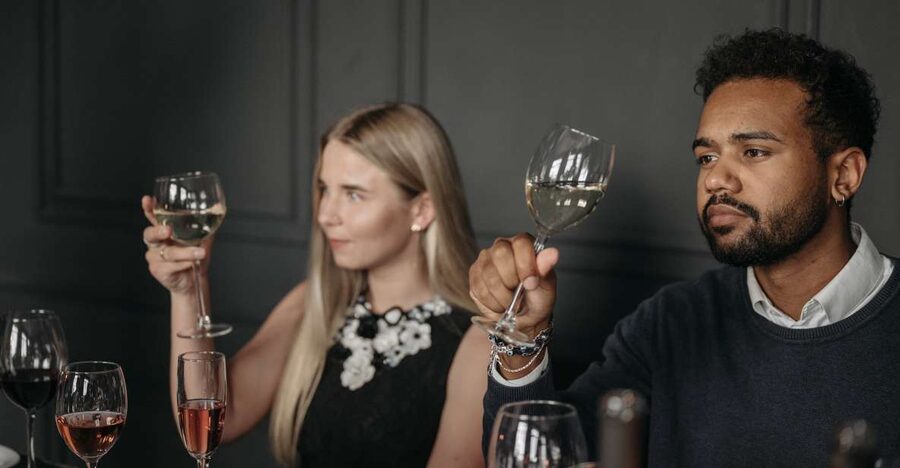
- Nina guides you through the tasting with a warm, conversational approach
- Four wine tastings in 90 minutes, so it’s focused and doable
- Local cheese and charcuterie make pairing feel natural, not forced
- Viennese grape varieties explained, especially the white-star Grüner Veltliner
- Small group of up to 10, which keeps questions from getting lost
Why Viennese Wine Works So Well in a Short Tasting
Viennese wine is the kind of story that surprises people. Vienna is a city, but grape growing has been going on here for centuries, stretching back to Roman times. And because most vineyards cling to hills just around the city, the climate and slopes create conditions that shape taste in a very specific way.
In this format, you get the “why” without needing a full day trip. You taste four wines, then you learn how to connect what’s in the glass to what’s happening in the vineyard and the cellar. For me, that’s the value. You leave with something you can actually use next time you see a bottle.
The other practical win is the pace. Ninety minutes sounds short until you realize it’s built for attention. You get guided tasting notes, you smell and sip, and you get quick takeaways that stick.
Other ways to round out a Vienna visit

The City-Center Setting at Hotel Rathaus Wein & Design
The tasting takes place in the center of Vienna, and you meet at the Hotel Rathaus Wein & Design. When you arrive, you register at the reception, and the tasting can start right away. You will need to show your voucher before it begins.
That matters more than people think. With a central meeting point, you can fit this into a normal day of sightseeing. No long transfers, no extra time lost. If you’re already exploring around the city center, this is a clean add-on.
Also, because it’s tied to a hotel setting, the experience tends to feel organized and comfortable. You’re not searching for a hidden cellar or guessing where to go. The structure helps you focus on the wine.
How the Sommelier Tasting Actually Feels: Four Wines, Clear Notes
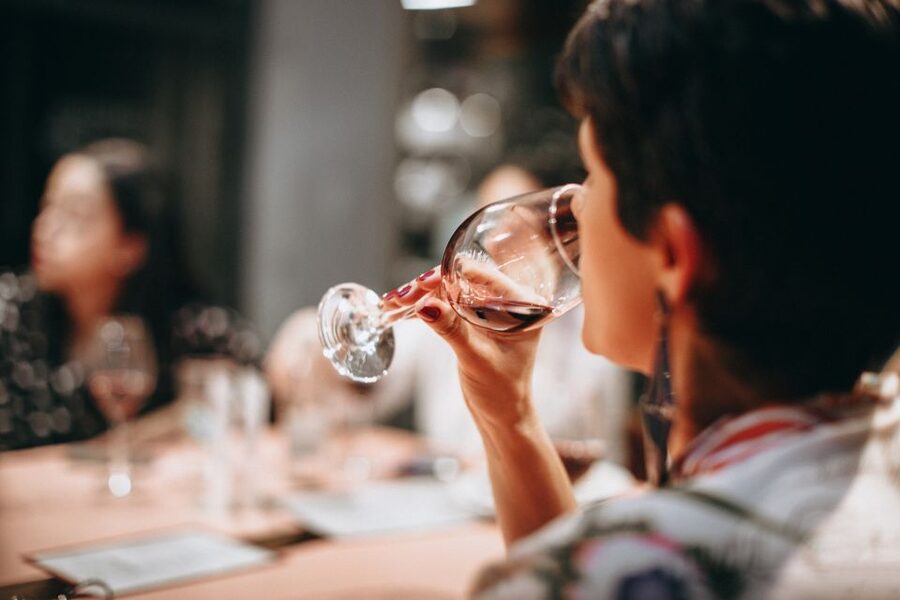
This is a guided tasting with an experienced sommelier, with live support in German and English. The goal is simple: you taste several Viennese wines, then you learn how to read them.
Here’s what I think makes this style work for most visitors. The guide doesn’t just list facts. They connect each wine to grape character, winemaking choices, and what to look for when you taste. That turns your sip into a lesson, not a guessing game.
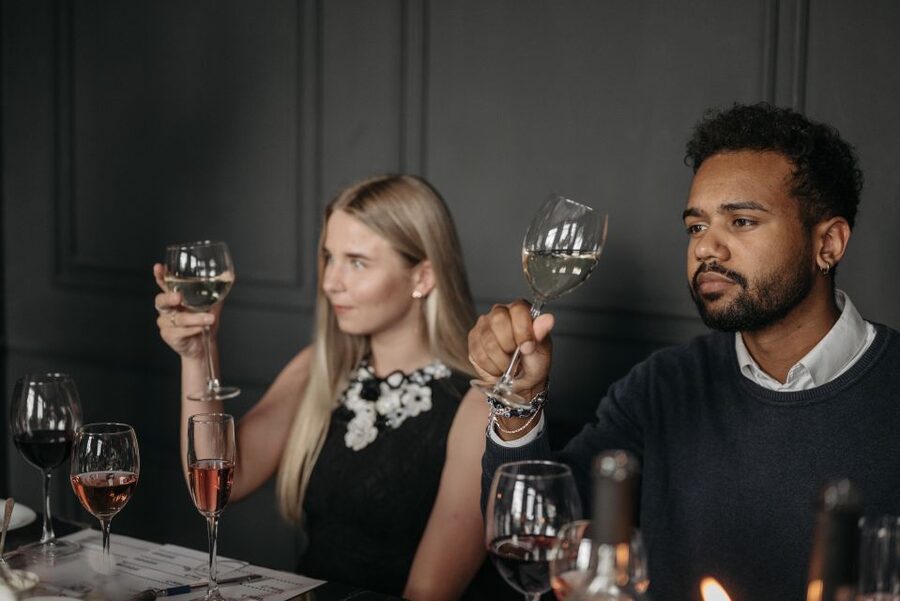
In a recent booking, the group tasted four wines, with 1 red and 3 whites, along with a cold plate of local charcuterie and cheese. That mix is a smart way to start, because you can compare structure, acidity, and flavor direction quickly. Whites often highlight the bright, food-friendly side of Viennese wine, while the red helps you see the darker fruit and different texture.
With only four tastings, the guide has time to explain without rushing. You don’t need to be a wine pro to keep up. And if you are into wine, you still get enough depth to sharpen your palate.
Grüner Veltliner, and the Big Idea Behind Vienna’s White Wine
Vienna is especially known for white wine, and the headline grape is Grüner Veltliner. It’s the most popular grape variety grown in and around the city, and it’s a great example of why terroir matters even in a city region.
So what does that mean for your glass? Grüner Veltliner often shows a distinctive flavor profile, and the tasting helps you identify how the wine tastes different from place to place and producer to producer. During the session, you’ll also learn how these wines are shaped by local growing conditions and the general approach Viennese winemakers take.
Another key context: Vienna’s vineyards sit mainly in surrounding hills such as Nussberg, Bisamberg, and Kahlenberg. Those locations create a microclimate, which means the same grape can express differently depending on slope, exposure, and temperature patterns. That’s why tasting multiple Viennese whites together is so instructive. You start noticing subtle changes faster.
Beyond the palaces, the city keeps its own rhythm of coffee, concerts, and day trips nearby.
- Vienna: Vivaldi’s Four Seasons Concert in Karlskirche★ 4.7 · 14,951 reviews
- Vienna: Schönbrunn Palace & Gardens Skip-the-Line Tour★ 4.7 · 7,739 reviews
- Vienna: Light of Creation Votive Church Immersive Light Show★ 4.8 · 6,779 reviews
- Vienna Spanish Riding School Guided Tour★ 4.7 · 6,765 reviews
Red Wine in Vienna: Zweigelt and Blaufränkisch, Not Afterthoughts
Vienna does grow red grapes too. Two names you’ll hear in this wine world are Zweigelt and Blaufränkisch. They’re not the only reds you’ll encounter, but they’re important examples of how Vienna isn’t a one-grape city.
One reason the tasting includes a red is that it teaches contrast. If you only drink whites, it’s easy to think all Viennese wine tastes a certain way. Adding a red shifts the conversation to different textures and fruit tones, and it helps you understand how winemaking decisions change the feel in your mouth.
Practically, reds also help you broaden what you pair with dinner later. Once you taste a Viennese red in the guided setting, you’ll be more confident ordering it with roasted meats, richer dishes, or just a heavier evening meal.
The Antipasti Cold Plate: What You Should Use It For
You’ll also be served a cold antipasti plate made for pairing, with items like cheese, bread, and charcuterie. In one recent experience, it came from local suppliers, and the plate was simple but well matched to the wines.
Don’t treat the food like an afterthought. Use it like a tasting tool. Cheese and cured meats bring salt and fat, and they can change how acidity and fruit flavors read in each wine.
Here’s the practical approach I recommend: take a few bites between pours, then go back to the wine and notice what shifts. Does the wine feel brighter? Does it taste rounder? Does the finish change? That’s how you learn what to order later, not just what you liked in the moment.
And because it’s a cold plate, it keeps the timing smooth. You’re not waiting for a warm course or trying to keep up with a multi-course meal while listening.
Vienna’s Vineyard Hills: Roman Roots to Microclimates
A big part of this experience is explaining why Viennese wine is special. The city has around 630 hectares of vineyards and produces more than 2.4 million liters of wine each year. That scale is enough to matter, but small enough that you often get a more local feel than in famous mega-regions.
The vineyards are largely on hills around Vienna, including Nussberg, Bisamberg, and Kahlenberg. Those sites create ideal microclimates for grape growing, and the tasting helps you understand how that shows up in the wine.
You’ll also hear about the wine culture behind the bottles. Vienna’s wine scene is shaped by small, family-owned vineyards. The wines can be high quality, but they are not widely available outside Austria. That’s part of the reason a guided tasting is such a good match for visitors. You get access to these flavors in a setting that translates the local context for you.
This is one of those experiences where the history isn’t trivia. It’s a map. Once you know the hills and the long timeline, you taste with more direction and less guesswork.
Group Size and Languages: Why Small Groups Matter for Learning
The group is limited to 10 participants. That size is ideal for a wine tasting. It keeps the pace up, and it gives you room to ask questions without feeling like you’re interrupting.
The guide speaks German and English. If you’re comfortable in either language, you can follow the wine notes, the grape explanations, and the winemaking context. If you’re not sure you’ll understand every detail, that’s still fine. The tasting is designed to be approachable, and the structure helps your brain lock onto key ideas.
It’s also helpful that the pace is short. Ninety minutes means you won’t get fatigued or lose the thread, especially if you’ve been walking around Vienna earlier in the day.
When This Experience Fits Your Travel Style
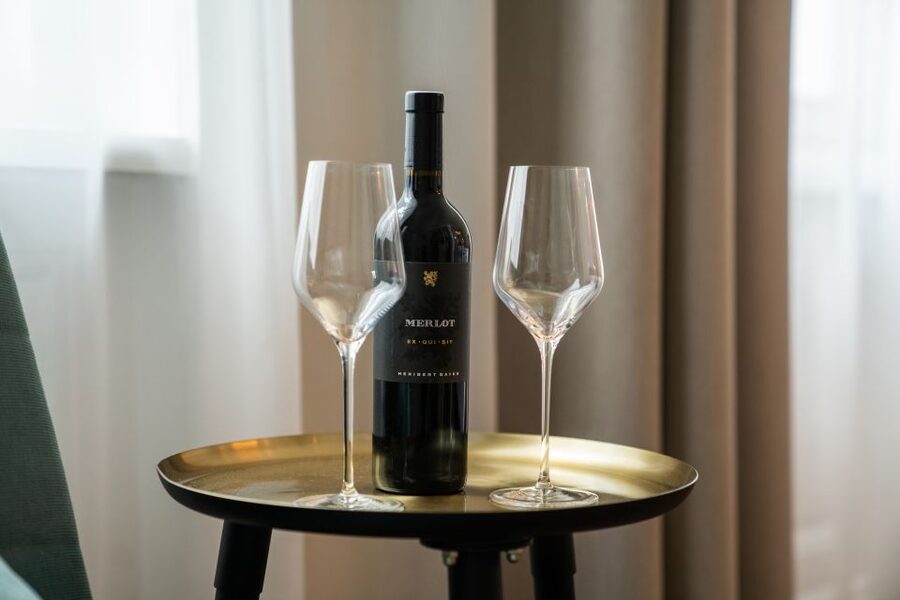
This is a great choice if you want an authentic Vienna activity that’s not just another museum stop. You’re learning how locals see their own wine tradition, and you’re tasting the result in a city setting.
It also works well for food-and-wine travelers. The antipasti plate is included, and it’s built for pairing. You’re not paying for taste alone, you’re getting the context that helps your palate make sense of what you’re eating.
Who might want to plan differently:
- If you need wheelchair access, this one is not suitable.
- If you’re traveling with children, note that it is not open to anyone under 18.
- If you’re looking for a full-day vineyard coach trip with lots of stops, this is a short tasting, not that kind of tour.
Practical Tips So You Get the Most From the Tasting
You’ll get better results if you go in with a little intention.
- Ask questions as you taste, not after. The guide can tailor explanations to what you noticed.
- Take small bites between pours, then go back to the glass and compare.
- If you find a wine you like, ask what foods it typically works with. That turns the experience into dinner plans later.
Also, arrive on time. The tasting starts once you’re checked in at the reception, and the whole session is built as a tight 90-minute flow.
Price and Value: What You’re Really Paying For
Since there’s no full meal and no long transport involved, the value here is in focused guidance. You’re paying for:
- Four guided tastings of local wines
- Pairing support with the cold antipasti plate
- An experienced sommelier who explains the grape and the logic behind the flavors
If you want to sample Viennese wine without planning a day around vineyards, this is a very efficient option. And because the group is small, the “teacher factor” is stronger than in larger group events.
Think of it as a wine education hour and a half, with food support, in the middle of Vienna. That’s a solid use of travel time.
Should You Book This Vienna Wine Tasting?
I’d book it if you like your tours to be practical, not just scenic. This tasting gives you the core Viennese grape story, plus a real chance to taste both whites and a red in one session. It’s also a nice change of pace if your day has lots of walking and you want something comfortably seated.
Skip it if accessibility or age rules are a problem for your group, or if you need more than four wines to feel satisfied. But for most adults who want a smart introduction to Vienna’s wine culture, this is an easy yes.
FAQ
How long is the Vienna wine tasting experience?
The experience lasts 90 minutes.
What wines are included?
You get 4 wine tastings of Viennese wines, and the session focuses on different grape varieties grown in Vienna.
Is food included?
Yes. You’ll receive an antipasti cold plate to pair with the wines, such as cheese, bread, and charcuterie.
What languages does the tour guide speak?
The live guide speaks German and English.
Where do I meet and what do I bring?
Meet at the Hotel Rathaus Wein & Design. Register at the reception and provide your voucher before the tasting begins.
Is this activity suitable for kids or wheelchair users?
No. It is not suitable for wheelchair users, and children under 18 years are not allowed.
Latest Additions
- Wachau Valley Private Wine Tour with Tasting and Gourmet Lunch
★ 5.0 · 1 review - Vienna: Danube Valley Tour with Melk, Dürnstein with wine tasting and boat.
★ 5.0 · 1 review - Private city tour in Vienna
★ 5.0 · 1 review - Hallstatt Small Group Day Trip from Vienna
★ 3.0 · 1 review - Inside Freud’s Mind: Self-Guided Mystery Walk in Vienna
★ 4.0 · 1 review - Private Transfer from Vienna to Prague
★ 5.0 · 1 review - Royal Route VIP Journey from Vienna to Bratislava and Budapest
★ 5.0 · 1 review
Wine Tours, compared.
Wachau Valley Wine Tasting Bike Tour from Vienna
Read our review →
Grape Grazing: Wachau Valley Winery Biking Tour
Read our review →
Wine Tasting Experience in a Private Wine Cellar
Read our review →
Schlumberger Wine Cellar Guided or Self-Guided Tour
Read our review →Browse the lists this tour appears in