
Reviewed · SCHöNBRUNN PALACE TICKETS
Schönbrunn Palace and Gardens Tour
Schonbrunn is a time machine with a good guide. This small-group tour focuses on the imperial summer residence, walking you from the formal gardens to the most story-packed palace rooms in one smooth half-day. You pick a 10am or 2pm start, and you get a historian-led route that explains what you are seeing, not just what it is called.
I especially like the mix of palace drama and everyday detail, like where Franz Joseph and Elisabeth (Sisi) lived with all the rules of court life pressing in. I also like that you get to stop in Maria Theresa’s music room, tied to Mozart performing at age six, which makes the whole place feel personal rather than just grand.
One drawback to plan for: palace admission is not included in the tour price, so you need to budget extra and take a little time to buy your ticket on site with your guide’s help.
In This Review
- Key highlights to look forward to
- Two departure times and a small-group pace that works
- Meeting point and first steps at SchönbrunnSchloss
- Schönbrunn Gardens in 30 minutes, plus the Gloriette view
- The palace interiors: rooms that explain power, ritual, and style
- Maria Theresa’s favorite rooms and the Mozart-at-six moment
- Time management: what you actually finish and what to do next
- What you get for the price, and how to judge value
- Who this tour suits best (and who might want a different option)
- Final call: should you book this Schönbrunn tour?
- FAQ
- Is Schönbrunn Palace admission included in the tour price?
- How long is the tour?
- What group size should I expect?
- What time does the tour run?
- Where do I meet the guide, and where does the tour end?
- Is free cancellation available?
Key highlights to look forward to
- Small group feel: limited to six people in the tour description, with a maximum of 8 travelers per group booking
- Two parts in one outing: formal gardens first, then the palace interiors you will want most
- Sisi and Franz Joseph apartments: a story of ritual, pressure, and escape, not just furniture and ceilings
- Maria Theresa rooms: from grand ceremonial spaces to the quieter corners she liked
- Mozart at six: a specific connection that makes the palace feel like living culture
- Guide help with tickets: your guide assists with purchasing your Schönbrunn Palace and Park entrance admission
Two departure times and a small-group pace that works
This is built for people who do not want to spend a full day inside Schönbrunn just to see the “musts.” You choose between a 10am or 2pm departure time, and the tour runs about 2 hours 30 minutes, with the experience described as finishing after roughly three hours total.
That matters because Schönbrunn can swallow a whole morning or afternoon if you let it. Here, the format forces you to move with purpose: gardens for orientation, then palace rooms that are tied to the people who shaped the Habsburg court.
And the group size is the other big deal. With a small group, your guide can keep you on track and still answer questions without turning it into a lecture for 25 people. Some guides on similar departures also adjust the pace for people who want a steadier rhythm, including seniors.
More gardens than one afternoon allows
Meeting point and first steps at SchönbrunnSchloss
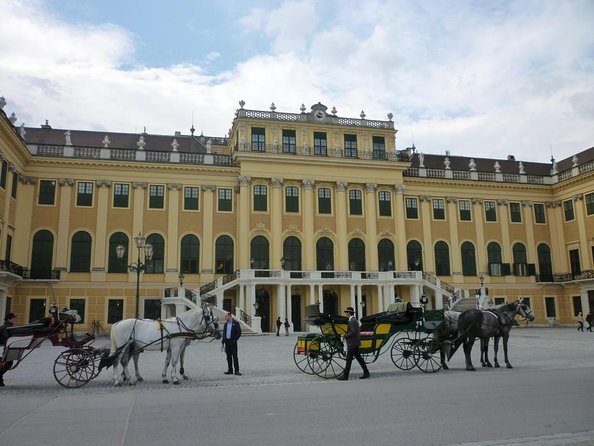
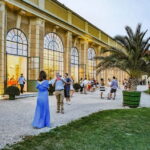
You meet at the Group Center SchönbrunnSchloss, 1130 Wien, and the tour ends back at the meeting point. Since the meeting spot is near public transportation, it is usually easy to reach, even if Vienna’s transit connections are not your strength yet.
What I’d do on arrival is simple: give yourself a little extra time to locate your group center and get oriented before the start. A few visitors have noted that signage around the meeting building can be easy to miss from across the street, so arriving early is a small move that saves stress.
Once you are with your guide, expect this pattern. You will tour the gardens and palace interiors, but the palace admission itself is not included. Your guide helps you buy your entrance ticket, so you are not stuck figuring out the process while the group waits.
Schönbrunn Gardens in 30 minutes, plus the Gloriette view
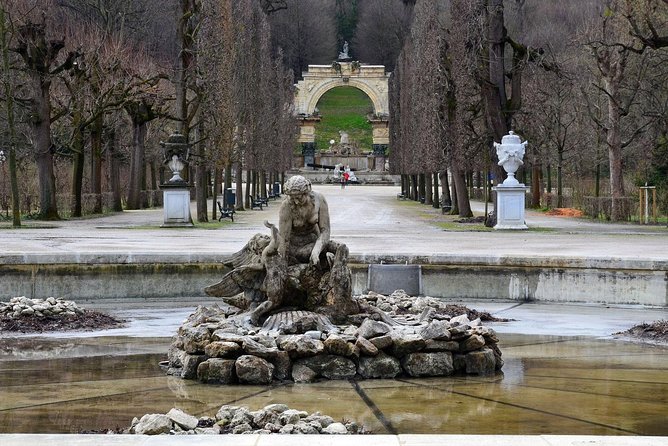
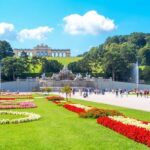
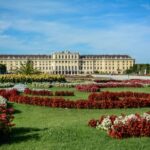
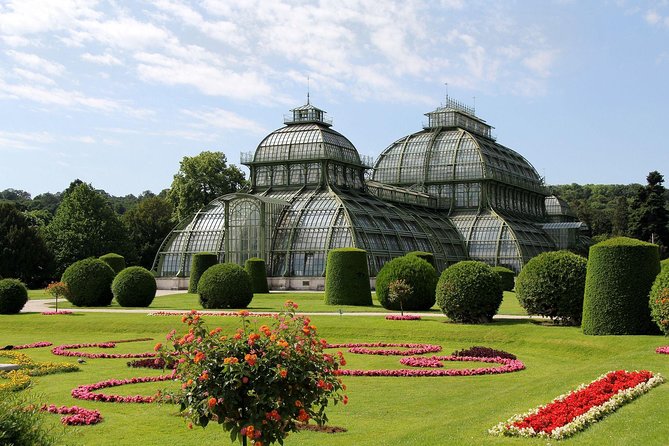
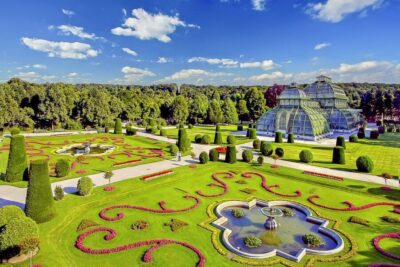
The tour starts with a stroll through the formal Schönbrunn gardens, with about 30 minutes dedicated to the grounds. This portion is not meant to turn you into a garden expert. It is meant to help you understand the design logic, so when you later look up at the palace, you get the whole picture.
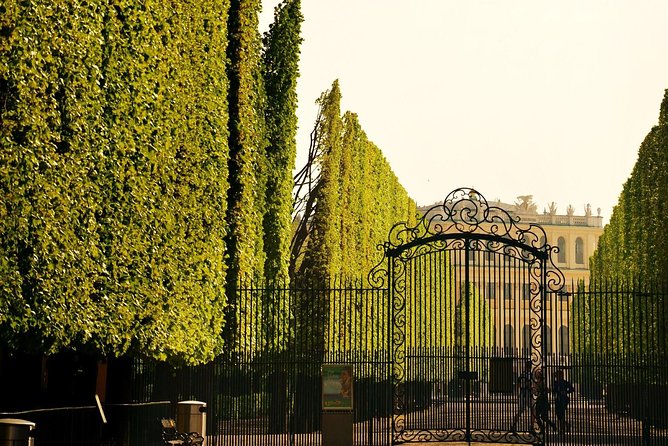
You are walking through a Baroque approach where nature and architecture work together. The gardens are laid out so paths, symmetry, and structures guide your eye, not just your feet. You also get that classic moment of heading toward the Gloriette, a large triumphal arch on a hill with panoramic views over Vienna’s woods.
The way the guide frames it is useful. Instead of treating Gloriette as a photo stop, you connect it to Maria Theresa’s era and the kinds of victories associated with the Habsburgs’ rise during her reign. There is also a neat detail here about the park opening to the public in 1779, which shows Maria Theresa sharing her court’s space beyond the palace walls.
Possible drawback: thirty minutes can feel short if gardens are your top priority. If you want to linger in flowerbeds, follow every path, or do the full uphill climb slowly, you will likely want to add extra time after the tour ends.
The palace interiors: rooms that explain power, ritual, and style
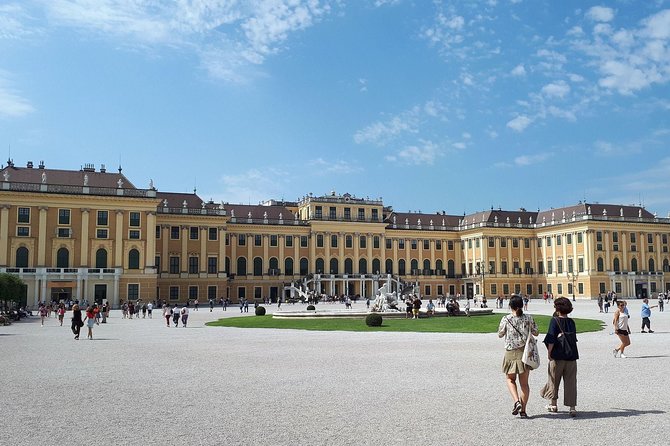
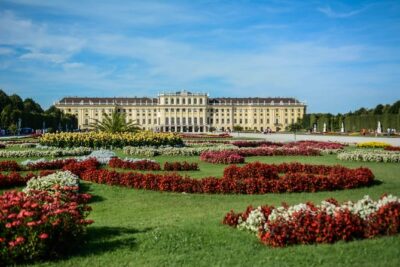
After the gardens, you move into Schönbrunn Palace for the main interior portion. This is where the tour earns its keep. You are not just walking from one hallway to the next. The guide ties each area to the people who used it and the expectations they lived under.
You start by heading into the Rococo state rooms and major showpieces such as the Great Gallery and the Yellow Salon, plus Franz Joseph’s private suite. Even if you only catch part of the design details, the scale and organization land fast. You can feel how court life ran on performance, timing, and strict social rules.
Then the story shifts directly to Franz Joseph and Elisabeth (Sisi). The tour describes Sisi as someone who disliked court ritual and the ornate environment of the summer palace. That framing helps because you stop seeing the interiors as static museum rooms. They become places where a very human conflict played out against a backdrop of ceremony and status.
A few interiors that the route highlights include:
- The dining room with precious tableware and “imperial napkins,” described as fleur de lys style
- The Hall of Ceremonies, tied to big court celebrations, including the wedding of Crown Prince Joseph depicted in a series by court painter Martin van Meytens
- The Porcelain Room, described as connected to Maria Theresa and designed in imitation of precious china with orientalist drawings connected to the imperial children
- The “Millions Room,” named for a large gold ducat price, mixing Indo-Persian miniatures with Rococo frames and decorative materials described in the tour details
If you like interiors, this is the part you will remember. The rooms are not just pretty. They are proof of how the Habsburg court used art, objects, and display to project authority.
Beyond the palaces, the city keeps its own rhythm of coffee, concerts, and day trips nearby.
- Vienna: Vivaldi’s Four Seasons Concert in Karlskirche★ 4.7 · 14,951 reviews
- Vienna: Light of Creation Votive Church Immersive Light Show★ 4.8 · 6,779 reviews
- Vienna Spanish Riding School Guided Tour★ 4.7 · 6,765 reviews
- Vienna: Classical Concert in the World-Famous Musikverein★ 4.6 · 6,673 reviews
Maria Theresa’s favorite rooms and the Mozart-at-six moment
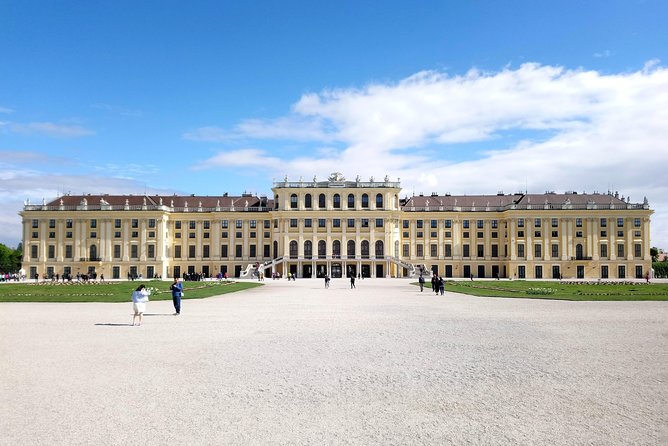
Later in the palace route, you focus on Empress Maria Theresa and the rooms she loved to spend time in. This is a smart pivot, because Maria Theresa is not just a date in a timeline. The tour connects her to how Schönbrunn functioned as an imperial center and a focal point of court life.
Expect to see ceremonial and decorative spaces such as the Hall of Ceremonies, the Gobelin Salon, and the Feketin Room, all highlighted as part of the tour sequence. Those names can sound like labels until your guide explains how they fit the court machine: who used rooms like these, what kind of events shaped the atmosphere, and how the building communicated rank.
Then comes one of the most memorable stops: Maria Theresa’s music room, where Mozart performed at six years old. It is a specific story beat, and it works because it anchors the building to a human moment rather than a purely political one.
If you care about connections between music, power, and education in the Habsburg world, this stop will click. If you are less into classical history, you will still get the payoff because the scene is vivid and easy to carry into the rest of your visit.
Time management: what you actually finish and what to do next
The tour wraps inside the palace, and afterwards you are free to spend the rest of your day however you want. That is valuable in Vienna, where you can easily get stuck planning only one big sight.
After you finish, I’d treat Schönbrunn like a choose-your-own ending. If you want more palace rooms, you can go back into the building and slow down. If you want more views, you can use the Gloriette moment you got on the tour as your starting point and linger on the grounds.
Some visitors have mentioned ending with recommendations for places to eat or drink, and occasionally a quick stop for refreshments along the way. That kind of extra help can be handy if you want something practical and not just another souvenir shop.
What you get for the price, and how to judge value
The price is $181.41 per person, which is not pocket change. But look at what you are paying for: a historian guide, a small-group format, and a tightly organized route that focuses on the palace interiors and the garden highlights you will most likely miss if you go totally self-guided.
Two things to remember when judging value:
1) Palace admission is not included in the tour price. So you need to add the entrance ticket cost on your budget. Your guide helps with purchasing, which reduces stress, but it still means you will pay extra.
2) The time is managed. This is an efficient way to see the key spaces linked to Maria Theresa, Franz Joseph, and Sisi without getting lost in the building’s scale.
Mobile ticket and group discounts are listed as features, which can help if you are comparing options. The main reason I think it is good value is the guide impact: visitors repeatedly mention guides using stories, personal details, and specific room explanations, not just dates.
Also, if you are the type who gets tired of museum wandering, this tour gives you a clear sequence. You know where you are going next, and you understand why it matters before you arrive.
Who this tour suits best (and who might want a different option)
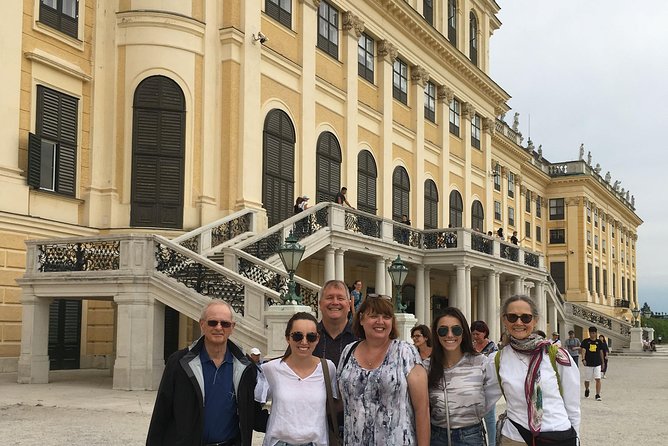
I think this works best for first-time visitors to Vienna who want one “big palace day” without committing to a full day. It also fits history lovers who like human stories, such as Sisi’s discomfort with court ritual and Maria Theresa’s long reign shaping the court’s identity.
You’ll likely enjoy it if you care about:
- Major palace showpieces like the Great Gallery and Yellow Salon
- Room-by-room context, including the music room tied to Mozart at six
- A route that connects objects and architecture to how the imperial family actually lived
Who might consider a different setup? If you are primarily obsessed with gardens and want to spend extended time exploring paths and viewpoints at your own speed, the garden segment is only about 30 minutes. You can still get the key view and design idea, but you may want to add free time.
Final call: should you book this Schönbrunn tour?
If your goal is to see Schönbrunn without turning it into a maze, I would book it. The small group size, the guided room sequence, and the specific story anchors like Maria Theresa’s music room and Mozart at six give you a clear payoff for your time.
Just go in knowing the two practical points: you will need to buy palace admission separately, and the garden portion is brief. If you plan for those, you end up with an efficient, story-driven way to experience one of Vienna’s most important imperial sites.
FAQ
Is Schönbrunn Palace admission included in the tour price?
No. Schönbrunn Palace & Park admission tickets are not included. Your guide will help you purchase your entrance ticket.
How long is the tour?
The duration is approximately 2 hours 30 minutes, and the tour is described as concluding inside the palace after about three hours.
What group size should I expect?
The tour description says it is a small group limited to six people. The maximum number of travelers per booking is listed as 8.
What time does the tour run?
You can choose a 10am departure or a 2pm departure.
Where do I meet the guide, and where does the tour end?
You start at Group Center SchönbrunnSchloss, 1130 Wien. The tour ends back at the same meeting point.
Is free cancellation available?
Yes, free cancellation is available. You can cancel up to 24 hours in advance for a full refund.
Latest Additions
- Wachau Valley Private Wine Tour with Tasting and Gourmet Lunch
★ 5.0 · 1 review - Vienna: Danube Valley Tour with Melk, Dürnstein with wine tasting and boat.
★ 5.0 · 1 review - Private city tour in Vienna
★ 5.0 · 1 review - Hallstatt Small Group Day Trip from Vienna
★ 3.0 · 1 review - Inside Freud’s Mind: Self-Guided Mystery Walk in Vienna
★ 4.0 · 1 review - Private Transfer from Vienna to Prague
★ 5.0 · 1 review - Vienna’s Christmas Market Magic Tour
★ 5.0 · 1 review
Schönbrunn Palace Tickets, compared.
Schönbrunn Palace & Gardens Skip-the-Line Tour
Read our review →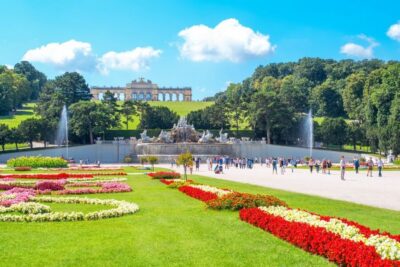
Skip-the-Line Schönbrunn Palace & Gardens Tour
Read our review →
Skip the Line Schönbrunn Palace and Gardens Guided Tour
Read our review →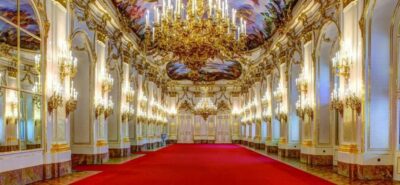
Schönbrunn Palace & Garden Skip-the-Line Guided Tour
Read our review →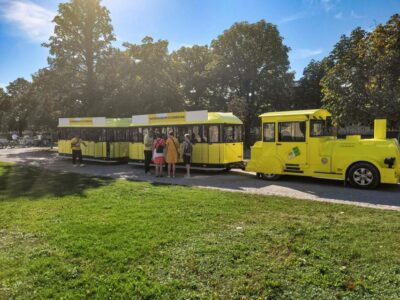
Panorama Train Tickets to explore Schönbrunn Palace
Read our review →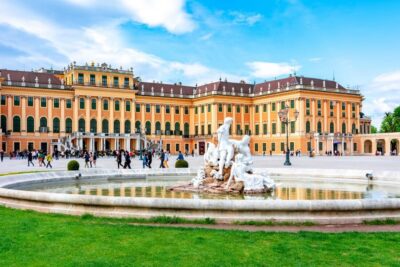
Skip-the-Line Schönbrunn Palace and Gardens Tour
Read our review →
Skip-the-Line Schonbrunn Palace Guided Tour and Vienna Historical City Tour
Read our review →Browse the lists this tour appears in